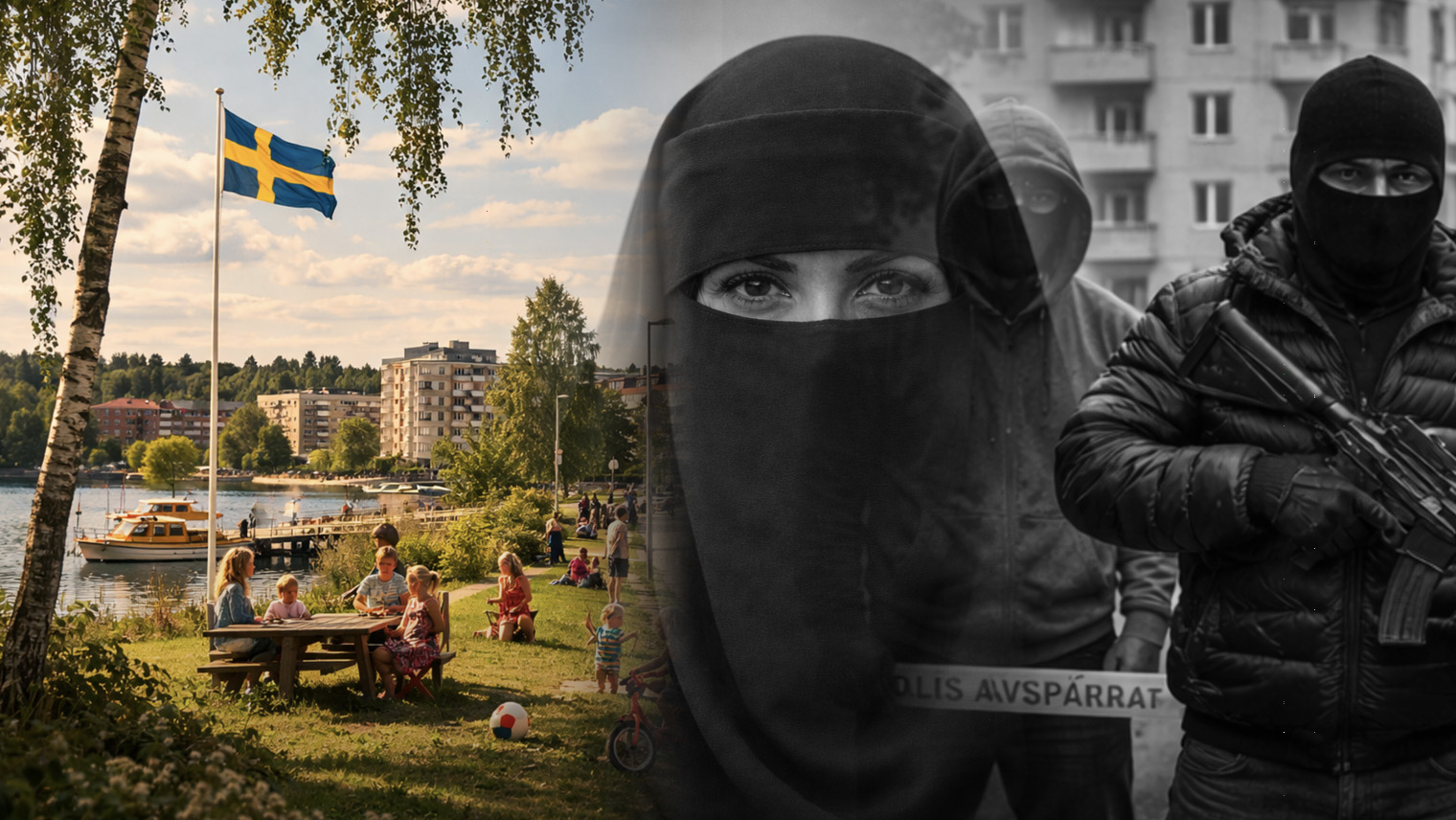
They remember a Sweden characterized by security, social cohesion, and strong trust between people and institutions. A society where everyday life felt predictable and changes happened slowly. Today, many older people describe a different reality – with increased crime, cultural tensions, and a growing sense that society has fundamentally changed during their lifetime. When Samnytt meets people who have lived through decades of transformation, stories emerge of memories, anxieties, and reflections on what has been lost.
In recent decades, Sweden has undergone a societal transformation unmatched in modern times.
Large-scale mass immigration, rapidly growing parallel societies, and a crime rate increasingly marked by shootings, explosions, and gang conflicts have changed daily life in many residential areas.
At the same time, questions of culture, religion, and integration have become central to the public debate – and to people’s private lives.
READ ALSO: The Giant Mosque in Skärholmen: Secret Funding, Islamist Connections – and Concern Among Residents
For the generation who remembers another Sweden, shaped by stronger social cohesion, high trust, and a sense of safety in public spaces, the development often appears particularly striking.
Their experiences and reflections offer a perspective rarely given space in today’s rapid news cycle, but which contains both personal memories and a broader story of a country in transition.
From my window, I saw them shoot here. Maybe about two years ago. You get reminded of it when you walk around here. But someone was also shot by the swimming pool, and that wasn’t long ago, just a few weeks.
“Anna” to Samnytt
When Samnytt meets older people in everyday settings, a picture emerges of worry, resignation, and sometimes even surrender in the face of societal changes.
READ ALSO: Police: The Islamization of Sweden Has Been Ongoing for 30 Years
The conversations range from safety and economic conditions to religion, identity, and the question of what it means to feel at home in a country which many perceive has fundamentally changed. Here are some of these voices.
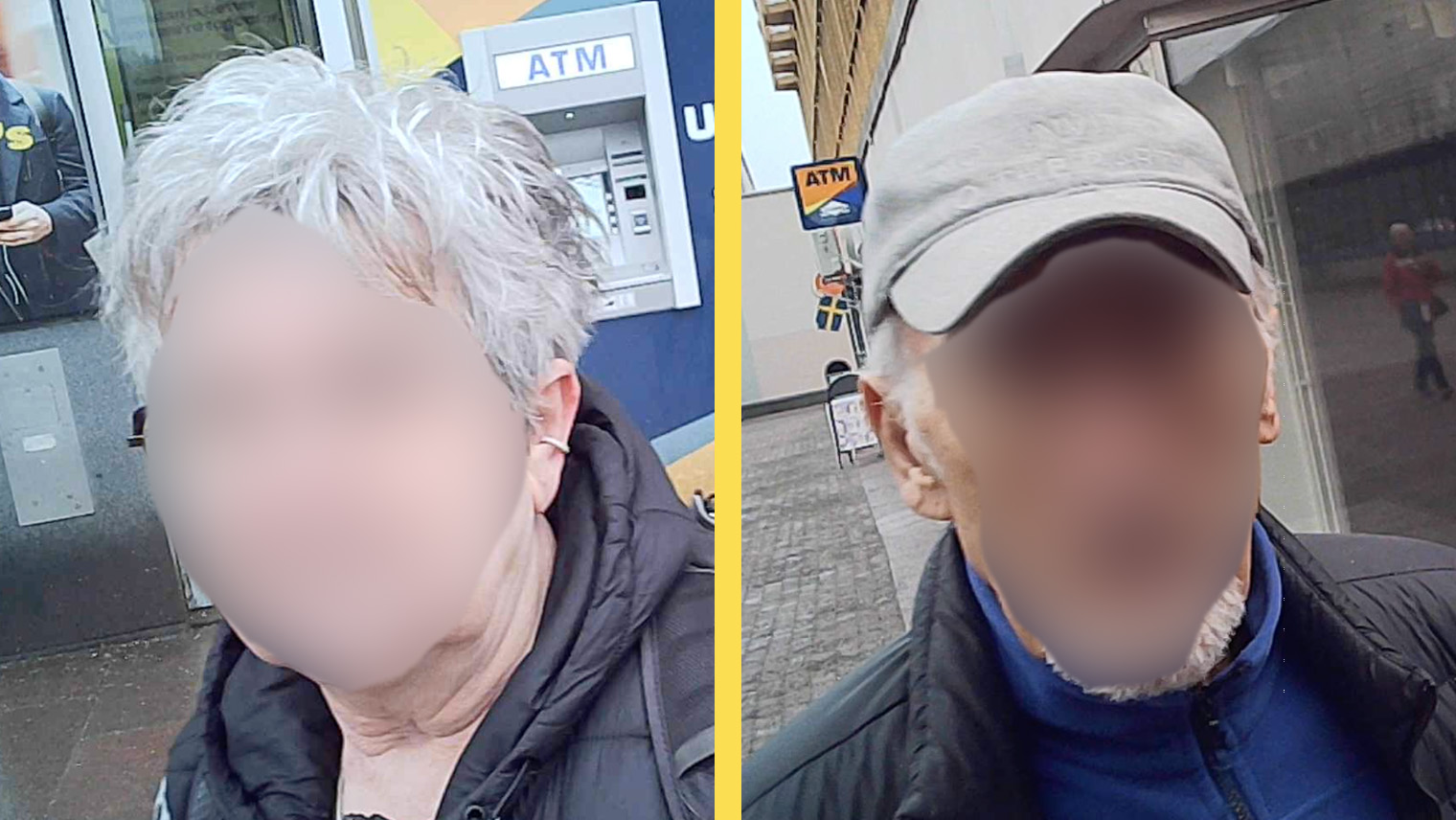
Saw a shooting from her window
In a suburb of Stockholm, Samnytt meets a woman in her 70s, originally from Poland, whom we call “Anna.”
How do you feel society has developed in the last 20–30 years?
– I keep to my area and don’t go down to the center very often anymore.
I don’t try to impose my beliefs or way of thinking on other people. I live in my own little world. I’m an immigrant too, but you shouldn’t come here and try to change Sweden.
“Anna” to Samnytt
Do you feel unsafe?
– Yes, I even saw them shoot here from my window.
READ ALSO: Over 67,000 People Linked to Gang Crime in Sweden – Government: “Serious Situation”
When was this?
– Maybe about two years ago. It’s a constant reminder when walking around here. There was also someone shot by the swimming pool recently, just a few weeks ago. Anna points across the square.
READ ALSO: The “Swedish Model” of Gang Crime Spreads to Europe – Minors Recruited as Tools of Violence
How does it affect you?
– I avoid going out now. Never in the evenings, no, no, no.
Large mosques are being built now; what do you think about that?
Anna, who is Catholic, shakes her head at first.
– I don’t think they should be allowed to, preferably not. Generally, I think that when you move to other countries, like Sweden, you shouldn’t try to transplant your own country here. You have to adapt. She continues
– Even Swedes have the right to want to live with their own traditions in this world, in their country where they were born. She further explains:
– I’m not going to live the way they demand me to, but it could be…I’ll probably be forced to listen to those prayer calls soon. Anna goes on:
– I don’t try to impose my beliefs or way of thinking on others. I live in my own little world. I’m also an immigrant, but you shouldn’t come here and try to change Sweden. She elaborates:
– I don’t criticize their faith per se, but they show no respect for our holidays, when we celebrate Christmas for example. It’s not a holiday for them, so they might start renovating and hammering in the house when we’re trying to have Christmas peace.
Do you want Samnytt to survive?
Hundreds of thousands read Samnytt every week – but only 1 in 100 contributes. Help us continue to deliver investigations and in-depth reports that show more of reality.
Without your support, there is no Samnytt.
Thanks to our readers, Samnytt has published nearly 34,000 articles that show more of reality – what establishment media often chooses to hide.
123 083 33 50
Swish any amount
Thank you for reading and supporting Samnytt
Asked how she feels about more and more women in the area wearing hijabs and niqabs, she replies that she avoids situations that make her sad and irritated.
– As long as you can’t do anything about the development. It stirs up the wrong feelings.
Anna is unsure if she will continue living in Sweden.
“Too many people have been let in”
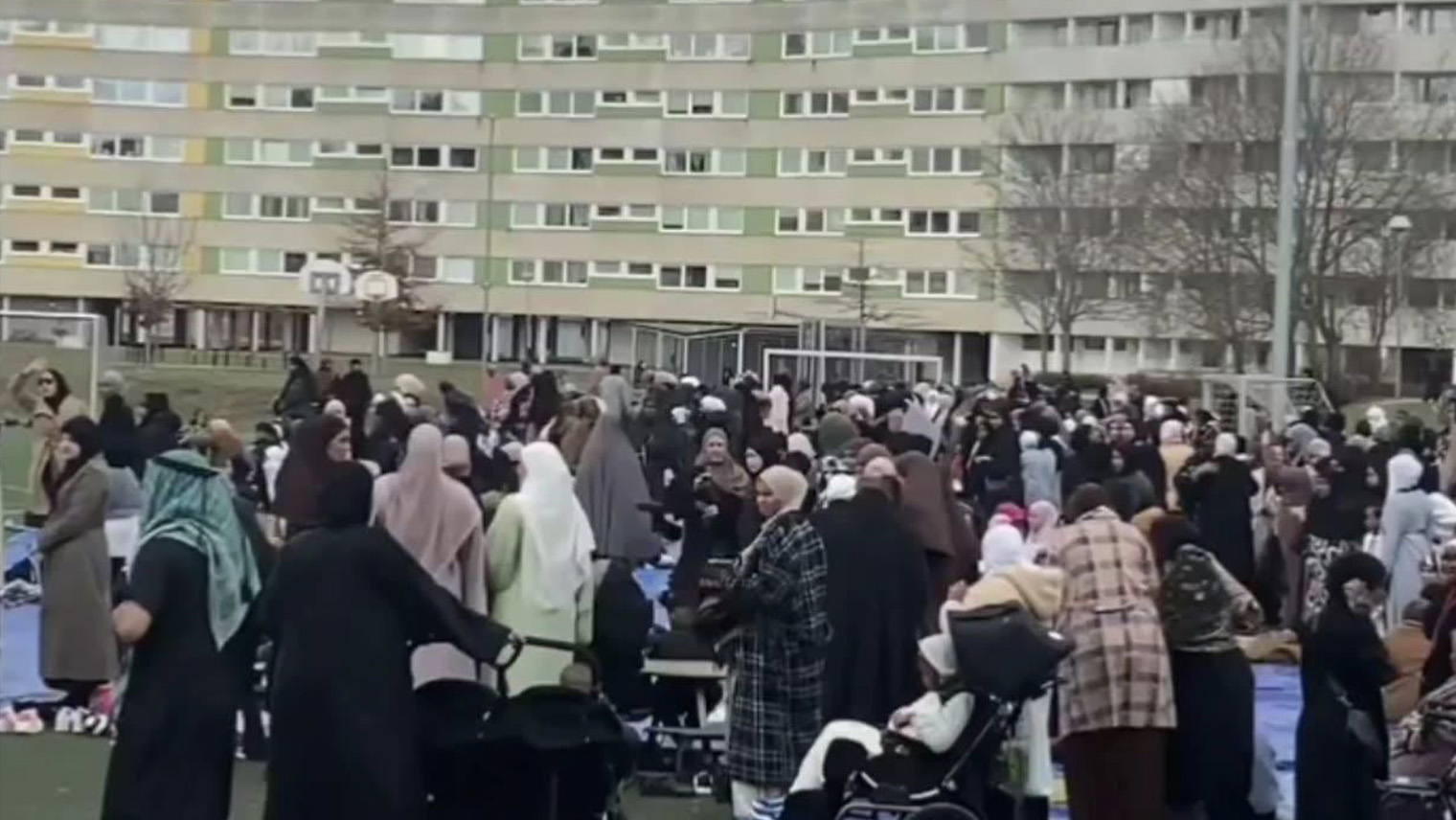
“Nicola,” who is 82, says he came here in the 1970s to work and planned to stay for a year, maybe two.
– But it turned into 52 years… At first, I met a Finnish woman and married her, but she drank a little too much so that didn’t last. Then I went home to Croatia and brought a young girl here, she was 17 and I was 33. And it’s turned out well. We had two children and now we have six grandchildren.
They shouldn’t have been granted permission from the start. But if people don’t want to work, then just send them out, that’s the only way.
“Nicola”, 82, to Samnytt
He says off the bat that Sweden has changed incredibly since the 1970s and brings up mass immigration.
– The migration flows often arrive in Croatia as the first EU country, and before they continued to Germany and Sweden, but now Germany has started sending them back – and it’s a crisis there.
READ ALSO: Christer, 76, on Life in a Retirement Home: “If You Criticize, You’re Called Xenophobic”
But how would you describe Sweden?
– It’s a crisis here too. On top of that, everything gets more expensive but pensions stay the same. You’re forced to work extra to get by.
The conversation turns to the Islamization of Sweden, about which Nicola has strong opinions.
– They demand more, more, more. And in the end, they get what they want. It doesn’t matter how much these mosques cost, they’re built anyway.
READ ALSO: Societal Shift No One Voted For – Tangible Signs of Islamization in Sweden
How do you think they’re financed?
– The money comes from Islamic countries. They’re going to take over everything. I get why Trump tries to stop it, but he can’t. Iran has 90 million people and many are Islamic extremists, so it won’t work. They never give up.
READ ALSO: Shock numbers: 4,200% Increase in Mosques in Sweden – in Less Than 25 Years
When we came here in the seventies, from Croatia, Yugoslavia and Italy, we adapted. But now they’ve let in masses of people from Islamic countries and they will never fit into Sweden. It won’t work. They don’t want to adapt.
“Nicola”, 82, to Samnytt
You sound very pessimistic, do you think Islam will also take over in Sweden?
– Yes, I’m worried for my children and grandchildren, because this is no future. They feel resigned, and it’s sad.
READ ALSO: Social Democrat Visited Tensta: “Of Course We Need to Build More Mosques”
The conversation turns to the repatriation allowance, which has been discussed as a political tool to encourage immigrants who have not integrated or who are outside the labor market to return to their home countries.
– I don’t believe in it. Those who don’t want to work should be sent out.
How do you think that should be done?
– Well, it can be done. They shouldn’t have been granted permission in the first place. But if you don’t want to work, just send them out, that’s the only way.
READ ALSO: Kista: Where Sweden Was Supposed to Build the Future – Now Companies and Swedes Are Leaving
He says he never took a course to learn Swedish, instead learning on the job, at Scania in Södertälje. He arrived on a Saturday and began working on Monday.
He returns to the topic of Islamization.
– It has increased every year since I came here. You Swedes won’t be able to handle it. You’re forced to give in all the time. He continues:
– Even the Sweden Democrats wait and give in. That’s how it always is.
READ ALSO: The Social Democrats Pointed Out in Report on European Islamization
Do you think harder measures are necessary?
– Yes, they are. Too many people have been let in. Nicola concludes:
– When we came here in the seventies, from Croatia, Yugoslavia and Italy, we adapted. But now they’ve let in masses of people from Islamic countries and they will never fit into Sweden. It won’t work. They don’t want to adapt.
A Darker Future
On the subway, we also meet “Anders,” who is in his 70s. He has just been to a naprapath to get his shoulder treated. He says he lives alone and has no children or close relatives alive. About Sweden’s development, he says simply:
– It’s a relief that I won’t be around much longer.
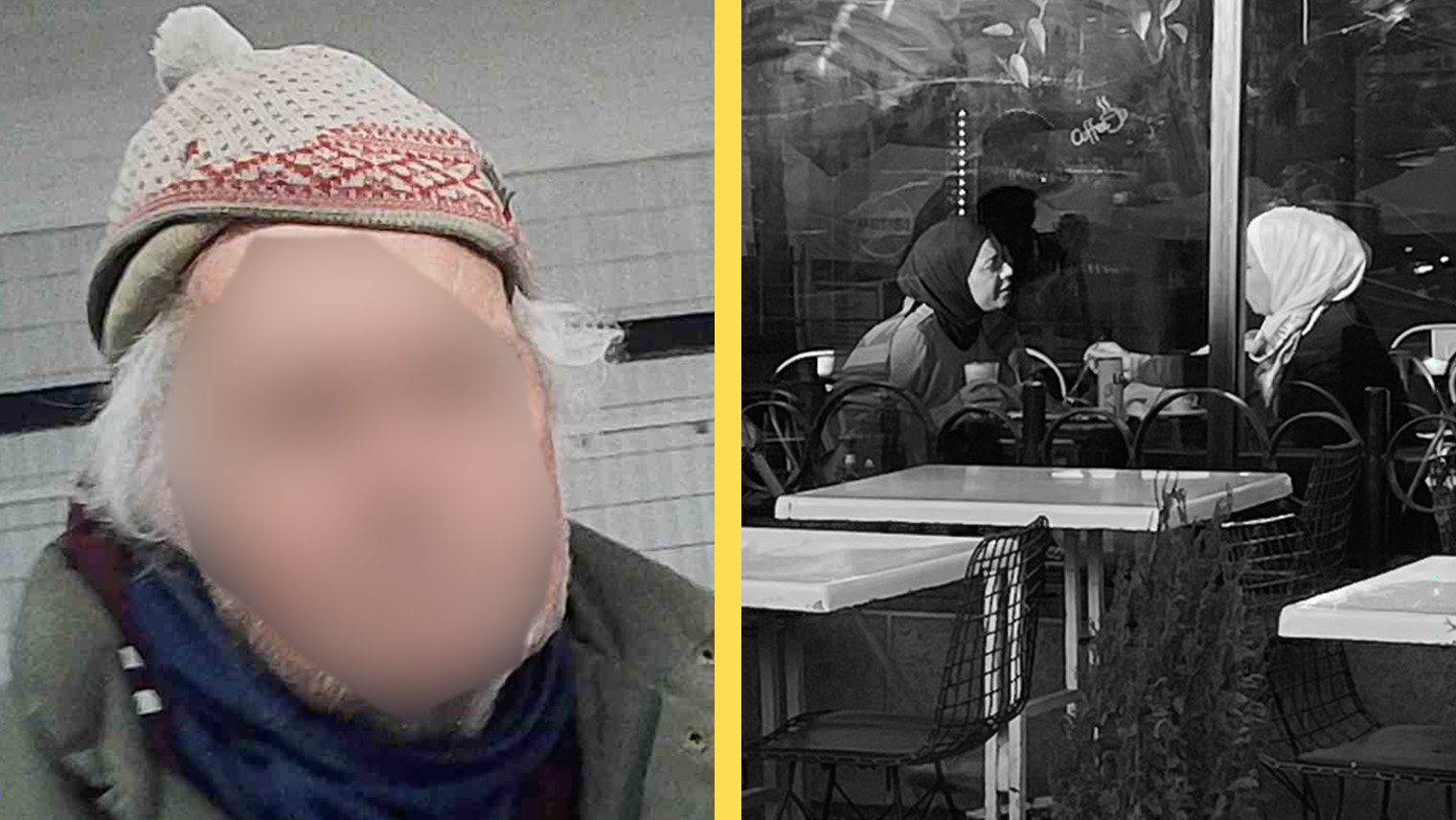
Their accounts differ, but the feeling of having witnessed a rapidly changing country is a unifying theme. For many older people, it is not just about politics or statistics, but about everyday experiences – about how safety, cohesion, and familiarity in public life have dramatically changed over time.
READ ALSO: “This Is No Longer Sweden” – a Walk Around Vivalla
When life experiences from several decades are measured against contemporary developments, a perspective emerges that is rarely reflected in daily news reporting.
It’s about memories of a society once experienced as stable and predictable – and about a present where the future for the next generation seems darker than ever.
READ ALSO: Vivalla and the Particularly Exposed Elephant in the Room
The voices heard here do not make up a single narrative, but instead express individual life stories and personal interpretations of societal change.
Together, however, they testify to a profound transformation that continues to influence both public debate and people’s private lives.
Do you want Samnytt to survive?
Hundreds of thousands read Samnytt every week – but only 1 in 100 contributes. Help us continue to deliver investigations and in-depth reports that show more of reality.
Without your support, there is no Samnytt.
Thanks to our readers, Samnytt has published nearly 34,000 articles that show more of reality – what establishment media often chooses to hide.
123 083 33 50
Swish any amount
Thank you for reading and supporting Samnytt