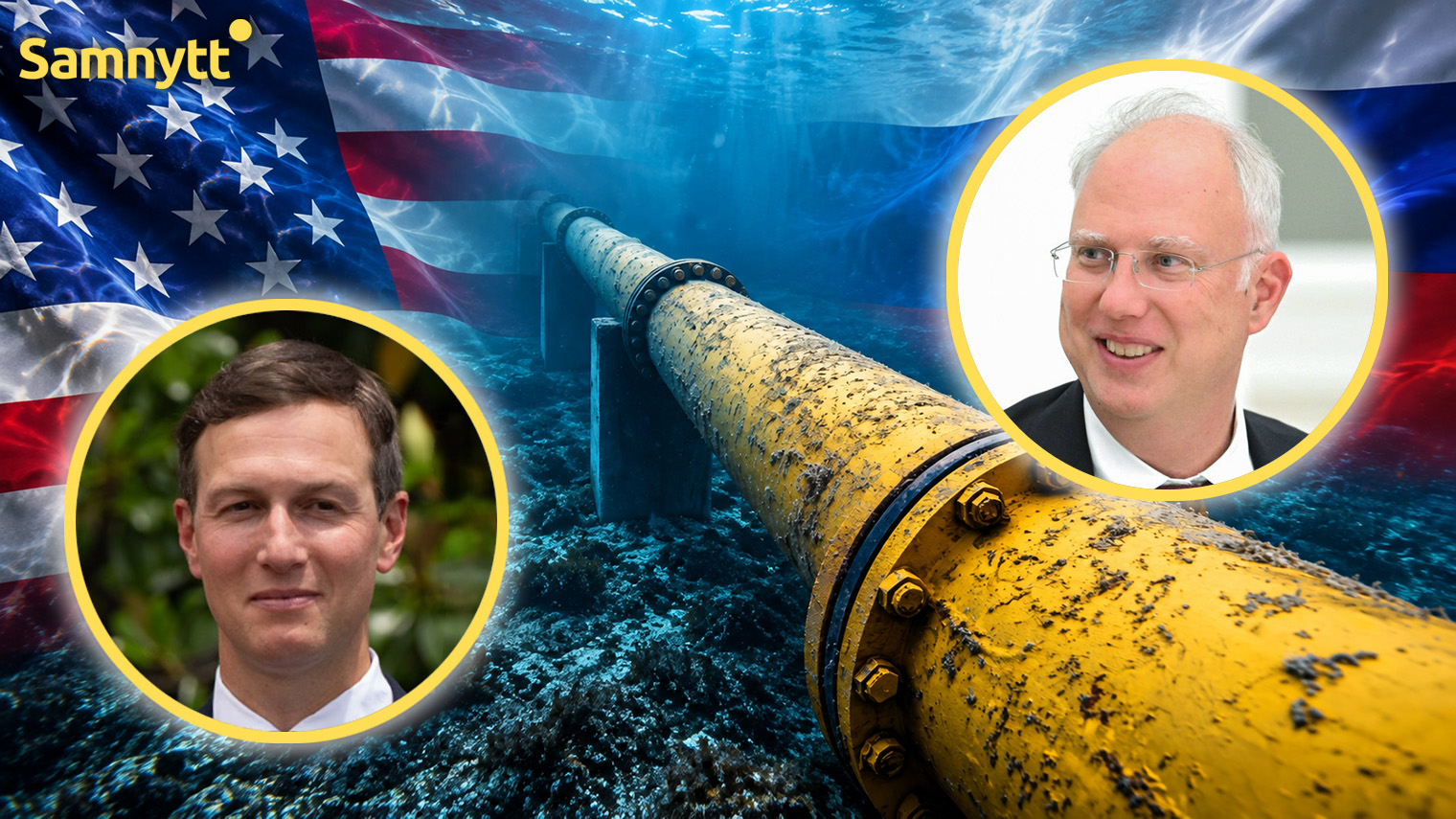
Senior representatives from the US and Russia are discussing the possibility of reopening the route for Russian gas to Germany via Nord Stream. One model under consideration is for American investors to participate in the pipeline operations, thereby sharing in the profits if Europe’s previous large-scale imports of Russian energy are resumed after the Ukraine war.
Talks have taken place between people in the immediate circles of presidents Donald Trump and Vladimir Putin, according to Reuters, citing five sources with insight. Among the key players are Trump’s son-in-law and special envoy Jared Kushner, as well as Putin’s economic advisor Kirill Dmitriev.
The two have met in both Moscow and New York in recent weeks. It remains unclear exactly how thoroughly Nord Stream has been discussed at these meetings, but according to Reuters’ sources, the issue remains on the table. This is reported, among others, by Reuters.
American Ownership in Nord Stream
One possible solution is for American investors to become part owners of Nord Stream. This could provide the US with economic stakes in Russian gas exports to Europe if relations normalize following a peace agreement in Ukraine.
Kushner, who is involved in the Trump administration’s attempts to broker a settlement between Moscow and Kyiv, has emphasized economic incentives as a way to make peace more sustainable. After visiting Moscow, he spoke in Kyiv about so-called “prosperity agreements,” arguing that economic opportunities could give the involved leaders something to look forward to after the war.
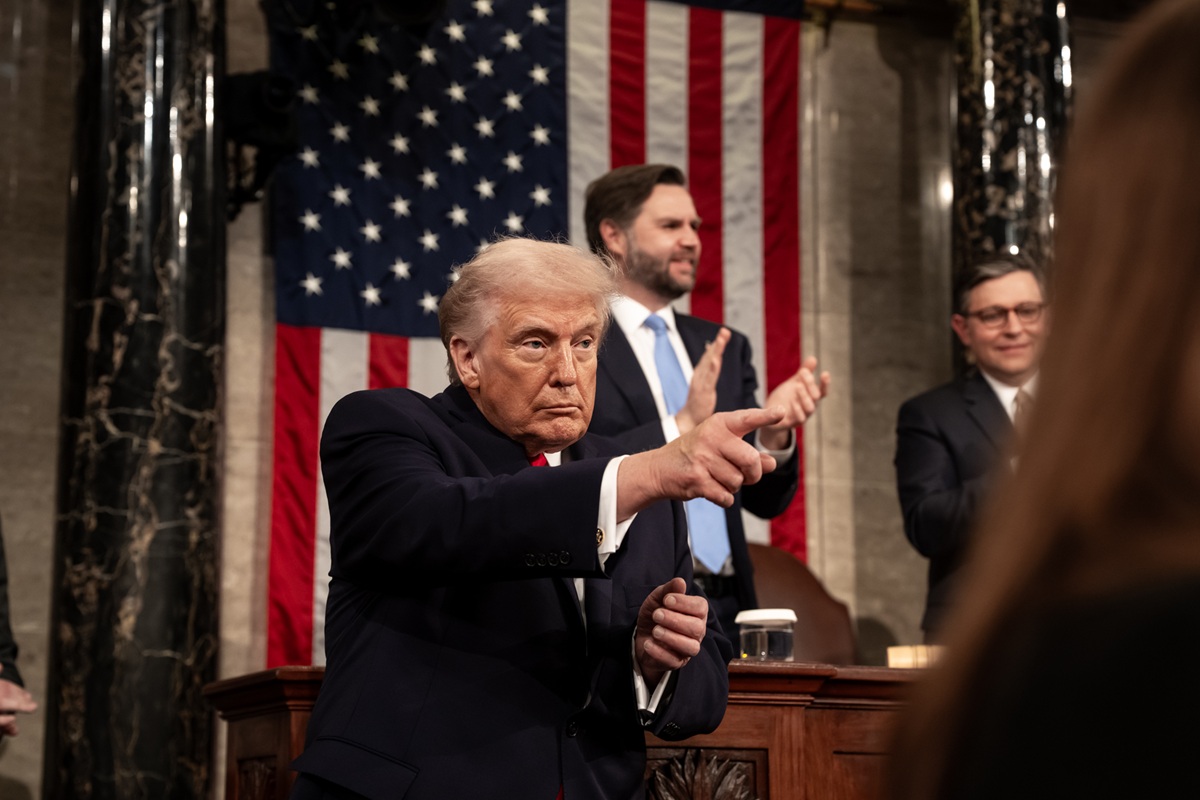
Meanwhile, Dmitriev has long worked to resume Russian gas exports to Germany. In September, he met with representatives from the American energy and finance departments to discuss possible joint US-Russian energy projects.
READ ALSO: New Book Claims Ukraine Behind Nord Stream Attack: “We Did It for Our Country”
The White House, however, downplays the progress of the talks. A representative told Reuters that any deals with Russia would have to be negotiated together with the US government development bank DFC and the Treasury Department, and must benefit American companies and taxpayers. According to the same source, there have been no specific talks about Nord Stream recently.
Germany Says No
The obstacles to realizing these plans are significant. Nord Stream is subject to sanctions from both the US and the EU, meaning a restart is currently illegal. Trump could ease US sanctions, but European ones remain a separate issue. Furthermore, strong resistance is expected from several EU countries.
The German government currently rejects the idea of a restart. A spokesperson for the country’s economy and energy ministry stressed that Germany has found alternative energy sources and that reopening would also require government approval.
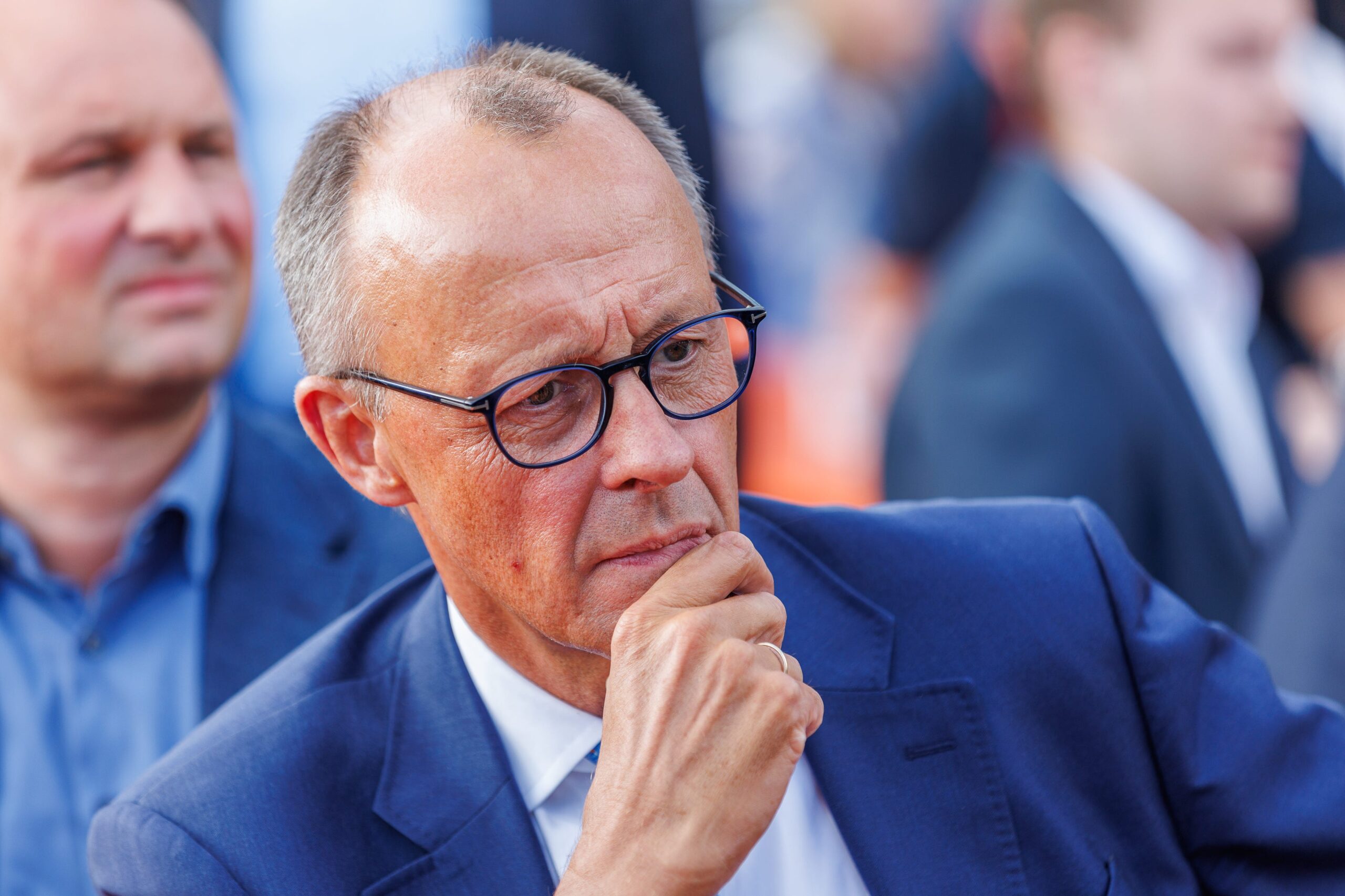
Before Russia’s invasion of Ukraine in February 2022, the situation was radically different. More than half of the gas used by Germany came from Russia, including through Nord Stream pipelines beneath the Baltic Sea.
READ ALSO: German media: CIA Was Early Aware of Plans to Explode Nord Stream
Deliveries ceased as relations between Russia and the West rapidly deteriorated. In September 2022, parts of the pipeline system were destroyed by underwater explosions.
AfD Wants to Resume Gas Imports
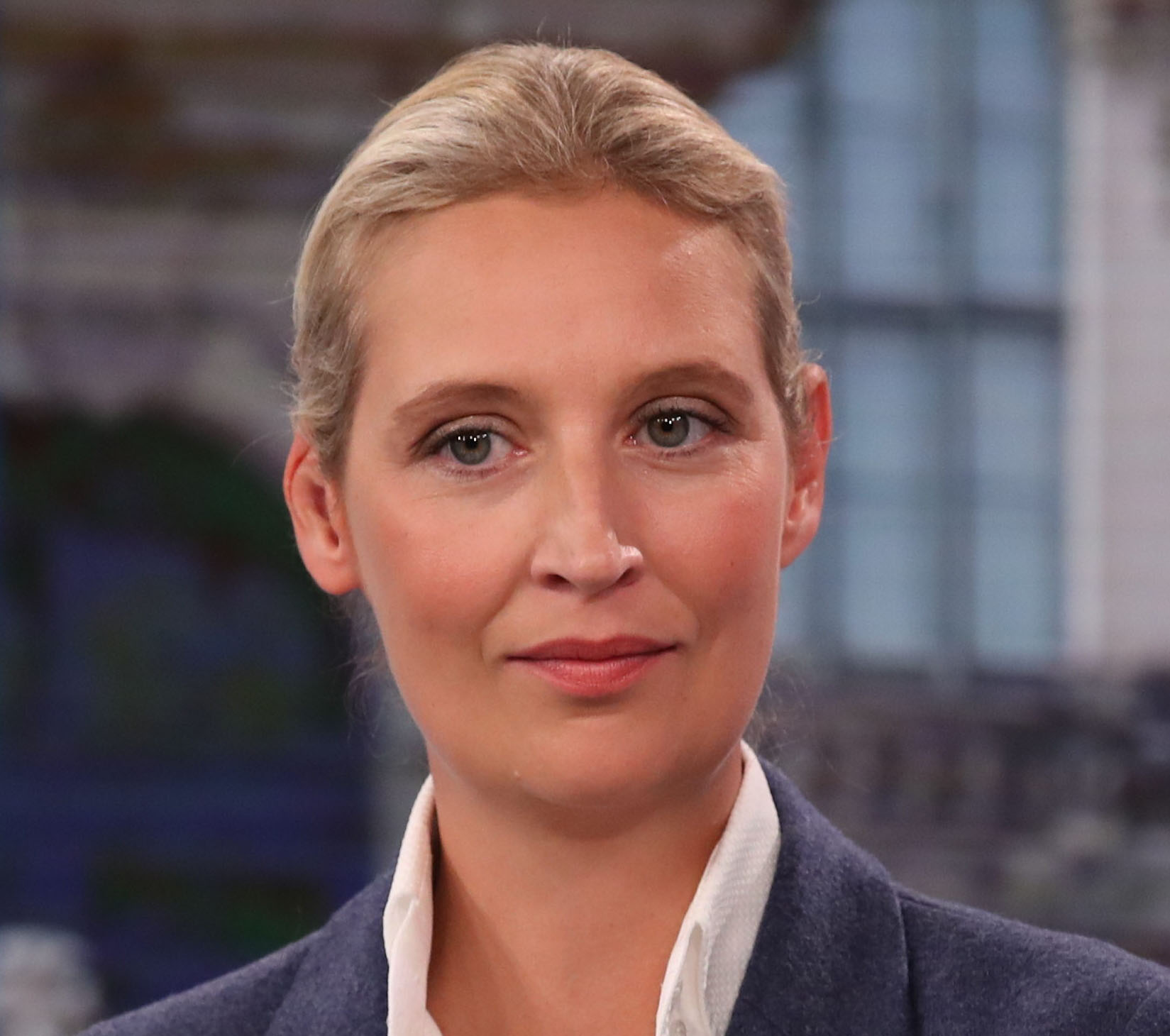
The issue is politically charged in Germany. The government opposes resuming imports, while Alternative for Germany, AfD, now reportedly the country’s most popular party among voters, wants to restore energy ties with Russia. Dmitriev is expected to meet with the AfD leadership early next year to discuss the possibility of once again selling Russian gas to Germany.
Michael Kellner, formerly responsible for energy policy in the German government and now in opposition, warns that a US-Russian agreement could come at Europe’s expense.
– This risks being a dirty deal that will cost Europe dearly, he told Reuters, claiming Americans and Russians would share the profits in such a scenario.
Poland and the Baltic states also oppose Europe making itself dependent on Russian energy again. The Polish government is following Nord Stream discussions but remains firmly against a restart, according to a source with insight.
Complicated Ownership Structure
Ownership arrangements around Nord Stream could also complicate any deal. Russian state-owned Gazprom owns 51 percent of the company behind the pipelines. Another 31 percent is controlled by two German interests, and the remainder by French and Dutch companies. The German shareholders reportedly want to keep their stakes to ensure German influence if Gazprom were to sell its majority share.
READ ALSO: Estonia Warns: Stop Plans to Restart Nord Stream
At the same time, significant security policy opposition exists to the entire idea. Earlier this year, the heads of five European intelligence agencies told Reuters they doubt Moscow genuinely seeks a swift end to the war. Their assessment was instead that Russia is trying to use talks with the US to open the door to new business deals.
Relations between Berlin and Moscow remain at a low point. Germany is one of Ukraine’s largest military supporters and has accused Russia of a systematic hybrid attack campaign.
Russian Lukoil Also on the Table
Nord Stream is not the only major energy project under discussion between American and Russian representatives. According to Reuters, Kushner and Dmitriev have also talked about the future of several European and international assets owned by the sanctioned Russian energy conglomerate Lukoil—including refineries and gas stations.
One model discussed is for a consortium consisting of the American DFC and investors from Qatar and the United Arab Emirates to purchase these assets. In connection with this, American authorities would in that case lift the relevant sanctions.
The White House confirms that Kushner and Trump’s special envoy Steve Witkoff, along with DFC, have worked on a structure regarding Lukoil that would give the US both a larger upfront payment and a right to a share of future profits. Neither Gazprom nor Lukoil wished to comment on the reports.
A swift return of Russian gas to Germany, however, does not seem likely. A US government source assesses that the political, legal, and economic obstacles are so extensive that a deal is unlikely, at least in the medium term.