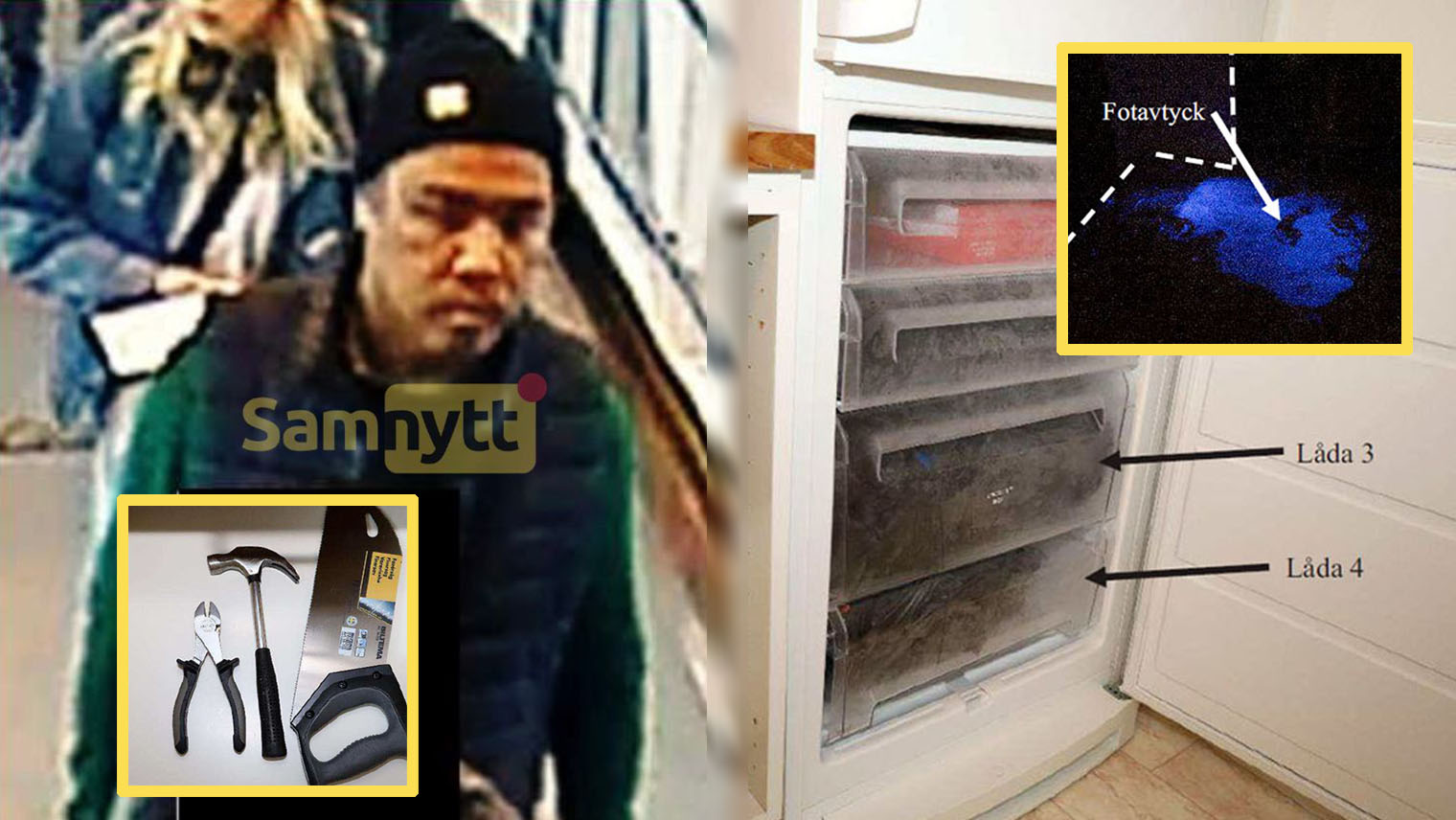
Kalmar District Court sentences 27-year-old home care employee Morteza Mirzayi to life imprisonment for murder and aggravated violation of grave peace against colleague Sharif Haidari. The verdict states that the murder was financially motivated and that the subsequent dismemberment was particularly callous. Mirzayi will also be deported from Sweden with a lifetime ban on returning.
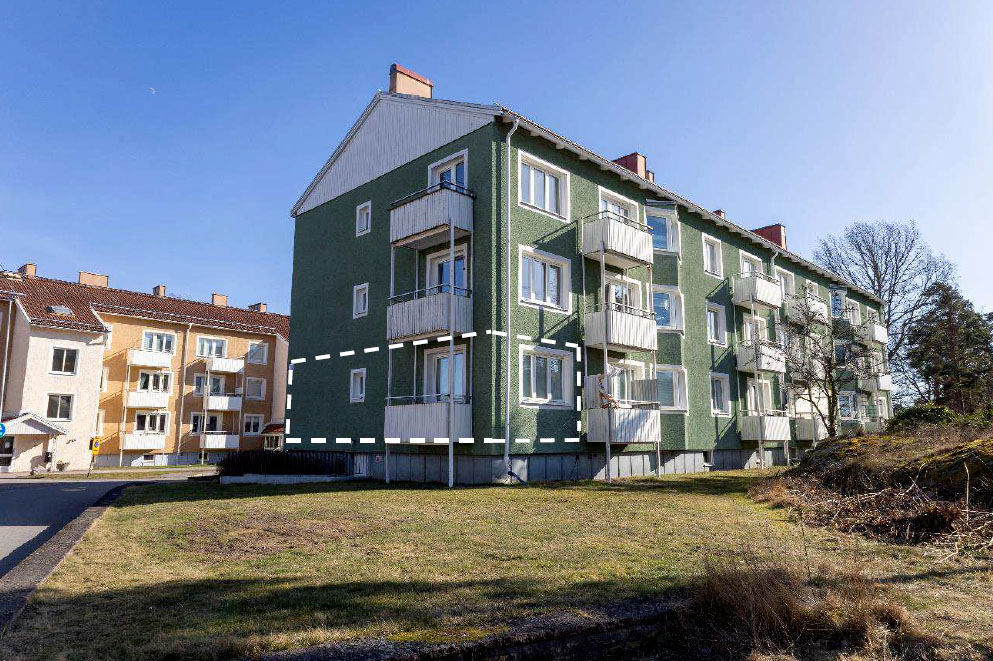
On the evening of January 2, 2025, 25-year-old Sharif Haidari finished his shift in the home care service in Oskarshamn. Shortly after, his mobile phone was registered in the apartment of his colleague Morteza Mirzayi, where the two were to meet according to the investigation. That was the last sign of life from Sharif.
When he didn’t get in touch in the following weeks, friends raised the alarm. On January 30, he was reported missing, which launched an investigation that soon took a dramatic turn.
Body parts in the freezer – blood in the apartment
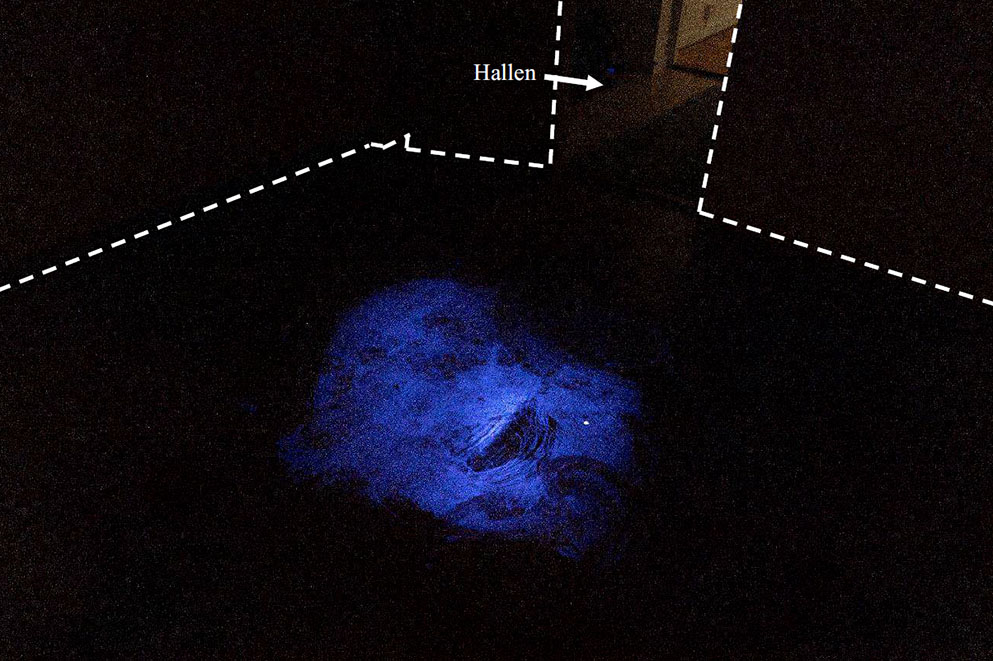
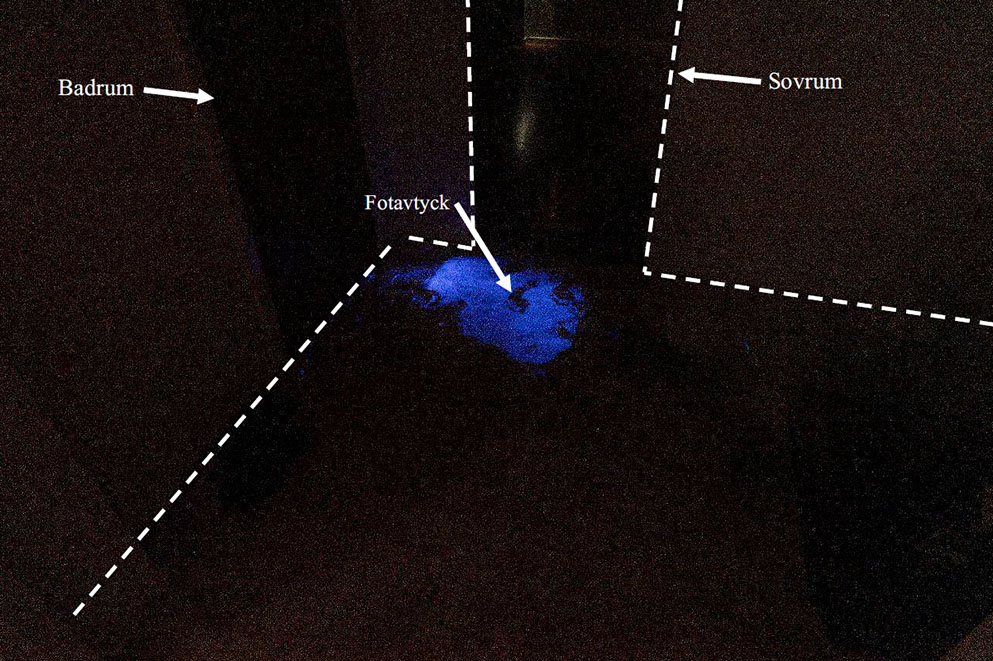
During a search of Morteza’s apartment on Terrassvägen on February 25, the police made a gruesome discovery: several plastic bags containing human remains were found in the freezer. Blood from Sharif was found in the bedroom and hallway, and tissue residue was discovered in the bathroom floor drain. Large parts of the body were missing and have never been recovered.
READ MORE: “Unaccompanied” Afghan charged with dismemberment murder—hid colleague’s body parts in the freezer
Forensic examination showed that the body parts found were severely damaged. A total of 342 injuries were identified. The exact cause of death could not be established, but the court noted that the extensive stab and cut wounds at least contributed to the death.
Financial motive: debts, gambling, and fraud
The verdict describes an acute financial crisis for Morteza, with large debts and severe gambling addiction. According to the court’s reasoning, this was the motive for the murder.
Minutes after Sharif arrived at the apartment, 30,000 kronor was transferred to Morteza via Swish. In the following days and weeks, Sharif’s BankID was used to transfer additional large sums, to take out a 100,000 kronor loan in his name, and to make deposits to gambling companies and crypto services. Overall, more than 220,000 kronor was involved.
Kalmar District Court ruled that the frauds were systematic and particularly callous, as they were committed after the victim had already been deprived of life.
The dismemberment was “of a particularly ruthless nature”
After the murder, the body was dismembered over a longer period. Internal organs were removed, skin was cut off, and parts of the skeleton were damaged. The court judged that this was meant to hinder establishing the cause of death and thus constitutes aggravated violation of grave peace.
READ MORE: Afghan suspected of dismemberment murder of compatriot in Oskarshamn—kept remains in freezer
The court describes the act as “of a particularly ruthless nature” and emphasizes the extreme violation inflicted both on the deceased and his relatives. This is central to the decision to impose a life sentence.
Denied—claimed a third man was responsible
Throughout the process, Morteza has denied the murder and claimed that an unknown man was in the apartment and committed the acts. The court completely rejects this story, stating that such a person did not exist and that the account is an after-the-fact fabrication.
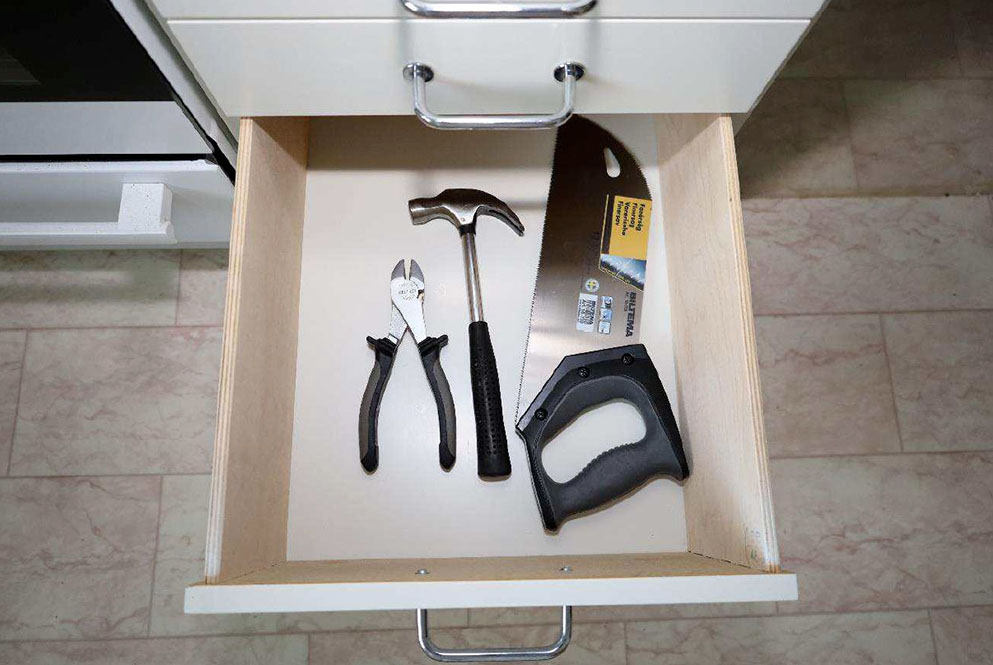
Technical evidence, DNA traces, digital searches, and bank transactions connect Morteza to the murder, dismemberment, and subsequent fraud, according to the verdict.
Life sentence and deportation
Besides life imprisonment, Morteza is also convicted of multiple counts of aggravated fraud and document forgery. He is to pay damages to the estate and creditors affected by the fraud. The court also orders his deportation from Sweden with a permanent re-entry ban, with violations subject to further imprisonment.
In its verdict, Kalmar District Court states that the total crime is among the most serious that can be tried in Swedish court and that there are no mitigating circumstances.
One of the most serious crimes in Oskarshamn
The case has been described as one of the most extensive and technically complex tried in Oskarshamn in many years. The trial featured detailed forensic evidence, comprehensive financial investigations, and a description of the act that the court called exceptionally brutal.
With today’s verdict, the legal process concludes in a case that has shaken both the home care workplace and the entire local community.
Fact: From “Unaccompanied Minor” to Life Sentence
Morteza Mirzayi came to Sweden in the autumn of 2015 as a so-called unaccompanied refugee minor.
He then claimed to be underage, around 16–17 years old. His exact age has since
remained unclear, but the authorities could not disprove the age he stated himself.
During the asylum process, Morteza stated that he had crossed several safe countries on his way to Sweden,
including Austria, Germany, and Denmark. After a few years in Sweden, he received permanent
residency. For a period, he also stayed abroad before returning and settling
in Oskarshamn.
In Sweden, Morteza studied and worked at the same time, eventually gaining permanent employment
in home care. There, he got to know his colleague Sharif Haidari. At the same time, he described
an increasing gambling addiction and ever more strained finances.
In recent years, Morteza stated that his family is in Iran and that he married there in 2023.
At the time of the legal proceedings he was an Afghan citizen with strong family ties to Iran.
Kalmar District Court notes in its verdict that his connection to Sweden does not weigh heavily enough
to prevent deportation after serving his sentence.