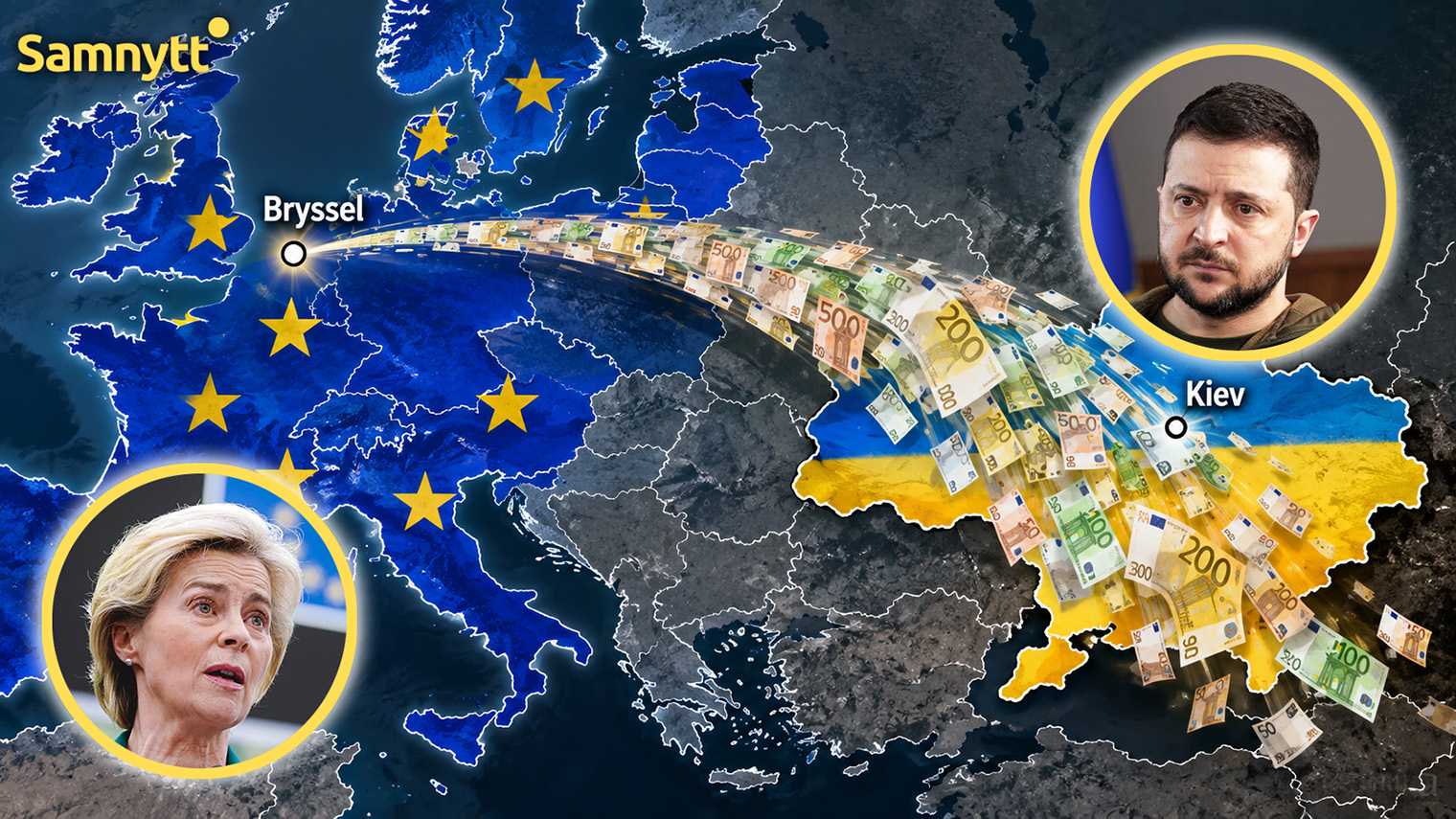
The EU has just begun paying out a new aid package of 90 billion euros to Ukraine. Now, Kyiv has announced that the money still will not be enough. For 2027, the country needs an additional 69 billion euros—equivalent to just over 750 billion SEK. The new bill is being met with growing frustration in Brussels.
Ukraine’s growing financing needs took center stage when the country’s most important international donors gathered in Brussels on Tuesday. In addition to the EU, representatives from the G7 countries, Norway, South Korea, and the International Monetary Fund (IMF) participated. This is reported by, among others, Le Monde.
The message from the Ukrainian delegation was that the aid packages already agreed on are not sufficient. As early as August, President Volodymyr Zelensky stated that Ukraine had a 27 billion dollar (about 23 billion euros) gap in the budget for 2026 alone.
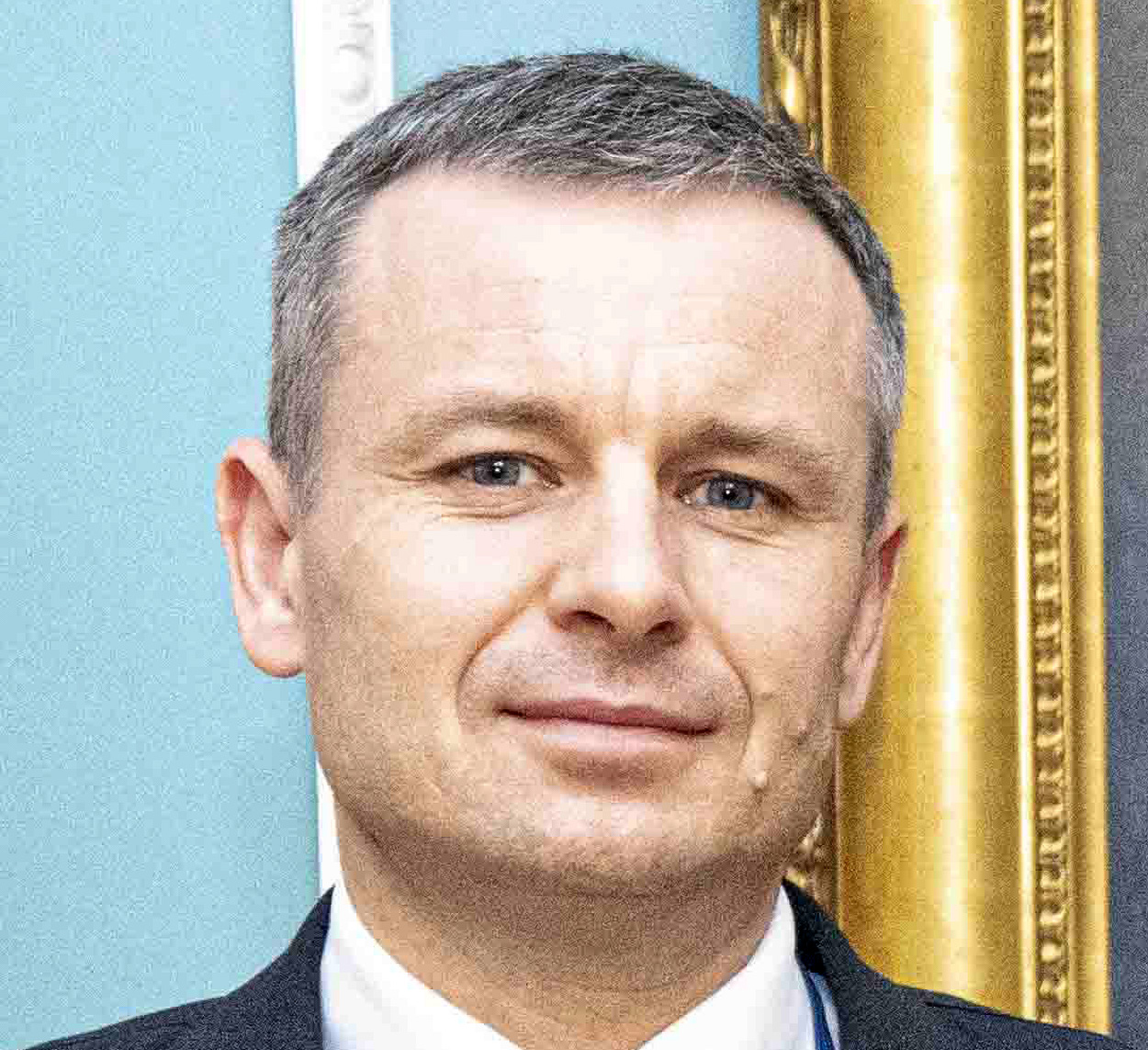
Ukraine’s Finance Minister Serhiy Marchenko stated during an appearance in Brussels that the government had since managed to reduce that amount. At the same time, he presented significantly larger needs for the next year.
Needs 69 Billion Euros in 2027
According to Marchenko, Ukraine needs to find around 69 billion euros for 2027. Of this, about 40 billion is to be allocated to military expenses and another 29 billion to the state budget and public sector.
Kyiv explains the deteriorating finances in part by pointing to intensified Russian bombings, which have hit the economy and reduced tax revenues. Meanwhile, problems with grain exports via the Black Sea are said to have led to a 60 percent decrease in agricultural exports, thereby reducing inflows of foreign currency.
The newly calculated need comes despite EU countries already having decided to jointly borrow 90 billion euros to finance Ukraine during 2026 and 2027. The idea has been to allocate 30 billion euros per year to military support and 15 billion to the Ukrainian state budget.
By mid-September, Brussels had already paid out 15 billion euros for the purchase of military equipment. EU Commissioner Marta Kos emphasized during the donor meeting that the EU and its member states, since the start of Russia’s full-scale invasion in February 2022, have provided nearly 225 billion euros in support to Ukraine and its people.
“Like Watering the Desert”
The new Ukrainian request has, according to Le Monde, sparked frustration in Brussels.
“It feels like we’re watering the desert,” a European diplomat told the newspaper.
The timing is also problematic. EU countries are negotiating the union’s next multi-year budget, with the Commission’s proposal including an additional 100 billion euros for Ukraine for the period 2028–2034. At the same time, Germany and several so-called frugal member states want to cut the EU’s total budget proposal by hundreds of billions of euros.
ALSO READ: Despite the Huge Loan – Ukraine Requests Another 250 Billion
Several major EU countries are also heading to the polls in 2027, making additional extensive commitments to Ukraine politically sensitive.
No decision on the new funds has yet been made. According to a diplomat, the EU is awaiting more detailed information from Kyiv before the issue can be further processed. It is expected to come up when EU finance ministers meet on October 9 and possibly also at the European Council meeting later that month.
15 Billion Still Not Paid Out
Meanwhile, EU representatives point out that Ukraine still has not gained access to 15 billion euros already set aside for the state budget. The payout is tied to reform requirements from the EU, including measures against corruption. Over the summer, several corruption cases have involved people in Zelensky’s inner circle.
“Our message to our Ukrainian friends is clear: Implement the reforms we’ve agreed upon, so we can continue to provide you with economic support,” says Marta Kos.
Marchenko states that the Ukrainian parliament is expected to resume work on the reforms in mid-October. He simultaneously objects to certain demands from Brussels that would mean new taxes.
“It’s not the right time to raise taxes for our companies, which are already suffering greatly,” he says.
Russian Billions Back on the Table
The European Commission is now exploring several ways to find more money without immediately deciding on yet another large joint loan. One option is to use about 20 billion euros remaining from the EU’s 150 billion euro loan program for European rearmament.
The money could, for example, be used to finance drones and air defense for Ukraine. The problem is that individual member states would then have to bear the repayment of the loans, something that Le Monde notes is currently seen as politically very difficult to secure acceptance for, particularly in Germany and France.
ALSO READ: Ukraine Lacks Another 300 Billion to Continue the War
Money from the European Peace Facility could also be used. Another alternative would be to bring forward some of the support payments originally intended for 2027, although that would only postpone the financing problem.
This once again raises the issue of the approximately 210 billion euros of Russian state assets that have been frozen in Europe since the beginning of the war. About 180 billion euros are held by the financial institution Euroclear in Belgium.
Ukraine has long demanded that these assets be seized. Germany, together with Sweden and the Netherlands, has previously pushed the issue, while Belgium has opposed confiscation due to the legal and economic risks involved.
The discussion is now expected to pick up again as Ukraine seeks tens of billions of euros more. Fabian Zuleeg, head of the think tank European Policy Centre, meanwhile warns that even the frozen Russian assets would not solve the long-term problem.
“Even if we used the frozen Russian assets, it would be a temporary solution. Europe must consider a sustainable and permanent solution,” he says.
The needs, according to Zuleeg, are expected to remain very large both during the war and throughout Ukraine’s future reconstruction.