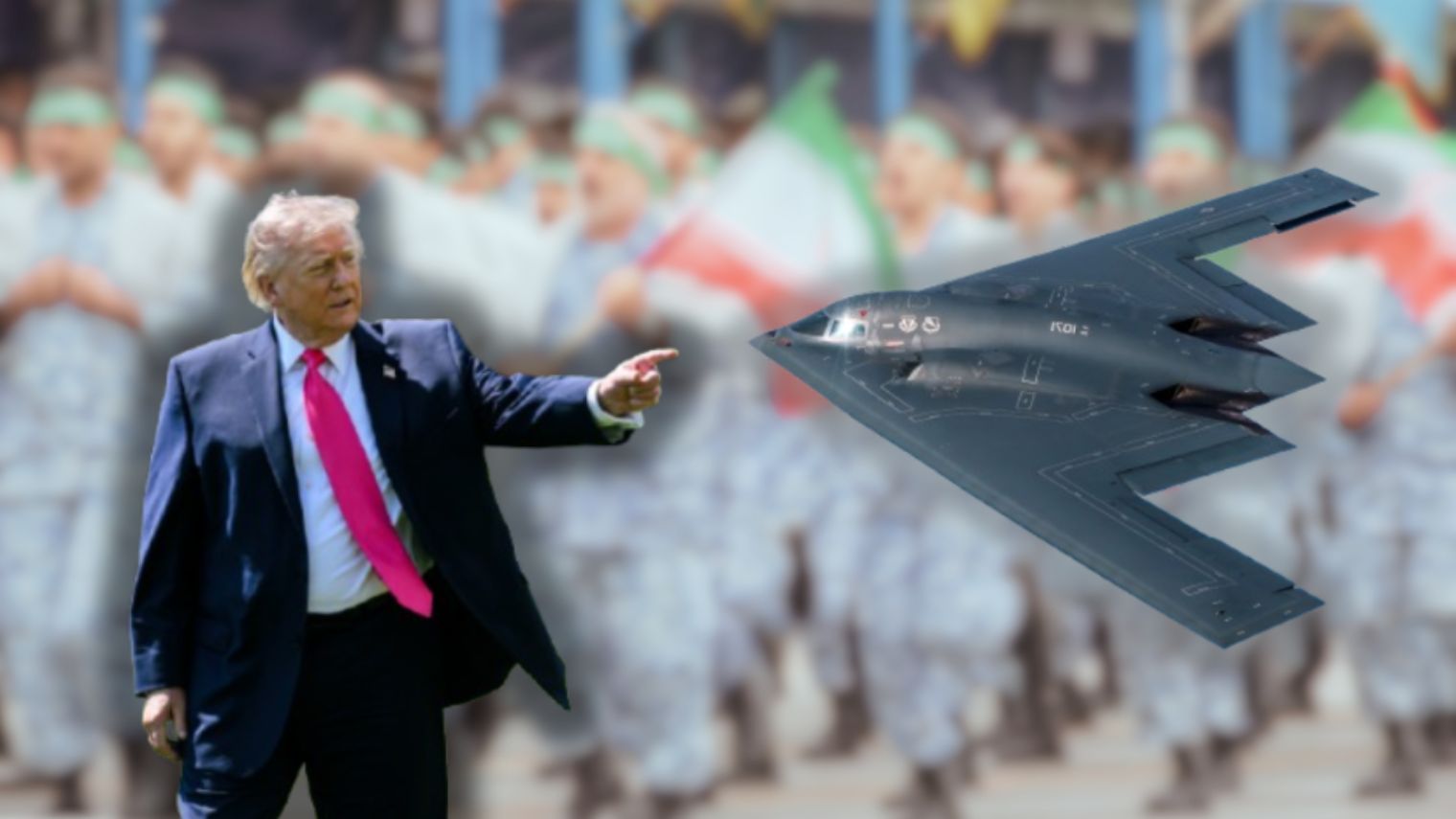
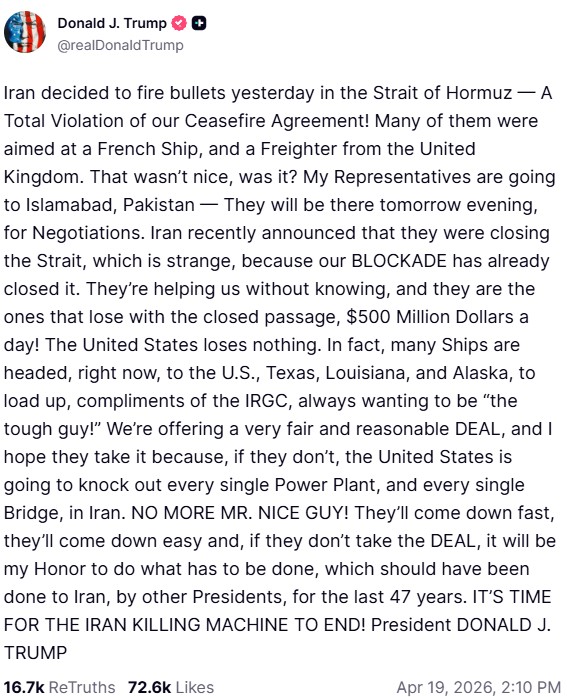
The situation in the Strait of Hormuz continues. Iran has repeatedly closed the strait, fired on ships, and warned that anyone approaching may be considered a military target, while the US has responded with threats of a blockade and military action.
The crisis escalated after the US and Israel carried out attacks on Iran and killed the country’s highest leader, Ayatollah Khamenei. Iran responded with extensive counterattacks against Israel and several neighboring countries. This set off a chain reaction in which the Strait of Hormuz—the world’s most crucial oil route—became Iran’s primary tool for exerting pressure.
At the same time, Iran began mining the strait and launching attacks on merchant vessels, to which the US responded by destroying 16 Iranian mine-laying ships. This laid the foundation for the current blockade and the dramatic developments of recent days.
READ ALSO: Trump: The Strait of Hormuz is Open
After peace talks between the US and Iran in Islamabad broke down after 21 hours of negotiations, Donald Trump announced that the US will block all traffic to and from Iranian ports. The blockade is to stop all ships—regardless of flag—trying to pass without American permission. The US has also warned that any ship firing on American targets will be destroyed.
The Iranian Revolutionary Guard has warned that all military ships approaching the strait violate the ceasefire and can be considered legitimate targets. The country has also previously made it clear that the strait is closed and that ships passing through risk being attacked.
READ ALSO: Peace talks between the US and Iran have collapsed
Several incidents have occurred over the weekend and Monday. The US boarded the Iran-flagged cargo ship Touska after it attempted to break the blockade. Video footage shows US Marines rappelling down from a helicopter. The US was then fired upon by Iranian drones, according to Iranian sources.
On Saturday, over 20 ships passed through the strait when Iran temporarily opened it, the highest figure in over a month. But shortly thereafter, it was announced the strait was closed again. This constant swinging between opening and closing creates great uncertainty in world markets.
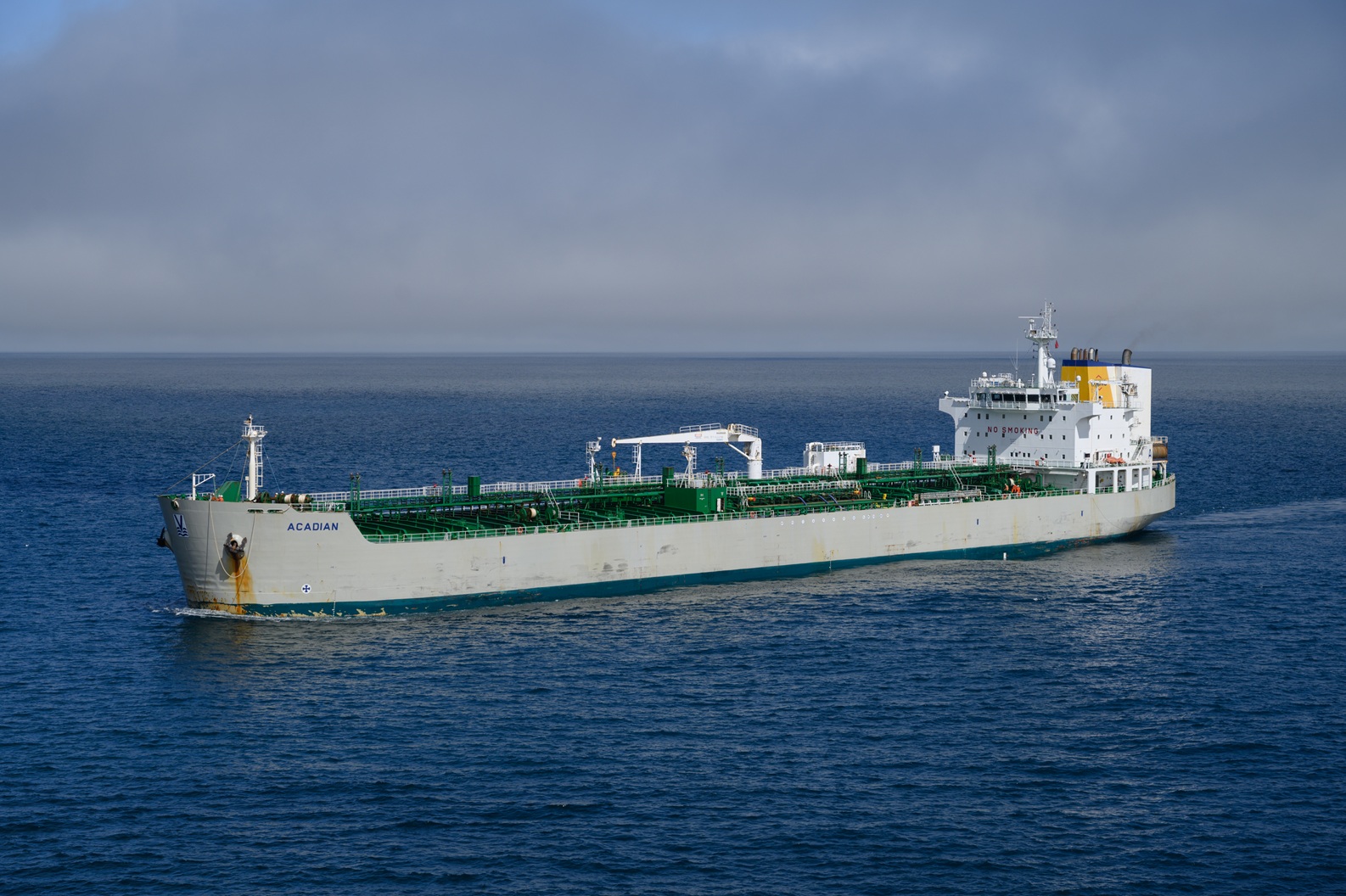
Oil Prices
The unrest has led to a sharp rise in oil prices, and the market reacts to every new announcement of a blockade or attack. The strait has become central to the conflict, and Iran is using it to pressure the US and the world, while the US is trying to neutralize Iran’s influence through military control.
The ceasefire, in place for a couple of weeks, is only valid until Wednesday. The US wants new negotiations on Tuesday, something Iran says it is not prepared for.
READ ALSO: The war in Iran accelerates the EU’s climate agenda – while taxes on fossil fuels are increased