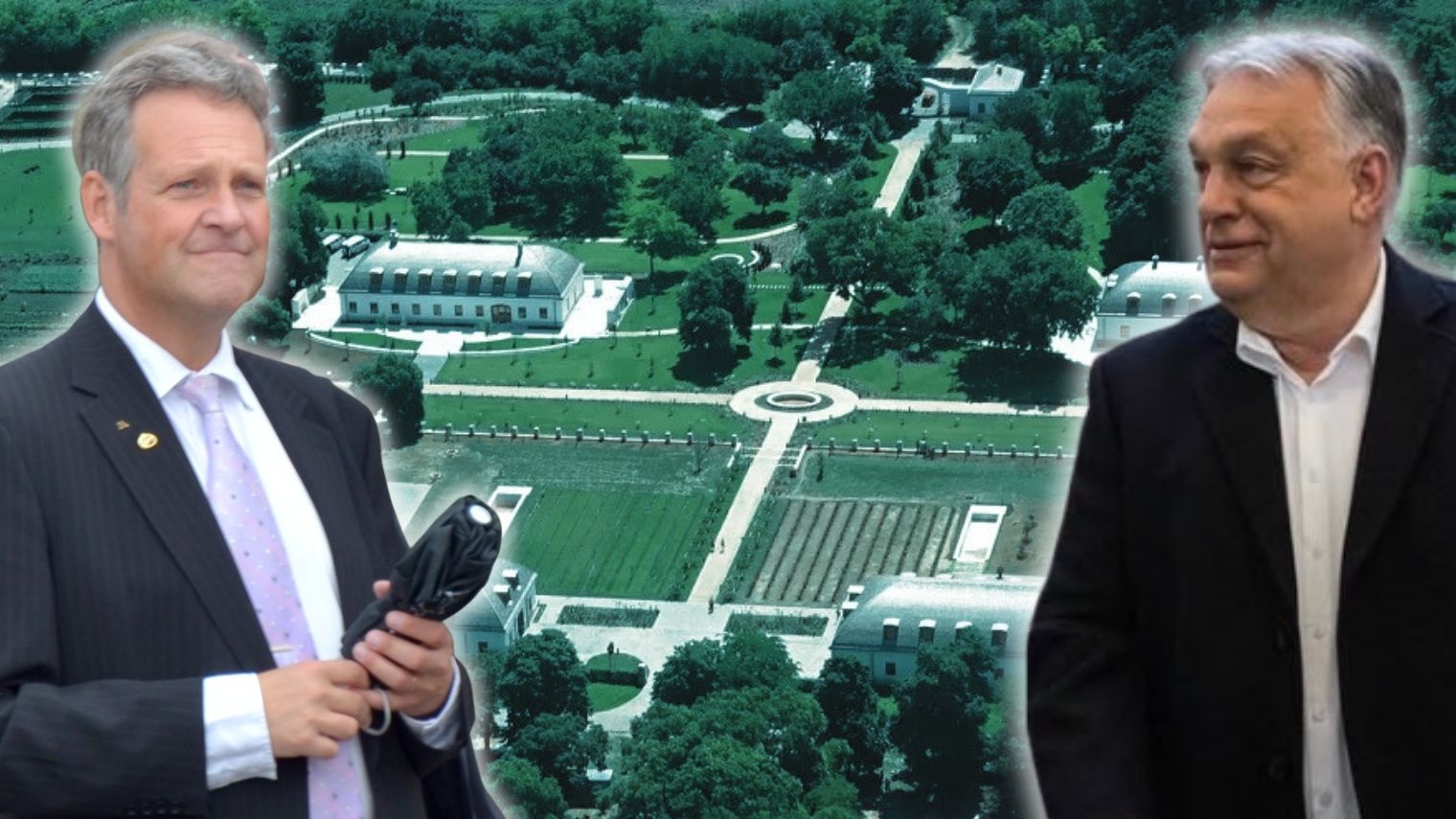
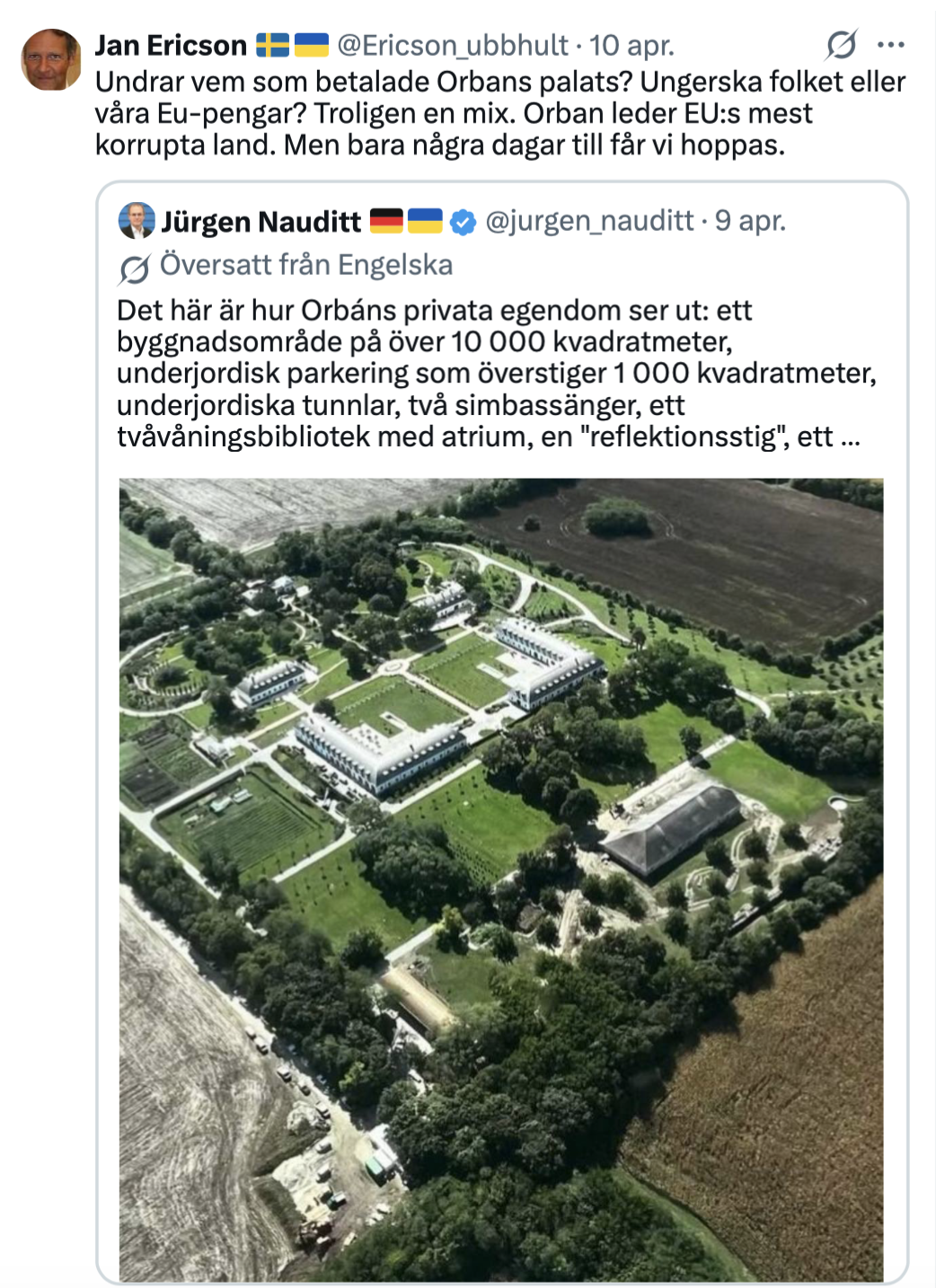
When Member of Parliament Jan Ericson (M) once again enters the foreign policy debate, it is with great confidence – but limited fact-checking. This time, the veteran Moderate accuses Hungary’s Prime Minister Viktor Orbán of corruption, based on a widely circulating image of a property. The claims proved misleading, but that didn’t stop Ericson from speculating that tax money might have funded the estate and responding mockingly when questioned. At the same time, a striking silence prevails regarding his favorite country, Ukraine – a country that, according to Transparency International’s Corruption Perceptions Index (CPI), ranks significantly lower than many EU countries and receives substantial multi-billion support from EU taxpayers, despite recurring corruption problems.
The Moderate Jan Ericson shares an image of a property linked to the Orbán family in a social media post and begins speculating about how the estate might have been financed. The reasoning quickly shifts from observation to insinuations of corruption, even though the actual ownership details remain unclear.
READ ALSO: Election in Hungary: Orbán or Magyar?
The property in question is the historic Hatvanpuszta manor, an estate with roots in the 19th century.
“It’s His Father’s Farm”
Erik Almqvist, former economic policy spokesperson for the Sweden Democrats and a long-time resident of Hungary, has responded to the Moderate’s criticism and offered a more nuanced account of the corruption allegations circulating on social media.
Almqvist points out that this is not the prime minister’s private property, but a farm that Viktor Orbán’s father bought about 15 years ago and subsequently renovated. He further notes that similar older estates in the Hungarian countryside have previously been for sale for relatively modest sums.
The former Sweden Democrat MP, who is well-acquainted with Hungarian politics, also emphasizes that he’s seen no indications that taxpayer funds were used in the property project and that it is his father’s business activities that reportedly generated the money.
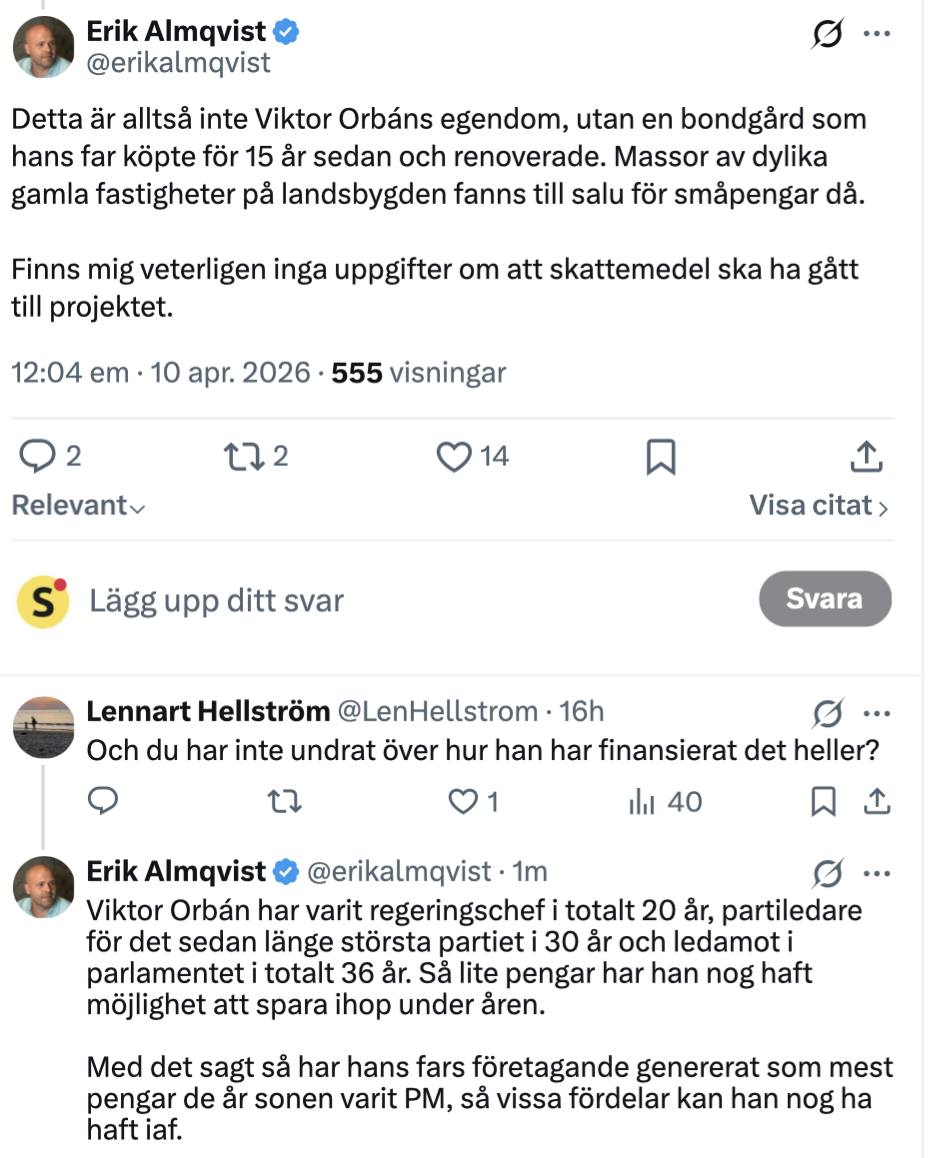
Almqvist is not the only one to react to the post. Many other accounts have also commented, several of them questioning the Moderate MP’s statements with counter-questions. In one thread, Ericson is urged to fact-check his claims, to which he responds in a tone perceived as dismissive toward his critics.
The top Moderate answers by dismissing the explanations somewhat mockingly, saying he doesn’t really believe them.
“Okay. Seems totally fine. No signs of corruption at all. Just close your eyes and move along.”
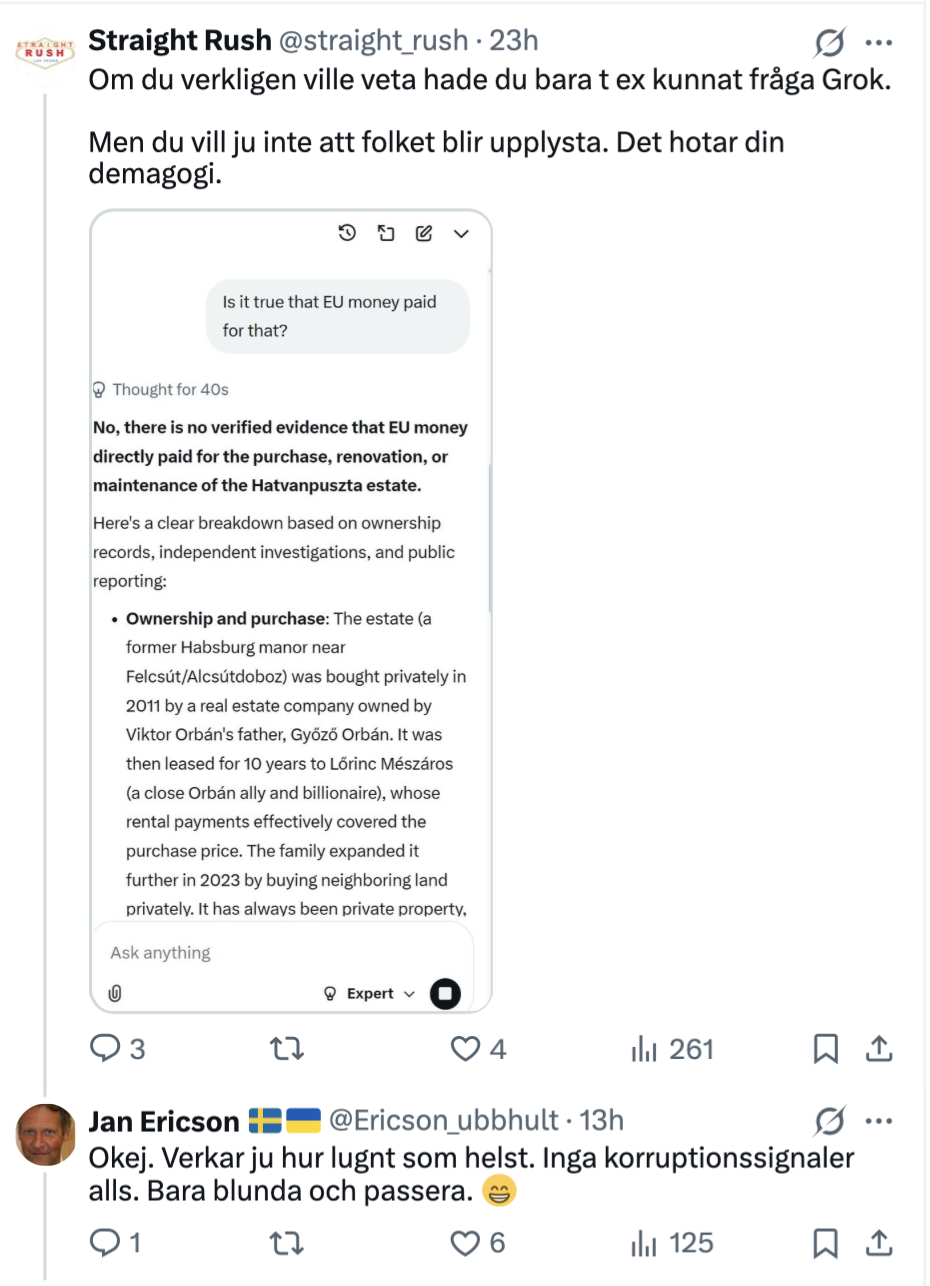
A remarkable impression arises as Moderate MP Jan Ericson, who frequently features an explicit show of support for Ukraine on social media—including the Ukrainian flag in his profile name—at the same time levels harsh corruption accusations at other European countries. This happens without a comparable critical scrutiny of the large sums flowing to Ukraine from Sweden, the EU, and NATO.
Sweden’s military and civil support to Ukraine amounts to around SEK 128 billion. Added to that are extensive support initiatives from both the EU and NATO countries. Sweden is one of the larger per capita European contributors to help for Ukraine.
READ ALSO: Professor: 30 percent of support to Ukraine disappears in corruption
Meanwhile, according to Transparency International’s Corruption Perceptions Index (CPI), Ukraine repeatedly ranks around 104th in the world, indicating far higher perceived corruption than many EU countries. Hungary, at the same time, fares better in the same surveys, at around 75th place. Against that backdrop, it appears inconsistent when sharp corruption accusations are levelled at certain countries, while others with worse international rankings rarely face the same public scrutiny.
Discussing corruption in Europe demands consistency – something often lacking in the political debate. Ukraine has long suffered from extensive corruption issues and, according to Transparency International, ranks around 100th :censored:6:cdd6bbaa89:ly. Despite reforms and repeated anti-corruption promises, structural deficiencies persist—especially in the link between political power and economic networks.
READ ALSO: Zelensky’s minister funneled over a billion to tax haven
Under Volodymyr Zelensky, conflicting signals have become increasingly apparent. While the government highlights its fight against corruption, the country has been rocked by one of its biggest scandals in recent years. In the so-called “Midas” investigation, Ukrainian anti-corruption authorities uncovered a large-scale bribery system in the energy sector, where around 100 million dollars is suspected to have been embezzled via procurement and kickbacks—funds that were transferred to the tax haven of the Marshall Islands.
This investigation has had far-reaching political consequences. The former Energy Minister, and later Justice Minister, Herman Halushchenko has been forced to resign and subsequently charged with money laundering and involvement in a criminal organization. At the same time, individuals closely connected to the president have been implicated in the affair.
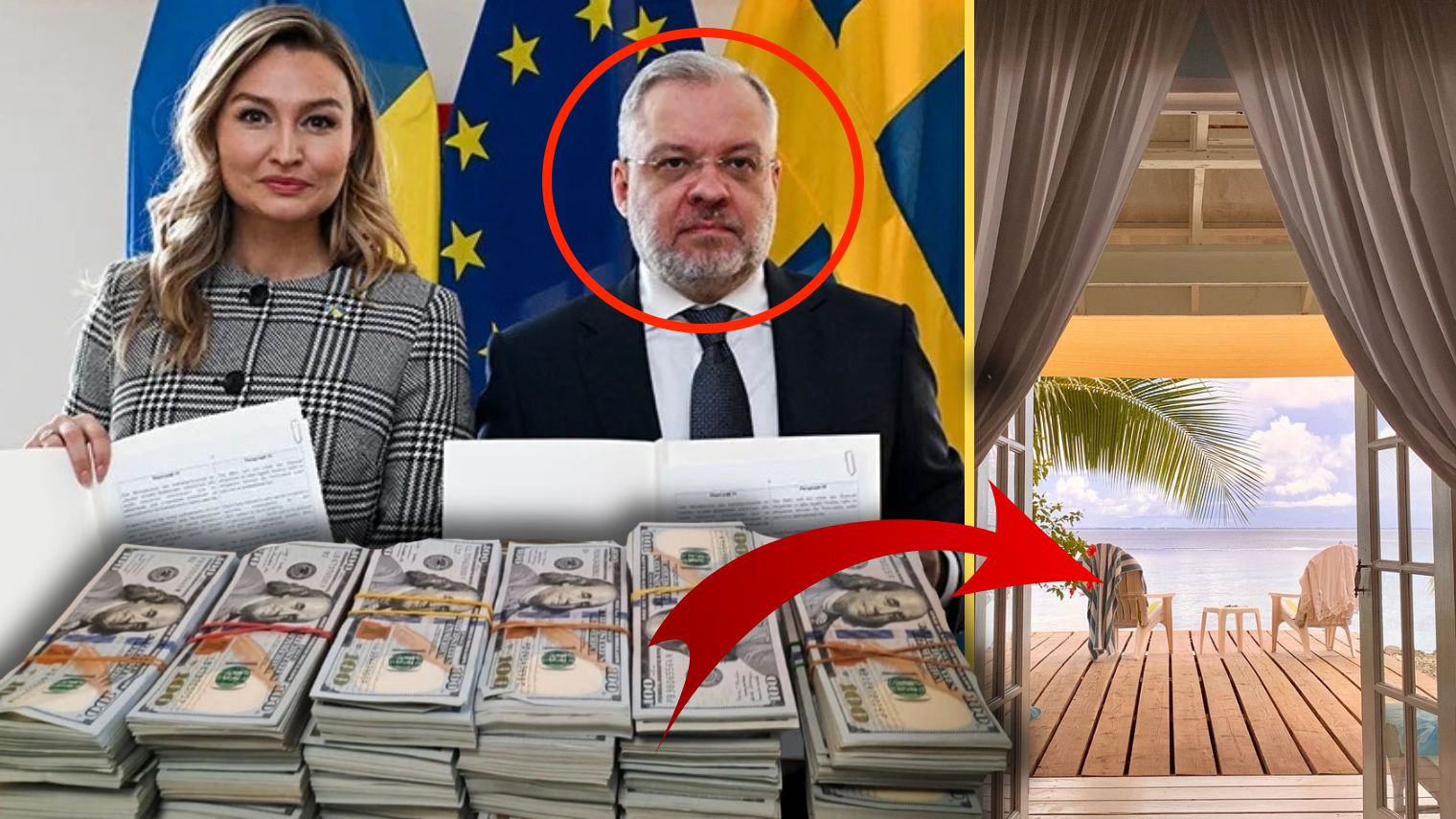
Another case in Ukrainian President Volodymyr Zelensky’s inner circle involves his former chief of staff Andriy Yermak, who reportedly resigned after his residence was searched by anti-corruption authorities as part of the same investigation. Multiple reports describe how networks around the government and state-owned companies are suspected to have been involved, which further contributes to the perception of a system long marked by informal power structures.
READ ALSO: Zelensky’s closest aide RESIGNS after anti-corruption raid
Against this background, it appears selective when criticism of corruption is directed one-sidedly at Hungary. Although Hungary has well-documented problems and ranks relatively low within the EU, it nevertheless places significantly better than Ukraine in the same international comparisons. To harshly criticize one country for corruption while at the same time expressing clear support for another with a worse ranking in the index risks appearing less as a consistent and principled stance and more as selective criticism chosen to fit the argument.
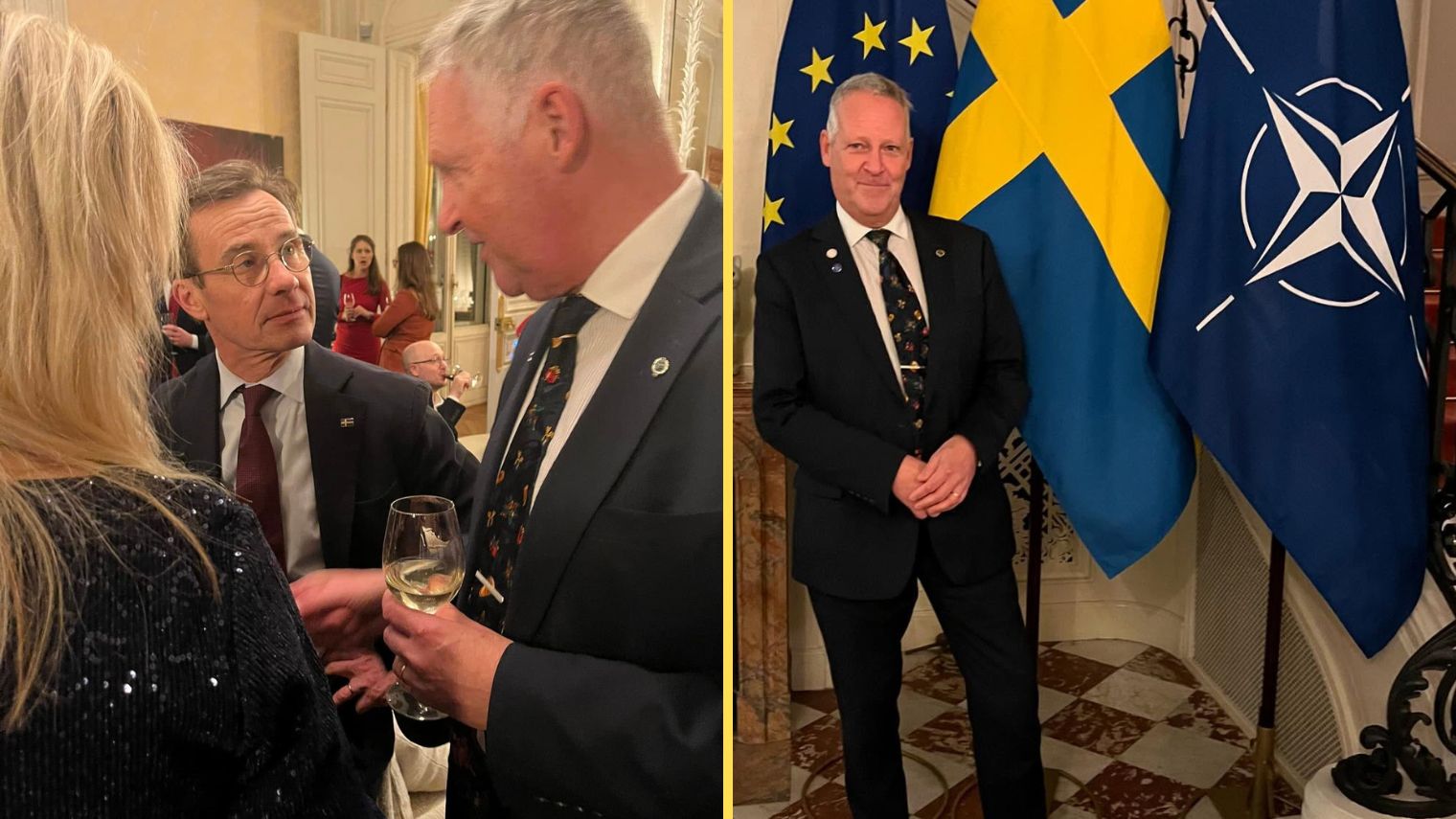
History of Not Fact-Checking
The Moderate MP has on several occasions faced severe criticism on social media for making statements about things that later turned out to be incorrect.
READ ALSO: Top Moderate attacks the White House: “They must be bought by Putin”
One such example was when he accused the White House of being bought by Putin, after sharing a post from a parody account on social media and mistakenly claiming it was an official account.
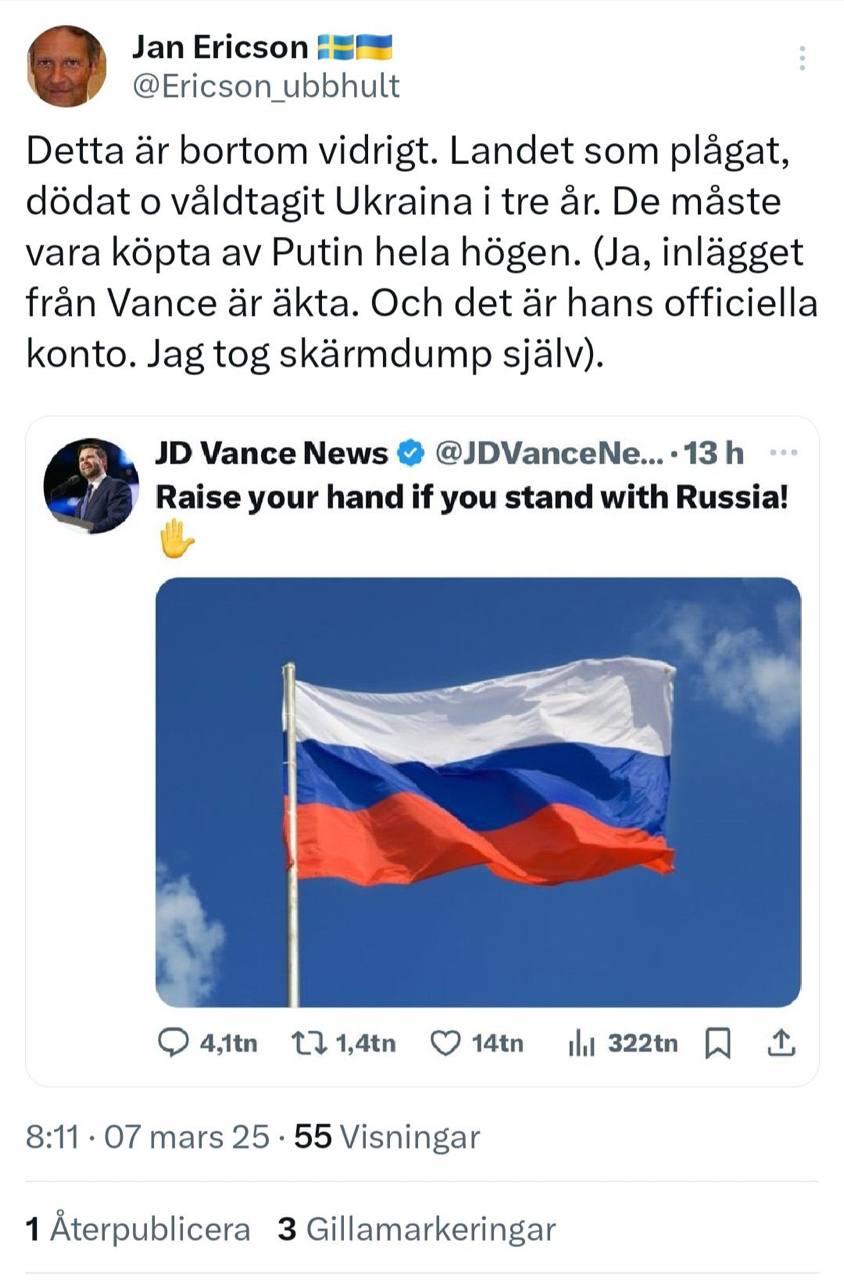
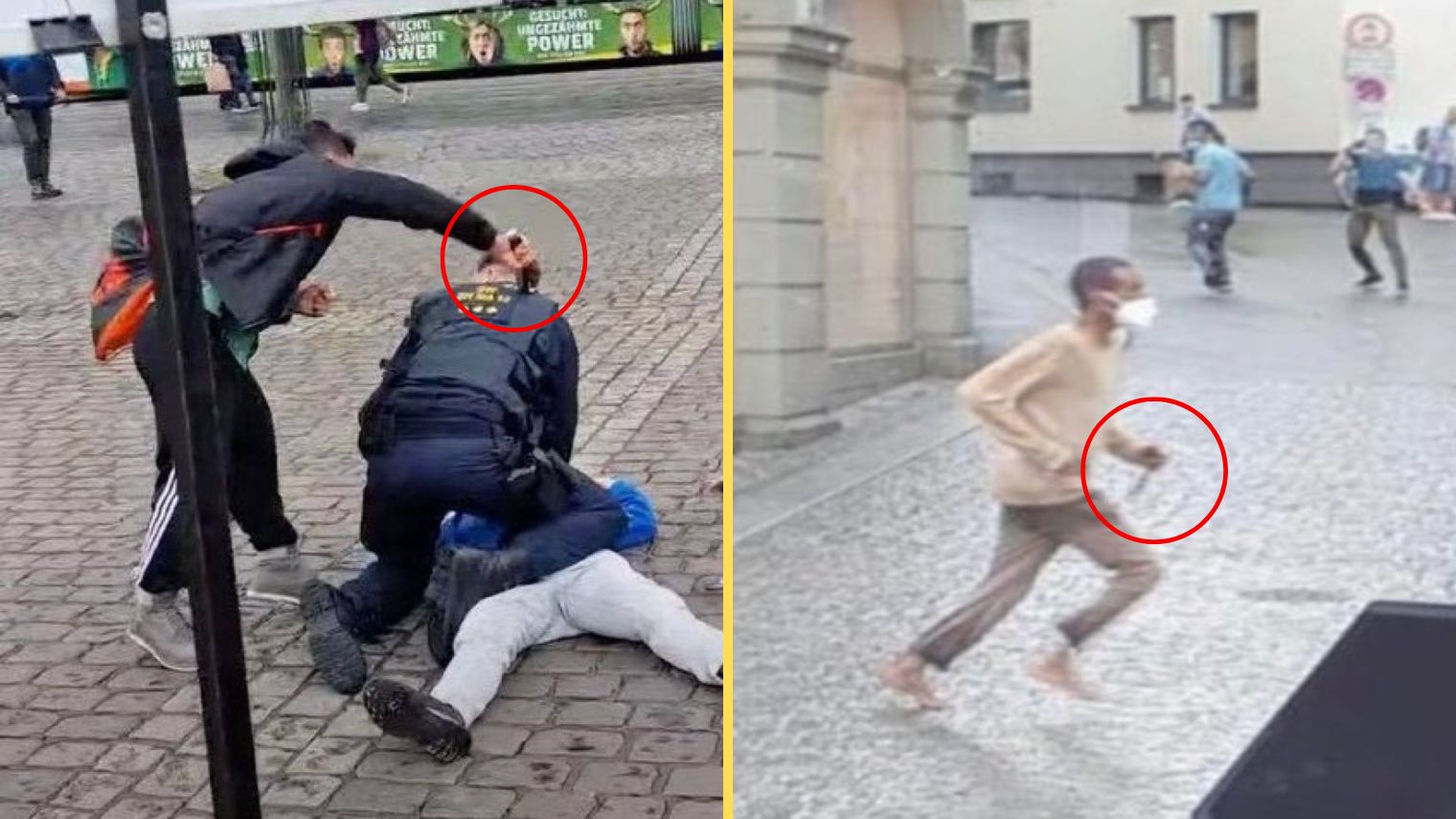
But it doesn’t stop there. Jan Ericson has also turned attention toward Germany’s second-largest party—which in some polls is also described as the largest opposition party—and claimed that the party is in collusion with a foreign power.
In the same context, he linked violent crimes in the country to a broader political context of migration, claiming these could be influenced or exploited in a larger geopolitical game.
READ MORE: Top Moderate suggests the AfD and ‘foreign power’ are behind the knife attacks in Germany
In a later post, the top Moderate writes:
“Strange that just in the weeks before a German election, there are an unusual number of knife attacks in various locations in Germany. The latest just tonight. The day before the election. Which is exploited by extremist parties. A coincidence?”
He then continues with speculation about whether a “foreign power is behind it, trying to influence the election.”