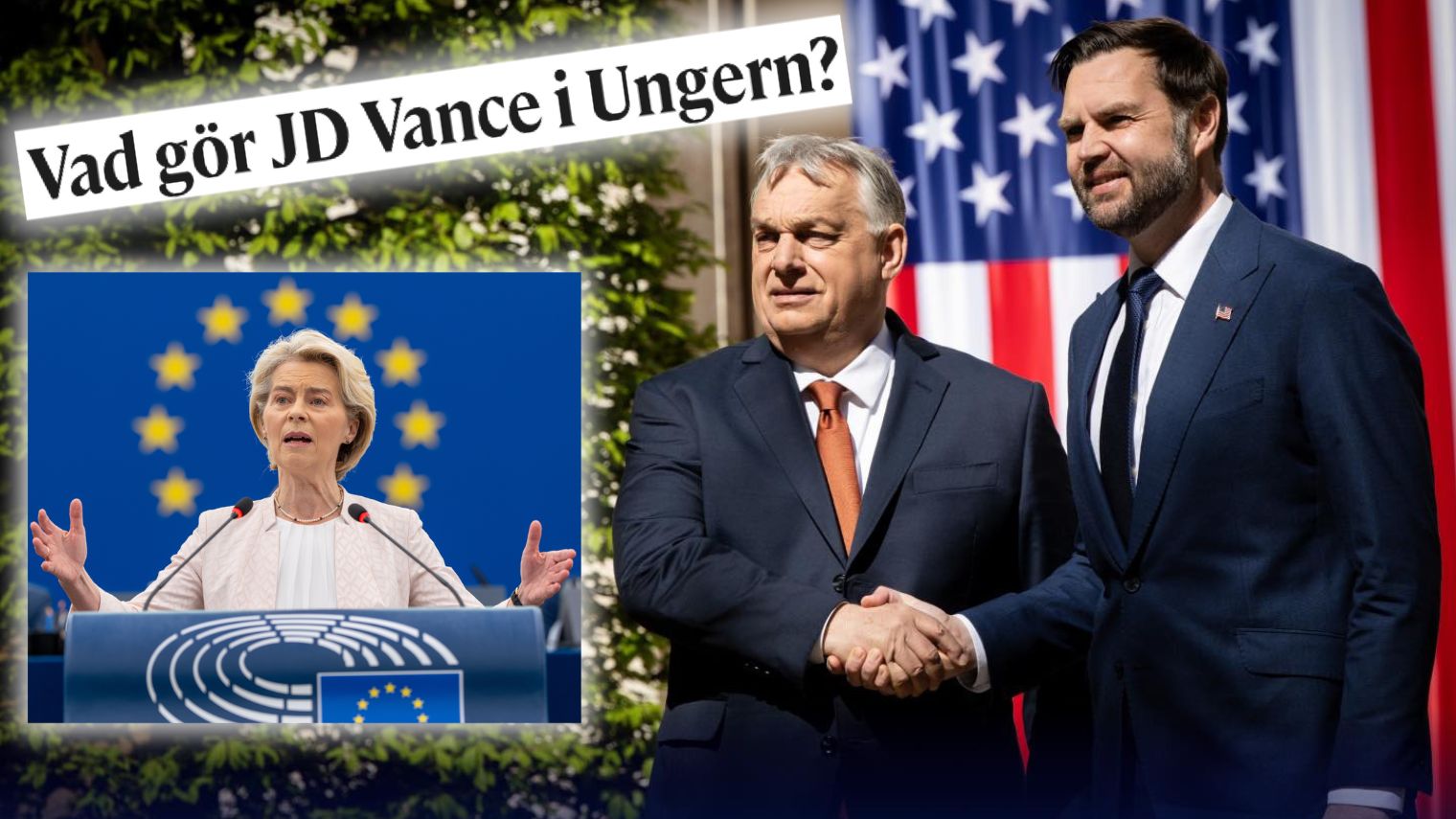
EDITORIAL • Kvartal criticizes US Vice President JD Vance’s visit to Budapest, describing it as a departure from diplomatic norms when he openly expresses support for Viktor Orbán’s government ahead of the Hungarian election. It is portrayed as if Vance is thereby “interfering” in Hungarian domestic politics. The question is why precisely this type of open political stand is deemed a breach of norms, while other—often more far-reaching left-liberal—influences in European politics seldom are.
It is Kvartal’s reporter Pelle Zackrisson who raises the criticism against the Trump administration’s support for Orbán ahead of Sunday’s election under the headline “What is JD Vance doing in Hungary?” The core of the argument is that a sitting American vice president is openly supporting a political line in another country’s election campaign, something described as a breach of established diplomatic norms.
Having opinions about Orbán per se is not controversial—his policies are disputed in large parts of the EU and he has ruled Hungary for two decades. But that is also what Hungarians have chosen in democratic elections. However, the question at hand is not Orbán as a person, but where the line is drawn between political support and undue interference in another country’s politics – and why that line appears to be applied differently depending on who acts.
READ ALSO: US Vice President JD Vance: EU and Ukraine are Trying to Influence the Election in Hungary
The liberal newspaper describes Vance’s two-day visit ahead of the election as remarkable and uses phrases suggesting the Trump administration risks being seen as “losers” if Orbán is defeated. At the same time, the EU-friendly and liberal opposition’s Péter Magyar is singled out as a favorite in several polls.
But what Vance did in Budapest reaches a whole new level. There is a difference between campaigning in another country as an opposition politician and, as a sitting US vice president, taking the stage and urging another country’s voters to support a specific candidate.
Flying with Air Force Two to Budapest and participating in a campaign event four days before the election is to interfere in another country’s domestic politics.
This is fundamentally problematic. From a sovereignty perspective, it is, to say the least, questionable for a sitting vice president to so blatantly meddle in another country’s election.
- From the Kvartal article
In this interpretation, Vance’s open support is problematic specifically because it occurs in an election context and in front of voters. At first glance, Kvartal’s point may sound obvious—diplomacy should be restrained and elections are national affairs. In an ideal world, it would be a self-evident principle, not something reduced to political gamesmanship. In practice, however, it is applied much more selectively.
Meanwhile, the more structural influence exerted by the EU and parts of the left-liberal political sphere—including parties, media, and organizations—toward Hungary is ignored. Frozen funds, conditional payments, fines, and constant political smearing and campaigns have in practice become part of everyday life for Orbán’s government. In addition, there is a growing network of left-liberal and asylum-activist organizations and actors receiving external funding and contributing to influencing domestic opinion.
Péter Magyar has effectively become a clear EU-friendly favorite in the election, elevated by establishment media and political actors as a reform alternative with promises of closer ties to Brussels and restoring access to frozen EU funds. This in practice requires a policy shift away from Orbán’s line and greater alignment with EU demands, where adherence to Brussels’ values becomes a central part of the relationship.
At the same time, Viktor Orbán is consistently portrayed as almost a Russian agent—a political stumbling block for EU cooperation and a leader making Hungarians poorer. He is depicted as an authoritarian leader, his democratic legitimacy is questioned, and he is repeatedly accused of undermining rule of law principles. The EU-friendly opposition, on the other hand, is packaged as a perfect solution to all problems.
Moderate Party Lying About Orbán – Closing Their Eyes to Their Own Favorite
Swedish politicians are generally active in commenting on and criticizing elections and political processes abroad, particularly where regimes are seen as problematic. Several have even implied that Hungary ought to leave the EU because of its opposition to certain union policies.
One such politician is MEP Tomas Tobé (M), who has repeatedly been involved in issues tied to Hungary and Viktor Orbán’s government.
During the ongoing election campaign in Hungary, he has accused Orbán of corruption and described him as a “Trojan horse for Putin.” At the same time, it is interesting to note how he differentiates between different forms of election influence.
He criticizes others for undue interference in elections and claims this is unacceptable, while himself advocating that the EU “review” ways of increasing election supervision—even outside the union.
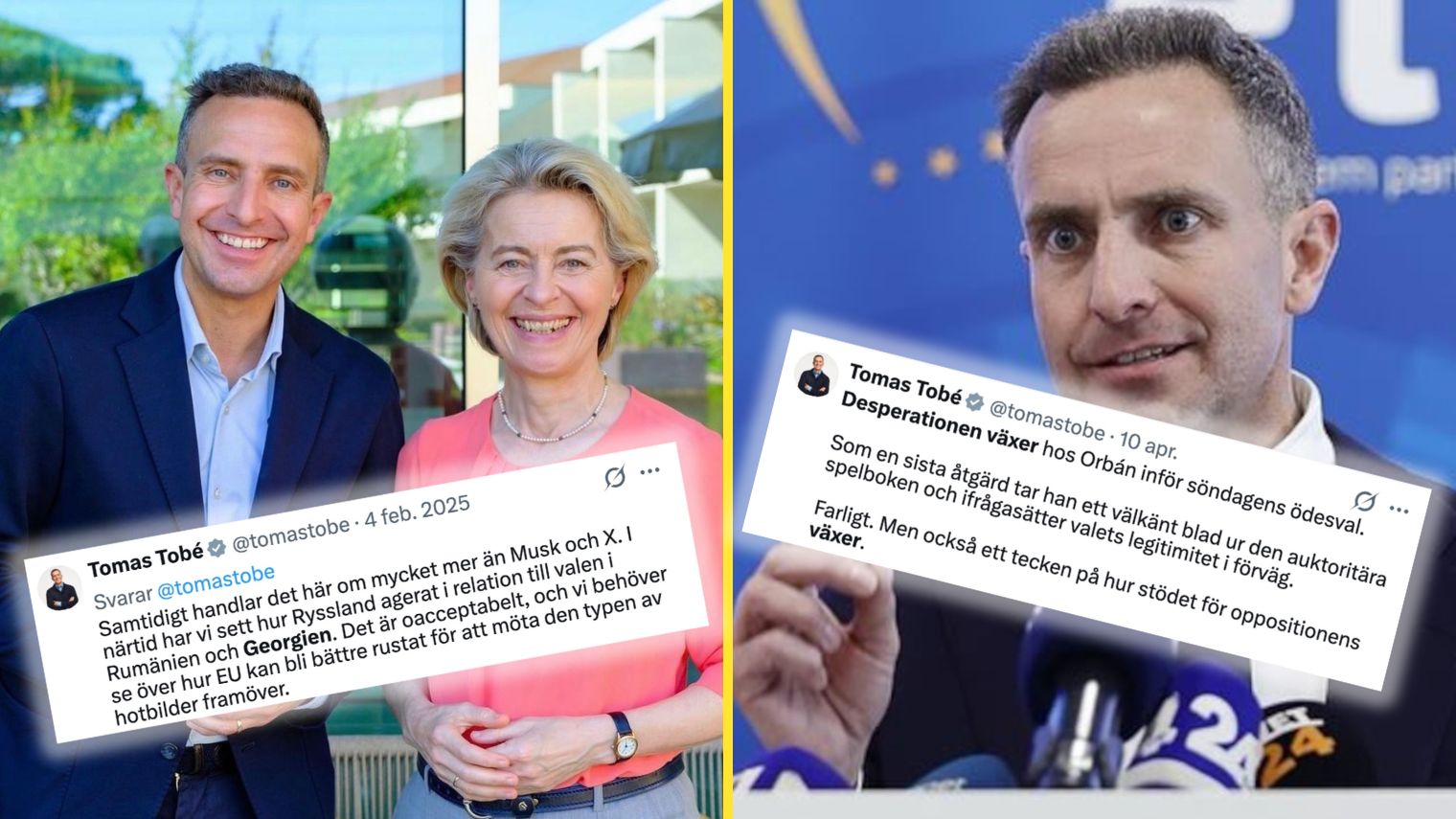
But the most remarkable thing is not that. Rather, it’s that in his statements Tobé claims Orbán is using an “authoritarian playbook,” effectively questioning the upcoming election’s legitimacy in advance—even though Orbán has pointed to suspected interference by foreign intelligence actors in the election process, not questioned the legitimacy of the election itself.
– This is an organized attempt to use chaos, pressure, and international smear campaigns to question the Hungarian people’s decision, wrote Orbán on Facebook.
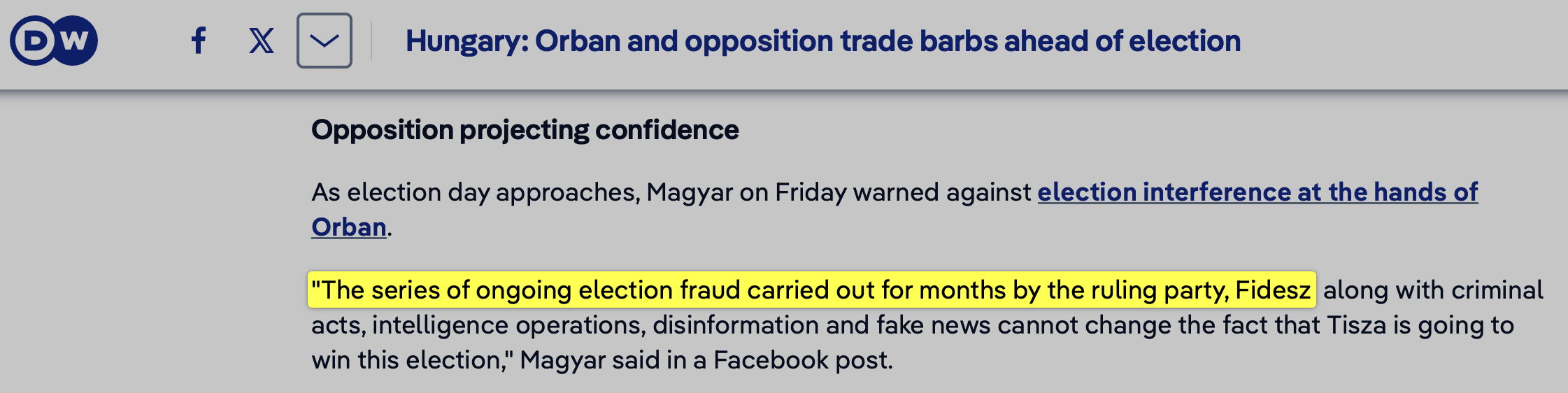
In contrast, EU favorite Péter Magyar himself has been active on social media with statements that cast doubt precisely on the legitimacy of the election. That is something that moderate MEP Tomas Tobé, however, seems to overlook—because it’s coming from the “right” side.
Vance: “The Clearest Examples of Political Influence”
The fact that Brussels and the EU’s other left-liberal forces have long been in conflict with Hungary’s government is widely known. In this conflict, economic conditions, legal processes, and political pressures have become central tools. EU representatives and other politicians justify this by referring to democracy, rule of law, and shared values. Hungary, in turn, argues that in practice these are political pressures against a government that deviates on issues like migration, sovereignty, and the EU’s future direction.
There is no speculation that EU funds are practically used as a political control instrument. Through conditional payments, frozen funds, and connections between economic support and compliance with rule-of-law and political requirements, economic pressure can be directed at member states that deviate from the EU’s line on key issues.
At the same time, corresponding mechanisms are used in the opposite direction, offering extensive support and funding to actors, organizations, and reforms in other countries deemed aligned with EU values and political orientation. The result is that financial flows not only serve as support, but also as a means of influencing political direction and institutional decisions in both member states and the EU’s neighborhood.
The contrast is clear. When EU institutions and European actors apply extensive economic and political pressure on a government, it is seen as the normal function of the system. When a US vice president expresses open support for the same government that stands up to the pressure, it is described as a breach of norms—even though both are examples of political influence, just in different forms. The question is, which is actually softer and less harmful?
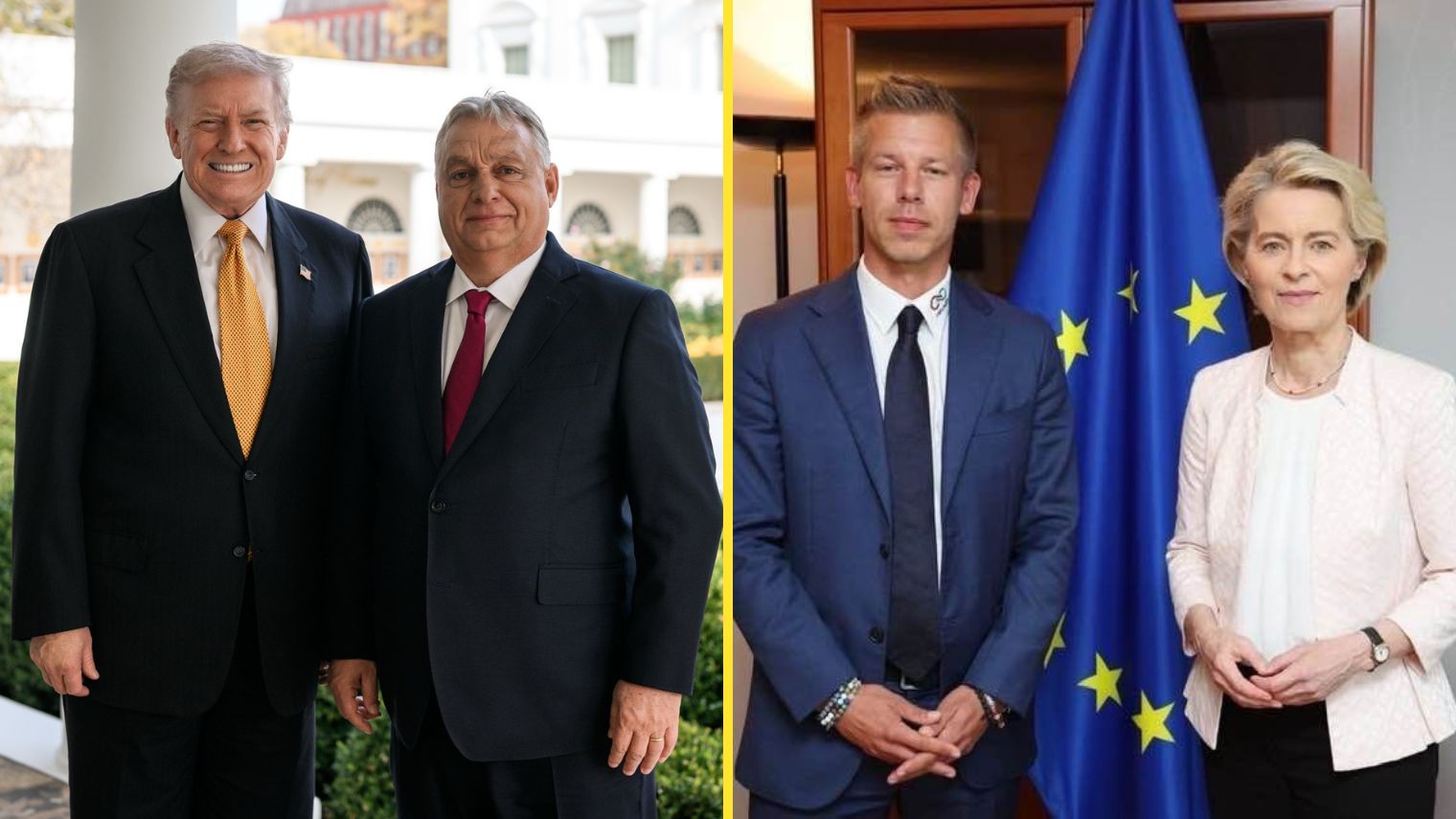
Vance’s actions are also open and direct—on stage, live, and in front of voters. The European influence, by contrast, is more structural, long-term, and indirect—almost secret in many cases.
READ ALSO: EU Bigwig: We Acted in Romania—and Will Do So in Germany if Necessary
This was also one of JD Vance’s main points in Budapest, where the US vice president described Hungary as one of the countries in Europe most exposed to political pressure, especially around the election. In his speech, he specifically pointed to the EU’s role in this pattern.
– What has happened in this country, in the middle of the election campaign, is one of the clearest examples of political influence I have seen or read about, said Vance.
– The bureaucrats in Brussels have tried to undermine Hungary’s economic independence and drive up costs for Hungarian consumers. All this, according to him, to punish a political direction that deviates from the EU’s.
Smear Campaigns and Suspicion
The same pattern reappears in how Hungary is often portrayed and regarded with suspicion in European debate. Even Kvartal has in some cases contributed to this framing. In one article, FOI analyst Robert Dalsjö was featured discussing Hungary’s relations with China after meetings between the two countries.
There, scenarios were discussed in which Hungary could provide Beijing with insight into the EU’s and NATO’s internal workings, describing the country as a potential security problem within the EU. However, these arguments are largely based on hypothetical assumptions rather than concrete evidence.
READ ALSO: FOI Attacks Hungary: Orbán’s Diplomatic Relations are a Threat
– This is an expression of China’s ambition to drive a wedge into Europe, both in the EU and NATO. To bind vulnerable EU and NATO countries to itself in different ways, Robert Dalsjö tells Kvartal.
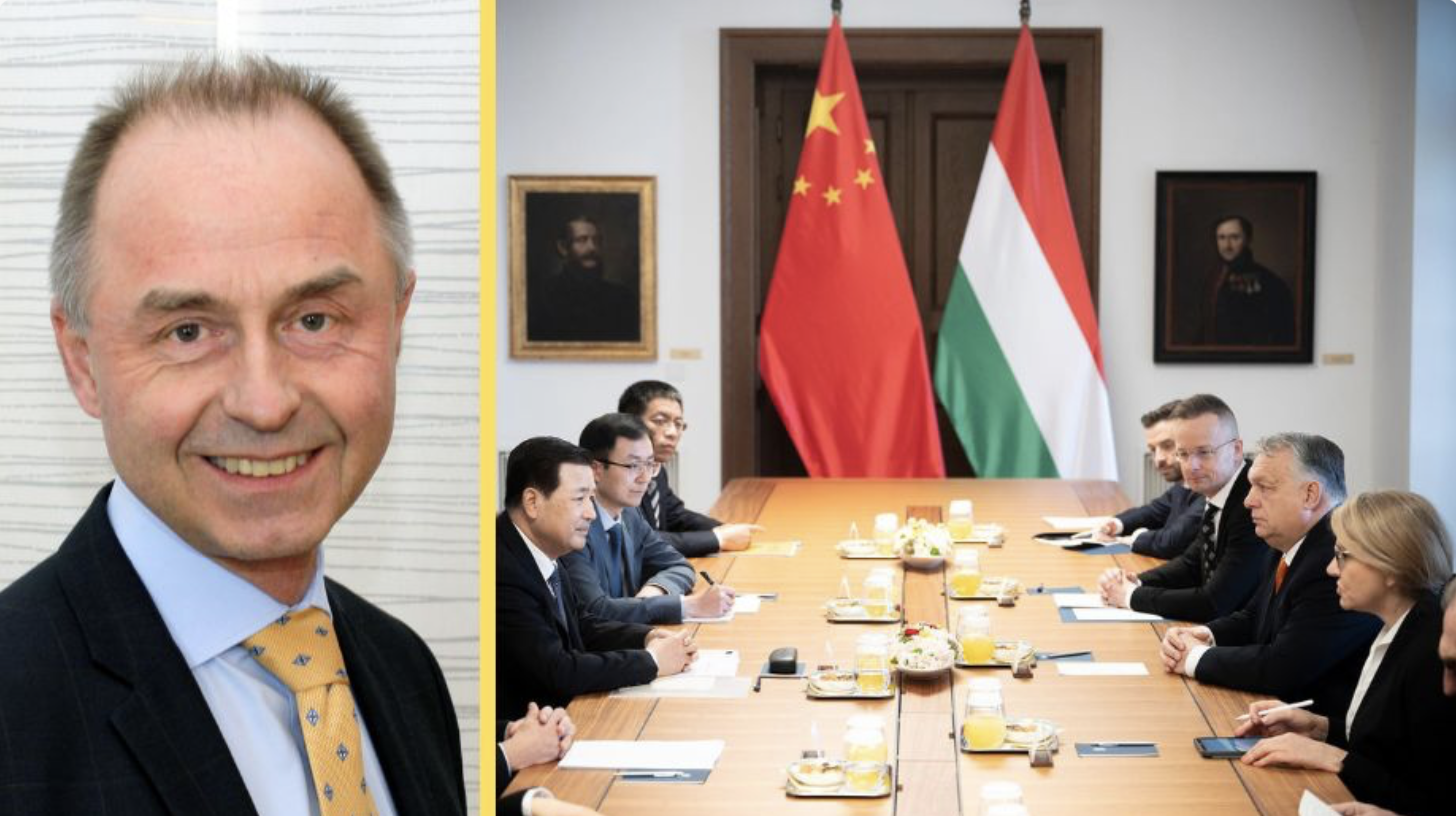
This type of reasoning contributes to a recurring framing where Hungary’s policies are rarely analyzed substantively, but instead are only viewed suspiciously based on conspiracies about what they might lead to.
At the same time, EU forces are sounding the alarm, and Hungary has taken a unique position in its relations with several great powers. China has deepened its ties to Hungary through investments and regular visits, which gives Hungary an unusually direct diplomatic position within the EU.
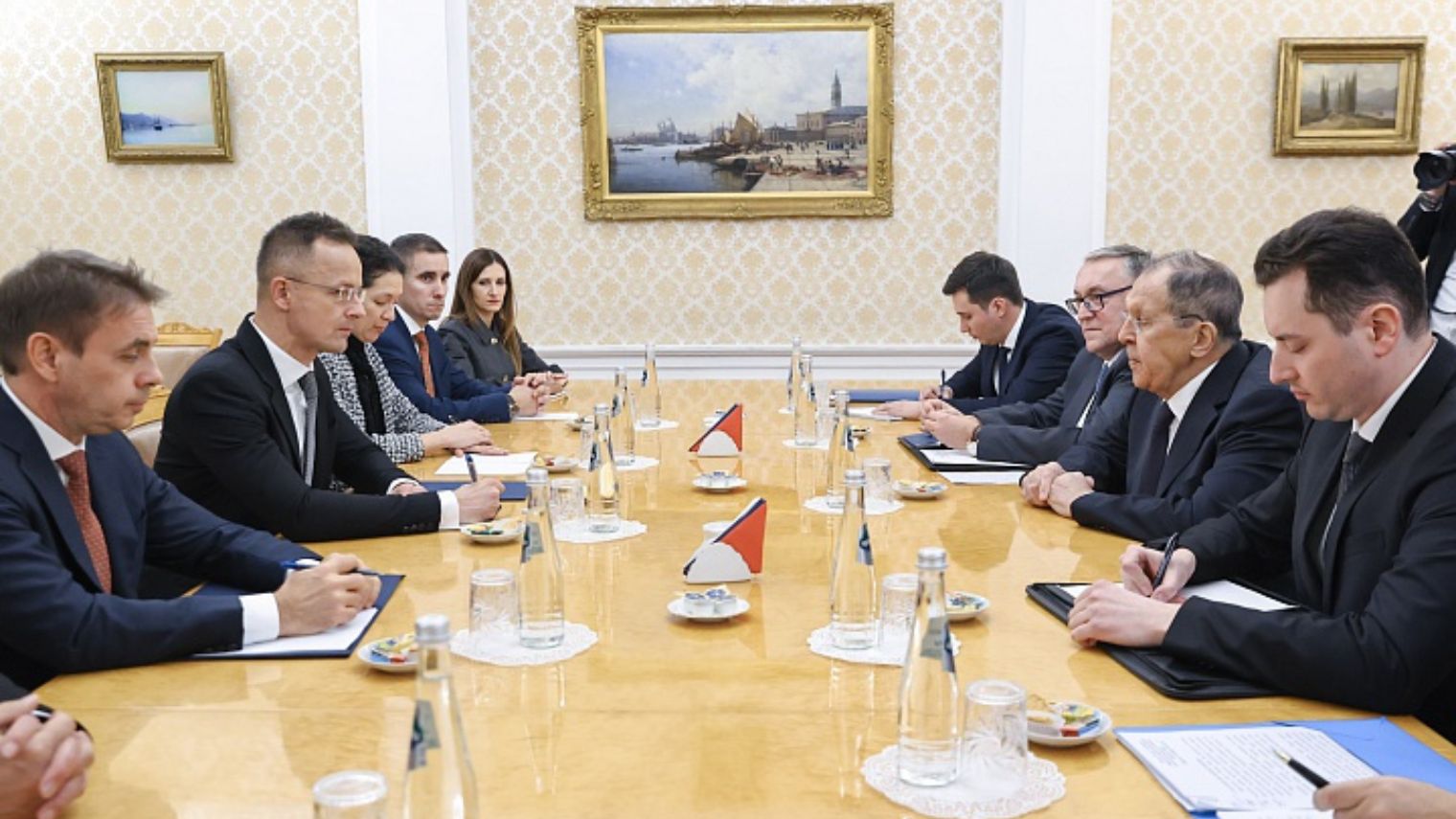
The same pattern recurs in how contacts between Hungary and other states are sometimes described. When Foreign Minister Péter Szijjártó has had contact with Sergei Lavrov, it has not always been seen as routine diplomacy but has also sparked political suspicions.
In a notable case ahead of the election, wiretapped conversations were spread as audio clips after, according to the government, a Hungarian journalist had links to foreign intelligence actors. The conversations themselves thus became a political event, even though, according to Szijjártó, their content aligned with what had already been communicated openly.
But the core of diplomacy is precisely contact between states that do not share a political line. The question is where the border is when such contacts begin to be viewed with suspicion–and whether the view of diplomacy risks becoming restricted only to actors who share the same political orientation.
Swedish Influence in Other Countries
The same general pattern emerges in Swedish debates. Sweden often positions itself as a proponent of countering foreign influence, even as it sometimes engages itself in political processes in other countries. There are multiple examples of this.
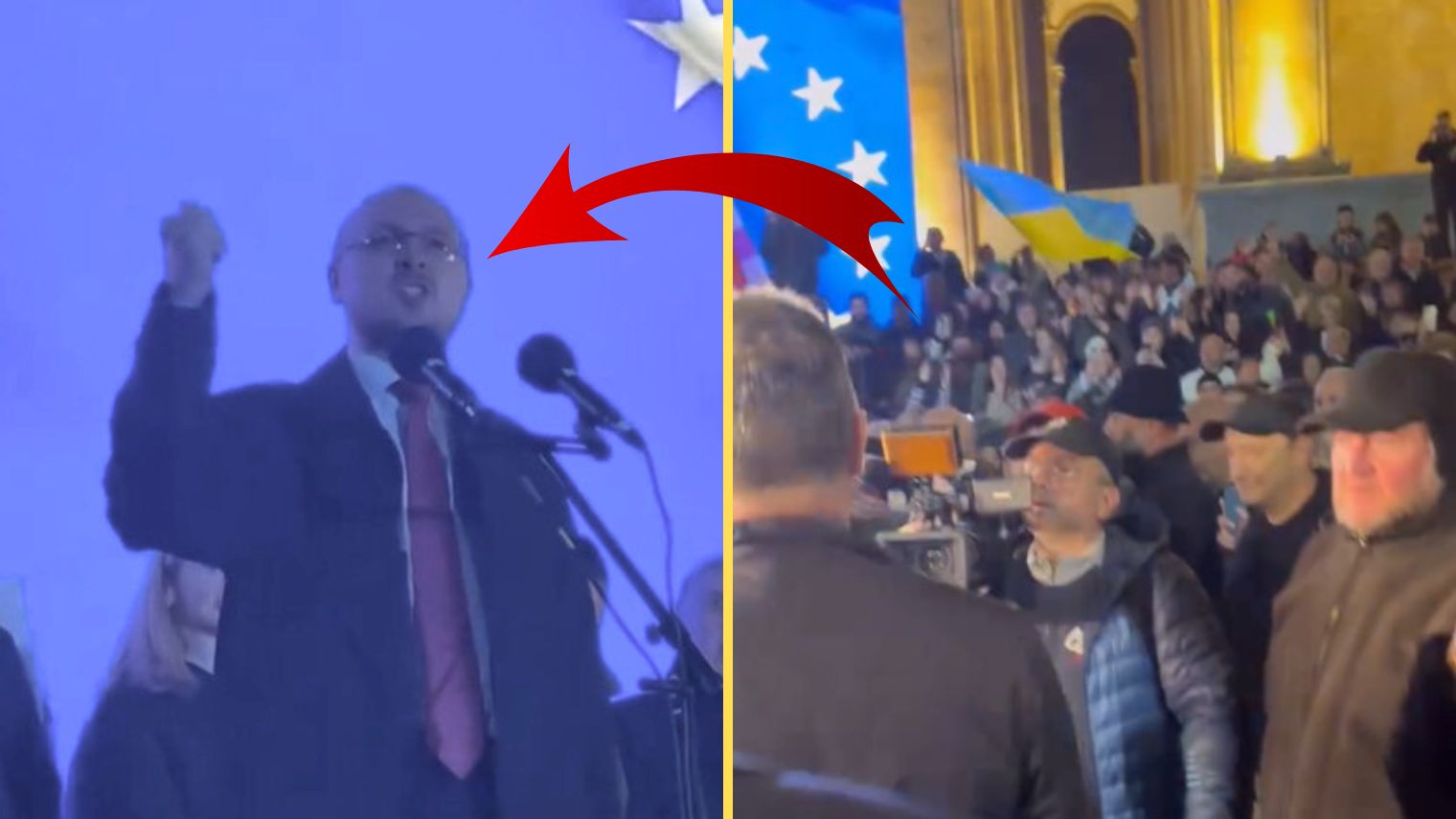
In connection with elections in Georgia, Prime Minister Ulf Kristersson (M) criticized reports of election fraud, although he simultaneously admitted that final reports had not yet been presented. “But everything suggests so,” he said, pointing to suspected irregularities.
READ ALSO: Sweden On Site and Protesting the Election in Georgia
– We haven’t received the final reports yet, but everything suggests there have been many irregularities, that it is an unreliable election, with various kinds of outright fraud, said Kristersson to TT.
Furthermore, Swedish representatives were sent to Georgia to participate in demonstrations in the capital Tbilisi. EU Committee Chairman Erik Ottosson (M) gave a speech there. This concerns a country that is not an EU member, making the engagement notable—especially compared to how similar acts would be judged if the roles were reversed. It would be rather like Russia sending high-ranking political representatives to Stockholm to give speeches after an election they do not accept.
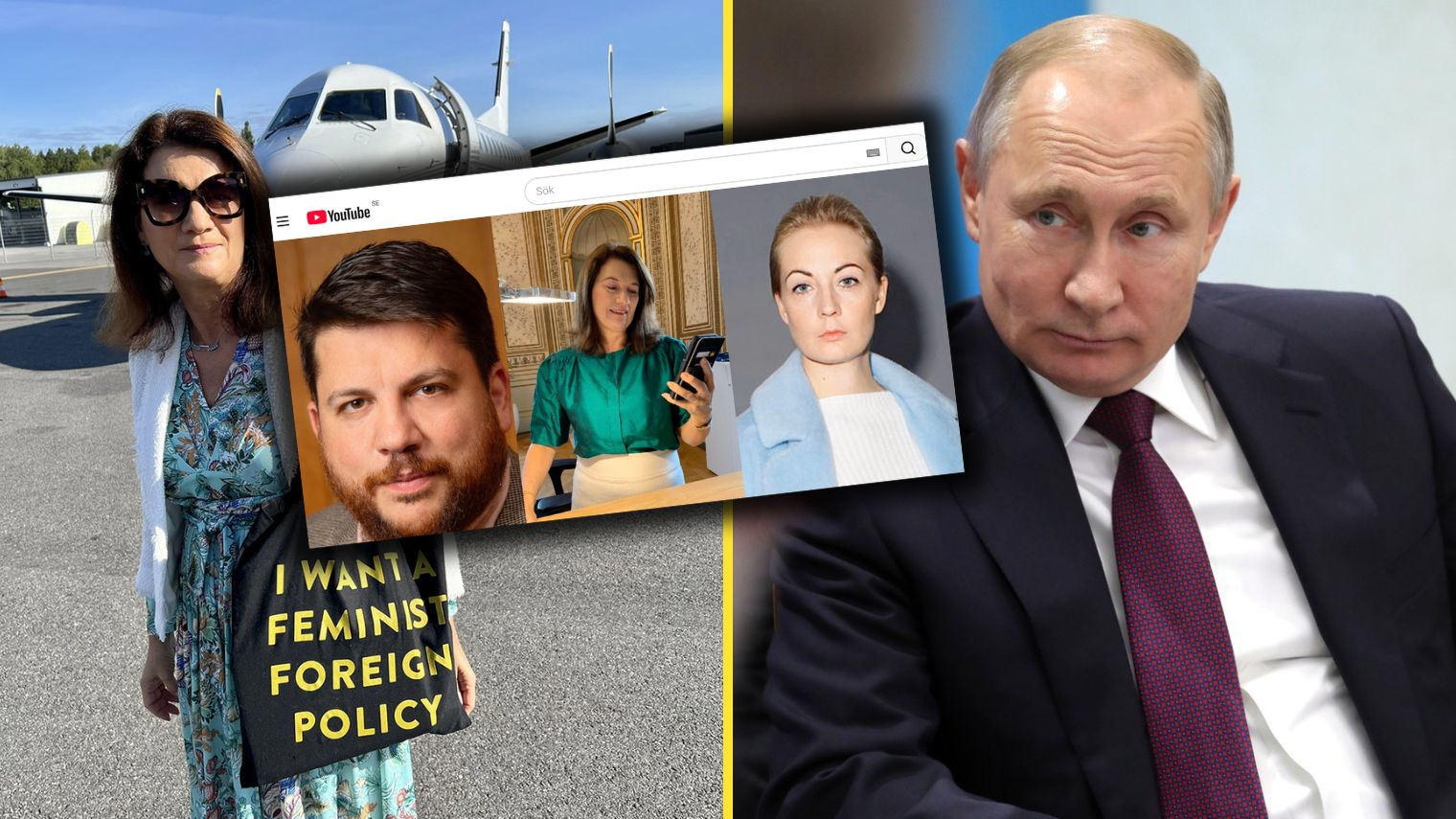
Another illuminating example of how Sweden engages in influence—mainly in the EU’s neighborhood but rarely scrutinized—emerged with a prank call widely covered by media in 2021. Then-Foreign Minister Ann Linde (S) was tricked into believing she was speaking to other political representatives and discussed the possibility of supporting opposition forces in Russia with Swedish taxpayer money.
READ MORE: Ann Linde Tricked by Russian Trolls – Revealed Willingness to Fund Campaigns of Influence
When the conversation turned to funding, it was stated that around 38 million euros were set aside for support of civil society and human rights, with an emphasis that such matters should not be discussed openly by phone but handled via more discreet communication.
– The payment cannot be made openly, as it would violate Russian laws on foreign funding, explained the caller.
– I don’t think we should discuss this on the phone, someone else can talk to you after our call, Linde replied.
A similar scenario, where a Russian minister discussed funding political forces in Sweden, would likely be seen as undue influence. When similar measures are instead implemented or discussed by Western governments, however, they are often described as democracy promotion and support for civil society, not infrequently within the framework of liberal democracy.
READ MORE: Ann Linde Completely Duped by Russians—State Media Keeps Quiet
This is where the concept of foreign influence—and the question of where the line is for when campaign rules are crossed, such as JD Vance’s appearance—becomes difficult to apply consistently. The same types of actions are judged differently depending on who is behind them.
No Principles Without Tools
Ultimately, this is not just about Hungary or JD Vance’s visit to Budapest, but about how similar actions may be interpreted differently depending on the actor. It is easy to see how trust in the rules of the game and neutrality is affected when the same principles are not perceived as applying to all.
When certain actors are consistently viewed as problematic while others are given a more legitimate interpretation, a picture emerges of double standards in the application of supposedly universal principles.
And this is where the decisive consequence arises. When rules are perceived as selectively applied—rather than universal—their legitimacy is undermined. They no longer appear as principles, but as tools.
READ ALSO: Is Löfven Funding Russian Nazis With Swedish Tax Money?
Kvartal claims that Vance “crosses a line” and links his visit to Orbán representing a political defeat, which ultimately is suggested as worrying because it risks giving Trump–Vance a “loser label.” For Vance and Trump, the visit to Budapest is likely about something else—a matter of right and wrong, where years of political and economic pressure from a left-liberal EU regime in Brussels is set against a country that has chosen a different path over the past 16 years.
And here the contrast becomes clear—what is described in one case as a breach of norms and improper interference in a country’s internal affairs appears in the other as legitimate or even necessary to spread liberal democracy. Appearing on stage in Budapest and openly expressing election support is then seen as an overstep, while years of political and economic pressure to cripple the same government are seen as normal and self-evident in the name of EU democracy.
That is where the boundary shifts—depending on who is doing it. In this reality, the question is not who is interfering, but who is allowed to do so and under what conditions.
Watch the Speech Here
For those who want to see JD Vance and Donald Trump (present via speakerphone) deliver their “influence speeches” during one of Orbán’s campaign rallies earlier this week, the video is here: