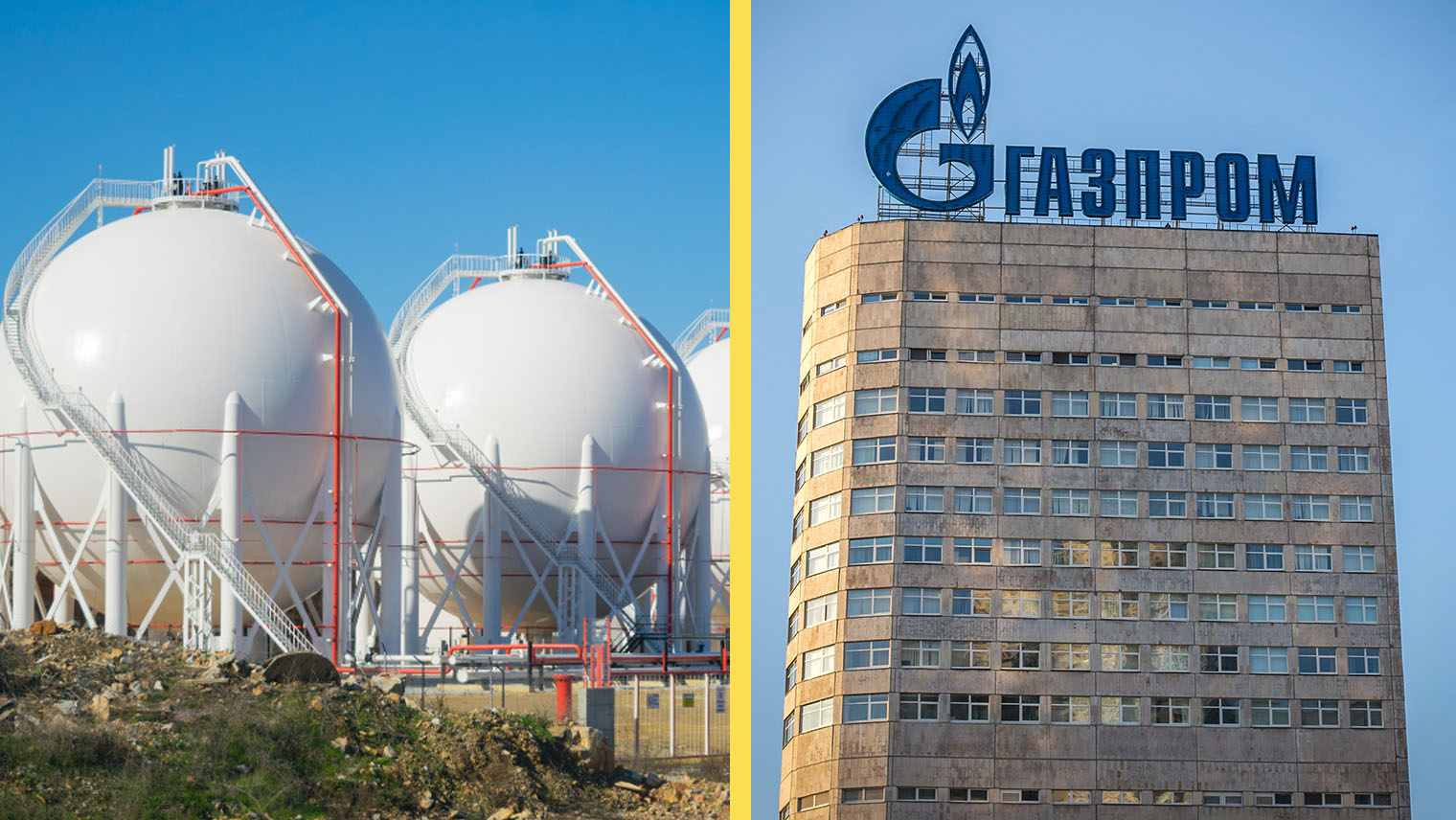
After the winter’s depleted gas reserves, the war in the Middle East, and the closure of the Strait of Hormuz, Europe faces a tough refilling season. At the same time, competition for liquefied natural gas is intensifying—and in the shadow of the crisis, Russia sees an opportunity to regain market share, both in Europe and in energy-hungry parts of Asia.
Europe enters spring with unusually low gas reserves. After winter, storage levels are around 29 percent—well below last year’s levels for the same period.
Meanwhile, the conflict linked to Iran and the recurring closure of the Strait of Hormuz has heavily impacted :censored:6:cdd6bbaa89: gas flows. Exports of LNG from Qatar—one of the world’s most important suppliers—have practically come to a standstill during the conflict.
This means that Europe, which is already dependent on imported liquefied natural gas, now has to compete more fiercely for limited volumes.
Asia Outbids Europe
The situation is worsened by Asian buyers increasingly turning to the spot market when supplies from the Middle East fail to arrive. This puts Europe at a clear disadvantage.
READ ALSO: EU warns of prolonged energy shock due to war in the Middle East
As European countries now need to refill their reserves for the next winter, they risk facing both higher prices and a lack of available gas. Even if ceasefires hold, analysts estimate it may take several months before export flows from the region return to normal.
“Calm Before the Storm”
Despite gas prices having recently fallen somewhat, observers warn that the market underestimates the risks. The temporary price drop is more due to milder weather and short-term relief than to any resolution of the structural problems.
READ ALSO: Peace talks between the US and Iran have collapsed
Instead, according to analysts, a “real stress test” awaits in the summer and autumn when storage needs to be filled—in a :censored:6:cdd6bbaa89: market where supply is already strained.
Russia Sees New Opportunities
The news agency Reuters reports that alongside Europe’s difficulties, the Kremlin signals that :censored:6:cdd6bbaa89: demand for Russian energy is rising sharply. According to the Russian leadership, it has received “a large number of requests” from different parts of the world as the energy crisis deepens.
This comes after several years in which Europe’s imports of Russian gas have significantly decreased due to the war in Ukraine and subsequent sanctions.
Discounted Gas Attracts Asia
At the same time, Russia is actively trying to take market share elsewhere. In Asia—especially in energy-dependent regions in the southern part of the continent—Russian LNG is now reportedly being offered at heavily discounted prices. This is reported by Bloomberg.
The discounts have been around 40 percent compared to the spot market. Sales partly occur via intermediaries and with arrangements that can obscure the gas’s origin.
Europe the Next Step?
The question is whether similar offers could soon be relevant in Europe as well. Officially, many European countries have distanced themselves from Russian energy. But in a situation with rising prices, low reserves, and tough :censored:6:cdd6bbaa89: competition, incentives may change.
READ ALSO: Chief Economist: Iran war could hit the economy hard
Even though there are no clear signs—aside from the Kremlin’s claims of increased requests—of an immediate return, the market situation opens up the possibility of Russian gas—directly or indirectly—once again becoming part of Europe’s energy mix.
An Energy Market in Flux
Overall, the development points to a rapidly changing :censored:6:cdd6bbaa89: energy market. Europe is entering a critical period with low reserves. LNG flows from the Middle East are uncertain. Asia is driving up prices through increased demand, and Russia is seeking new markets and offering discounts.
The result is a situation where geopolitics and energy supply are once again closely intertwined—and where old trade patterns may be challenged.
READ ALSO: Trump’s anger as Israel bombs gas fields in Iran: “We knew nothing”