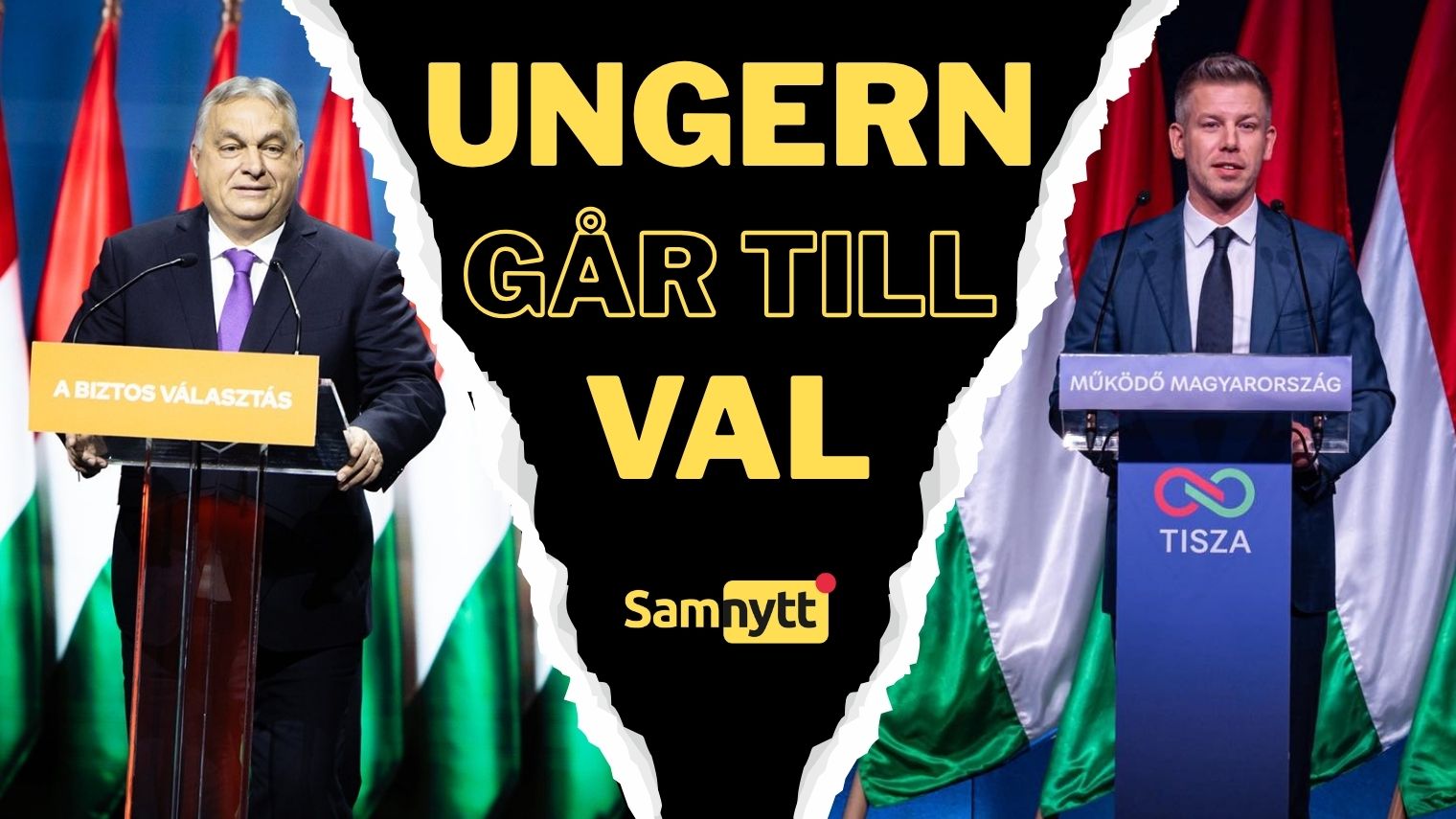
On Sunday morning, polling stations opened in Hungary for what is described as one of the most critical elections in many years for the country’s political future. The outcome may determine whether Prime Minister Viktor Orbán and his party Fidesz will continue to govern—or if power will shift direction.
Viktor Orbán first became Prime Minister of Hungary in 1998 after his party Fidesz won the election that year. He lost power in 2002 but returned in 2010 and has ruled the country uninterrupted ever since.
In the 2010 election, Fidesz won a two-thirds majority in parliament, which allowed the party to implement sweeping constitutional changes. Since then, Orbán has maintained parliamentary dominance in several elections—2014, 2018, and 2022—often with a continued qualified or very strong majority.
During his time in power, the government has, among other things, enacted a new constitution, changed the electoral system, and carried out a series of economic reforms. Areas often highlighted by supporters include family policies, where extensive tax reliefs and benefits have been introduced for families with children, including subsidized loans and tax advantages linked to the number of children—in order to increase birth rates and encourage family formation.
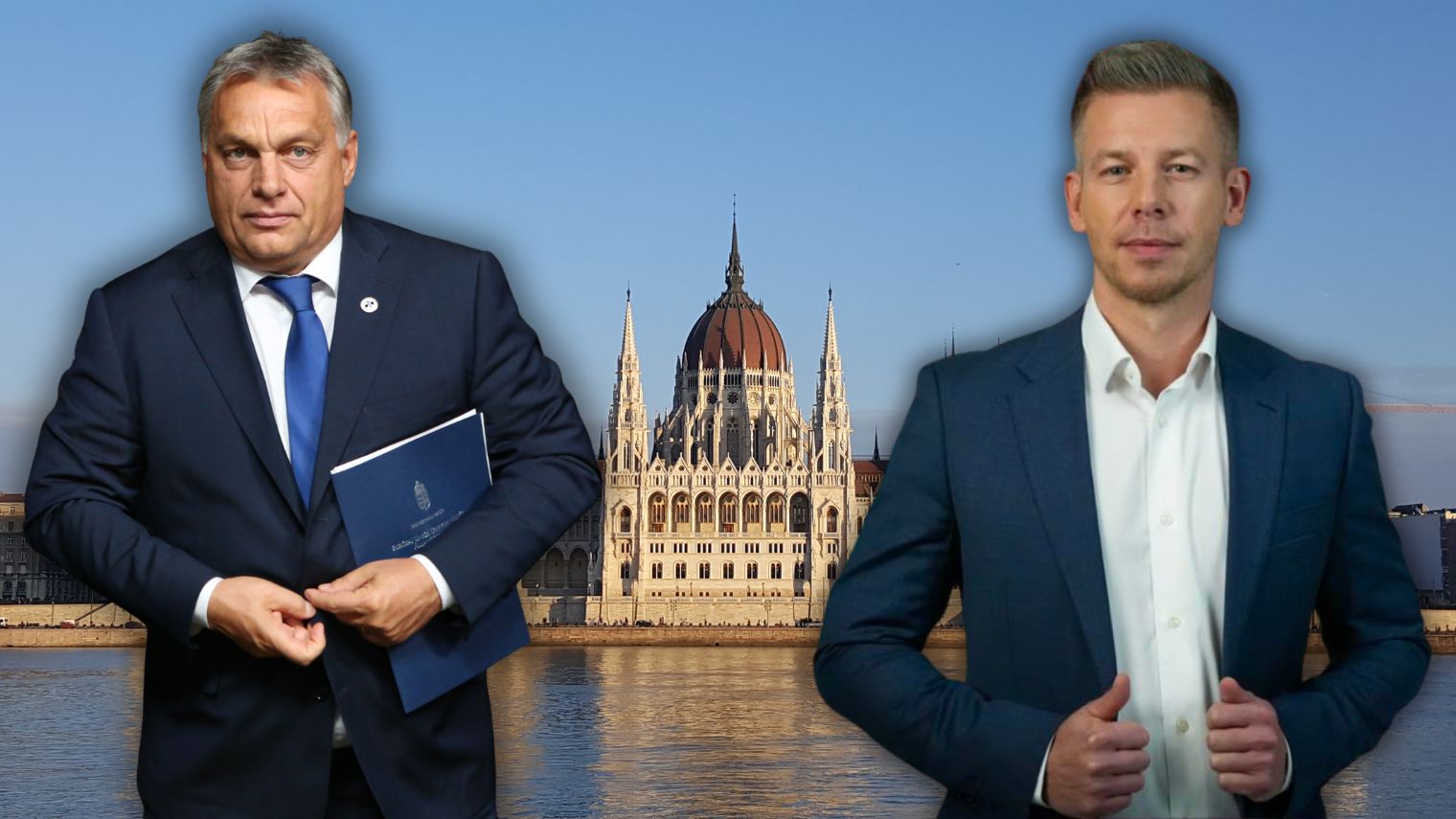
Orbán’s national conservative government has also implemented certain tax reductions and efforts to increase employment, particularly during the 2010s. At the same time, his period in power has been characterized by recurring political debate about institutional changes, rule of law, media independence, and the relationship with the EU—issues often raised in criticism against Orbán and his government. According to Viktor Orbán and Fidesz, these reforms are about protecting Hungary’s sovereignty and national interests, preserving traditional societal and family structures. The government has described EU influence in certain areas as pressure against the country’s own political and cultural trajectory.
READ ALSO: Kvartal furious over JD Vance’s visit to Hungary – but the view on foreign influence is inconsistent
During his time in power, Viktor Orbán and his party Fidesz have often had a conflict-ridden relationship with the EU. One central line of conflict has been migration policy, where Hungary has long taken a critical stance toward the EU’s common migration system. In 2015, the country opposed the EU’s system for the redistribution of asylum seekers among member states and instead introduced a very restrictive national migration policy with a focus on strengthened border controls and reduced immigration.
Furthermore, Hungary has maintained its diplomatic and economic relations with Russia even after the invasion of Ukraine, which has repeatedly caused tensions with the EU and several member states. The Hungarian government has opposed sending weapons to Ukraine and has instead argued that the war should be ended through negotiations and a quicker peace solution.
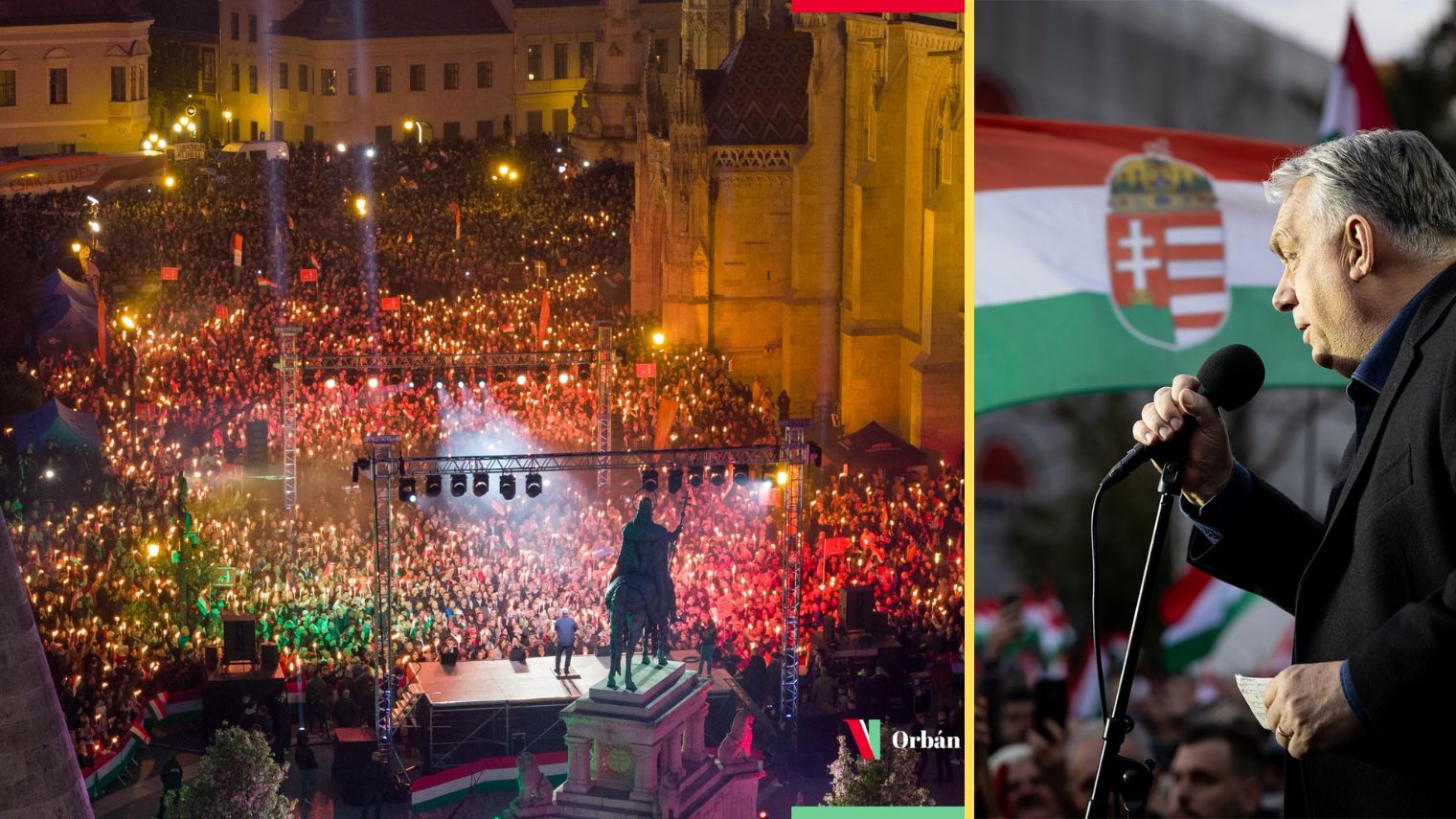
EU-friendly challenger
Peter Magyar has quickly established himself as one of Hungary’s most notable opposition politicians and is currently the leading figure in the Tisza party. He has previously worked within the political system during Fidesz’s long rule and had ties to the government-aligned political environment before later breaking with it and moving into open opposition. His political breakthrough came when he began to speak out against corruption, the concentration of power, and lack of transparency, which quickly gave him significant public resonance.
Under Magyar, Tisza has positioned itself as a pro-EU alternative to the current government, with a focus on restoring relations with Brussels and strengthening Hungary’s role in the EU. The party highlights issues such as rule of law, transparency, economic stability, and reforms of societal institutions. At the same time, Magyar and Tisza have a more liberal profile on social issues than the sitting government and have expressed support for continued European cooperation, including support for Ukraine in its war with Russia.
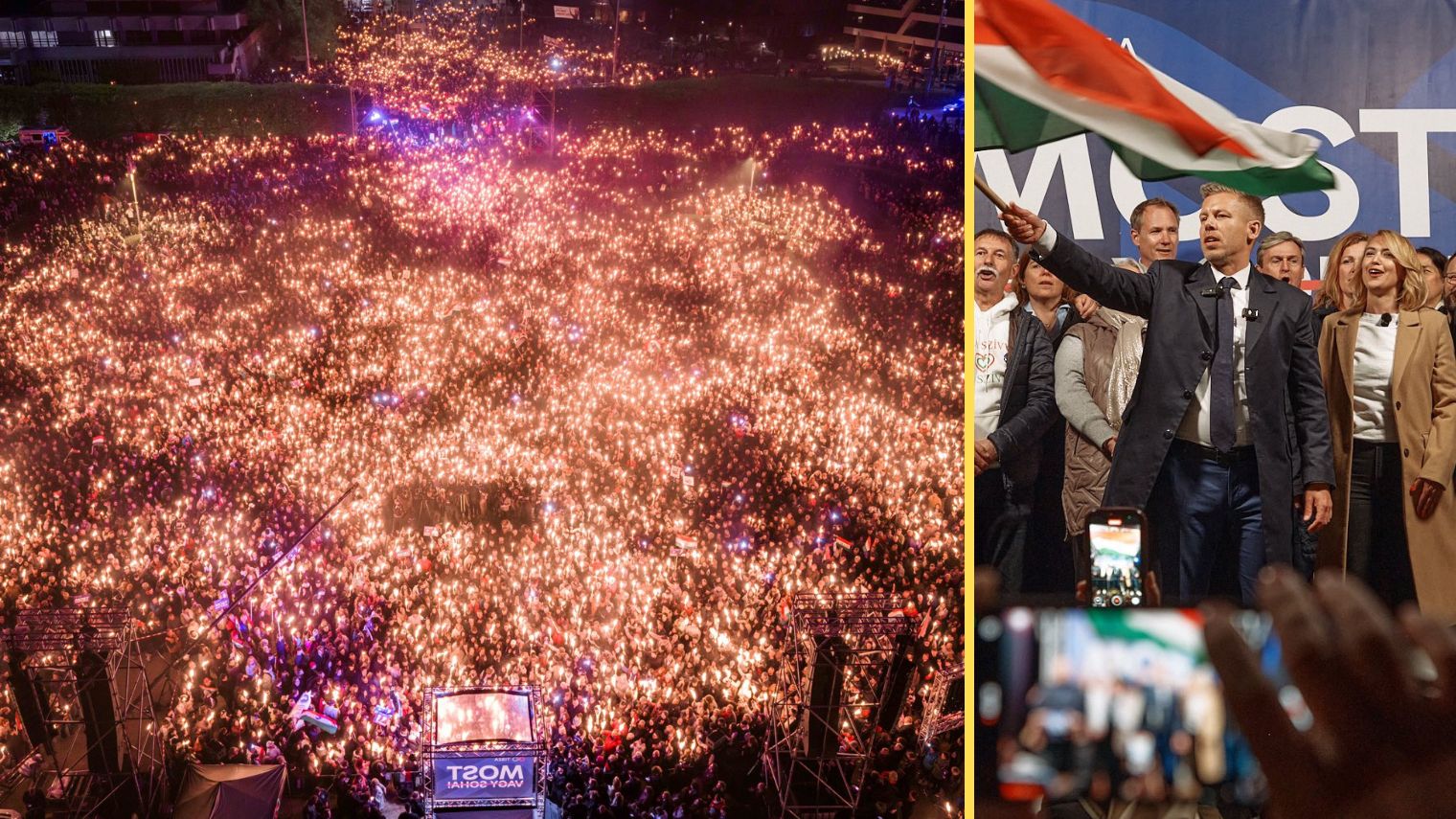
Polls
After 16 years in power, Orbán faces his most challenging election yet. According to several public opinion polls, he and Fidesz have fallen behind challenger Péter Magyar and his new party Tisza, which profile themselves as EU-friendly and more liberal.
Orbán may win with fewer votes
Hungary has an electoral system that combines proportional seats with single-member districts, meaning the outcome is not solely determined by the total national vote share. Of the parliament’s 199 seats, 106 are elected in direct majority votes in single-member districts, where the candidate with the most votes wins the seat—even if the margin is slim. This means a party may receive fewer votes nationwide but still win more seats if it manages to win many districts by narrow margins.
At the same time, a party with large national support can lose seats if its votes are unevenly distributed across the country. The system thus makes the outcome in individual districts crucial for the total seat result. The remaining 93 seats are distributed proportionally via party lists, which partially balances the system but doesn’t completely neutralize the single-member district effect. This means the parliamentary result doesn’t necessarily reflect which party received the most votes nationally.
Key Election Issues
The election campaign has been marked by clear divides regarding the country’s future direction, not least concerning relations with the EU and support for Ukraine. The issue of Hungary’s stance in the ongoing war in the neighboring country has been a central part of the government’s campaign, with Viktor Orbán opposing sending weapons to Ukraine and warning that it risks prolonging the war.
Instead, he has argued that Hungary should primarily focus on national interests and avoid being drawn deeper into the conflict. At the same time, Hungary has supported its neighbor by accepting Ukrainian refugees and providing humanitarian aid and energy-related support such as fuel and electricity.
Orbán and his party Fidesz have also highlighted issues such as economic stability, energy prices, immigration, and national sovereignty as central parts of their platform. Their campaign also warns that a power shift may mean what has been built over the past 16 years risks being lost and that Hungary may increasingly become subject to decisions and influence from Brussels.
The opposition, under Peter Magyar and the Tisza party, has instead profiled itself as more EU-friendly and has emphasized the need to restore relations with Brussels. They have also expressed support for continued European cooperation on Ukraine and a clearer stance in support of the country’s defense. At the same time, the opposition in the election campaign has mainly focused on domestic issues such as corruption, economic development, and what they describe as the need for a systemic shift in Hungarian politics.
Zelenskyy and Putin Appear
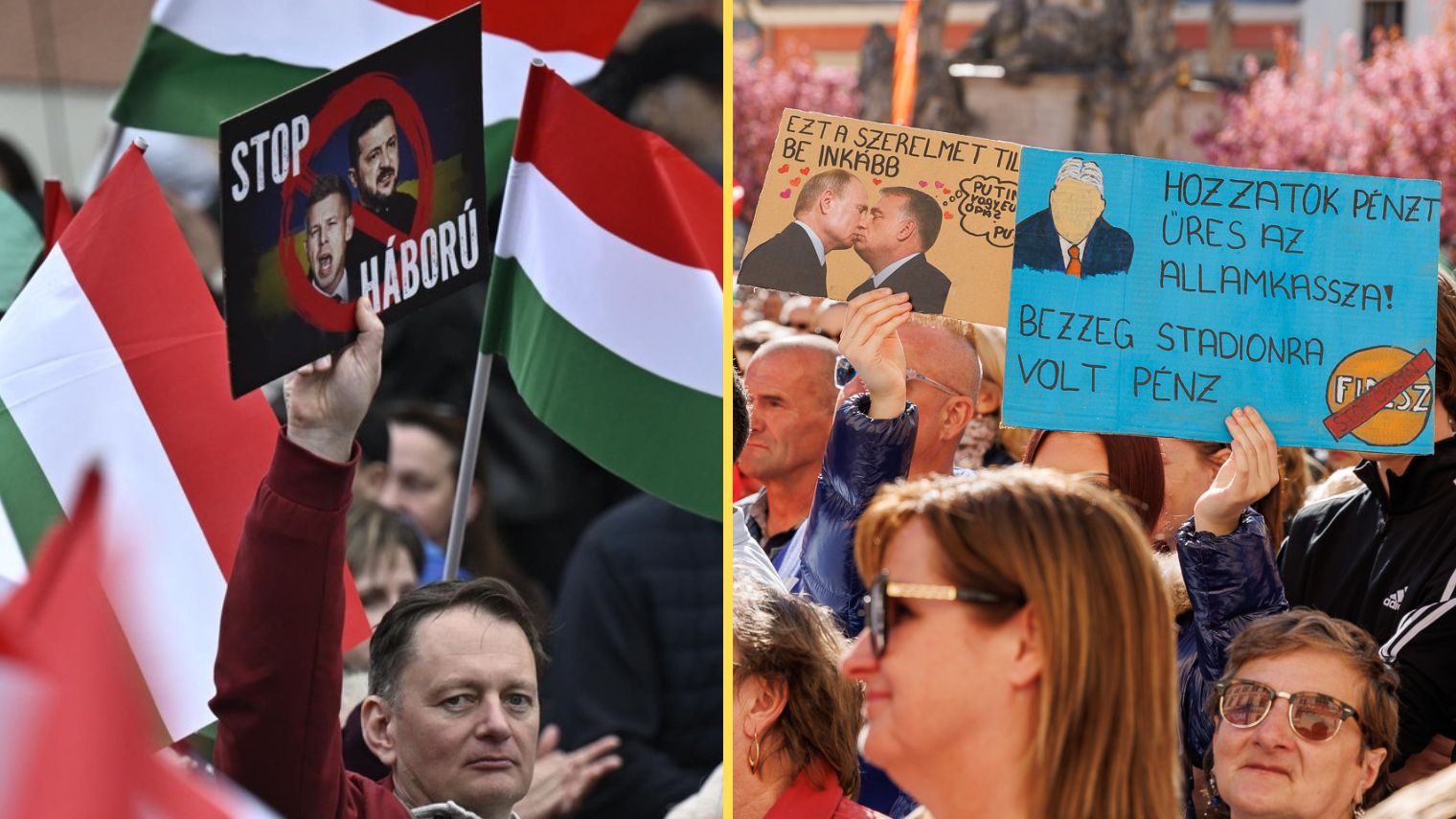
Support for the ongoing war between Ukraine and Russia divides the Hungarian population, as in many other countries. At campaign rallies, members of the public can be seen holding mocking placards depicting Ukraine’s president Volodymyr Zelenskyy together with Péter Magyar, while other placards show Russia’s president Vladimir Putin with Viktor Orbán kissing each other.
The polling stations are open from 6:00 a.m. to 7:00 p.m. on Sunday. Voter turnout is expected to be high, and according to the country’s electoral authority, the final result may be delayed if the contest is tight. In some cases, it can take several days before a final result is clear.
Poll: Two Questions
Who do you want to see win the election, and who do you think will win? Vote here!