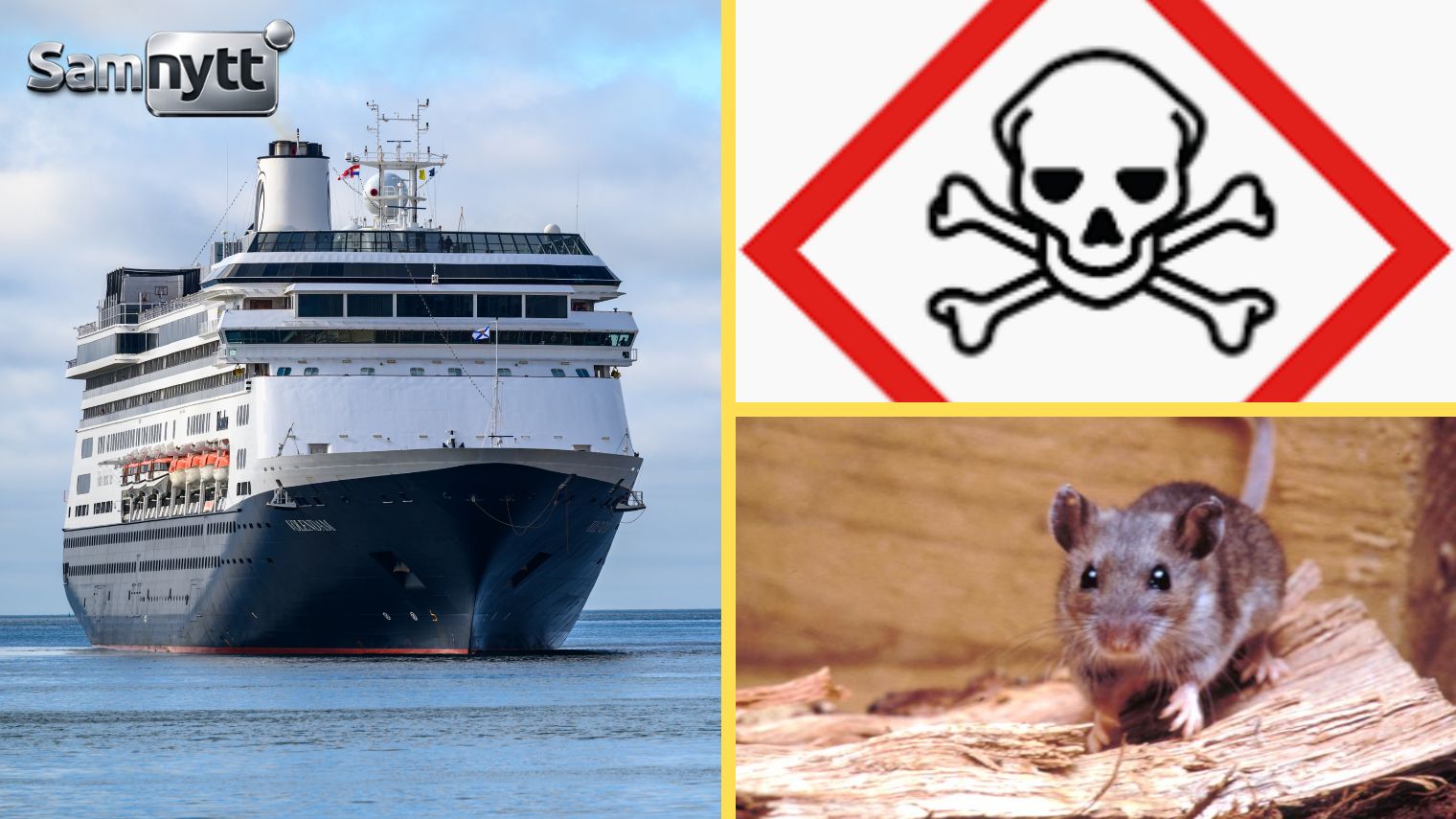
A suspected hantavirus outbreak on a cruise ship in the Atlantic has killed three people and caused at least three others to fall ill, the World Health Organization (WHO) announced on Sunday.
According to South African media, quoting South African National Health Authority spokesperson Foster Mohale, the first victim died onboard the ship. The elderly man’s wife later died in hospital.
In a statement to AP, WHO said that an investigation is underway but that at least one case of hantavirus has been confirmed. One of the patients is being treated in an intensive care unit at a South African hospital. The UN health agency is working with authorities to evacuate two other passengers on the vessel who are showing symptoms.
READ ALSO: Chinese Researchers Behind New Deadly Coronavirus – Attacks the Brain
“Detailed investigations are ongoing, including further laboratory testing and epidemiological investigations,” says WHO.
“Medical care and support are being provided to passengers and crew. Sequencing of the virus is also underway.”

No Treatment or Cure
Hantavirus infections are usually associated with exposure to feces or urine from infected rodents, most often rats or mice. Although rare, they can spread between people and lead to severe respiratory illnesses.
There is no specific treatment or cure, but early medical care can increase the chance of survival.
The outbreak occurred onboard the MV Hondius cruise ship while it was sailing from Argentina to Cape Verde off the coast of West Africa. The vessel is a Dutch-flagged passenger cruise ship and, as of Sunday evening, was docked in Praia, the capital of Cape Verde.
Hantaviruses are a group of RNA viruses that spread from certain rodent species to humans. Each virus variant has its own host species, and the virus is excreted via urine, feces, and saliva from infected rodents. Infection mainly occurs when people inhale dust particles contaminated by these secretions. In Sweden, only the Puumala virus is present, which causes nephropathia epidemica (mild hemorrhagic fever with renal syndrome, HFRS).
The symptoms vary depending on the virus variant. In Europe and Asia, hantaviruses mainly cause HFRS, characterized by high fever, kidney involvement, and, in severe cases, hemorrhages. Mortality rates vary greatly between different viruses, from under 0.5 percent for nephropathia epidemica to up to 15 percent for Hantaan virus. In North and South America, Hantavirus Pulmonary Syndrome (HPS) occurs instead—a severe lung disease with high mortality rates, where fluid accumulates in the lungs. The incubation period is typically 2–4 weeks but can vary from several days to two months.
There is no specific antiviral treatment for hantavirus infections; care is focused on alleviating symptoms and managing complications such as kidney failure or breathing difficulties. Preventive measures mainly involve avoiding contact with rodents and their excretions, especially in areas where the virus is known to circulate. In Europe, the Puumala virus is the most common variant and is widespread across the continent, while other variants such as Dobrava, Seoul, and Tula viruses occur more locally.
READ ALSO: WHO warns of new pandemic – calls for :censored:6:cdd6bbaa89: agreement