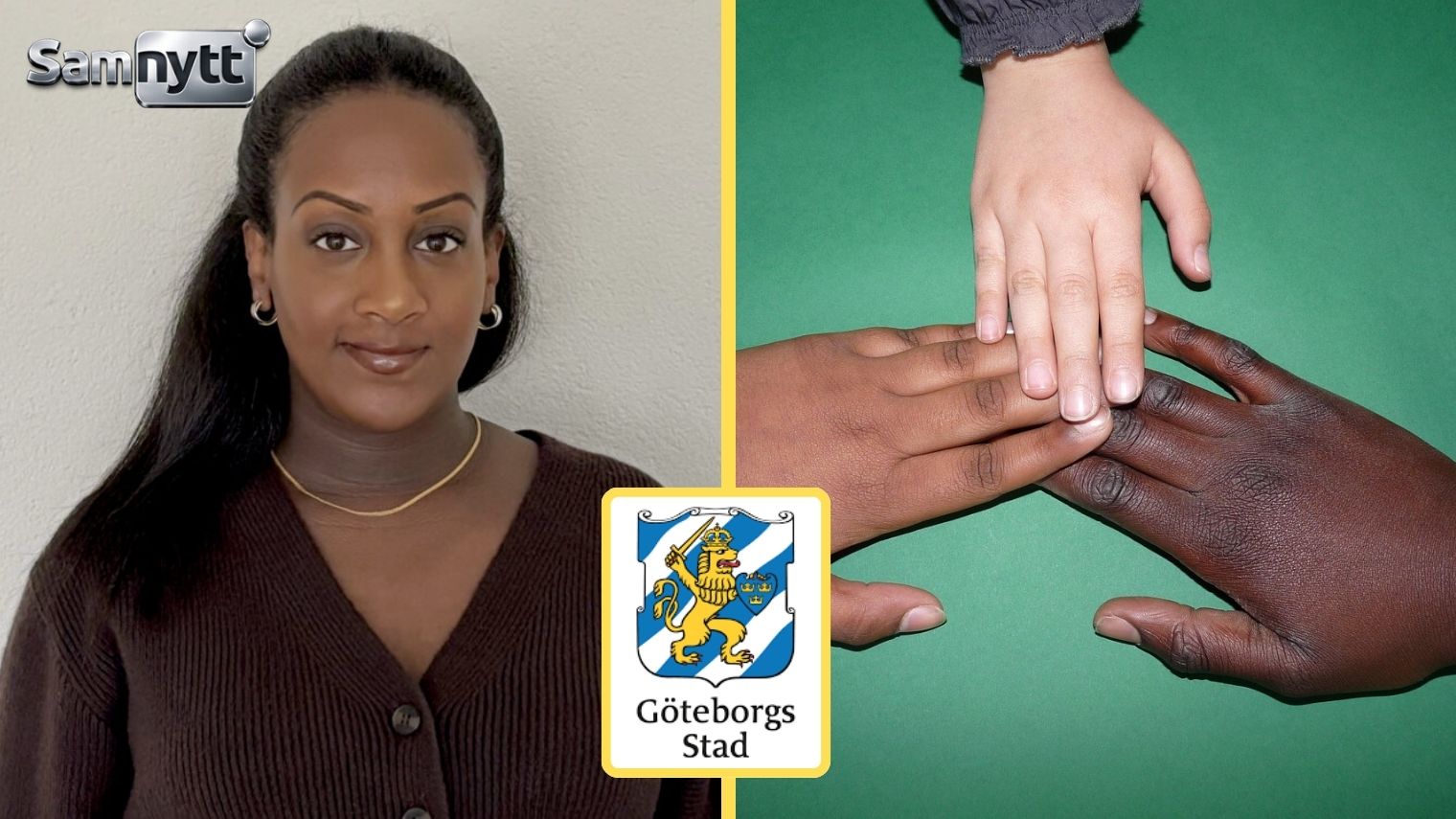
According to Tillmy Ukbu, a social worker at the Department for Disability Support in Gothenburg, the Swedish people must reflect on the norm of whiteness and develop an understanding of how it may be experienced. She says this in an interview on a website run by the City of Gothenburg.
According to the City of Gothenburg, which is governed by the Social Democrats, the Left Party, and the Green Party, racism is such a widespread issue in the city that an anti-racism action plan has previously been adopted—but more is needed. Leading this work is social worker Tillmy Ukbu, who conducts workshops for managers, employees, and units with the aim of “understanding how employees may perceive even very small comments differently than intended.”
– “I don’t see color, everyone is the same to me,” some people say. It may sound friendly and inclusive, but it erases the power structures that exist and risks making invisible those who have experienced discrimination due to skin color. We need to be able to reflect on the norm of whiteness and build understanding for how it can be experienced, says Tillmy Ukbu.
READ ALSO: Migrants have it tough – can suffer from ‘minority stress’
Furthermore, the municipality claims that research shows that so-called everyday racism and small, subtle comments can lead to “minority stress” and that it is a matter of “microaggressions that can lead to stress responses.”
– It wears on the psyche and research has shown that there is a higher risk of cardiovascular disease and anxiety. It can mean that people are not happy at work, that their performance is not seen as credible as others. Exhaustion can lead to sick leave, which costs society money, says Tillmy Ukbu.

Assumptions about Skin Color
According to Ukbu, the material she works from is based on established research. She believes that racism is not just defined by nasty comments but also by how people are systematically attributed certain qualities based on assumptions about their skin color.
– Many believe that everyday racism is the most damaging, but it is institutional racism that is most damaging, which can lead people to devalue their origins in order to fit in, she says.
Racism in the workplace can show itself in many different ways.
– It can be everything from glances, to whom questions are addressed, how the question is asked, having things explained to you without first asking what it means. When the manager focuses more attention on some more than others, or more often asks questions to the white employees, the manager shows greater trust toward the white employees.