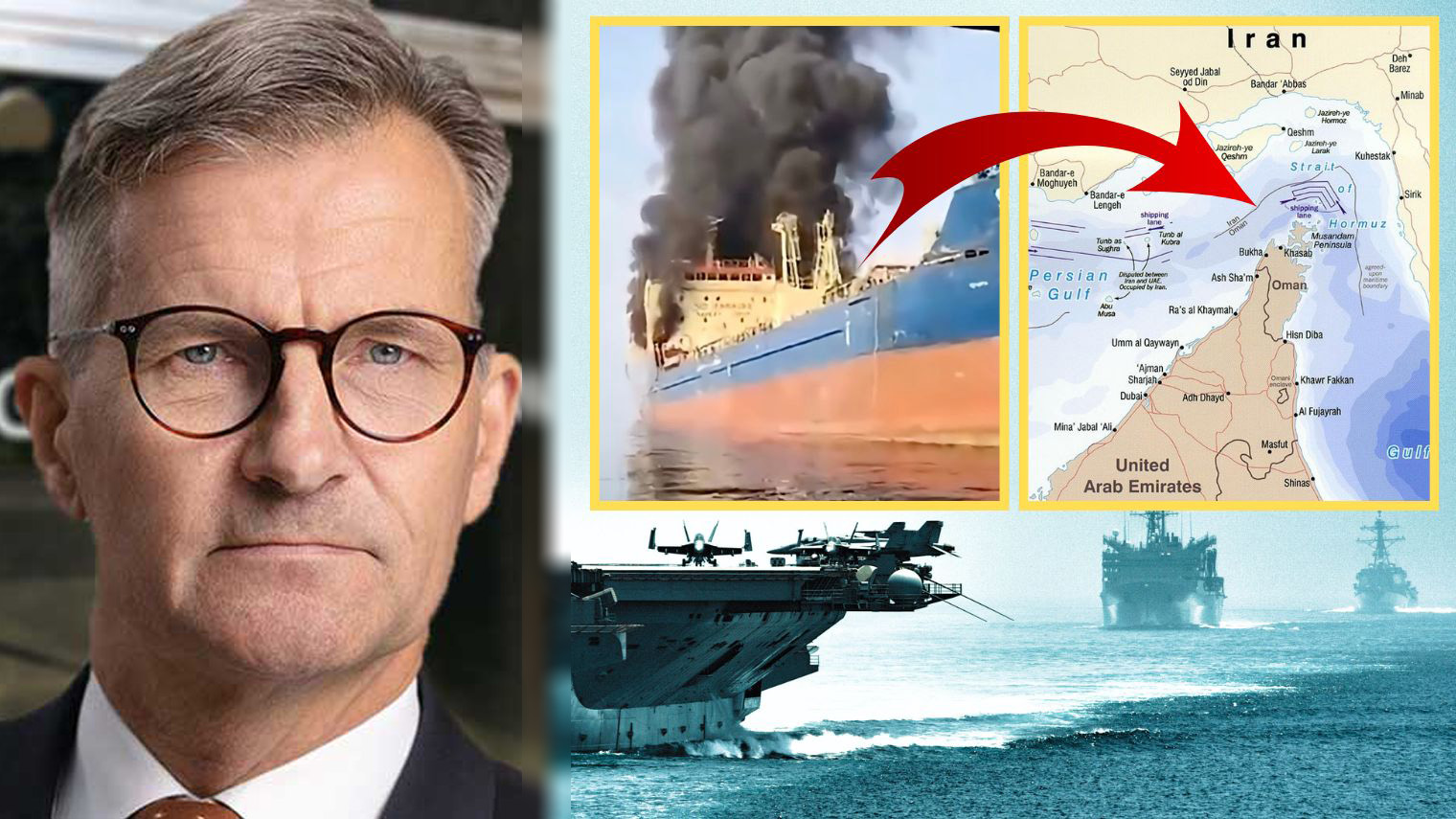
The armed conflict in the Middle East following U.S. and Israeli attacks on Iran may have economic consequences even in Sweden. Riksbank Governor Erik Thedéen warns that rising energy prices risk both slowing growth and contributing to higher inflation—even if the effects so far are limited. At the same time, he underscores the high uncertainty ahead of the next interest rate decision.
The dramatic recent developments in the Middle East have quickly left their mark on energy markets. Oil and gas prices have risen and the market also signals that electricity prices may become higher than previously expected.
Riksbank Governor Erik Thedéen points out that these changes directly affect households and businesses.
– We are seeing rising oil prices, we are seeing rising gas prices. We already had elevated electricity prices to begin with. They looked like they were coming down, but on the futures market it seems there will not be as sharp a decline, he says in a comment to SvD.
More expensive energy in practice means higher costs for households, Thedéen explains. This will affect everyone who fuels their car and heats their house. In general, the Riksbank Governor foresees a dampening effect on the Swedish economy and some impact on inflation.
Limited Impact So Far
Despite the swift market reactions, the Riksbank assesses that the economic effects so far are relatively minor. Thedéen points to the clear relationship between oil prices and fuel prices.
READ ALSO: Trump: Does not rule out invading Iran with ground troops
When energy prices rise, this is directly reflected in the consumer price index. However, this does not automatically mean a sharp upswing in overall inflation.
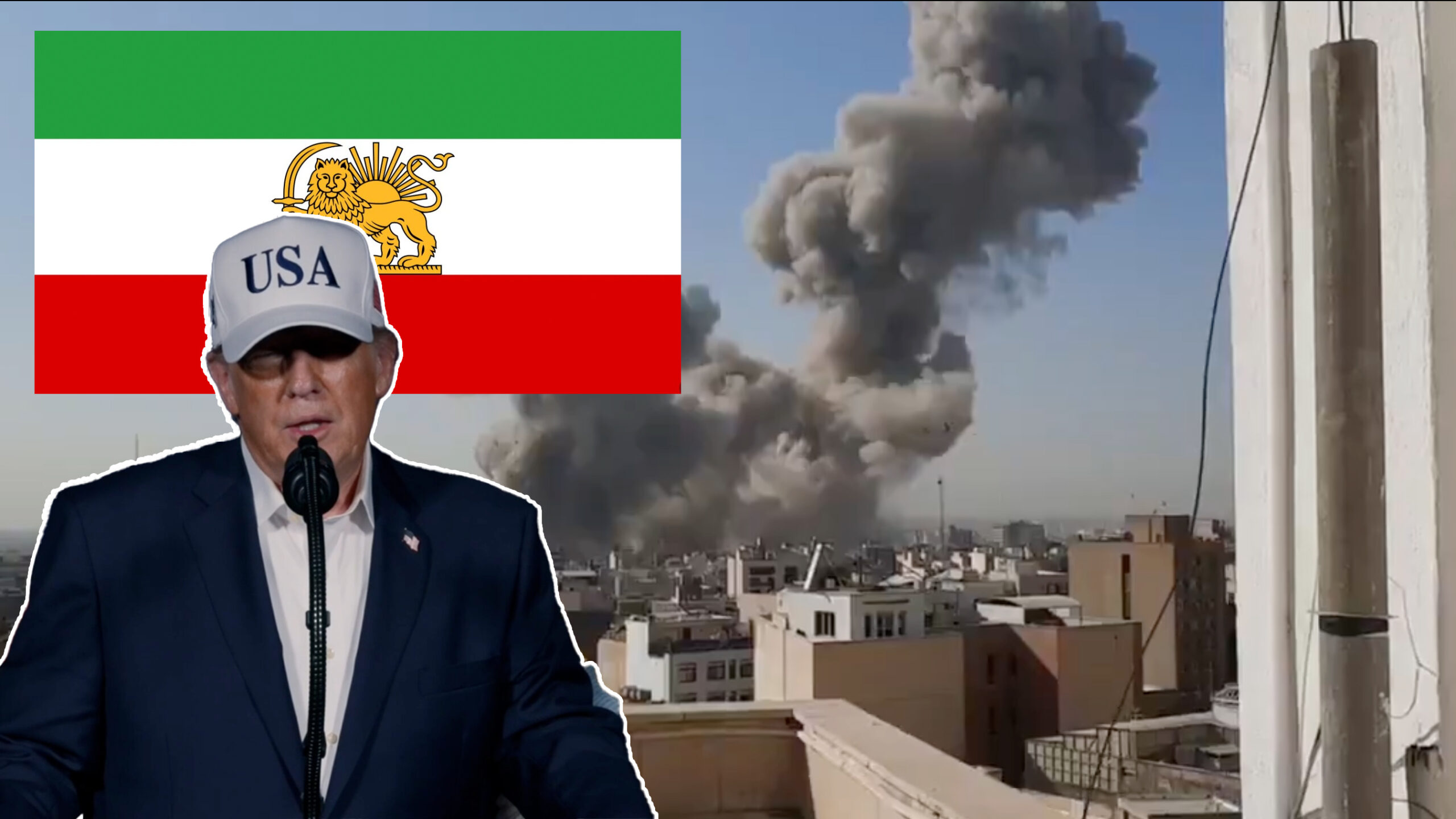
The Riksbank Governor stresses that the direct inflationary impact of the price increases seen so far, according to established relationships, is relatively limited.
Depends on How Long the Conflict Lasts
According to Thedéen, the key question for the economy is how long the conflict will last and whether it will have wider economic effects.
– Then we are talking about investments and consumption. And we know very little about that. It is very much about the duration. Will it be over quickly or will it persist for a long time?
READ ALSO: Riksbanken leaves rate unchanged
If uncertainty becomes prolonged, companies may postpone investments and households may hold back consumption, which would dampen economic activity.
According to Thedéen, the development also shows that the :censored:6:cdd6bbaa89: economy is characterized by increasing geopolitical risks.
Uncertain Situation Ahead of Next Rate Decision
The Riksbank will make its next monetary policy decision in two weeks. According to Erik Thedéen, the central bank will then take into account new information on both the economy and inflation prospects.
– With great likelihood, I will then stand and say that the uncertainty is significant.
A situation where the economy slows while inflation rises is usually described as stagflation—a scenario particularly difficult for central banks to manage.
READ ALSO: Riksbanken mismanaged—taxpayers to contribute SEK 80 billion
Economists outside the Riksbank, meanwhile, point out that a prolonged conflict may affect both growth and monetary policy. Among them are Robert Bergqvist at SEB and Annika Winsth at Nordea, whom Expressen has spoken with.
But how the Riksbank ultimately acts will depend, according to Thedéen, on how the outlook for inflation and the economy develops over the coming months.