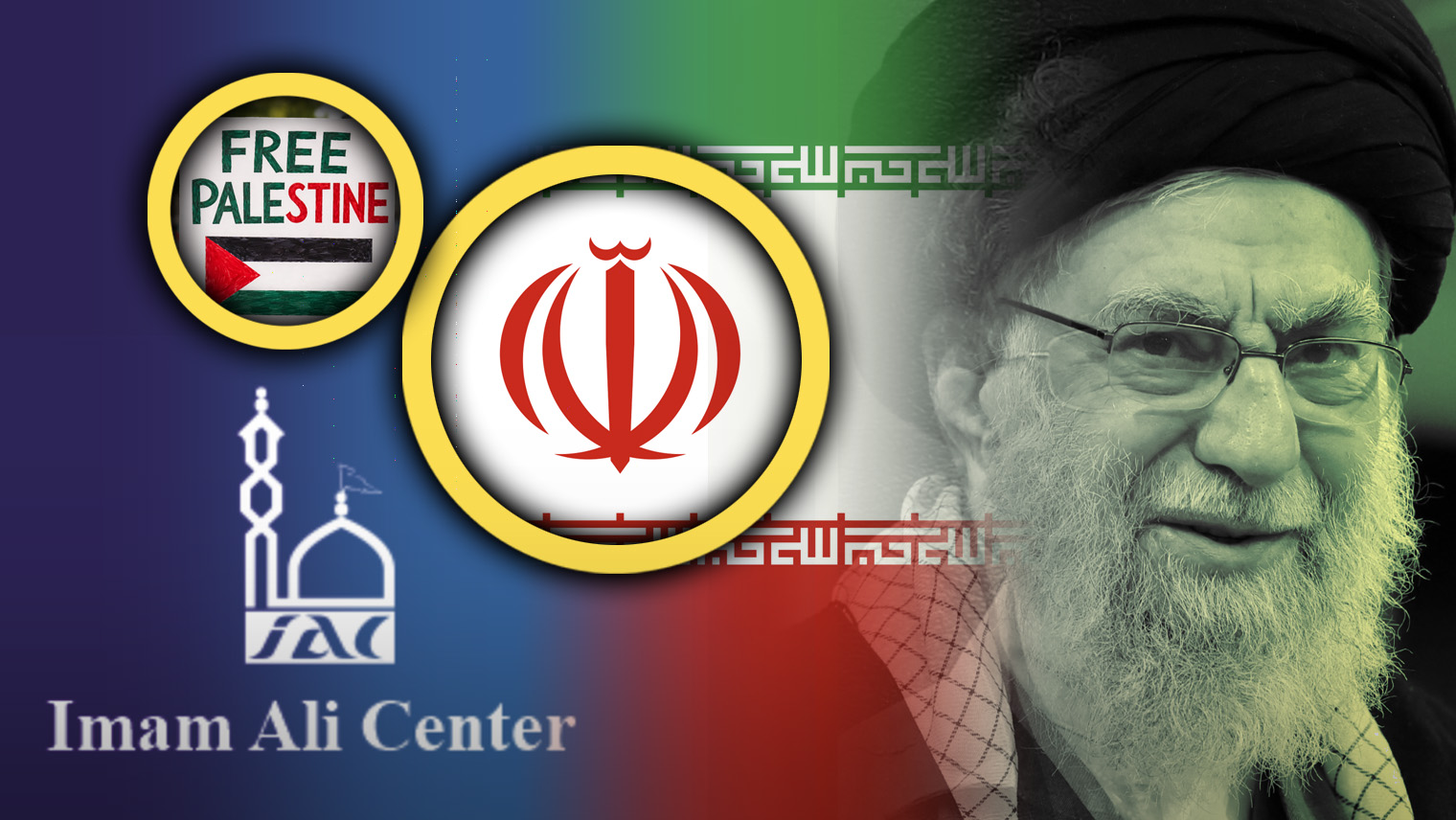
This week, a mourning ceremony was held at the Imam Ali Center in Järfälla, outside Stockholm, for Iran’s Supreme Leader Ayatollah Ali Khamenei. In the Shia Muslim mosque, participants gathered for religious rituals and commemorative words for the Islamist who, for over three decades, has been Iran’s highest political and religious authority. At the same time, regime-critical exiled Iranians gathered outside the mosque to protest against the tributes to the Iranian regime on Swedish soil.
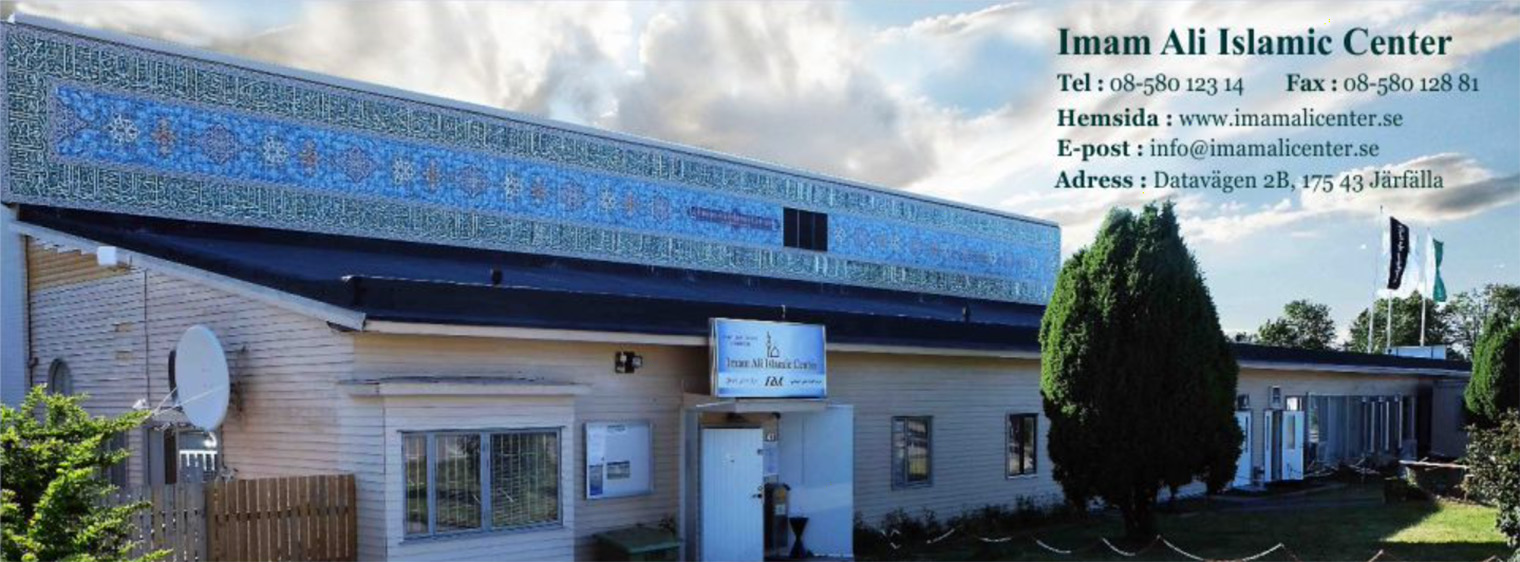
The Imam Ali Center in Jakobsberg, Järfälla, is often described as the largest Shia Muslim mosque in the Nordics and serves as a religious center for many Shia Muslims in Sweden. This week, a mourning ceremony was organized there in memory of Iran’s Supreme Leader Ayatollah Ali Khamenei.
READ ALSO: Iran: Ayatollah Ali Khamenei Has Been Killed
According to media reports, the ceremony consisted of religious rituals and memorial speeches, where participants gathered in the mosque to honor the Iranian leader. For several decades, Khamenei has been Iran’s highest political and religious leader and a central symbol for the Islamic Republic and its enmity towards the USA and Israel.
According to information previously reported by Samnytt, the organization has received a total of about 11.1 million SEK in state support since 2016. These grants have sparked debate, not least after warnings from the Security Service of ties to the Iranian state.
At the same time, Iranian regime critics gathered outside the mosque to protest against the ceremony. Demonstrators carried signs and chanted slogans against the Islamist Iranian regime. Police were present to keep the groups separated and maintain order during the gathering.
The protests reflect the deep divisions within the Iranian diaspora in Sweden and in Europe. For most exiled Iranians, Khamenei is strongly associated with the political repression of the Islamic Republic, where opposition members have been imprisoned, tortured, or forced into exile.
Iran’s Influence in Other European Countries
Similar reactions have been reported in other European countries as well. In the UK, it was recently noted that several Shia mosques held memorial ceremonies and prayer gatherings for Ayatollah Ali Khamenei after his death.
Images from these gatherings showed participants assembled around portraits of the Iranian leader and engaging in religious rituals in his memory. These events have sparked debate there as well, as Iran’s religious and political leadership is considered by many to be closely intertwined with the Islamic Republic’s power structure.
On Tuesday, March 3rd, Shia Muslims at the Imam Ali Center in Järfälla mourned the death of their great leader.
Outside, exiled Iranians celebrated with dance and song.The mosque has been investigated by the Security Service and an imam has been deported for links to terrorism. Imam Ali Center stands close to the regime in Iran.#khamenei… pic.twitter.com/CnWUACgA5v
— salle (@ROGSAHL) March 4, 2026
The mourning ceremonies in European mosques are taking place at a time when Iran is once again at the center of security policy developments in the Middle East.
In the UK, for example, the annual Al-Quds march—a demonstration in support of Palestine established by the Islamist Iranian revolutionary leader Ruhollah Khomeini after the 1979 revolution—has repeatedly become the subject of political debate.
In recent days, both the US and Israel have launched military strikes against targets linked to the Iranian regime and its regional networks, further intensifying tensions in the region.
In this context, questions around Iranian influence and political loyalties within diaspora communities in Europe have received renewed attention from both authorities and security services.
At the same time, the recurring pro-Palestinian demonstrations in Europe and Sweden have increasingly been linked to the political and ideological influence of the Iranian regime.
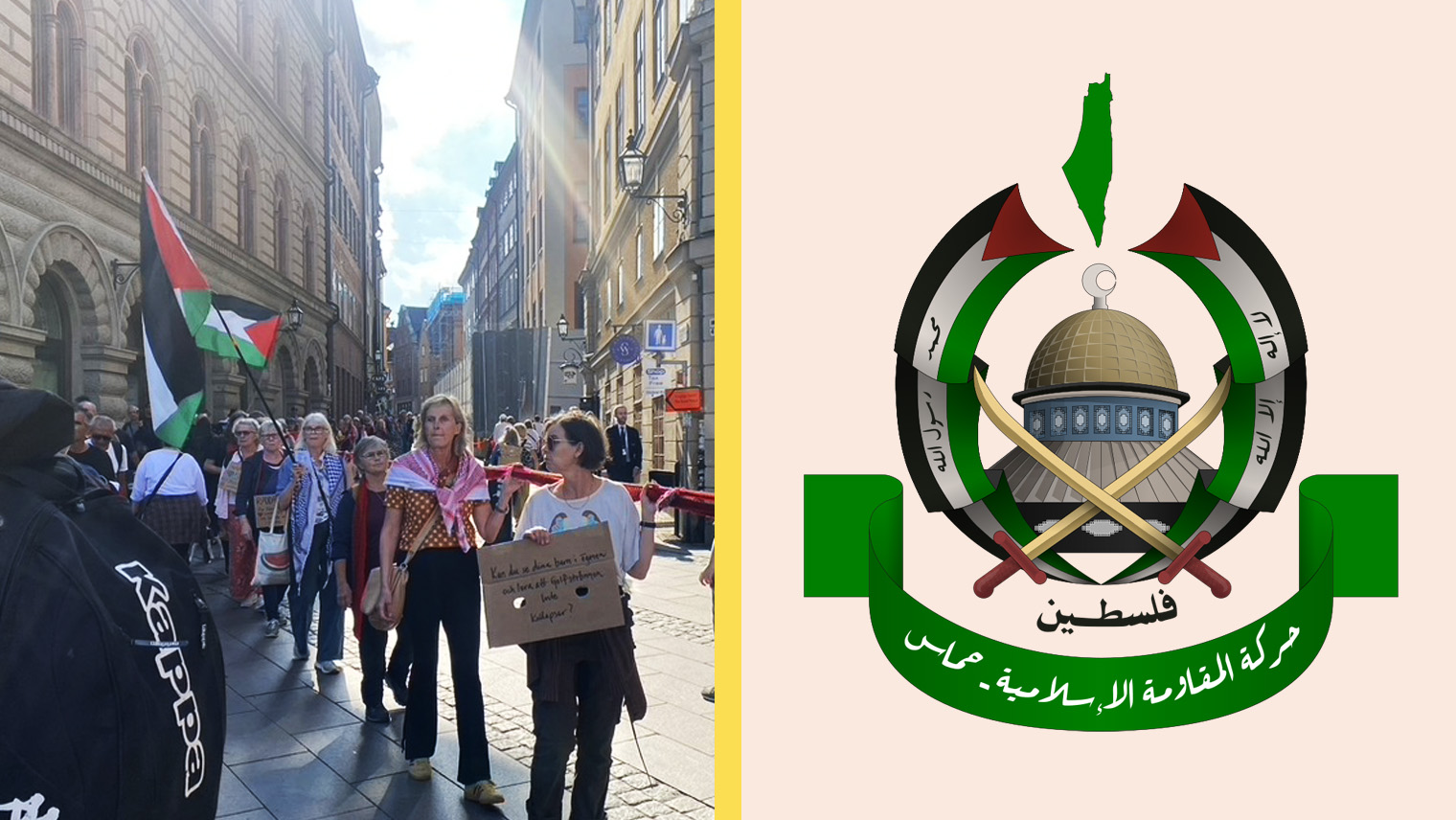
Iran has long made the Palestinian conflict a central part of its foreign policy rhetoric and provides both financial and military support to several Palestinian groups, including Hamas.
The Imam Ali Center has for several years been the focus of attention from Swedish authorities. The Security Service has in previous statements warned that Iran’s regime uses the activities at the mosque as a platform for intelligence operations in Sweden.
Several analyses and political assessments also point out that Iran-supported organizations and networks in the West participate in or mobilize around pro-Palestinian demonstrations, which has contributed to giving the protests a clearer geopolitical dimension.
READ ALSO: The Palestine Movement Praised the Ayatollah: “Martyr”
In the UK, for example, the annual Al-Quds march—a demonstration in support of Palestine established by the Islamist Iranian revolutionary leader Ruhollah Khomeini after the 1979 revolution—has repeatedly become the subject of political debate.
Critics argue that the event serves as a platform for the Iranian regime’s message in Europe, while organizers claim it is a peaceful protest in support of Palestinians.
Such events have contributed to the fact that the Palestine protests in the West are increasingly discussed within the broader context of Iranian influence, geopolitics, and security policy.
Swedish Security Service: Platform for Iranian Intelligence Activities
The Imam Ali Center has for several years been the focus of attention from Swedish authorities. The Security Service has in previous statements warned that Iran’s regime uses the mosque’s activities as a platform for intelligence operations in Sweden.
According to the Security Service, activities linked to the Iranian state have, among other things, been directed at Iranian dissidents living in exile in Europe. In assessments provided to Swedish authorities, the Security Service has also pointed to contacts between people in the mosque’s leadership and individuals with ties to the Iranian intelligence service.
READ ALSO: Iran Reportedly Hires Gangs in Sweden for Attacks and Terror
This type of activity is often described as part of the Iranian state’s attempts to exert influence over diaspora communities in Europe, while also mapping out regime critics and the opposition.
Security Service assessments were, among other things, provided in connection with authorities’ review of government grants to organizations linked to the mosque.
Chief Imam Deported for Security Reasons
The issue resurfaced in early 2025 when the center’s chief imam was deported from Sweden after being considered a threat to national security.
The decision was made within the framework of the Alien’s Act provisions on individuals deemed to pose a security threat to the country. Such decisions are normally based on security assessments from the Security Service and may be based on intelligence information that is not always disclosed publicly.
The deportation drew attention because it concerned a central religious leader at one of Sweden’s largest Shia institutions. Matters of national security are often handled under strict confidentiality, meaning details of the underlying assessments are rarely made public.
Millions in Grants from the Swedish State
The Imam Ali Center is affiliated with the umbrella organization Islamic Shia Communities in Sweden. The organization has for several years received state grants from the Swedish Agency for Youth and Civil Society.
According to information reported by the newspaper Bulletin, the organization has received a total of about 11.1 million SEK in state support since 2016. The grants have sparked debate, not least after warnings from the Security Service of ties to the Iranian state.
After the Security Service warnings, the issue has been brought up again. The Authority for Support to Faith Communities has decided to stop future state grants to the Islamic Shia Communities in Sweden.
The mourning ceremony in Järfälla for the Islamist dictator thus takes place at a point where the activities have already been subject to security and political discussions in Sweden.