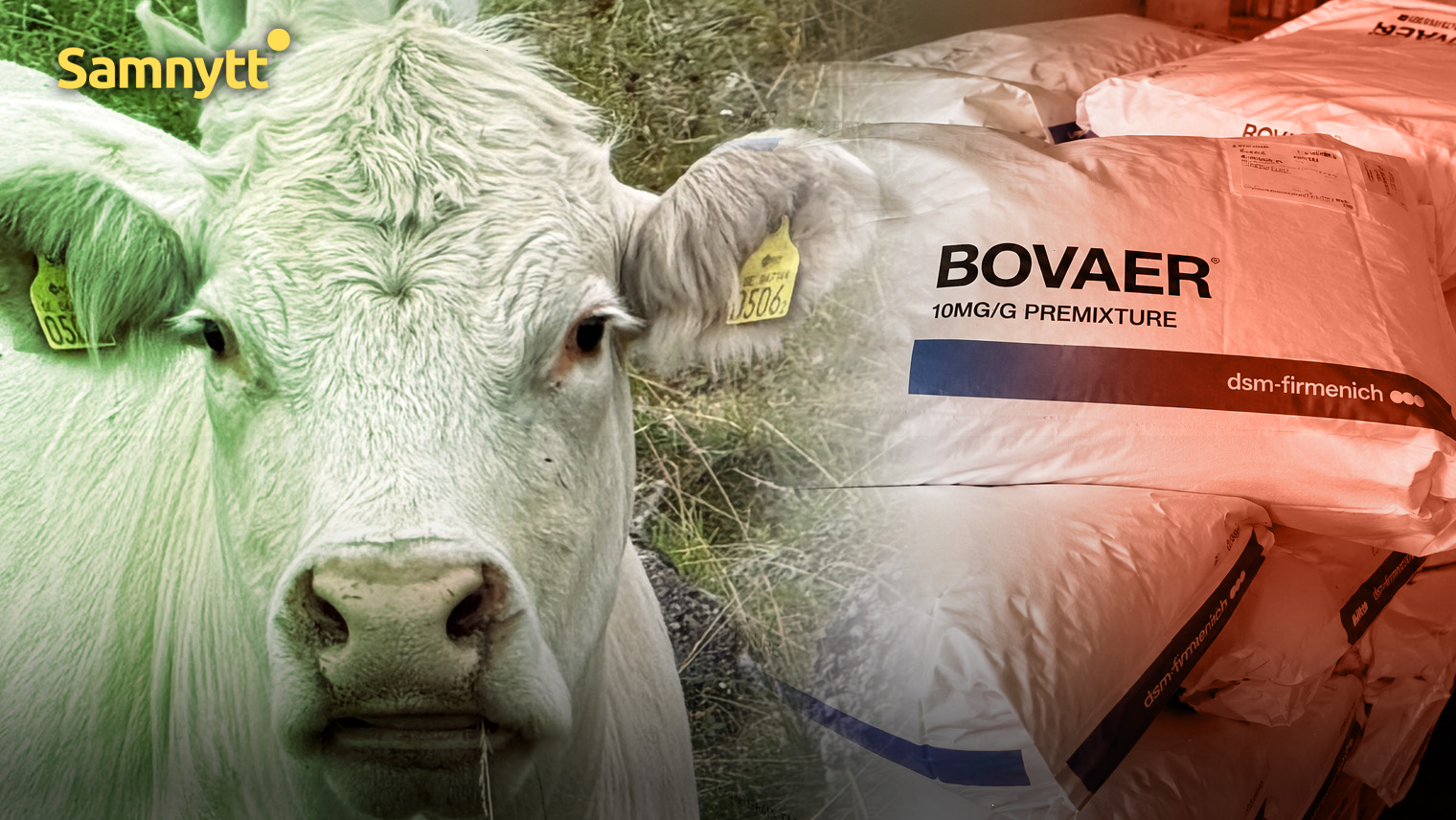
INTERVIEW • The EU is signaling a softer approach to agriculture’s methane emissions. At the same time, a conflict is brewing within the Swedish dairy industry. Claes Jonsson, chairman of Sweden’s dairy farmers, tells Samnytt that hardly any farmers want to use the controversial feed additive Bovaer and directs sharp criticism at Arla and LRF. Arla, for its part, emphasizes that Bovaer is not in use in Sweden today but does not rule out future adoption if the right conditions are met.
Claes Jonsson, chairman of Sweden’s Dairy Farmers, believes the greatest pressure on farmers no longer comes from Brussels.
– So many have bought into this climate transition and genuinely believe that cows are bad for the climate. There are many officials in various organizations, particularly LRF and Arla, he tells Samnytt.
According to Jonsson, considerable resources have been spent on climate calculations, climate programs, and various compensation systems linked to agricultural emissions.
– If we were to have a shift where cows are no longer seen as a climate problem, then much of the work built up around these models would collapse, he says, continuing:
– Then they would lose their jobs.
READ ALSO: The EU may change its view on cows’ methane emissions – Bovaer could benefit
The product is described as costly. How does this affect dairy farmers?
– It may have something to do with the EU subsidies given to those who use these products, because they are outrageously expensive. Jonsson continues:
– This is about known chemicals, so why they’re so expensive for those who use them, I just don’t get it. As far as I know, it’s just a new mixture.
Could there be an incentive for the companies making these chemicals to push this forward?
– Yes, someone just wants to make money.
Choosing the Lesser Evil
Bovaer is a feed additive developed to reduce cows’ methane emissions. The product has drawn significant international attention, not least after consumers in several countries called for boycotts of dairy products from cows fed the additive.
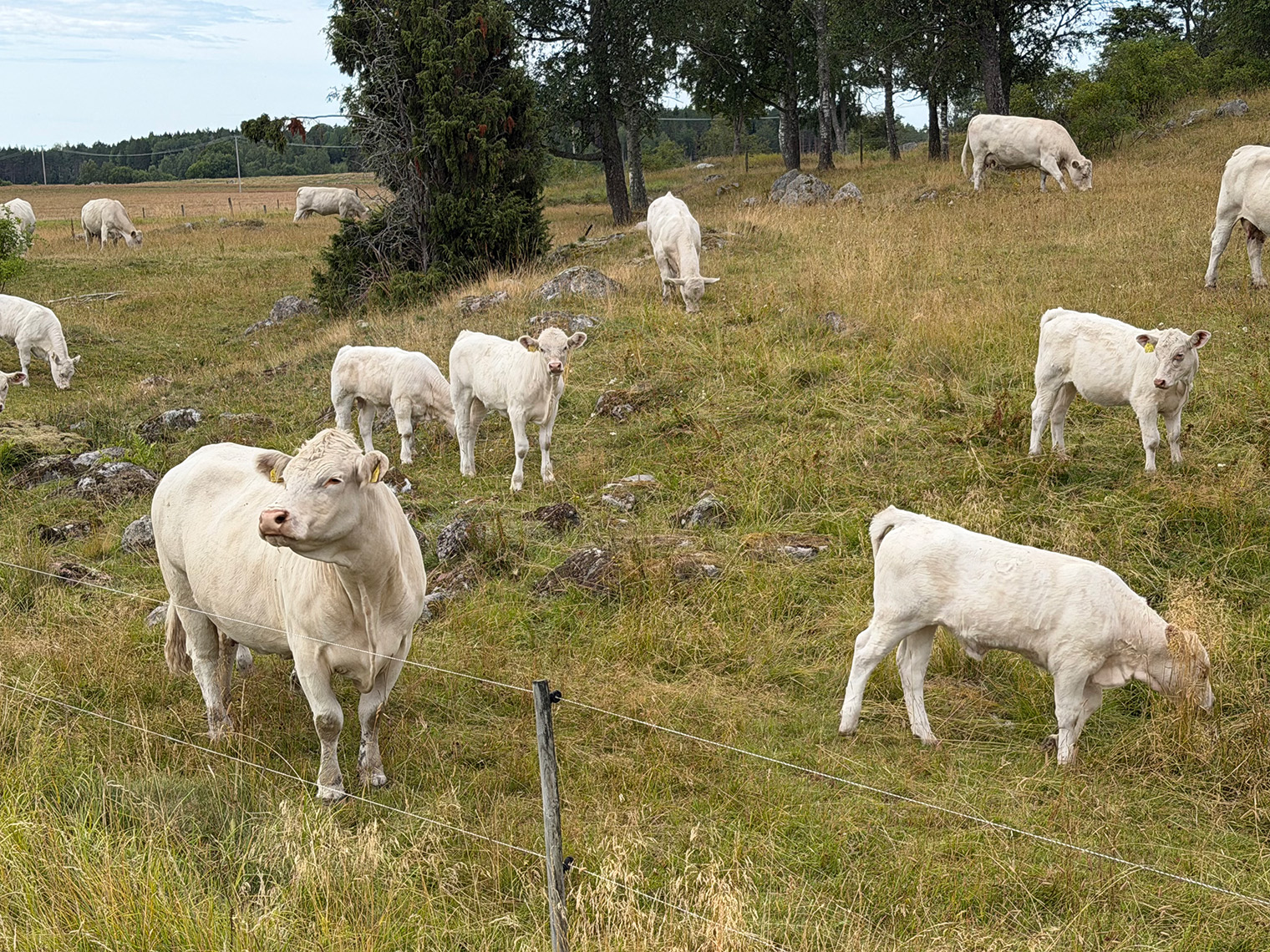
The debated feed additive has become a symbol in the climate debate around milk production. The additive was developed to reduce methane emissions from cows and is already used in Denmark.
According to Jonsson, opposition in Sweden is significant.
– No one wants to use it, he says.
READ ALSO: What the dairies say about Bovaer
At the same time, he describes how many farmers may still feel compelled to accept such solutions if the alternatives mean worse economics.
– Most probably accept using it because the alternative could be worse. That we get paid less for milk or are forced to take other measures. Then you choose the lesser evil, says the dairy farmer.
He also points to the developments in Denmark, where larger dairy farms must reduce their methane emissions and where methane-reducing feed additives are promoted as one tool.
READ ALSO: Reduced food production and “green transition” – are stores to blame for soaring food prices?
Claes Jonsson also urges consumers to select Swedish dairy products. He argues that Swedish dairy farmers do not use Bovaer today and that those wanting to avoid products from cows fed methane-reducing additives should therefore buy Swedish milk.
It’s so damn stupid that words fail. I think every reasonably intelligent person should be able to understand how foolish it is to blame an animal for destroying the climate through its natural digestion.
Claes Jonsson, chairman of Swedish Dairy Farmers
At the same time, he stresses that the debate over Bovaer also risks harming the Arla brand, as many consumers don’t know the difference between Swedish and Danish production.
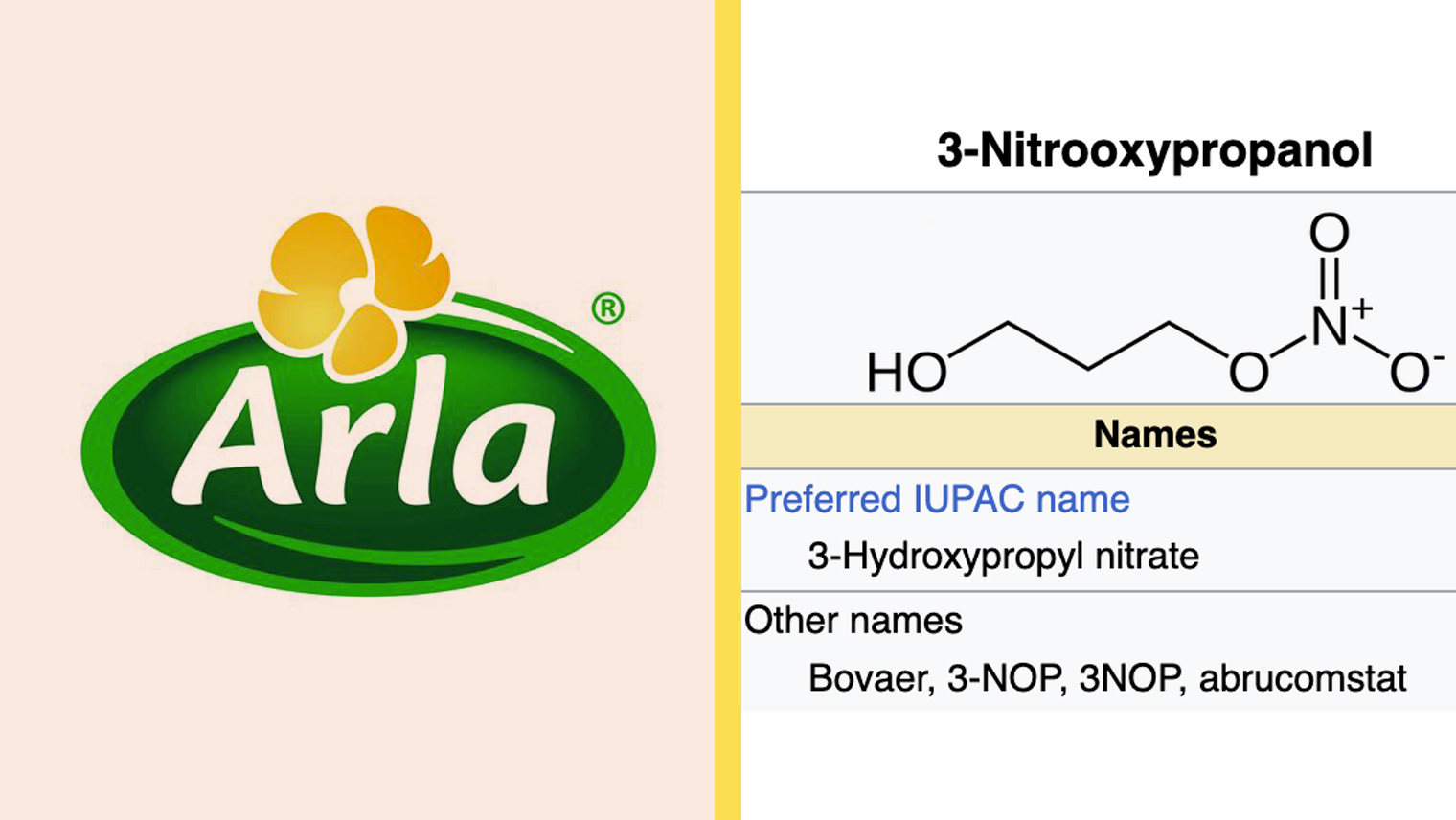
Some say climate priorities mean allowing more chemicals and environmental toxins in our food. Do you agree?
– Yes, we have proof of that, because we saw what happened in Denmark with Bovaer. And unfortunately, the Danes have not yet come to their senses and changed this. He continues:
– They have had major problems with their animals.
READ ALSO: Cows collapse from the climate feed Bovaer in Denmark – Concern spreads to Sweden
Critical of How Cows Are Viewed
Jonsson is also highly critical of how methane emissions from cows are handled in climate policy.
What’s the biggest misconception about cows and methane emissions?
– It’s so damn stupid that words fail. I think every reasonably intelligent person should be able to understand how foolish it is to blame an animal for destroying the climate through its natural digestion.
READ ALSO: Producer paid for study claiming controversial climate chemical in dairy cows is safe
He describes methane as part of a natural cycle and questions why cows are suddenly singled out as a climate problem.
– If cows destroyed the climate, why didn’t they do it a hundred years ago, or thousands of years ago? he asks.
He also notes that the number of dairy cows in Sweden has halved since the 1980s and 1990s, while productivity has increased.
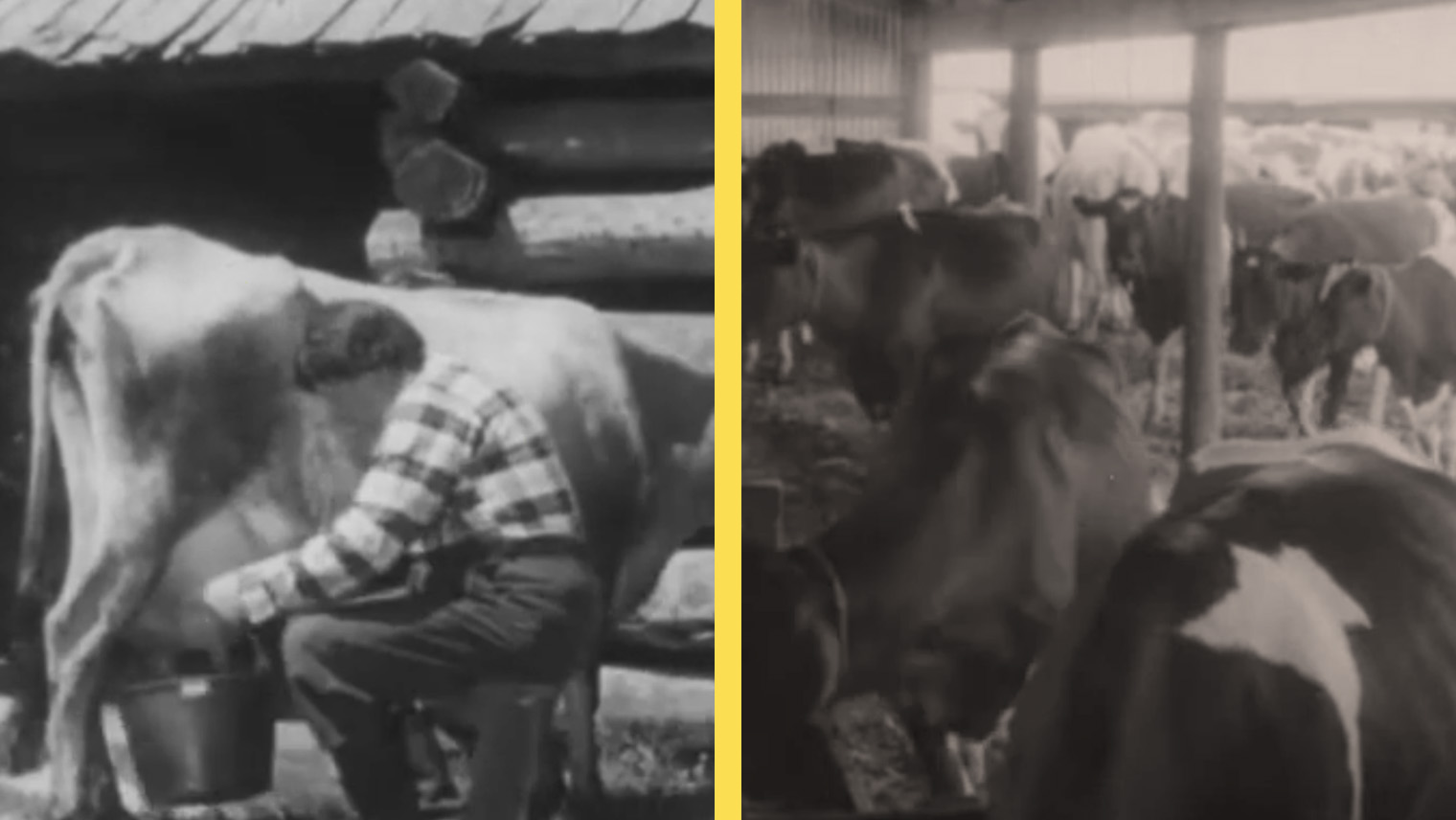
– I think it’s an achievement by those who have tricked people into this.
Would you call it a fraud?
– Yes, it’s a fraud. Because if it weren’t, the climate would have been ruined long ago.
Arla: “No Projects in Sweden”
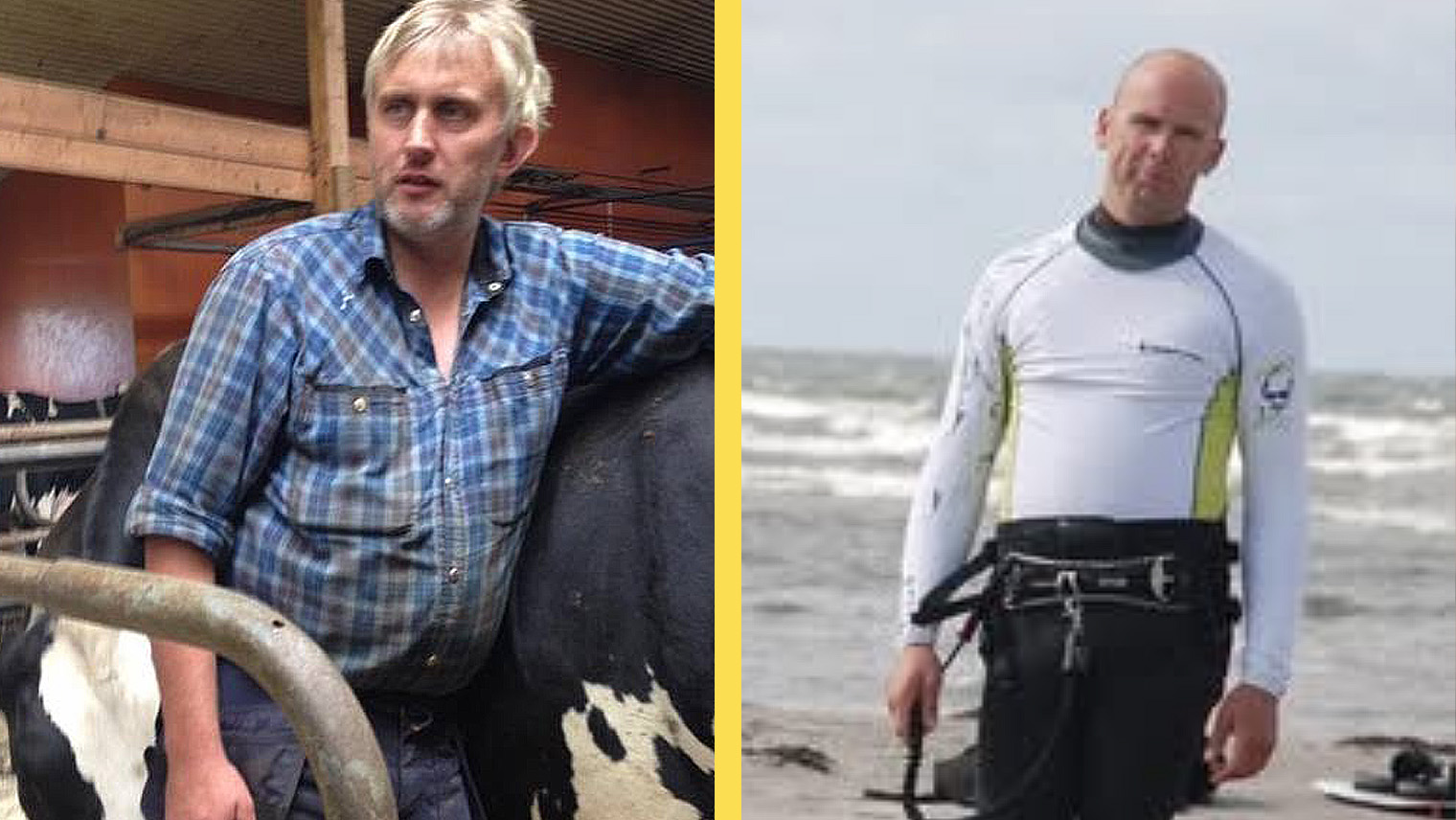
Samnytt also contacted Gustav Kämpe, dairy farmer and board member of Arla, for an interview. He canceled the planned interview but submitted a written response.
That Arla chose not to participate in an interview also means several questions remain unanswered. Samnytt therefore received no opportunity to ask follow-up questions about why the company still sees methane-reducing feed additives as a possible tool, its view on criticism from parts of the dairy farmers, or under what circumstances Bovaer could become relevant in Sweden.
According to Kämpe, Arla is working on several measures to reduce the climate impact of milk production and sees feed additives as one of several possible tools. He also emphasizes that Arla currently has no projects in Sweden where Bovaer is in use.
“In Sweden, we currently have no projects for the use of methane-reducing feed additives such as Bovaer.”
At the same time, he does not exclude that such solutions could become relevant in the future.
“If feed additives are to be used going forward, there must be an economically sustainable model.”
READ ALSO: Arla feeds cows with methane-suppressing additive developed by Bill Gates
He also points out that any future measures must be safe for the animals and safeguard the quality and food safety of milk for consumers.
That Arla chose not to participate in an interview also means several questions remain unanswered. Samnytt therefore received no opportunity to ask follow-up questions about why the company still sees methane-reducing feed additives as a possible tool, its view on criticism from parts of the dairy farmers, or under what circumstances Bovaer could become relevant in Sweden.
“We Need a Level Playing Field”
Asked what politicians should do for Swedish milk production, Claes Jonsson primarily calls for equal competition.
– The simple answer is equal terms. This applies to taxes, laws such as grazing requirements, and other rules and administration. We need politicians, both in Sweden and the EU, who stand up for our agriculture. I don’t think we fully have that today, he says.
READ ALSO: Warning: Soon No Dairy Production Left in Northern Sweden
The issue of methane emissions and methane-reducing feed additives is expected to gain importance as the EU over the coming years negotiates the future of agricultural policy and how the climate impact of animal-based production should be calculated.