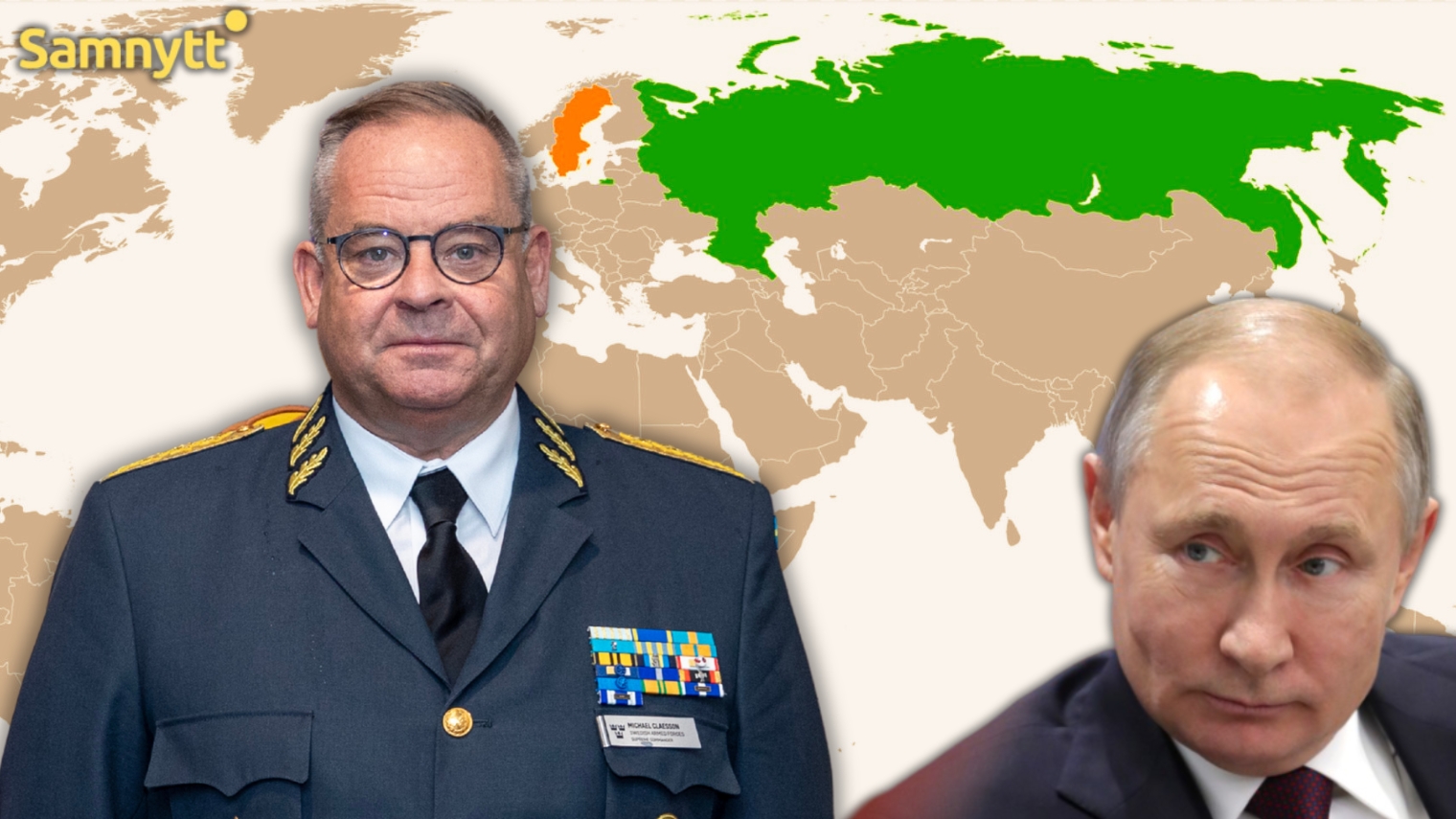
Russian representatives claim that the country has no plans to attack the EU or NATO, instead describing the ongoing war as a result of the years-old conflict in eastern Ukraine and NATO’s expansion closer to Russia’s borders. Regardless of how one chooses to view this information, sources within the Swedish Armed Forces, cited by Svenska Dagbladet, also assess that the risk of a Russian military attack on Sweden or NATO is low. Despite this, Supreme Commander Michael Claesson believes that Swedes now need to be mentally prepared for the possibility that Russia could target Sweden with an attack.
One of the most discussed security policy scenarios within NATO is that Russia might try to test the alliance’s cohesion through a limited attack on a single member state. Several countries along NATO’s eastern flank, including Finland, Poland, and the Baltic states, have warned of this risk over the past year.
According to Supreme Commander Michael Claesson, it cannot be ruled out that such an action could instead be directed at Sweden, not least because Sweden is one of the states that provides extensive support to Ukraine.
– The risk of sabotage is entirely apparent for all states that support Ukraine, he states in SvD.
READ ALSO: Government: Sweden attacked first in a NATO–Russia war
The Supreme Commander does not describe a scenario where large Russian invasion forces roll across Swedish borders. On the contrary, a traditional military attack on Sweden or any other NATO country is still considered unlikely, mainly because large parts of the Russian army are tied up in the war in Ukraine.
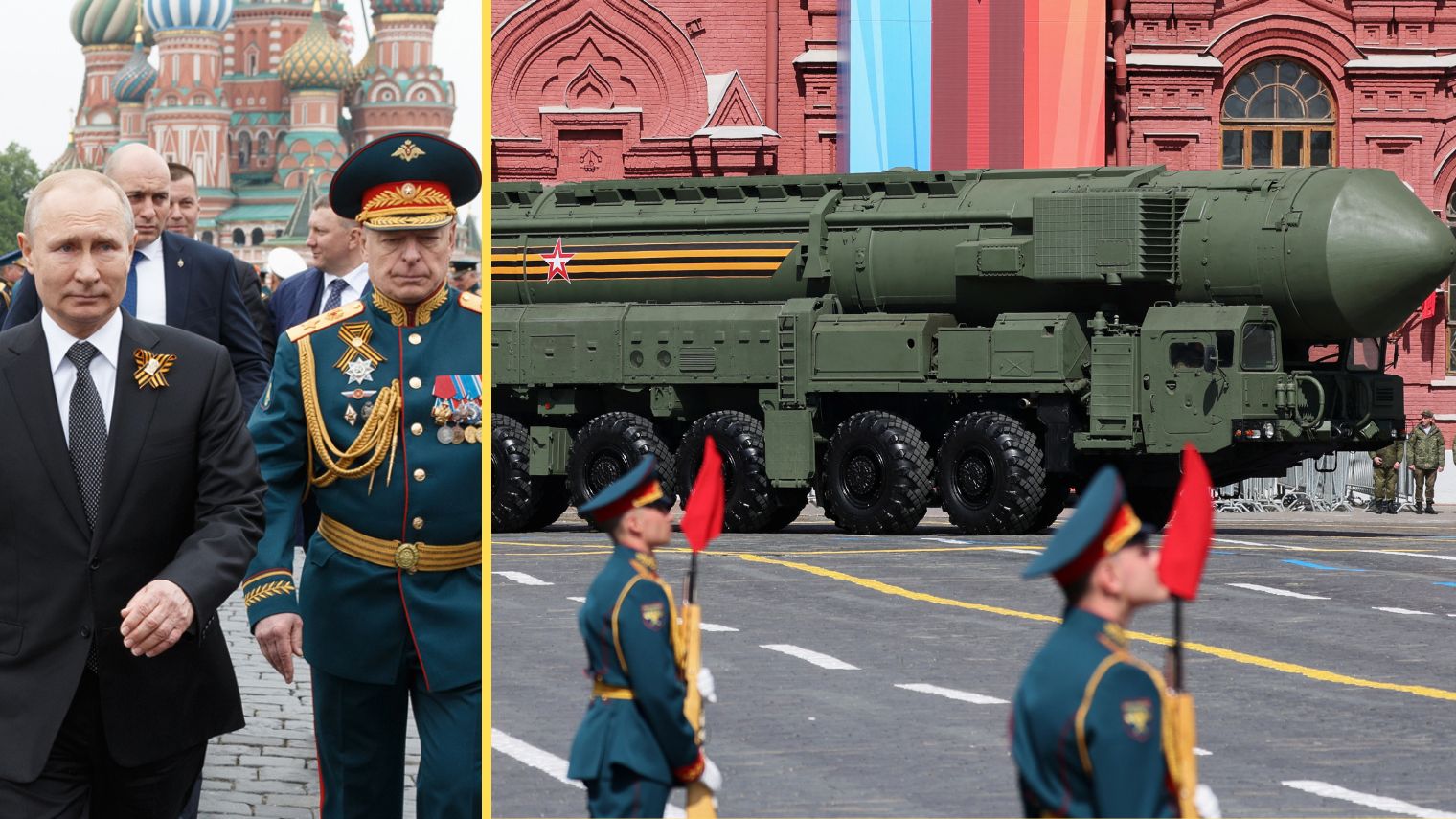
The threat instead is said to involve more limited military actions, sabotage, and various forms of hybrid warfare intended to test the readiness of Sweden and NATO.
He believes these could involve military operations with special forces, on a smaller scale. Operations to investigate, measure, and test Sweden’s response patterns—both politically and militarily.
READ ALSO: Swedish Supreme Commander lectures Trump: Fight less in Iran and more in Ukraine
The Supreme Commander’s view is that such developments could occur with very little or no warning at all. Furthermore, the Armed Forces point out that today’s threat scenario not only consists of traditional military operations but also includes information influence, sabotage, and other actions aimed at undermining trust in society’s institutions and creating uncertainty before a possible conflict.
Russian presence in the Baltic Sea
Meanwhile, the Armed Forces monitor developments in the Baltic Sea around the clock. During the spring and early summer, Swedish authorities several times boarded vessels linked to the Russian shadow fleet.
Subsequently, Russia has changed its behavior by allowing these ships to travel openly under the Russian flag and, in some cases, to be escorted by warships or guarded by armed personnel.
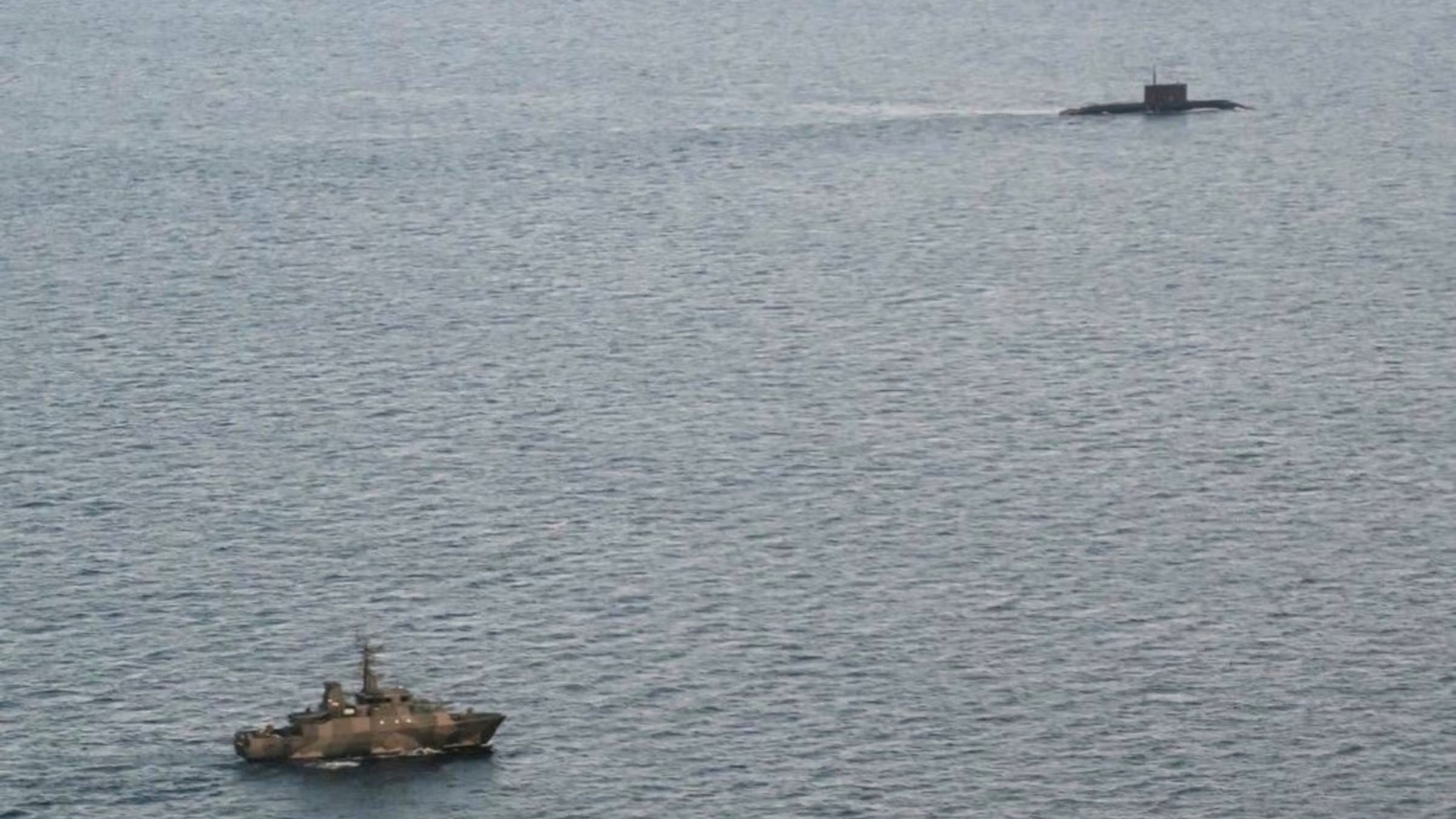
Sweden could face Russia in the Baltic Sea
According to the head of the Armed Forces operations command, Ewa Skoog Haslum, the Russian development of escorting merchant ships to raise the threshold for EU intervention is an “escalation.” This comes despite the fact that the measure follows EU countries boarding and seizing these ships, citing sanctions.
READ ALSO: Armed Forces on the flag campaign: “We want to move away from macho culture”
Ewa Skoog Haslum states that Sweden has plans and preparedness for different scenarios together with other Swedish actors.
– I maintain that it is an escalation. It is part of their deterrence and we have plans together with other authorities, should it escalate, she tells SvD.
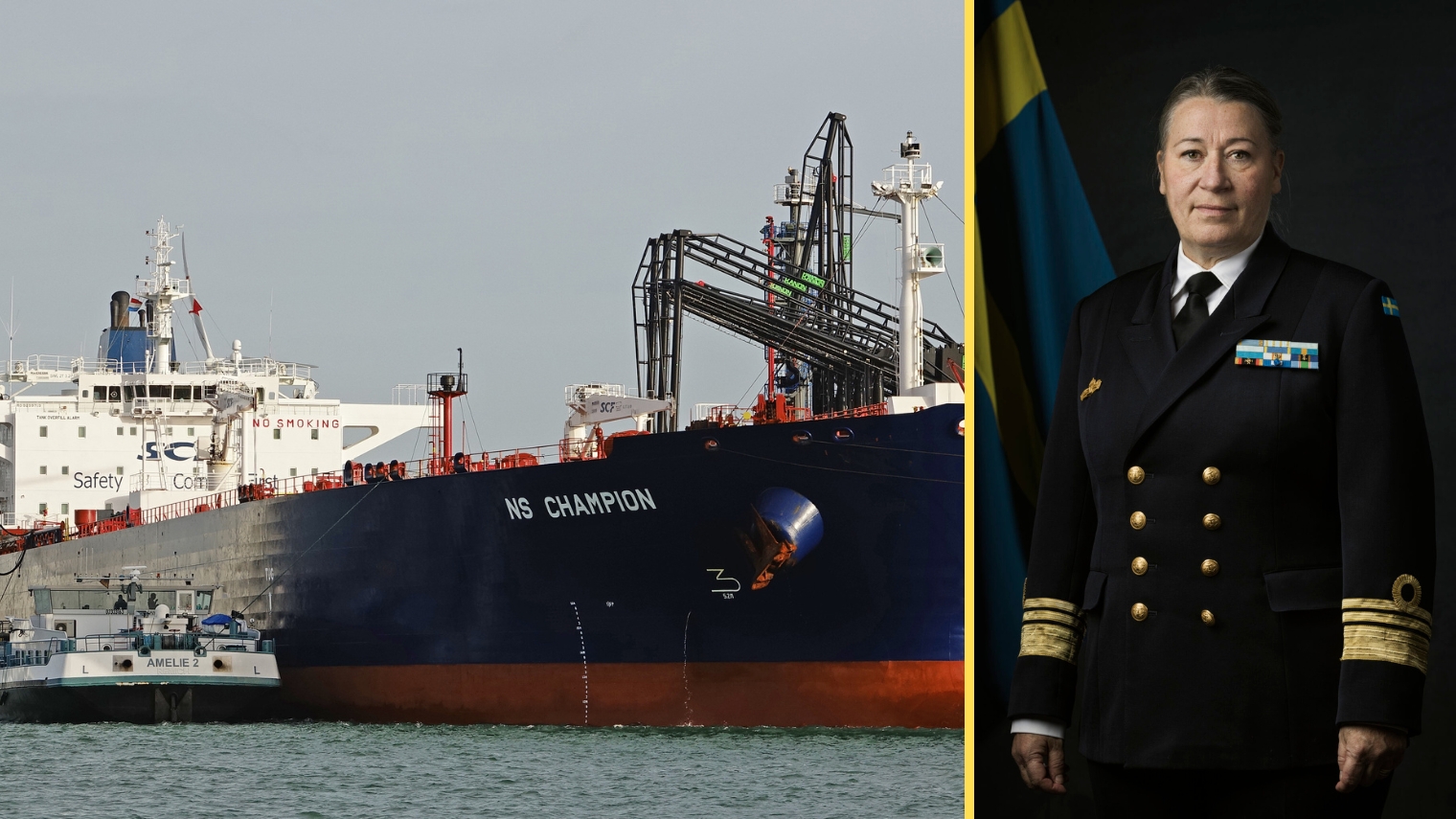
At the same time, one of the biggest challenges is to assess whether incidents involving Russia in the Baltic Sea area are due to mistakes or are deliberate attempts to test the West’s reactions.
READ MORE: Finnish security service: Russia not behind cable damages in the Baltic Sea
Swedes must be “mentally prepared”
Michael Claesson emphasizes that his message is not about causing alarm, but about raising awareness of the security situation and strengthening Sweden’s resilience.
– Without wanting to cause fear in any way, we need to create awareness that there are long-term strategic goals from the Russian side that are antagonistic. We must understand that this is a problem we must constantly assess. And when we do that, we are also mentally and practically better prepared if it happens, the Supreme Commander tells SvD.
READ ALSO: Criticism of the Armed Forces’ participation in Pride: “You should be politically neutral”