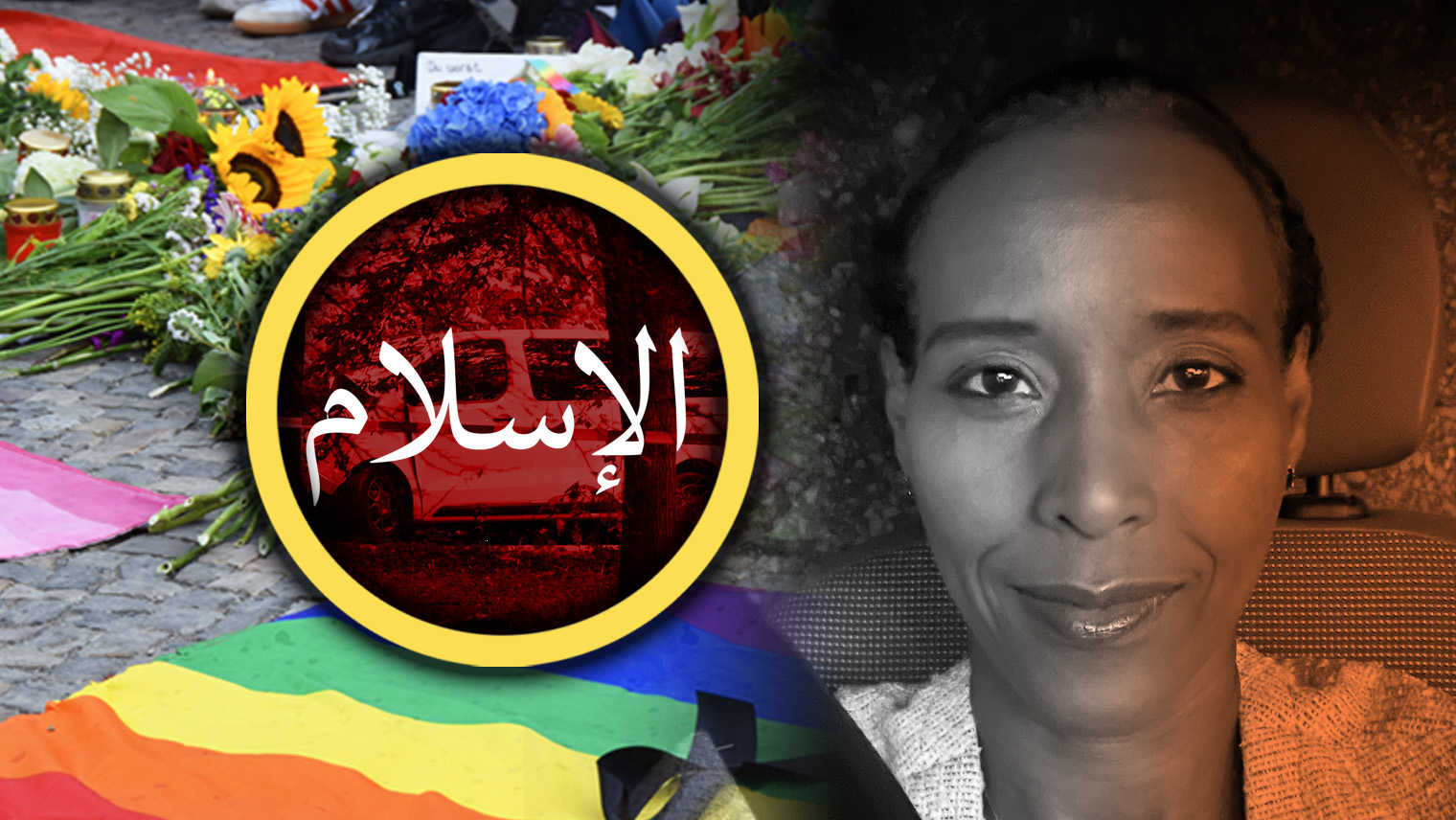
When an Islamist drove into the Pride celebration in Berlin and then continued the attack with a machete, Mona Walter’s first reaction was not surprise. Rather, it was resignation and anger. After years of warnings, she argues that Europe still refuses to discuss what she sees as the underlying ideology. In a lengthy interview with Samnytt, the former Muslim talks about jihad, the responsibility of the media, the difference between multi-ethnicity and multiculturalism—and why she says Sweden made her “a whole human being.”
Mona Walter responds from her home outside Stockholm. She has been sick for several days. Her voice is still hoarse from the fever, but when the conversation turns to Berlin, her tone quickly changes.
“I am so tired of these questions,” she says.
She is not referring to the journalists’ questions. Walter means that she feels she is giving the same answers after yet another Islamist terror attack.
“This is not the first time. This is jihad. We must call it what it is. Jihad against kufar. And it will continue.”
I am more angry at the politicians and the ‘journalists’ than at the jihadists. The latter are just doing what is in the book they believe in. Politicians and the media have covered up what Islamism stands for over decades. They have not wanted to talk about what this ideology means for Western societies.
Mona Walter, social worker and commentator
For almost an hour she comes back several times to the same point. According to her, Europe is stuck in a pattern where each attack is treated as an isolated incident, while the ideological background fades into the background.
“They analyze the symptoms, but never the disease. These people are ideologically motivated. That’s what we have to dare discuss.”
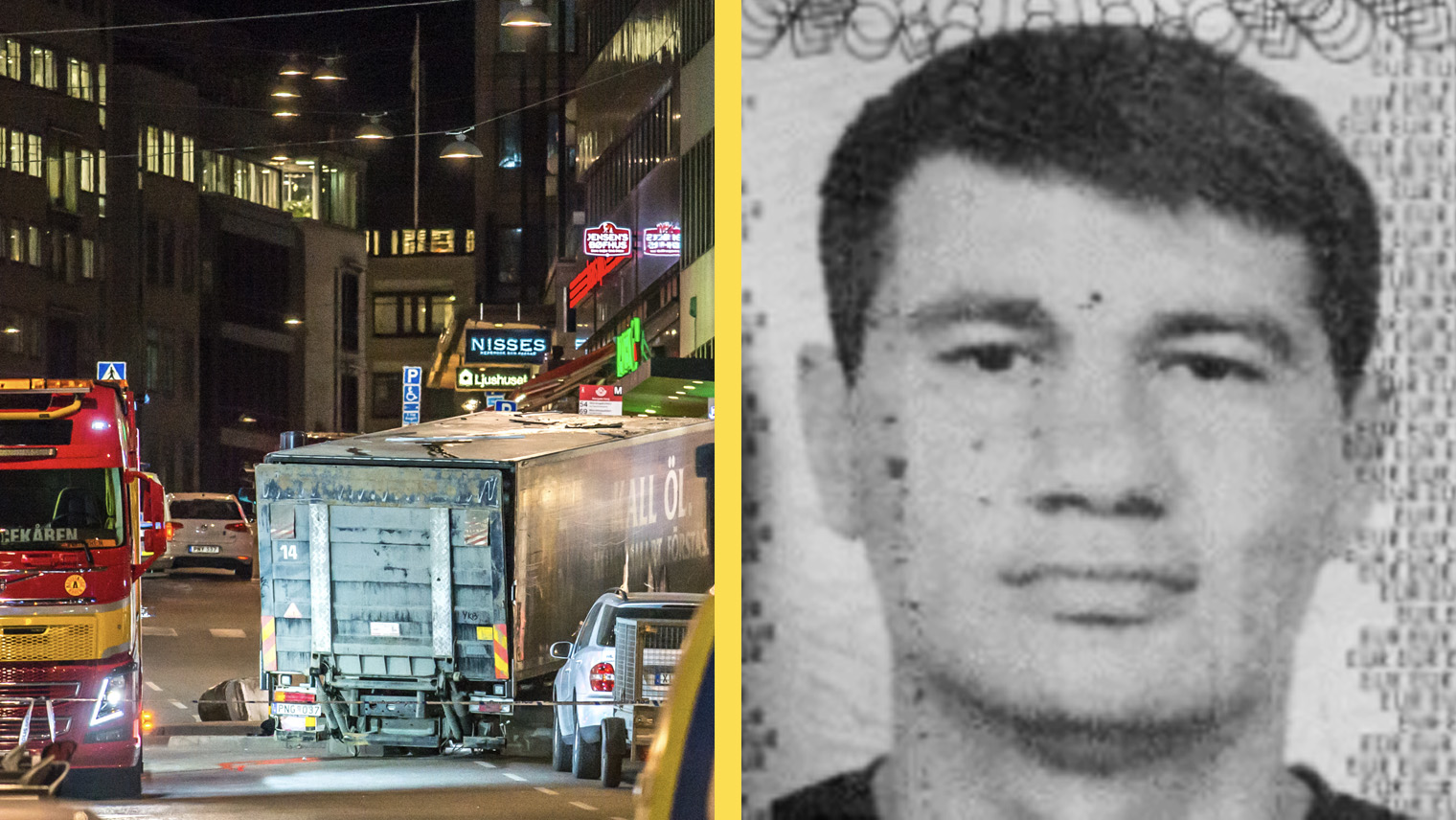
“I’m Angry at Those Who Made It Possible”
It is easy to think that her anger is primarily aimed at the terrorist in Berlin. But that’s not the case. Her sharpest criticism is directed at European politicians, opinion makers and the media—the enablers.
“I am more angry at the politicians and the ‘journalists’ than at the jihadists. The latter do what is in the book they believe in. Politicians and the media have, for decades, concealed what Islamism stands for. They haven’t wanted to say what this ideology means for Western societies,” says the commentator.
I want to defend the society that gave me freedom. It’s not about skin color. It’s about values. I have no problem with a multi-ethnic society. I’m part of it myself. But I don’t think all cultures can automatically be combined just because people live in the same country.
Mona Walter, social worker and commentator
Walter believes the debate often stops at the perpetrator. She wants to discuss the world of ideas that she believes motivates the violence. She refers to her own experiences from mosques in Sweden.
“I heard imams describe the West as morally bankrupt and talk about how the Islamic world would take over. For me, this was nothing new. I heard it myself.”
READ ALSO: “We already live as dhimmis”—Mona Walter on Islamism’s silent war against Sweden
“Islam Is Not an Ethnicity”
A recurring theme in the interview is language. Walter argues that Swedish debate has for a long time conflated criticism of Islam with criticism of people.
“Islam is not a race. A Muslim can be a blond Swede, African, Chinese, or Arab. It’s about a religion and an ideology. Not about skin color. Still, people are called racists when they criticize Islam. What does race have to do with it?”
I became a whole person when I came to Sweden. A one hundred percent human being. I wanted to embrace the culture that set me free.
Mona Walter, social worker and commentator
She believes this development has made many unwilling to discuss the topic at all.
“The discussion is no longer about ideas. It’s about casting suspicion on the person who asks the questions.”
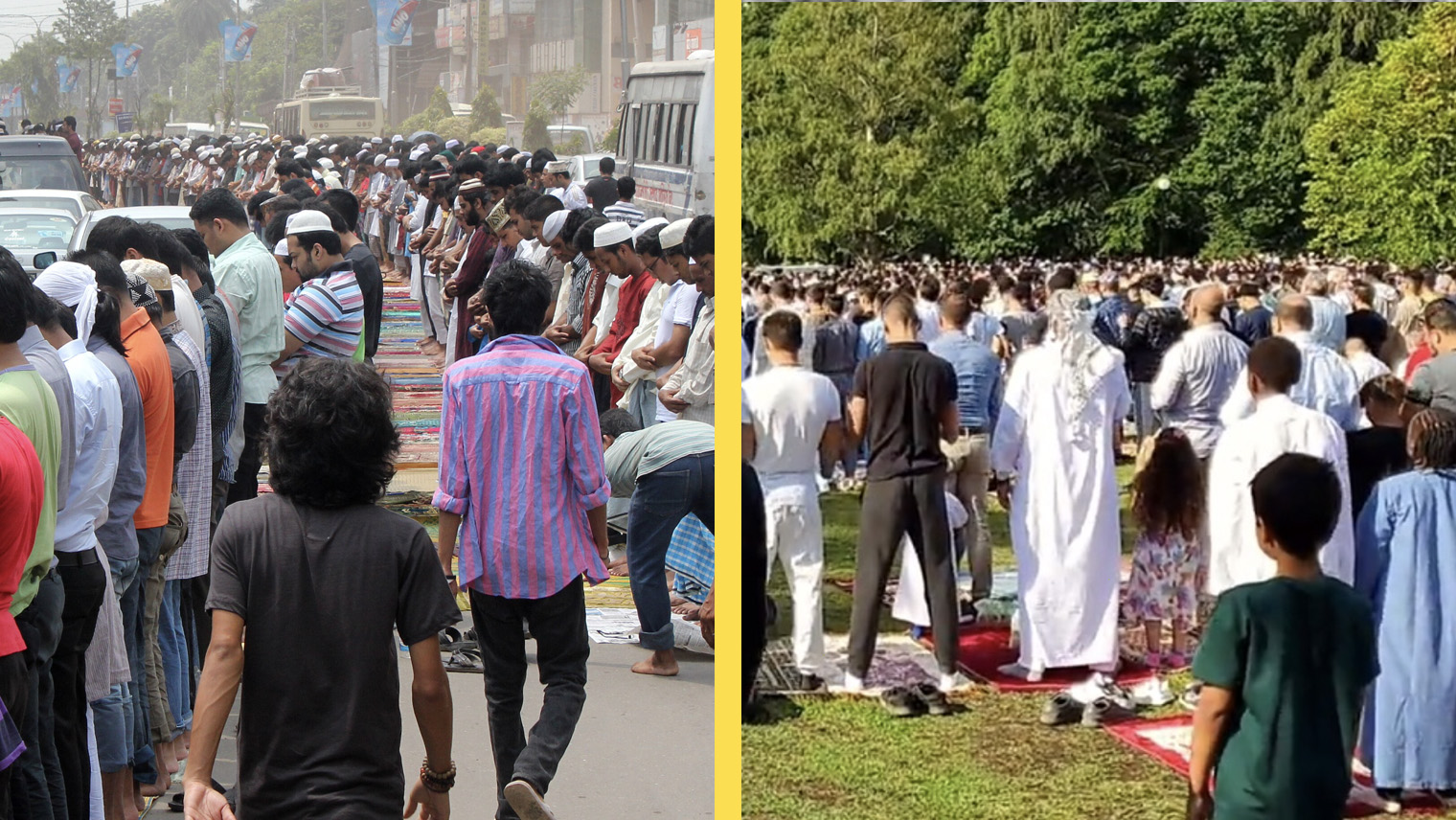
It is only a bit into the interview that the conversation gets personal. Walter describes her own journey from Somalia to Sweden as crucial for how she sees today’s Europe. She says the encounter with Sweden changed her view of both society and herself.
“I became a whole human being when I came to Sweden. A one hundred percent human being. I wanted to embrace the culture that gave me freedom.”
READ ALSO: Mona Walter on the Minnesota affair, Somali culture, and why Sweden is particularly vulnerable
She returns to that phrase several times—the freedom to shape one’s own life. That women and men are treated equally before the law. That people are free to say what they think. This is also why she reacts so strongly when she sees the development after attacks like the one in Berlin.
“I want to defend the society that gave me freedom. It’s not about skin color. It’s about values.”
Walter says she often feels that two different questions are mixed up. One is about people. The other is about ideas and cultural norms.
“I have no problem with a multi-ethnic society. I’m part of it myself. But I don’t think all cultures can automatically be combined just because people live in the same country.”
READ ALSO: SD leader releases book on Islam: “The threat is existential”
She argues that social cohesion is not determined by people’s origins, but by the norms and values they share.
“A society is not built on skin color. It is built on laws, norms, and values. If people believe in the same fundamental principles, it matters little where they were born.”
However, Mona Walter is critical of what she describes as a multicultural ideal where all cultural norms are seen as equivalent.
“Cultures don’t just come with food, music, and spices. They also come with values. Then we must be able to discuss which values actually work in a democratic society.”
Are there cultures that are better than others?
“Yes, absolutely, the Western world is a better culture. That’s why I say this culture made me a whole human being. I come from a culture that… I was half… or at least I was taught I was half.”
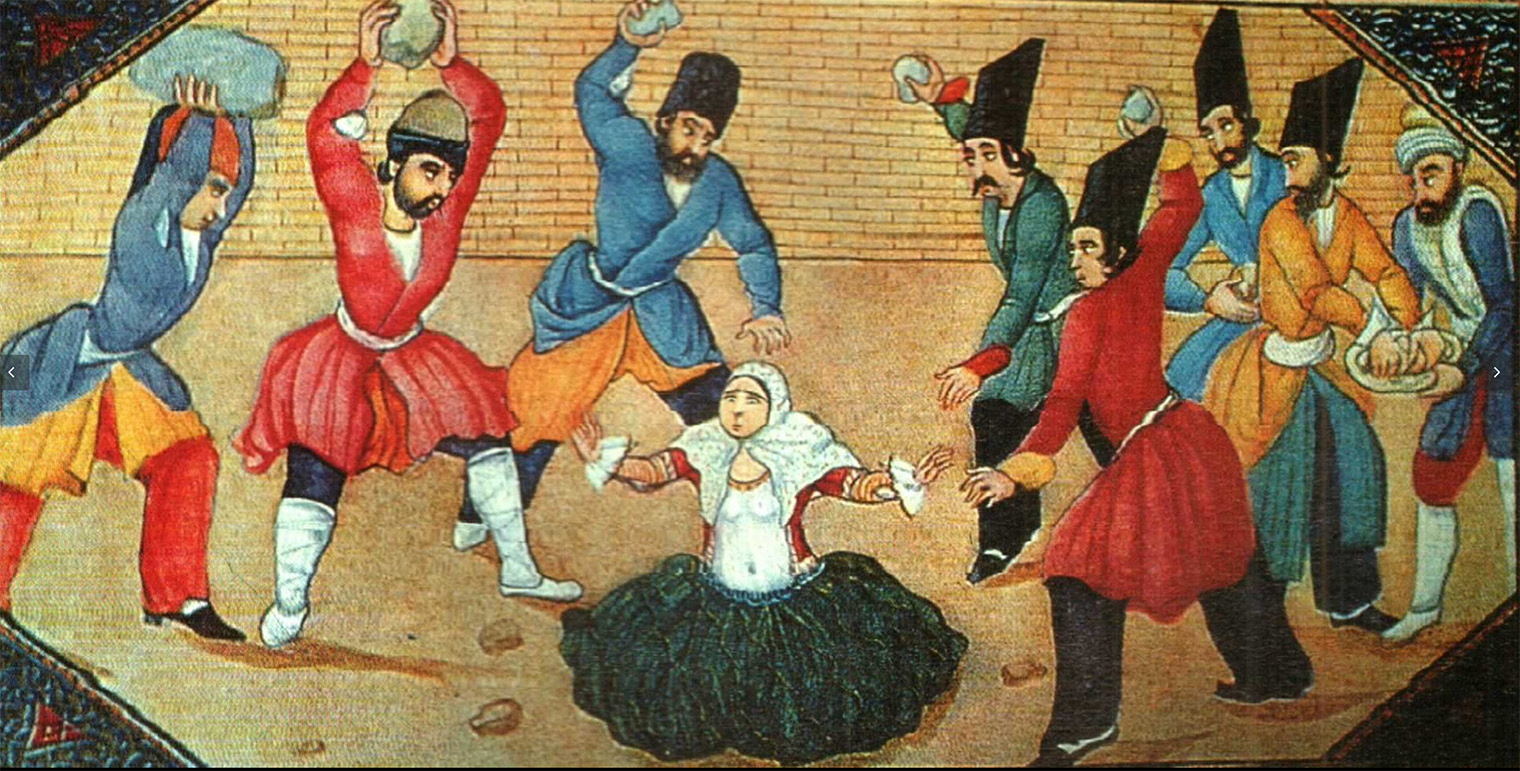
As examples of Islamic culture she mentions female genital mutilation, cousin marriages, child marriages, oppression of women, and hatred of homosexuals. Walter contrasts these with what she describes as the Western culture’s emphasis on human rights, women’s rights, and the freedom of the individual.
The Role of the Media
Walter consistently criticizes Swedish journalism. She believes many newsrooms have long been reluctant to discuss Islamism’s ideological dimension.
They don’t want to paint Islam in a bad light. They don’t want to associate Islam with jihadists and terrorists. And they need these voters. They need their votes.
Mona Walter, social worker and commentator
She gives as an example the reporting after the Berlin terror attack.
“I think people avoid putting the words Islam and terror next to each other. The focus is quickly shifted to other issues. Then you risk missing what motivates the perpetrators.”
She believes journalism’s task is to describe reality, even when it is politically uncomfortable.
“If people don’t dare talk openly about problems, it becomes hard to solve them.”
READ ALSO: The only thing that can never be the problem
After the Islamist terror attack in Berlin, Jonas Gardell and several other left-wing newspapers, including ETC, went out and linked the violence to the right and not to Islam. How do you comment on that?
“They don’t want to paint Islam in a bad light. They don’t want to associate Islam with jihadists and terrorists. And they need these voters. They need their votes,” Walter reasons.
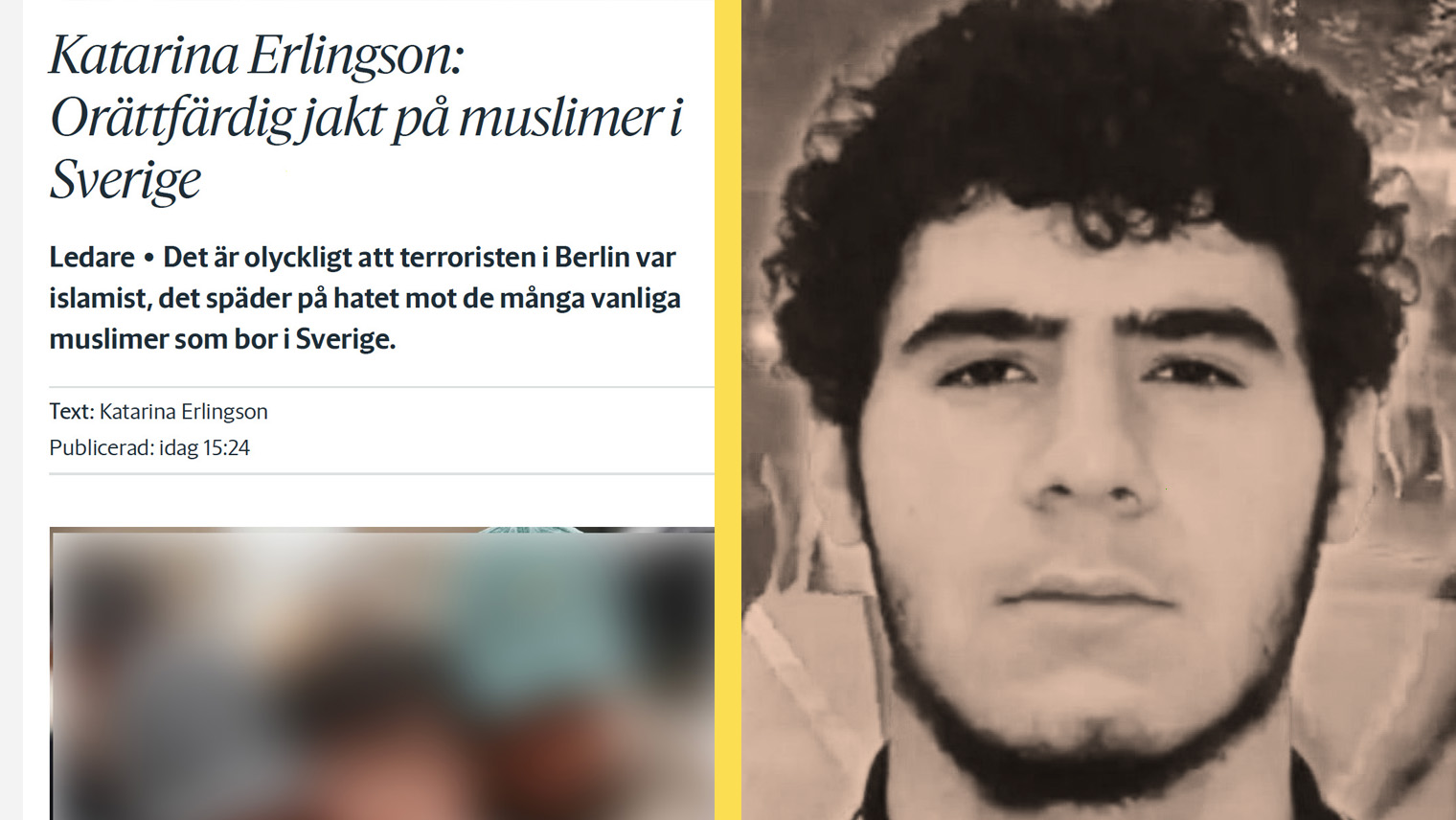
Walter believes there are both ideological and political reasons why, according to her, parts of the left avoid criticizing Islam. She claims that many left-wing commentators are ideologically tied to the multicultural project and that Muslim voters have become a more important electoral group for left-wing parties.
The same thing happens every time. The act is condemned, but very rarely does anyone talk about the ideology the perpetrator themselves refers to. Then we will keep discussing the same problem over and over again. Berlin shows the price of the left’s alliance with Islam.
Mona Walter, social worker and commentator
According to Walter, a more open criticism of Islam risks costing political support. This is also the context in which she interprets the reactions after the terror attack in Berlin, where she believes some opinion leaders were faster to redirect attention to right-wing extremism or “Islamophobia” than to the Islamist ideology behind the attack.
As the interview draws to a close, the conversation once again becomes more personal. Walter returns to her upbringing in Somalia. She says she sometimes sees similarities between the fear she felt there and the climate of debate she claims exists in Sweden today.
“There you couldn’t speak up against the state. Here I find that people sometimes don’t dare say what they think because they risk being labeled. For me, that brings back old memories.”
Walter emphasizes that this is her personal experience but says it affects how she interprets today’s developments.
“I recognize the mechanisms. That’s why I react more strongly than many others when I see what is happening in Europe.”
READ ALSO: When language becomes ideology: The bogus concept of Islamophobia and the West’s self-censorship
“I Would Actually Like to Be Wrong”
Toward the end of the interview, Mona Walter returns to the question that really runs like a red thread through the entire conversation. Why does she continue?
For many years, she has been one of Sweden’s most prominent critics of Islamism. She has written books, lectured, and taken part in public debate, often under intense criticism.
“I don’t want to be right. I wish I had been wrong. I wish Europe had never had to experience this.”
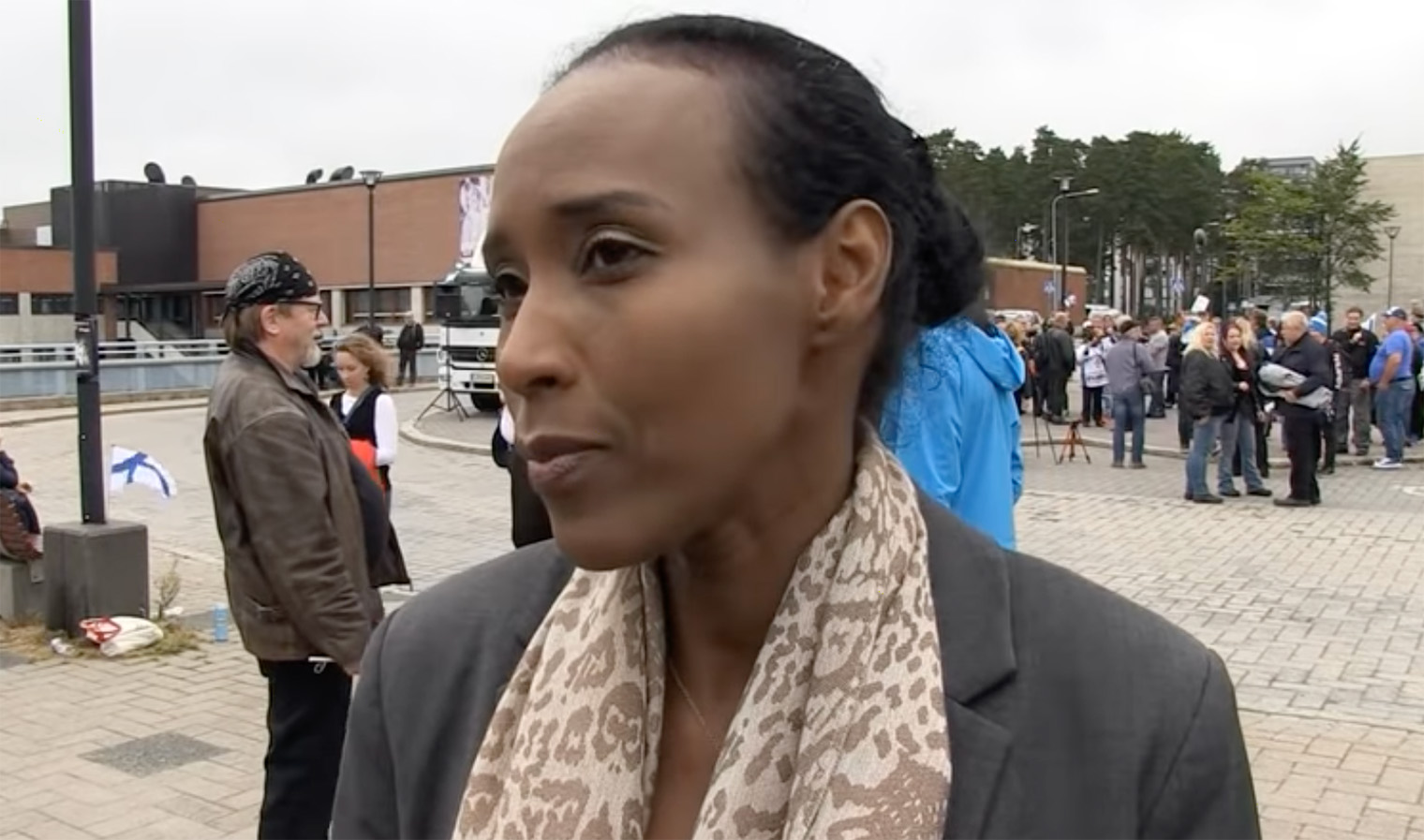
She describes a growing frustration over feeling like she hears the same discussion after attacks in different European countries.
“Every time, the same thing happens. The act is condemned, but rarely does anyone talk about the ideology the perpetrator themselves refer to. Then we will keep discussing the same problem over and over again.” Walter continues:
“Berlin shows the price of the left’s alliance with Islam.”
READ ALSO: INTERVIEW: Mona Walter’s warning to Sweden
The Future Is Her Greatest Worry
It is not Walter’s own situation that she mainly returns to as the interview comes to an end. It is the next generation. She worries about the kind of society today’s children and young people will grow up in and thinks public debate needs to become more open.
“I think about the children and grandchildren. I hope they can grow up in a society where people dare to discuss difficult questions openly and where no one is afraid to test different ideas against each other,” she says.
The Berlin terror attack was the reason for the interview. But the conversation soon came to be about much more than a single attack. Mona Walter talks about her childhood in Somalia, her encounter with Sweden, the freedom she says she found here, and why she believes Western civilization is worth defending.
READ ALSO: Police officer Maria Rosander warns of Islamization: “Society is being eaten from within”
She consistently distinguishes between people and ideas, between ethnicity and religion, and returns several times to the point that her criticism is aimed at Islam and the values she believes come with it—not at people based on their origin.
When the interview ends, her voice is still heavy from the summer flu. But the message is clear.
“I hope more people start asking the hard questions. Because if we don’t, we’ll continue to face the same problems again.”
It is with that hope Mona Walter ends the conversation—not to be proved right about her worst fears, but that, according to her, they will never have to come true.