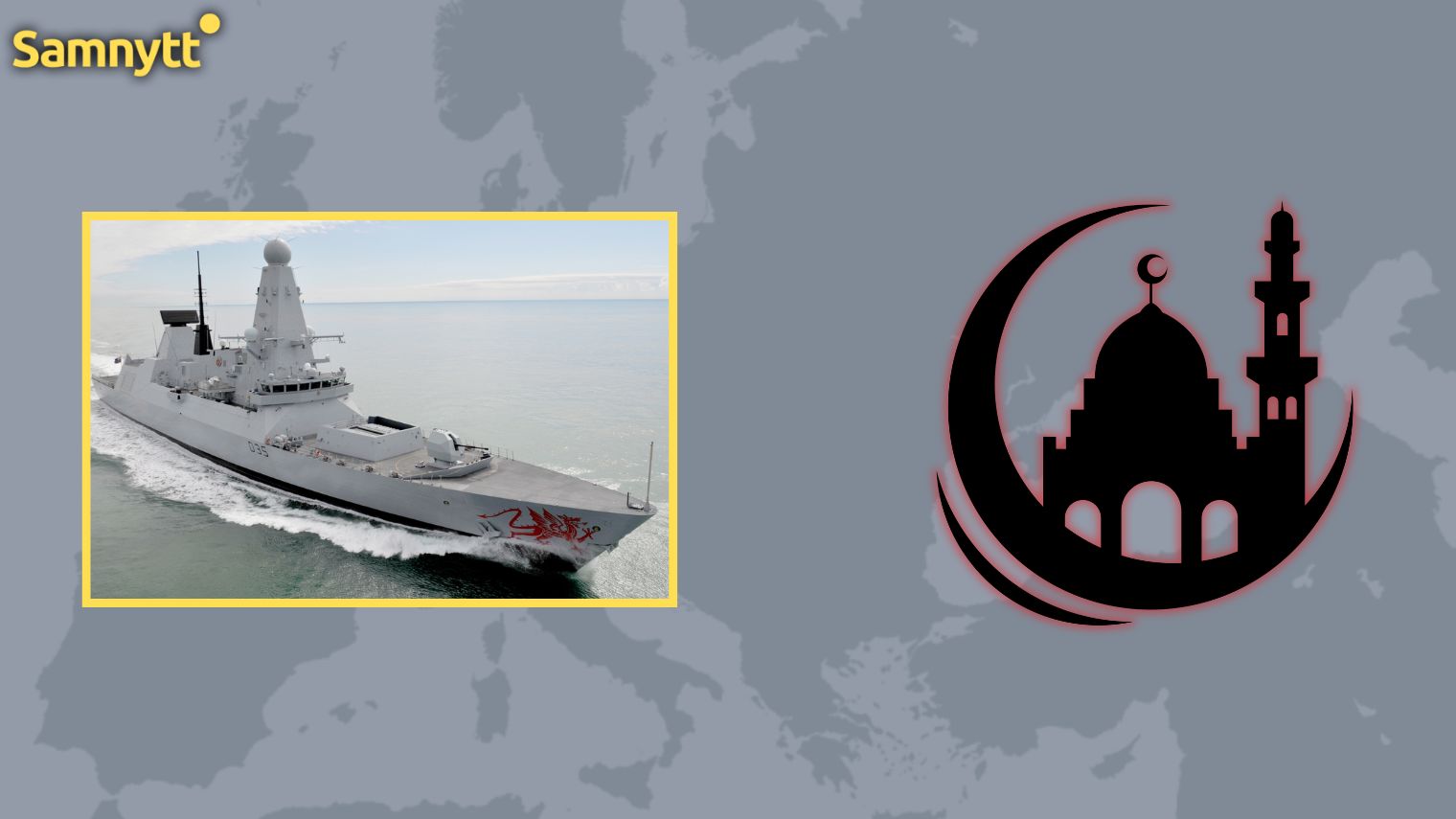
Immigration and Islam-related issues continue to fuel tensions within Europe’s political right. In both Spain and France, new conflicts have flared up in recent weeks over mosque construction and Muslim veils—matters that risk affecting alliances and electoral strategies ahead of upcoming elections. In England, Nigel Farage wants to deploy the military to halt the influx.
In the Spanish city of Seville, the right-wing nationalist party Vox has sharply escalated its criticism of the conservative Partido Popular (PP) after city hall granted a building permit for an Islamic cultural center with a mosque in the Polígono Sur district.
The project, which reportedly has a budget of around 15 million euros, has become a symbolic issue for Vox, who claim that the decision represents a serious betrayal by their coalition partner. Vox has therefore cancelled meetings with PP about local cooperation and announced the party will appeal the building permit.
READ ALSO: Warning: Migration chaos if red-green win the election
If the appeal is rejected, they plan to move the case to court in an attempt to halt the project. The party describes the mosque as a step towards increased Islamization and claims that trust in PP’s local leadership has been so damaged that continued cooperation is now difficult.
Meanwhile, Mayor José Luis Sanz defends the decision, arguing that the municipality is obliged to follow the law when all formal requirements are met.
Le Pen Wants to Ban the Hijab
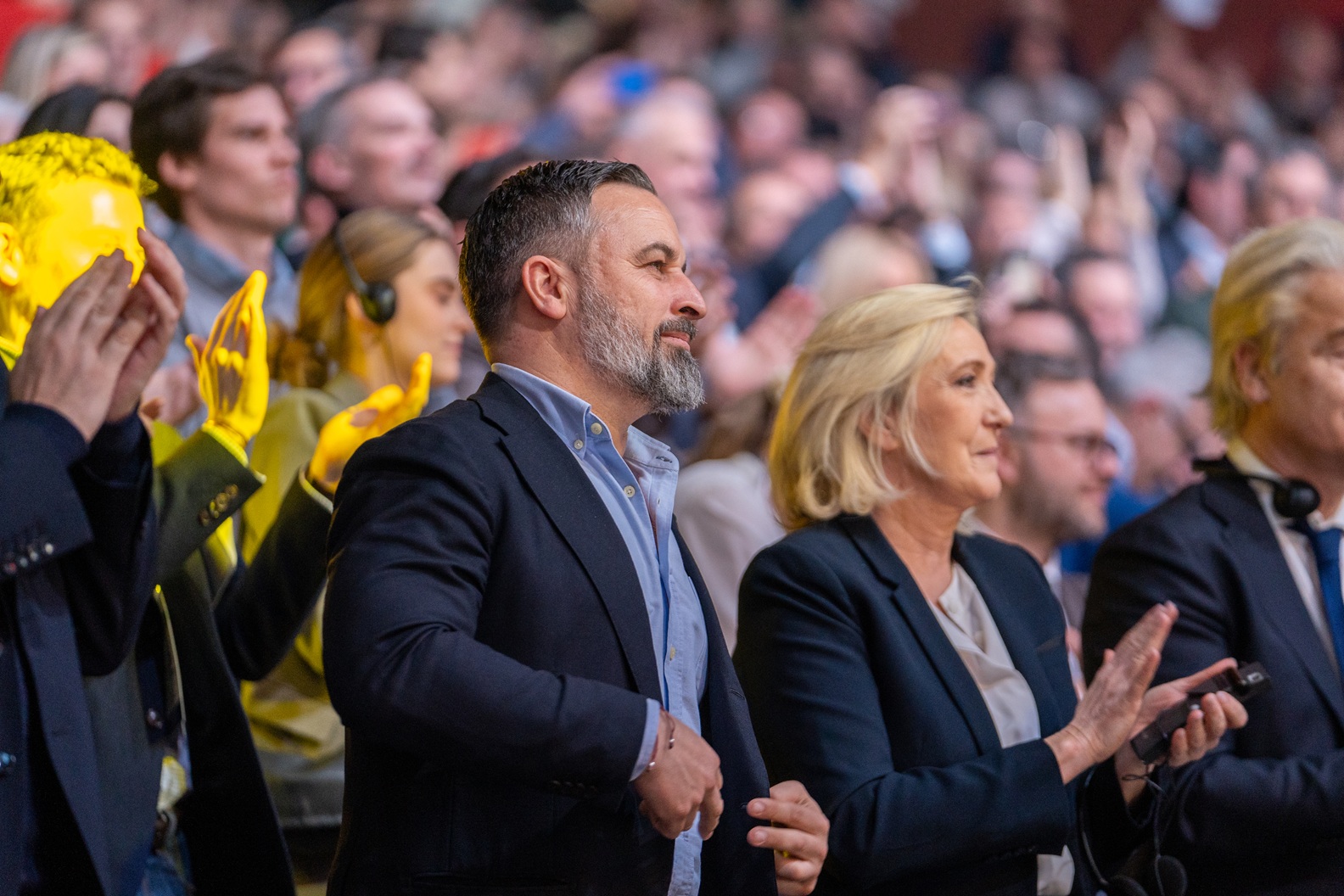
Islam-related issues are high on the political agenda in France too. An internal debate has arisen within the nationalist conservative party Rassemblement National after party leader Jordan Bardella questioned whether the pledge to ban Muslim headscarves in public should really be implemented.
The party’s leading figure, Marine Le Pen, has made it clear, however, that she does not intend to abandon the campaign promise. According to Le Monde, she is instead considering letting the French people decide the issue with a referendum if she wins the 2027 presidential election.
Le Pen believes that such a procedure would give a potential ban greater democratic legitimacy while allowing her not to back down from one of the party’s most prominent issues.
The issue has simultaneously created internal friction within Rassemblement National. Several representatives have expressed concern about how a ban could be implemented in practice and warned that it might be perceived as stigmatizing.
Le Pen, on the other hand, considers that retreating from the ban would risk alienating the party’s own voters, where support for a headscarf ban, according to opinion polls, is very strong.
Islamization of England
On Monday morning, Samnytt reported about Rupert Lowe’s appeal to Nigel Farage for cooperation between Restore Britain and Reform UK. A central part of Lowe’s message to Farage focused on migration and what he describes as a transformation of British society.
Lowe has made issues of Muslim immigration, integration, and national identity some of the most important points for his new party Restore Britain.
READ ALSO: Europe is replacing its population—but politicians still talk about integration
In his appeal to Farage, Lowe demanded, among other things, a much tougher migration policy, including large-scale deportations of people who are in the country illegally. He has also pushed for restrictions on certain Islamically motivated customs, including banning the burka and halal slaughter.
Lowe has previously criticized the development in several British cities, claiming that high levels of immigration have altered local communities. His statements have drawn strong criticism from opponents who accuse him of targeting Muslim groups, while his supporters argue that he is addressing issues of integration, parallel societies, and cultural cohesion.
White people becoming a minority in Britain by 2063 demonstrates the outrageous demographic vandalism of mass immigration.
Importing millions of young men from third world nations is changing our population in ways the British people do not want – Restore Britain will end it.
— Rupert Lowe MP (@RupertLowe10) August 3, 2026
Farage Wants to Deploy the Military
At the same time, Nigel Farage himself has toughened his position on migration. Reform UK presented on Monday the plan Operation Fortress, which involves the party wanting to use military resources to stop small boat crossings over the English Channel.
The proposal aims for British authorities to intervene against boats carrying migrants and return them to France, while the party wants to leave the European Convention on Human Rights to remove legal obstacles to tougher migration policies.
Farage has also pushed the idea that illegal migrants should be able to be detained and deported on a large scale. Reform UK’s migration program, called Operation Restoring Justice, is based on a five-year plan where the party says it wants to identify, detain, and expel people who have come to the UK illegally.
The Royal Navy is there to protect this country from invasion and that is what I intend to use it for. pic.twitter.com/jbvTUTEzZR
— Nigel Farage (@Nigel_Farage) August 3, 2026
“The next election will be an existential battle to save the country we love, a mission I have now fought for over 30 years,” writes Farage on X.
The issue of migration has become one of the most important political dividing lines in the UK, where Farage is attempting to win over voters who feel that both the Conservatives and Labour have failed to control immigration. Critics, meanwhile, argue that several of Reform UK’s proposals would face major legal and diplomatic challenges, including in relation to France and international conventions.
Lowe and Farage therefore agree on many points regarding migration, but their relationship has also been marked by conflicts. Lowe, who was previously an MP for Reform UK, left the party and formed Restore Britain after an internal dispute. Despite this, he has now urged Farage to cooperate in order to unite the British right around issues such as migration, national identity, and societal change.