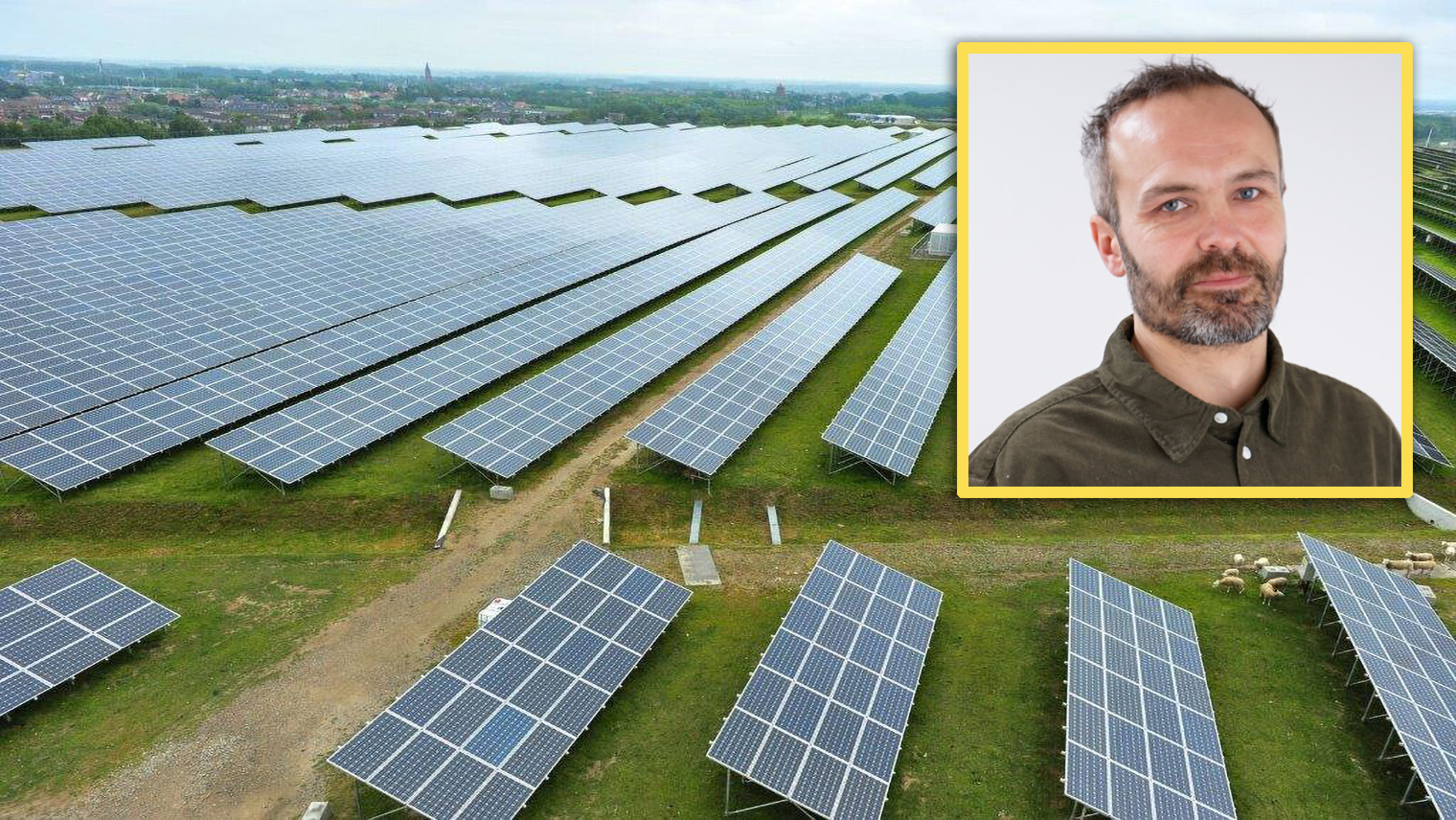
Solar power is often highlighted as a central part of the green transition. But according to Patrik Karell, associate professor of ecology at the Department of Bioeconomics at the Novia University of Applied Sciences, the current development risks causing serious negative consequences for both natural resources, local communities, and long-term sustainability.
The solar power industry is often presented as an obvious part of climate action, but according to Karell, this image is misleading. In an opinion article in Hufvudstadsbladet, he argues that the current expansion is more of a threat than a solution. He claims that the green transition has become a façade for a development that in practice means the exploitation of land and resources.
“The solar power industry is not a green transition,” he writes, warning that the development risks eroding confidence in the very concept of sustainability.
Agricultural Land and Nature Marginalized
According to Karell, the landscape is undergoing significant changes as fields, peatlands, and forest land are leased out to large, often foreign, companies for long periods. He describes how productive land is converted into vast solar panel fields, which he believes happens without sufficient consideration for either local communities or future generations.
READ ALSO: Green Façade, Black Cargo – Extensive Drug Smuggling in Solar Panels
Karell argues that the process is rapid and poorly regulated, with unclear management by authorities contributing to a decrease in local residents’ influence. From his perspective, it’s not just about land use, but also about democracy and fairness.
Economic Gains and Risks
Karell points out that it is primarily investors who benefit economically from the development. While municipalities may receive increased revenues when land is reclassified as industrial areas, he believes that landowners often receive only a limited share of the profit—while bearing significant risk if the projects fail financially.
He describes this as an imbalance where short-term economic interests outweigh long-term sustainability.
Consequences for the Environment and Society
According to Karell, the expansion comes at the expense of several important values. He particularly highlights the loss of food production, decreased biodiversity, and worsened conditions for water management and climate adaptation.
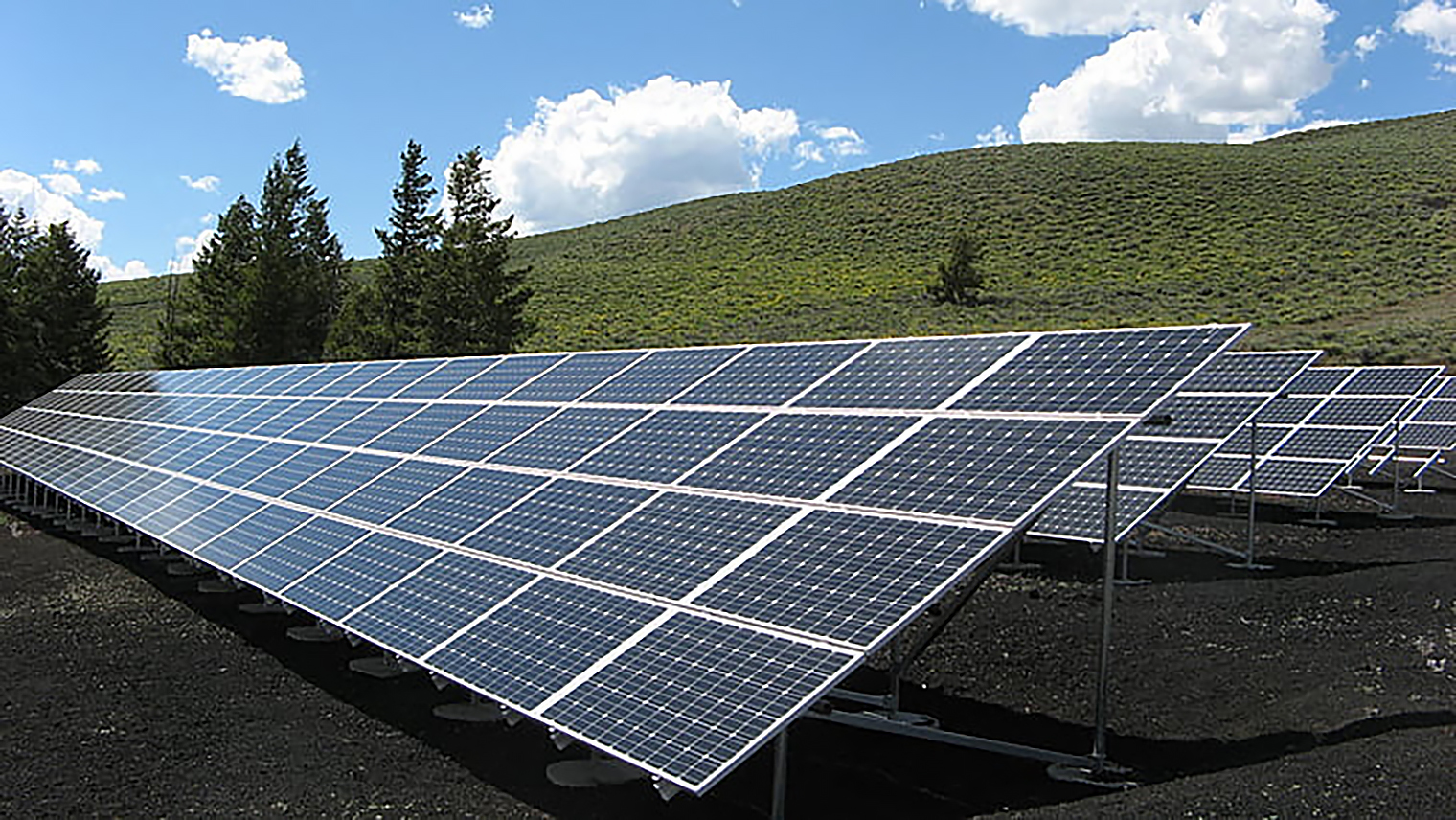
He also argues that rural tourism, cultural environments, and people’s living environments are negatively affected. In his analysis, the development threatens both supply preparedness and the long-term functions of the landscape.
He describes the situation as “devastating and irreversible” and warns that the consequences may be difficult to reverse.
An Alternative View on Transition
Karell argues that the green transition should instead focus on transforming production so that economic growth happens with minimal impact on natural resources. He highlights the need for reuse as well as circular and regenerative solutions.
READ ALSO: Multi-Billion Solar Power Project Shut Down – Never Delivered on Its Promises
He reiterates that the transition should not mean sacrificing arable land and biodiversity, but rather protecting these resources.
Local Rootedness Is Crucial
At the same time, Karell does not rule out that solar and wind power can play a role in the energy system. However, he emphasizes that such projects must be locally rooted and integrated into existing operations.
By contrast, he sees industrial initiatives from external actors as problematic, especially when they lack a connection to the local community.
Wants to Move Solar Power to the Cities
As an alternative, Karell suggests that larger solar power facilities should instead be placed in urban environments, such as industrial areas or along infrastructure like highways and railways.
He also underlines the importance of regional control over energy production, warning that otherwise short-term gains may risk common resources and future needs.
A Growing Conflict
Karell describes the expansion of solar power as a conflict between different interests—energy transition, economic gains, and the preservation of nature and rural areas.
According to him, the development risks heading in the wrong direction if not reconsidered—calling for a more thoughtful and locally anchored strategy for the future energy system.