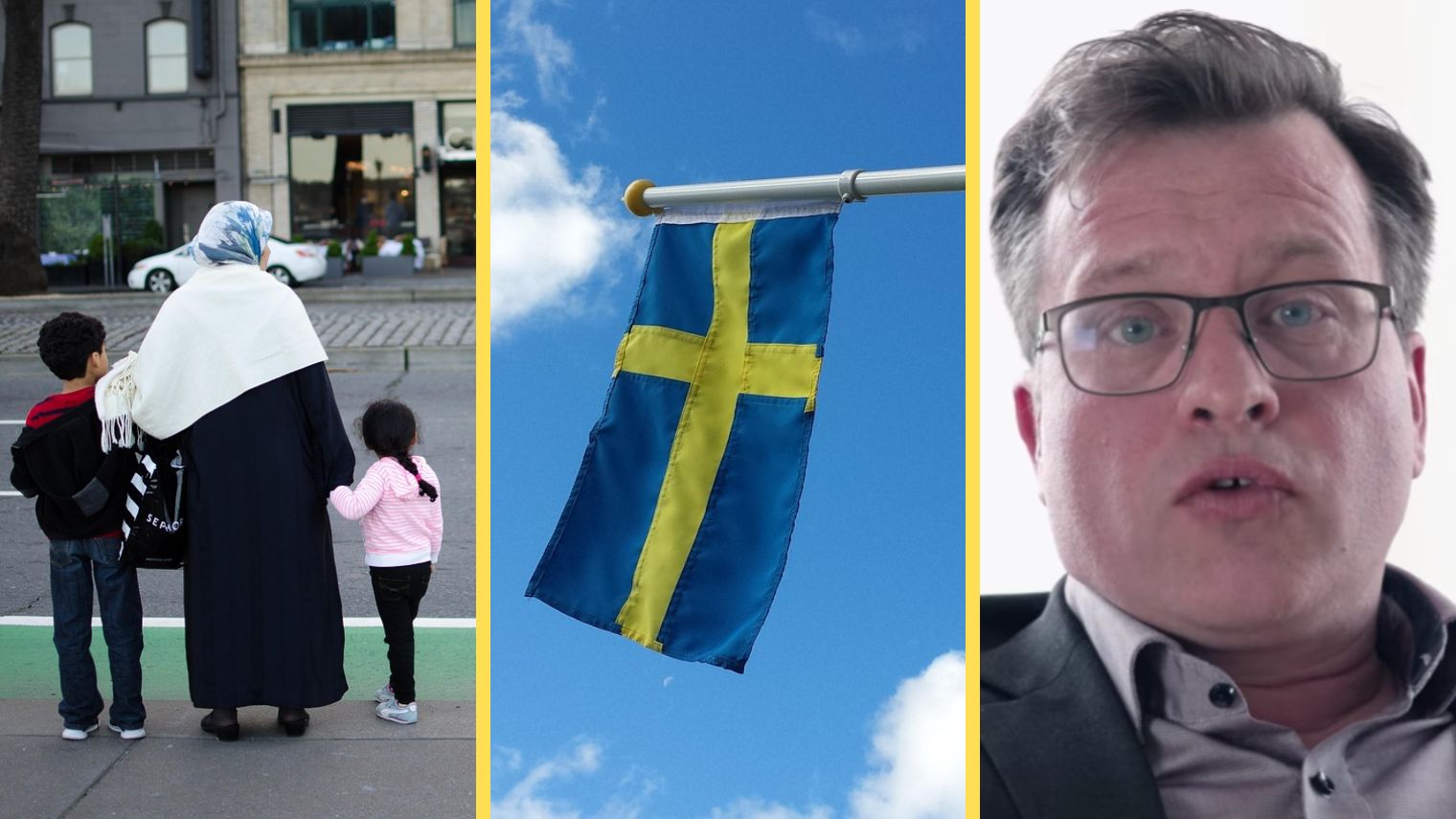
Immigration has been a major gain for Swedish society, raising the standard of living and saving the welfare system. This is how Tony Johansson, senior advisor to the LO think tank Katalys, interprets a new report from the National Board of Health and Welfare (Socialstyrelsen).
Despite the nearly endless list of negative consequences connected to immigration, Tony Johansson, like his brother—the top Social Democrat Morgan Johansson—and Katalys, continues to ardently advocate for opening Sweden’s borders to increase the inflow once again.
ALSO READ: Only 9 percent of immigrant women got a job – after a government integration program
The much-promised benefit supposedly arriving further down the line—that the Swedish people were told to expect but which never materializes—Tony Johansson claims is already here. In an opinion piece in Arbetsvärlden, he writes:
The truth is that we have been reaping these benefits for many years now. They stem from immigration bringing about higher per capita growth. This results from immigration counteracting the so-called demographic headwind, meaning the imbalance within the domestically born generations when many leave the workforce and few are entering it.
While Johansson admits that there is a pedagogical challenge in grasping the abstract increase in annual growth, he asserts that our average standard of living today is higher than it would have been without the extensive immigration during the first fifteen years of the millennium.
ALSO READ: Report: Immigration a Costly Failure
He also claims that without immigration, we would now have to pay higher taxes to finance the welfare system. Immigration is also said to have solved staffing issues in healthcare and elderly care as the population ages.
50,000
According to a new report from the National Board of Health and Welfare, 50,000 more employees are needed in elderly care by 2030—something Johansson argues is impossible to resolve without the immigration that Sweden has had.
The report notes that the share of foreign-born workers in elderly care has increased from 37 to 45 percent since 2020.
Here, so-called unaccompanied refugee minors from Afghanistan are said to be overrepresented and claimed to have a higher rate of employment and self-sufficiency than Swedish-born men of the same age.
This is information that should be at the center of the migration debate. Immigration is not a burden for Sweden. It is a gain for Sweden and all of us who live here. It has increased our standard of living and is now a crucial part in solving welfare staffing issues.

Storm of Criticism
In the comments section of Arbetsvärlden’s Facebook page, however, few agree with Tony Johansson’s conclusion.
Some of the most liked comments:
“Yes, prosecutors and lawyers are working overtime!”
“Why are healthcare, elderly care, and home help services being cut in the municipalities if there’s supposedly such a huge gain in welfare?”
“But the future pension system will collapse when loads of people never enter the labor market.”
“Sure, it’s election year and various nutters sense the morning air and a place at the trough by saying ‘the right’ things, but come on, this lie should be so tired and exposed that the responsible publisher should have rejected it due to the writer’s mental deficiency.”
“Because there have been plenty of desperate people from the third world prepared to take jobs in welfare under any conditions, both wages and other terms have been kept low or dumped. Instead of applauding that the desperate accept poor conditions, ask why so many educated locals are fleeing these professions.”
“I wonder if our elderly agree…”
“Clearly someone who’s never visited reality.”
ALSO READ: Seven out of ten social welfare kronor go to immigrants