
After beggars suddenly started appearing outside every Swedish store, a ban on begging became a hot topic a few years ago. Since then, the issue has faded into the background, but begging has continued, albeit to a somewhat lesser extent. Locally, however, the issue can still be high on the agenda — as in Oskarshamn.
To reduce the conditions for organized crime, counteract the exploitation of vulnerable people, and create safer public environments, SD Oskarshamn has submitted a motion to investigate the introduction of a local ban on begging in the municipality.
A safer Oskarshamn, however, does not seem to be what the municipality’s officials want, and they propose that the motion be rejected — a position the Social Democrats (S) and Moderates (M) have chosen to support. Their reasoning is that “you can’t ban poverty.”
ALSO READ: Tidö Investigator: A Ban on Begging Is NOT Needed
“This is not about banning poverty. It’s about reducing the conditions for organized crime and stopping the exploitation of people. Sweden is a welfare country where no one should have to sit on the street and beg to survive. When begging is instead organized and exploited by criminal networks, politics must dare to act,” says Ted Nyberg, chairman of the Sweden Democrats in Oskarshamn municipality and a member of the municipal executive board, in a press release.
SD refers to the Supreme Administrative Court’s 2018 decision that municipalities can introduce local bans on begging, after which many municipalities did so. However, these are not blanket bans but rather regulations of the activity in specific locations where it risks creating insecurity or public order problems.
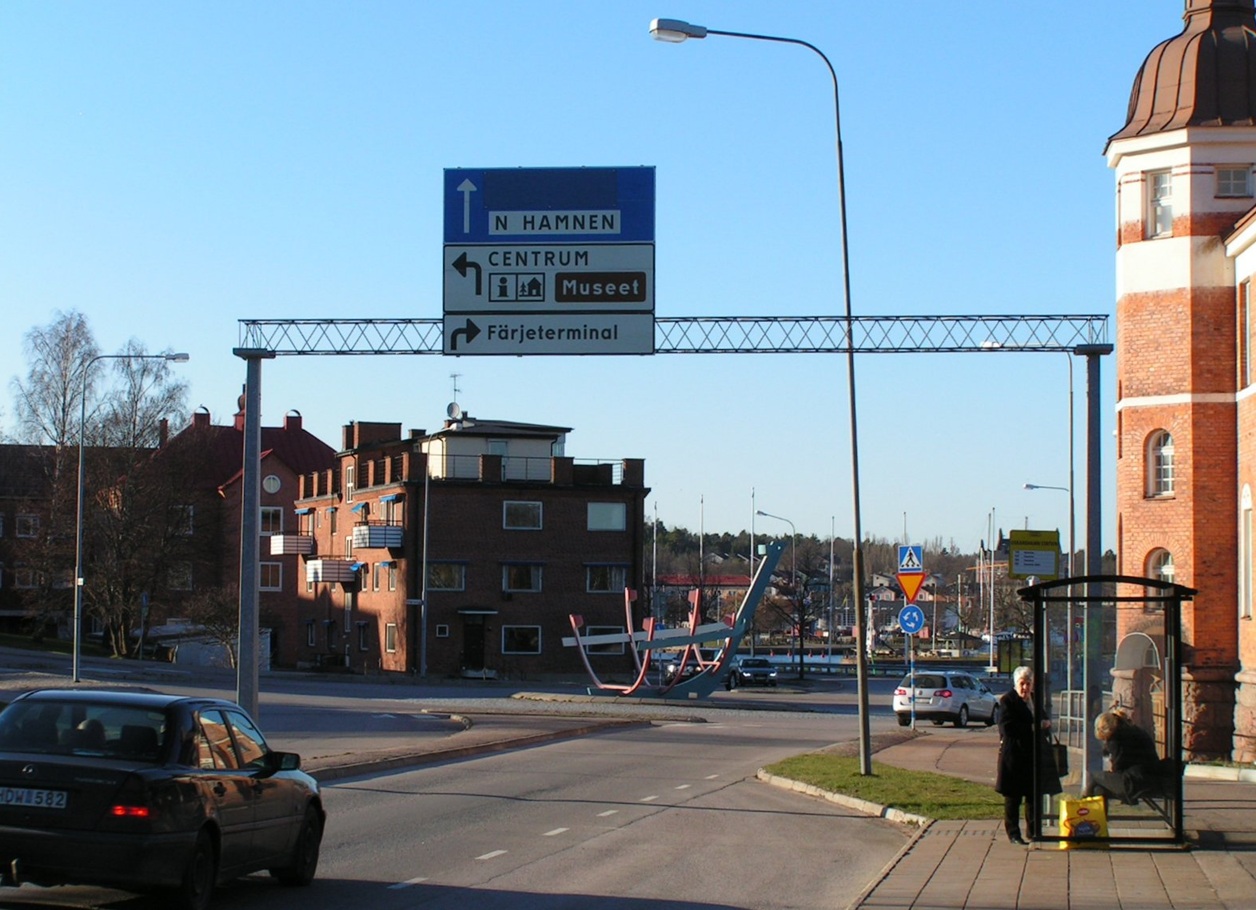
Wants an Investigation
In Linköping, the municipality has implemented this at several locations and received support from the Police Authority. Therefore, SD considers it perfectly reasonable that Oskarshamn municipality should at least investigate the matter.
“We’re not even requesting a direct ban in our motion. We’re asking the municipality to investigate the conditions, identify suitable locations, and then take a position. The fact that the Social Democrats and Moderates don’t even want to investigate the issue shows they don’t want to address the problem at all,” says Leif Axelsson (SD), opposition councillor in Oskarshamn municipality.
They also point out that begging in Sweden has for a long time been linked to the exploitation of people and, in some cases, organized crime. Police reports and government reviews show that people are brought here from other countries to beg. By introducing a ban on begging, there are good opportunities to keep other crime away as well, the party argues.
Slow Politicians
Sweden has for a long time been characterized by a policy where problems are denied until they become too big to ignore, and the issue of begging is yet another example of this, they assert.
“For over a decade, the Sweden Democrats have warned that much of the begging is organized and that people are being exploited. As with so many other issues, we now see reality catching up with the political debate. Sweden needs politicians who dare to recognize problems in time — and who dare to act before it’s too late,” says Sweden Democrats’ party secretary Mattias Bäckström Johansson.
ALSO READ: Police: Don’t Give Money to Beggars