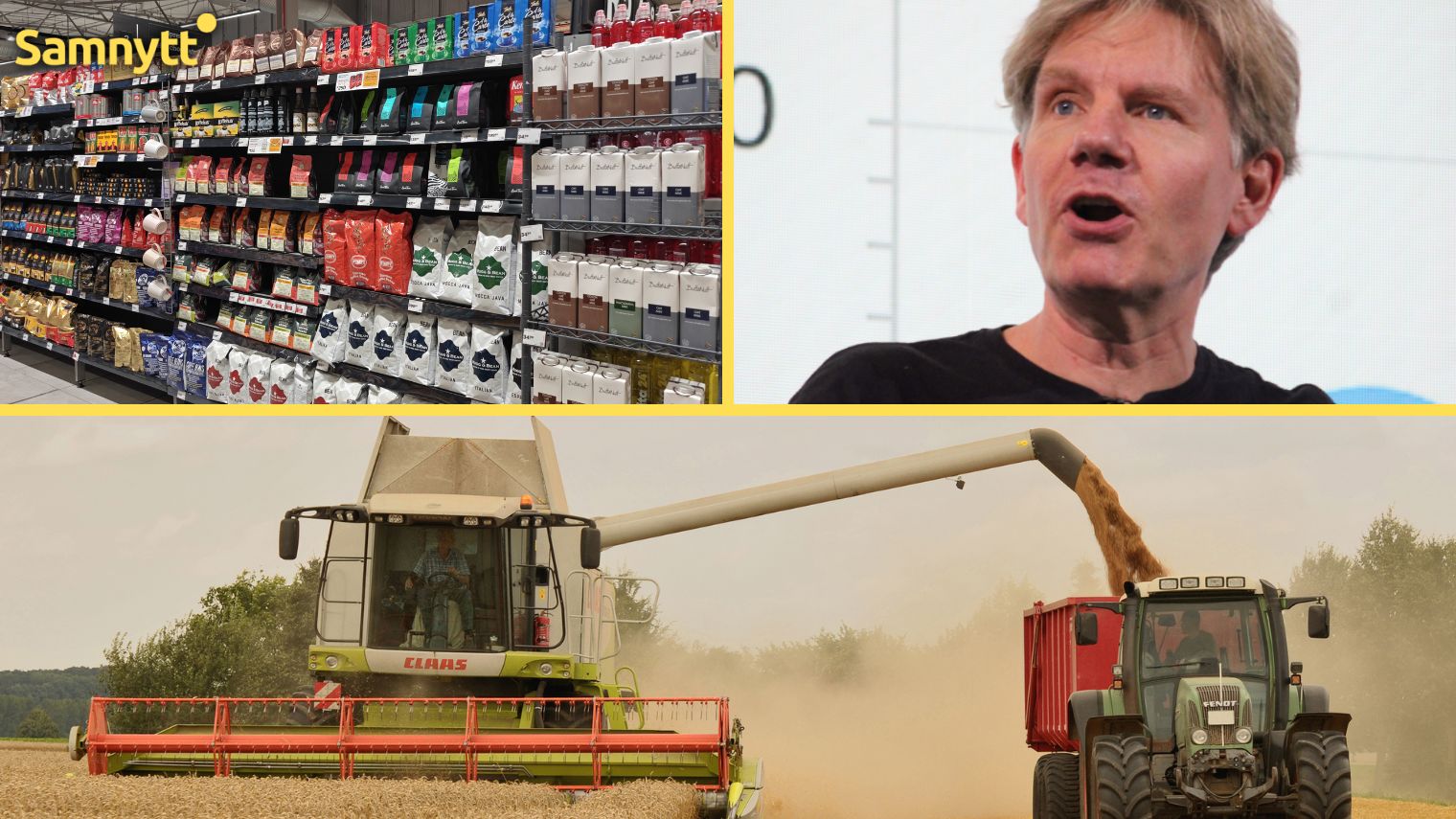
Warnings that climate change will soon lead to widespread food shortages are often based on a misleading picture of reality. This is claimed by Danish political scientist and author Bjørn Lomborg in an opinion piece, where he argues that long-term trends show the world’s food production continues to grow despite a warmer climate.
Lomborg points out that in recent years, the media has repeatedly reported on how climate change threatens everything from coffee to olive oil. According to him, many of these reports rely on single years with poor harvests or temporary price spikes, while the long-term picture is neglected.
As an example, he highlights the coffee market. Global coffee production is, according to forecasts, expected to reach new record levels and is today more than twice as large as it was half a century ago. While coffee prices have indeed increased during certain periods, when adjusted for inflation the long-term price trend has been far more stable than many headlines suggest.
READ ALSO: Researchers: Europe’s Climate Policy is Economic Suicide
Lomborg also argues that agriculture is constantly adapting to changing climate conditions. Through plant breeding, new varieties are developed that better withstand heat, drought, and other stresses, while growers gradually switch to crops and farming methods better suited to local conditions.
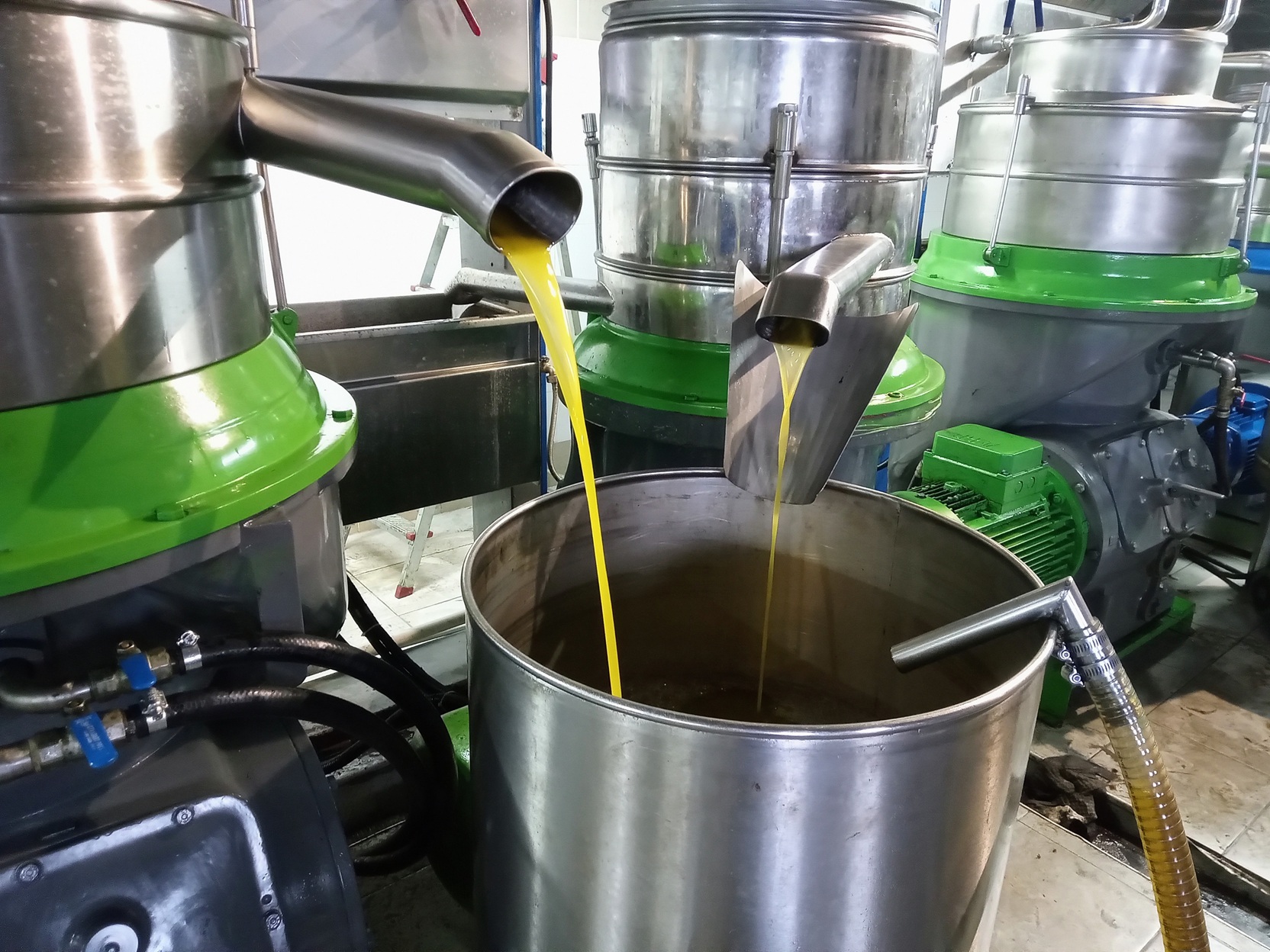
He also points to developments in olive oil, where according to UN statistics global production has greatly increased over recent decades despite recurring droughts in the Mediterranean. According to Lomborg, this shows technological advancements and more efficient cultivation have so far outweighed the negative effects of climate change.
Multiple Factors
According to Lomborg, climate is often blamed for rising food prices, even though several other factors play a major role. He mentions factors such as increased costs for energy, fertilizers, and transportation, as well as trade policy and geopolitical events, all of which greatly affect price developments.
At the same time, he emphasizes that climate change is indeed expected to have negative impacts on agriculture, but believes these effects are overshadowed by productivity gains from technological progress. Historically, agricultural efficiency has increased much more rapidly than climate change has affected yields, he argues.
As an example, Lomborg highlights the Green Revolution of the 20th century, when new high-yield crops, artificial fertilizers, and improved irrigation systems greatly increased food production. He also notes that global calorie availability per person has increased, while the proportion of undernourished people worldwide has decreased.
Against this backdrop, Lomborg argues that future food policy should focus more on research and innovation rather than emission targets. Investments in drought-resistant crops, biotechnology, and precision agriculture would, he claims, have a greater impact on global food security than further climate policy measures.
READ ALSO: Researchers: Reason Must Prevail Over Climate Panic