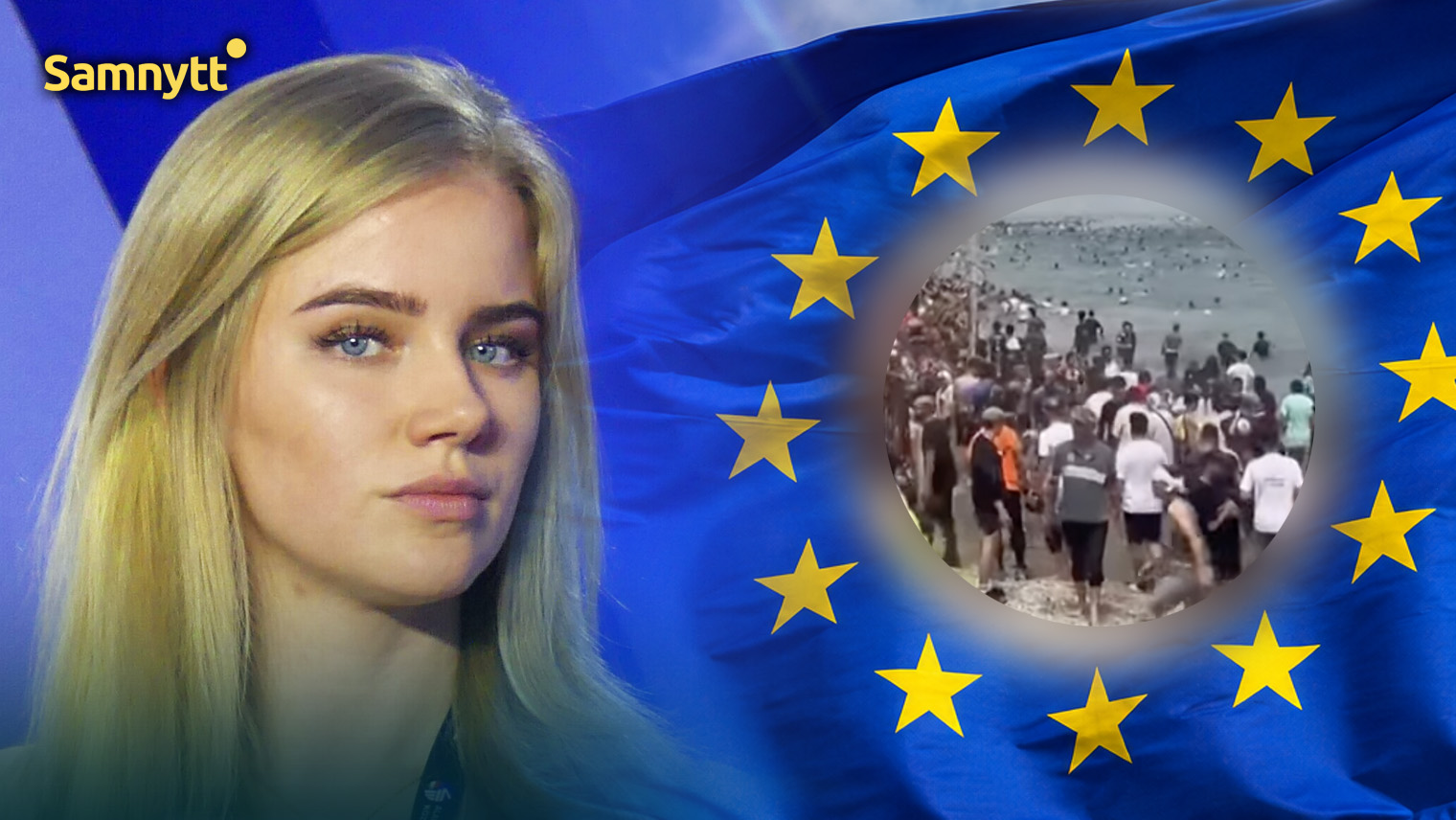
For many, she is one of Europe’s foremost defenders of Western civilization. For the left, one of the continent’s most controversial opinion leaders. Dutch lawyer and commentator Eva Vlaardingerbroek has in recent years become a well-known name far beyond her homeland, with millions of social media followers and repeated attention from figures like Elon Musk and U.S. President Donald Trump. In her interview with Samnytt, she consistently returns to the same message. According to Vlaardingerbroek, Europe’s crucial issue is demographics—who will constitute Europe’s population in a few decades.
Eva Vlaardingerbroek describes Europe’s situation without mincing words. She believes the continent faces a decisive crossroads, where the decisions made in the coming years will determine Europe’s future far into the next generation.
– It’s not about tweaking a tax law or changing a single political reform. This is an existential issue. She continues:
– With the extensive immigration Europe has experienced over recent decades, we have now reached a point where we either completely stop immigration and also reverse a large part of the development through remigration—or Europeans will become minorities in their own home countries.
She repeatedly returns to the word demography. Vlaardingerbroek pinpoints the underlying question behind almost every other political conflict. If the native population loses its majority status, not only does the culture change, but also the democratic conditions themselves.
– A Europe without Europeans as the majority population will no longer be Europe, she says.
READ ALSO: Demography researcher to Parliament: “Only remigration can save Sweden”
“We don’t have unlimited time” – wants to avoid civil war
During the interview, Samnytt references Austrian remigration advocate Philipp Huemer, who previously told Samnytt that Europe has a window of five to ten years before the situation becomes much harder to reverse.
I don’t want people to become demoralized and think it’s now or never. The earlier we act, the better. But even if we fail in the coming years, we must keep fighting. Why increase the risk of bloodshed and civil war in Europe if we can try to prevent it with a peaceful and moderate solution like remigration?
Eva Vlaardingerbroek to Samnytt
Eva Vlaardingerbroek broadly shares this assessment.
– In many Western European countries, that is approximately the timeline we are talking about. If nothing changes, we risk becoming minorities in our own countries. That would also change the electorate, and then democracy operates in a fundamentally different way than before, she says.
READ ALSO: Head of Remigration Institute warns Sweden: “You have a window of five to ten years”
At the same time, the opinion leader does not want to create a picture that all is lost if the development continues for a few more years.
On the contrary, she repeatedly stresses the importance of not giving up.
– I don’t want people to be demoralized and think it’s now or never. The earlier we act, the better. But even if we fail in the next few years, we must keep fighting.
This is also where Vlaardingerbroek formulates one of the interview’s most noted arguments.
According to her, remigration is not an expression of radicalism but rather a way to avoid much more severe conflicts in the future.
– Why increase the risk of bloodshed and civil war in Europe if we can try to prevent it through a peaceful and moderate solution like remigration?
“Sweden has gone even further”
When the conversation turns to Sweden, Eva Vlaardingerbroek becomes visibly engaged. She believes that Sweden and the Netherlands have for several decades followed the same ideological trajectory and today serve as two of the clearest examples of how far the multicultural societal model has been pushed.
– I actually think that Sweden has, in some areas, gone even further than the Netherlands. But the foundation is the same. Multiculturalism, extreme liberalism, and the kind of neo-Marxist thinking that has taken hold in our universities and institutions. We now see the results before us, she says.
READ ALSO: Among the high-rises and concrete where Sweden broke
Vlaardingerbroek describes Sweden and the Netherlands as two countries where political and cultural developments have long gone hand in hand.
– Swedes and Dutch people have long been seen as Europe’s most liberal peoples. I do not mean classical liberalism, but the left-liberal ideology that has shaped our institutions for a long time.
Everyone sees what’s happening. You can try to hide crime statistics, manipulate numbers or demonize those who talk about the problems. But people see with their own eyes. And if despite that you continue with the same policy, you are at least complicit.
Eva Vlaardingerbroek to Samnytt
To illustrate her point, the right-wing commentator recounts a visit to Rinkeby during her time living in Sweden.
– I remember taking the subway to Rinkeby. Demographic change was already a completed fact there. It wasn’t that Swedes had become a small minority. When you walk around, it feels like you are in Africa, she says.
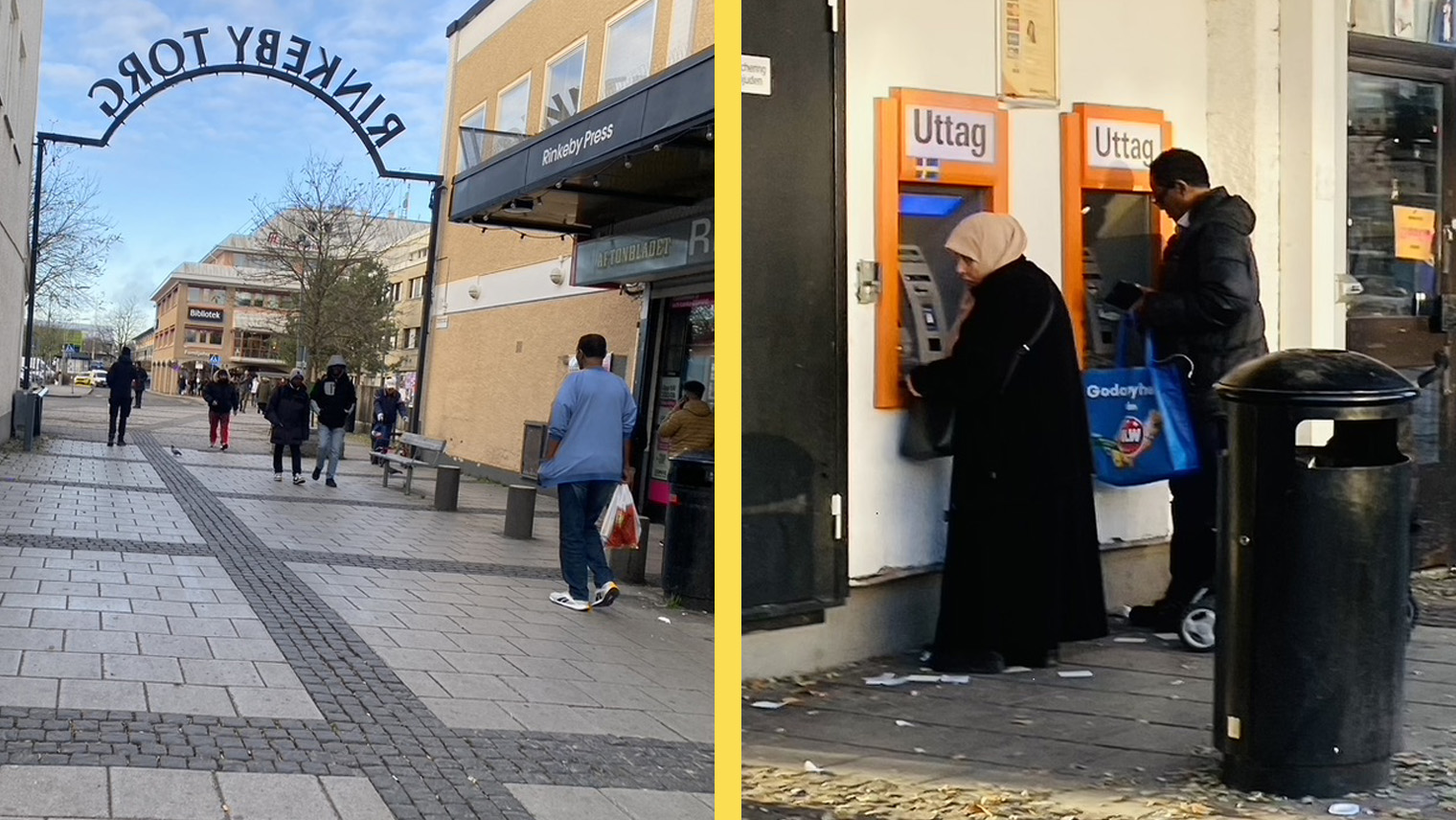
Vlaardingerbroek further recounts that she made the visit together with a police officer.
– I was there with a friend who worked as a police officer. Otherwise I wouldn’t have wanted to go. We were the only white people I saw. The only ones.
According to Vlaardingerbroek, this is no longer a phenomenon limited to the suburbs of big cities.
She says that the same development is now spreading to smaller towns in the Netherlands via state decisions about new migrant accommodation centers.
– We now see how the government is placing 500–600 young men from Africa and the Middle East in villages with perhaps a thousand Dutch inhabitants. That changes an entire community in a single generation. That is exactly what is happening, she says.
READ ALSO: “This is not Sweden anymore”—a walkabout in Vivalla
“This is no longer a mistake”
A recurring question during the interview is how Europe’s political leaders could continue the same migration policy even when most voters have said no.
Is it incompetence? Globalism? Or something else, as you see it?
– If you don’t understand why someone is doing something, you can look at the consequences and then draw conclusions about the motives, she says, referencing a quote from Swiss psychiatrist Carl Jung.
According to her, the consequences of large-scale immigration are now so obvious that Europe’s rulers can no longer plead ignorance.
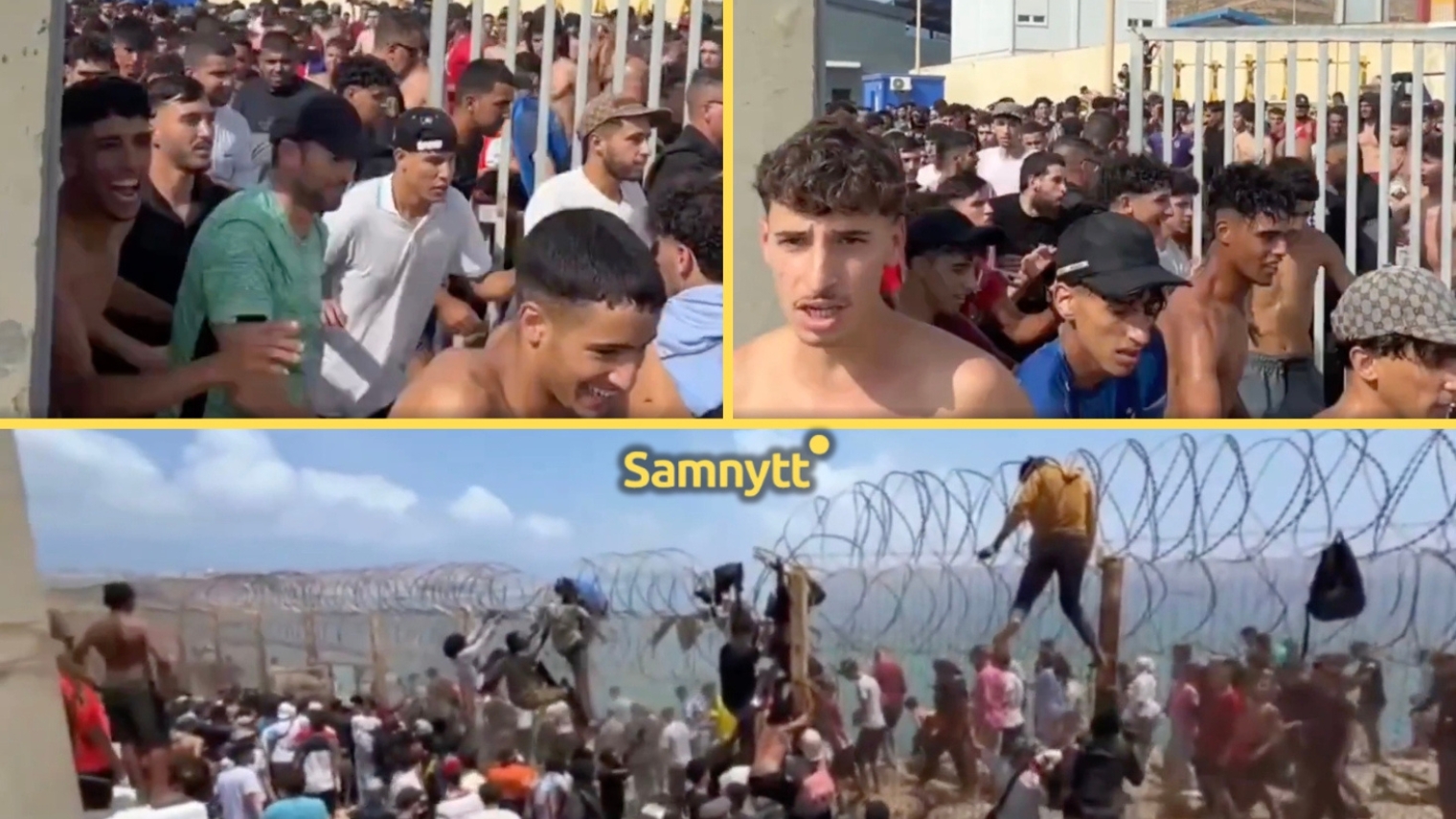
READ ALSO: EU’s free movement: “Invasion”
– Everyone sees what is happening. You can try to hide crime statistics, manipulate numbers, or demonize those who address the problems. But people see with their own eyes. And if you continue with the same policy despite that, you are at least complicit, she says.
After World War II, the idea emerged that the West is always at fault and that the white man is the root of the world’s problems. If someone expresses pride in their country or its history, it is quickly linked with fascism or Nazism. This is used to silence political opponents. Ordinary people feel guilt for things they themselves had nothing to do with. We need to free ourselves from that guilt.
Eva Vlaardingerbroek to Samnytt
She describes the EU as part of a broader globalist structure whose goal, in her view, is to gradually weaken nation states.
– They are trying to blur the borders and national identities. You hear the same rhetoric from Ursula von der Leyen, Emmanuel Macron, and other European leaders. It’s a joint project, the opinion leader tells Samnytt.
READ ALSO: Spain’s mass amnesty for millions “a ticking time bomb for all of the EU”
Postwar Guilt Still Shapes Europe
A significant part of the interview is devoted to how, according to Vlaardingerbroek, Europe is still shaped by the political and moral legacy of World War II. She says that for decades, nationalism has been equated with Nazism, and that people have learned to feel guilt over their national heritage.
– After World War II, the idea emerged that the West is always at fault and that the white man is the root of the world’s problems. If someone expresses pride in their country or its history, it is quickly tied to fascism or Nazism. This is used to silence political opponents, she says.
READ ALSO: May white people exist—or is that “white supremacy”?
She describes this as a form of “white guilt” that she believes has been internalized by many Europeans.
– Ordinary people feel guilt for things they themselves had nothing to do with. We must free ourselves from that guilt, she says.
If there’s any group most affected by mass immigration in their daily lives, it’s young women. If they’re honest with themselves, they know it’s not Tobias or Anders they most need to fear when walking home alone at night. Nine times out of ten, it’s people with completely different names.
Eva Vlaardingerbroek to Samnytt
When we point out that it was, to a large extent, conservative Western countries that defeated both Nazi Germany and later stood up to the Soviet Union—while several left-wing groups today express support for the Palestinian movement despite its antisemitic elements—Vlaardingerbroek argues that this illustrates a recurring pattern that she sees.
– They turn reality upside down. They pick out the historical facts that fit their narrative and ignore the rest. Then they call their opponents Nazis and extremists. That’s how they try to legitimize silencing and excluding people, Vlaardingerbroek says.
“It’s young women who pay the highest price”
One of the key parts of the interview concerns why so many young women in Western Europe still vote for left-wing parties and often support generous migration policies.
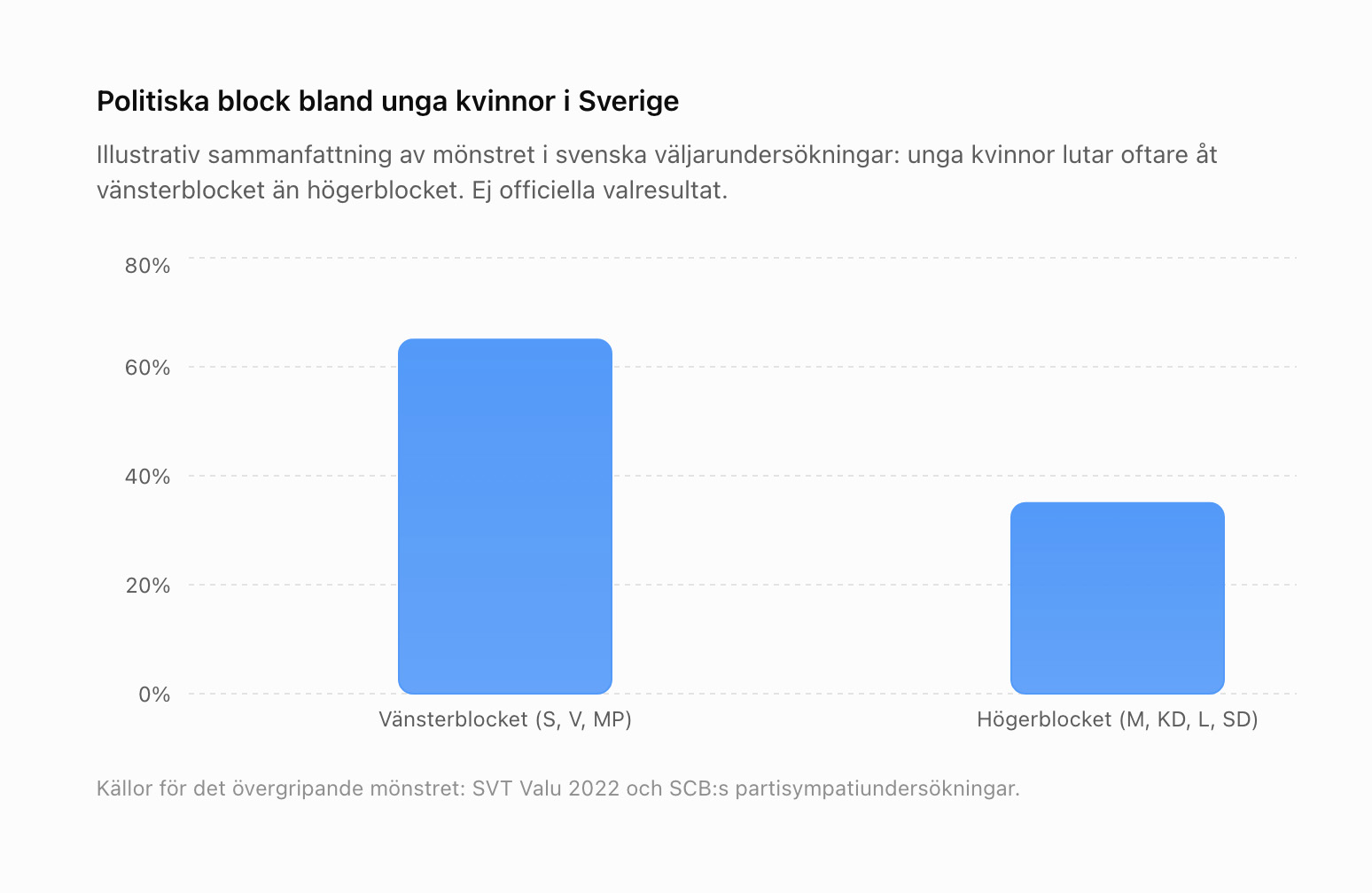
For Eva Vlaardingerbroek, it is a paradox. She says that it is precisely young women who are most directly affected by the development she describes.
Why do so many young women in Europe vote for leftist parties and more migration—and what, as a young woman, do you think needs to be done to influence them?
– If there’s any group most affected by mass immigration in their daily lives, it’s young women. If they are honest with themselves, they know it’s not Tobias or Anders that they primarily need to fear when they walk home alone at night. Nine times out of ten, it’s people with entirely different names, she says.
READ ALSO: Zara Larsson and feminism’s moral collapse
The Dutch opinion leader believes there are several reasons why many young women nonetheless continue to support a political line that, in her view, runs contrary to their own interests. Partly, she says, it’s because of strong social pressure,
and partly due to the influence of universities, but also from a desire to “help others.”
– Women often want to take care of people and help those in need. When, at the same time, they are told that all migrants are vulnerable people who need our support, a very powerful narrative is established. The problem is that this narrative also leads many to ignore the reality around them, she says.
I started to lose friends. My professors looked down on me because of the questions I asked. Then I lost opportunities, jobs, and even my PhD position. Next came things like being banned from entering the UK and having my phone infected with spyware. I never went into this naively. I knew that people before me had paid a much higher price.
Eva Vlaardingerbroek to Samnytt
She describes the development as a combination of propaganda, social conformity, and a fear of being pointed out.
– You have to show young women that wanting your own country to remain yours and for women to live safely doesn’t make you a racist or a bad person.
READ ALSO: Feminism finally found its ally in Islamism
At the same time, Vlaardingerbroek believes opinion is starting to shift. She points out that young men in several European countries are moving in a more conservative direction and hopes the same will happen among women.
– I actually think the pendulum will swing back, says Vlaardingerbroek.
“I knew the price would be high”
Eva Vlaardingerbroek speaks openly about the price her choices have had. She describes how she encountered resistance early on, both in the academic world and in her private life, but stresses that she never had any illusions it would be easy.
– I started to lose friends. My professors looked down on me because of the questions I asked. Then I lost opportunities, jobs, and even my PhD position. Next came things like being banned from entering the UK and having my phone infected with spyware, she shares.
READ ALSO: Conservative commentator banned from the UK—entry denied
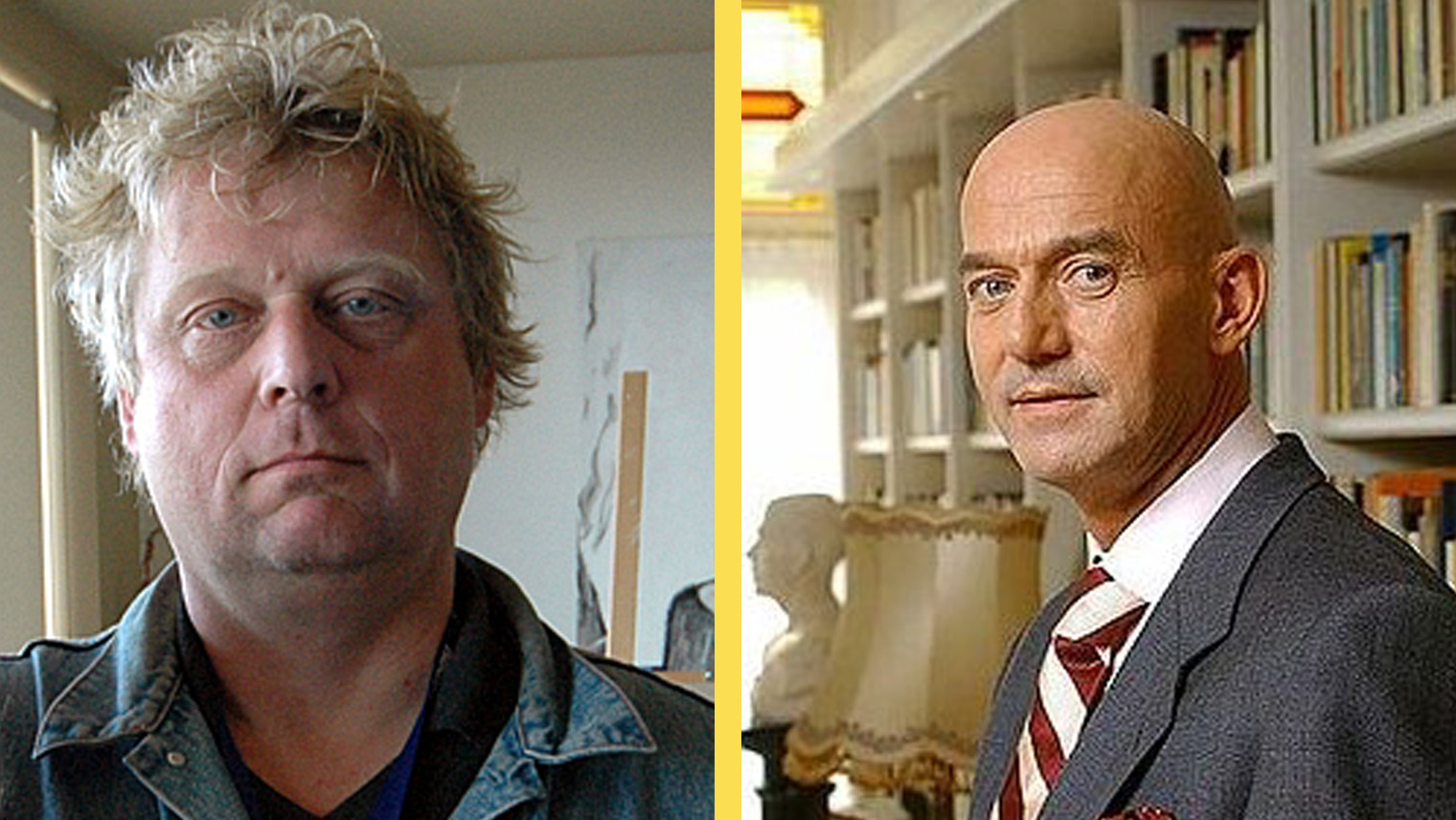
She says she grew up with the memory of people such as Dutch politician Pim Fortuyn and filmmaker Theo van Gogh, both of whom became symbols for the conflict over Islam criticism in the Netherlands. The one was murdered in 2002, the other in 2004.
– I never went into this naively. I knew that people before me had paid a much higher price.
Despite the setbacks, there is no bitterness in her reasoning. On the contrary, she describes her engagement as a conscious choice.
– All doors have closed. If I were to abandon everything I believe in, maybe some would accept me again. But I couldn’t live with myself. I say what I say because I genuinely believe it.
For Vlaardingerbroek, the issue ultimately concerns future generations.
– I would rather pay the price myself than let my children do it, she says.
Save Europe Act—“Brussels exposes itself”
The Save Europe Act is a European citizens’ initiative launched by, among others, Eva Vlaardingerbroek and Austrian activist Martin Sellner.
READ ALSO: EU blocks Save Europe Act—refuses to register contentious citizens’ initiative on migration
The initiative advocates for a much stricter migration policy and remigration of those who lack legal grounds to stay or, according to the initiators, have not been integrated into European societies.
The goal is to collect at least one million signatures from EU citizens to have the matter taken up by the European Commission.
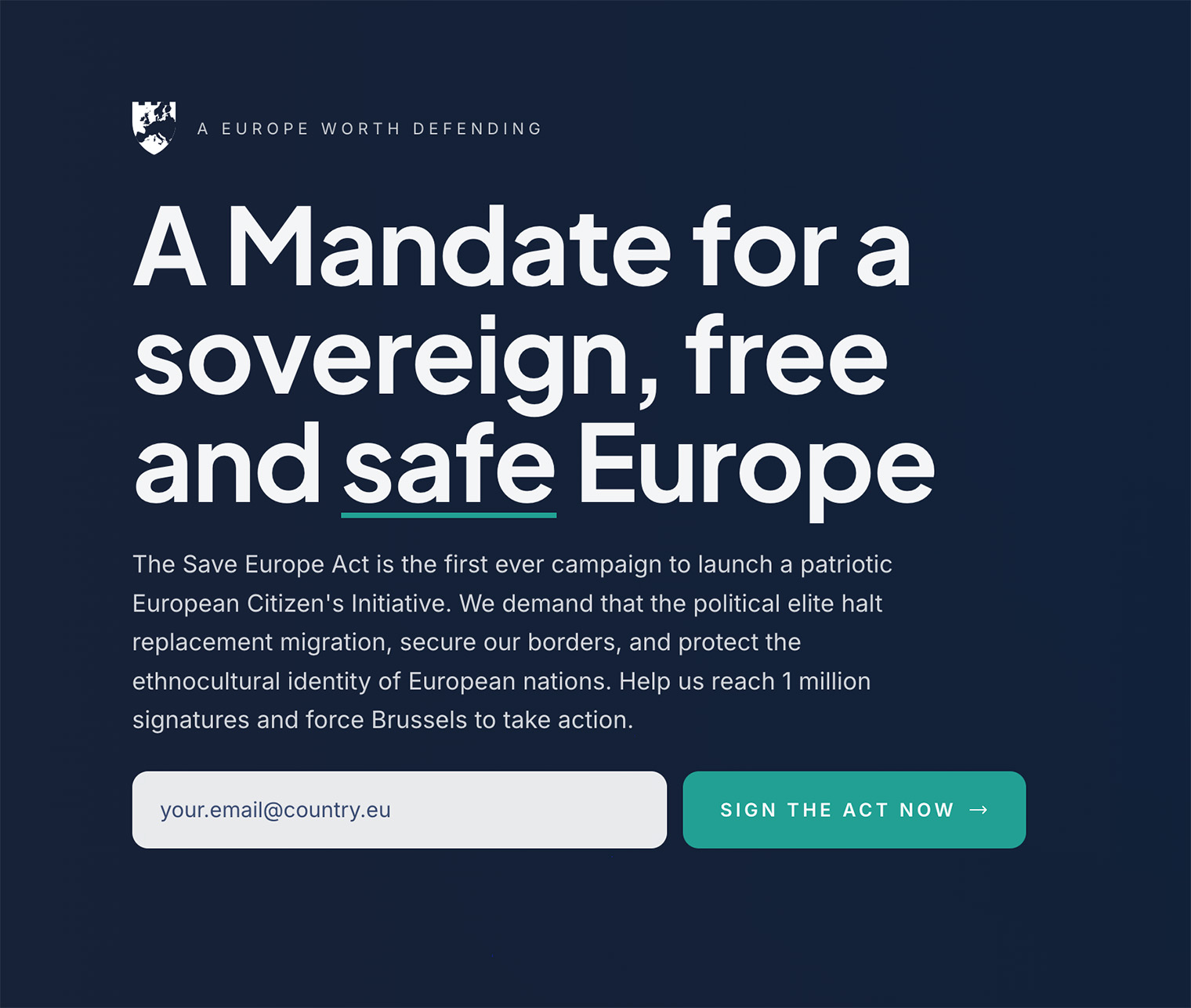
Vlaardingerbroek tells Samnytt that the European Commission has refused to register the initiative as a European citizens’ initiative. She sees this decision as proof that the EU does not live up to its own democratic ideals.
READ ALSO: Brussels mayor bans anti-immigration demonstration
– They say this is a tool for citizens to influence policy. But when people actually try to use it, they block us before the process has even started. That says a lot about how they operate, she says.
The group now plans to pursue the matter legally.
– We are not going to accept a no. We will continue regardless of what the Commission or media say. On the contrary, the rejection has given us even more energy.
According to Vlaardingerbroek, the movement has already gathered over 650,000 signatures and is growing far beyond the internet.
– I believe the Save Europe Act can become a European popular movement with real influence.
Support from Musk and Trump
During the interview, Eva Vlaardingerbroek also tells of the international support she feels the movement has received.
She says that Elon Musk recently shared two of her videos about the Save Europe Act on X, and that U.S. President Donald Trump has previously shared one of her speeches about the so-called “Great Replacement.”
We need radical answers to the radical agenda that has been carried out before our eyes over the past three decades. In this respect, I believe Americans are less fearful. They meet fire with fire, and there I think Europeans have something to learn. I often use Trump as an example and tell Europeans: Come on. This isn’t as dramatic as you think. If Americans could win a presidential election on that kind of message, then the European right should also be able to say that remigration is necessary. It’s okay.
Eva Vlaardingerbroek to Samnytt
Both Elon Musk and U.S. President Donald Trump have spoken about your work. How important is that support?
– That kind of support, of course, means a lot. It brings our message to millions of people who would otherwise never have seen it, she says.
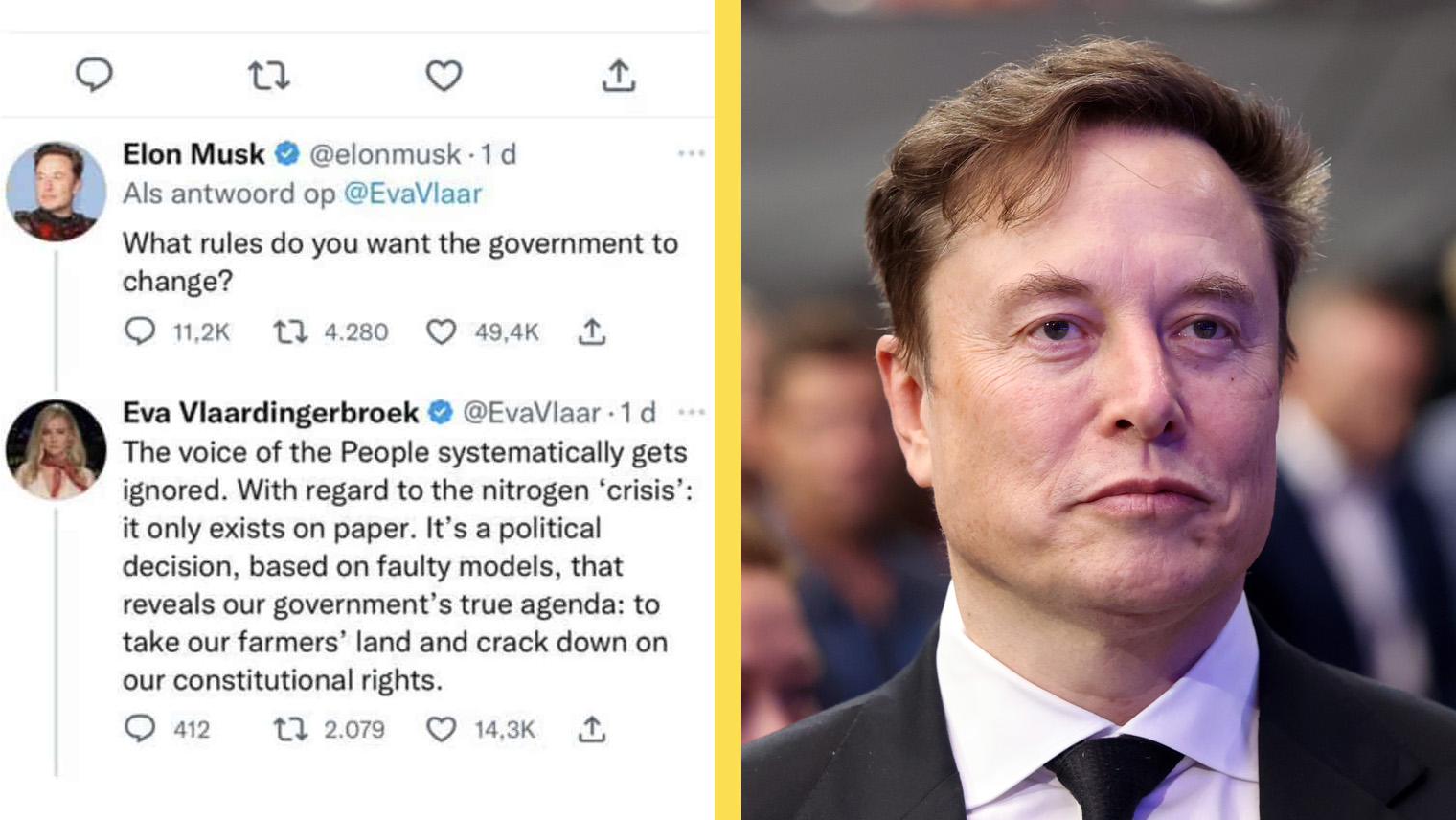
She also highlights X as the platform where she still feels the movement can communicate freely, not being restricted in the same way as other social media.
Donald Trump has fundamentally changed American politics. Under Joe Biden, we saw a development in many ways reminiscent of what we now see in Europe. What lessons should European conservatives draw from the political movement around Trump and what has happened in the USA?
– If you look at Save Europe Act, we advocate remigration. It’s a concept that is constantly demonized. Even on the right, there are those who think it sounds too far-reaching or too radical. Then I usually say: Look at Donald Trump. He won the presidency with an election promise of mass deportations, an even more far-reaching promise than talking about remigration. She continues:
History is not written by those who gave up. It is written by those who kept fighting even when the odds looked bad. That’s why I never give up.
Eva Vlaardingerbroek to Samnytt
– I therefore believe that European conservatives must stop being afraid to use words and concepts that actually describe reality, even if they may be perceived as powerful, frightening, or radical, she says, continuing:
– We need radical answers to the radical agenda that has been carried out before our eyes over the past three decades. In this respect, I believe Americans are less fearful. They meet fire with fire, and there I think Europeans have something to learn. Vlaardingerbroek elaborates:
– I often use Trump as an example and tell Europeans: Come on. This isn’t as dramatic as you think. If Americans could win a presidential election on that kind of message, the European right should also be able to say that remigration is necessary. It’s okay.
“Don’t give up”
Even though much of the interview is characterized by a dark analysis, Eva Vlaardingerbroek constantly emphasizes not losing hope. She says she herself has sometimes felt discouraged.
– I asked myself what I was really achieving. I had millions of followers, but did I really make a difference? Then I decided to do something concrete instead of giving up, she says.
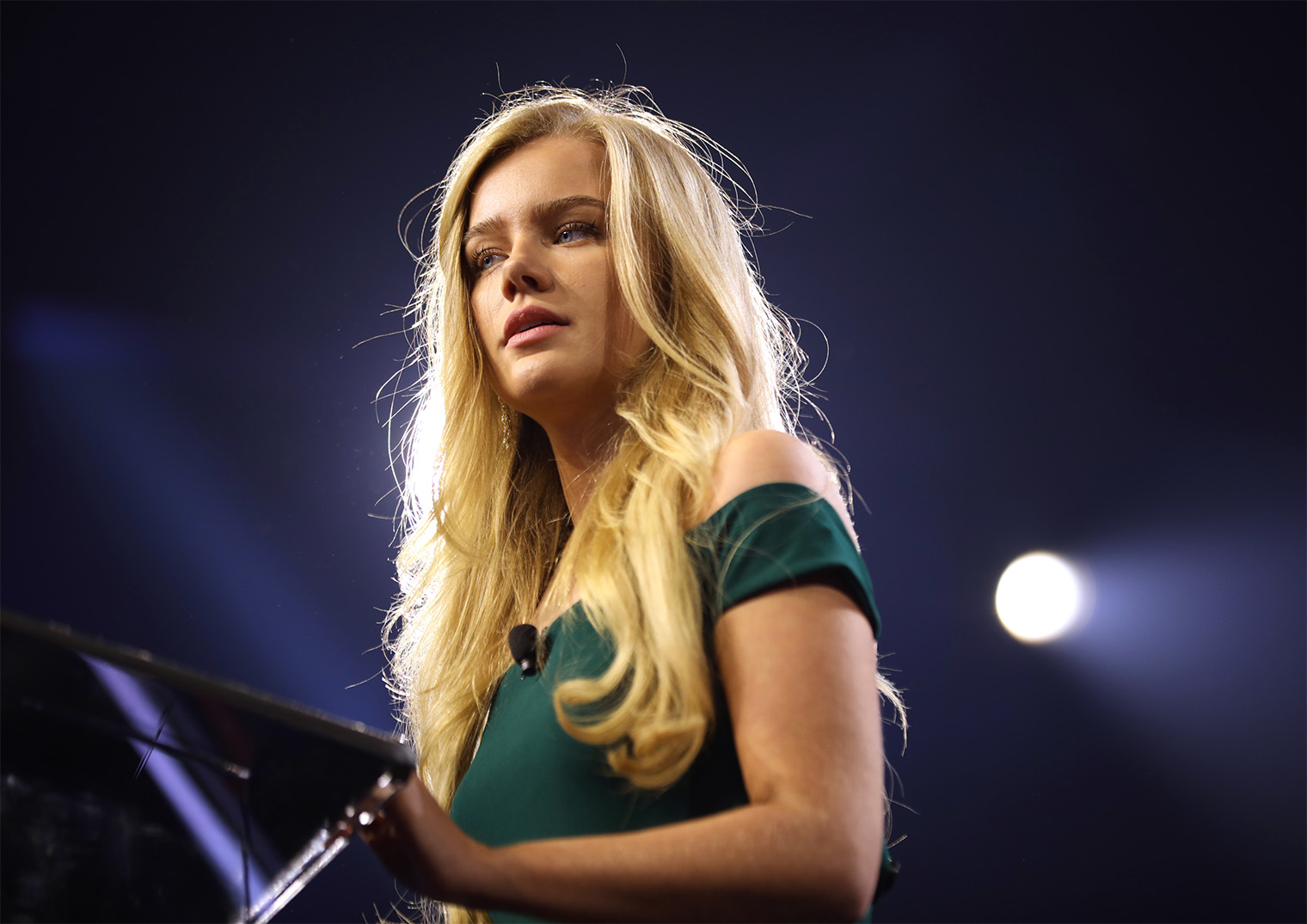
That became the start of the Save Europe Act. Her advice to people who share her concerns is therefore simple: get involved—even on a small scale.
– The most important thing is not to become passive. Even if you just put up a poster, share a message, or get involved locally, you’re doing something. And when many do small things at the same time, it creates a ripple effect, says Vlaardingerbroek.
She also emphasizes the importance of family and close relationships.
– Surround yourself with people who care about you, who support you, and who share your values. That combination—community and action—keeps people from losing hope.
As the interview draws to a close, the conversation returns to the future.
Despite all the challenges, Eva Vlaardingerbroek says she still believes the situation can be reversed—but only if people choose to act.
– History is not written by those who gave up. It’s written by people who kept fighting even when the odds looked bad. That’s why I never give up.