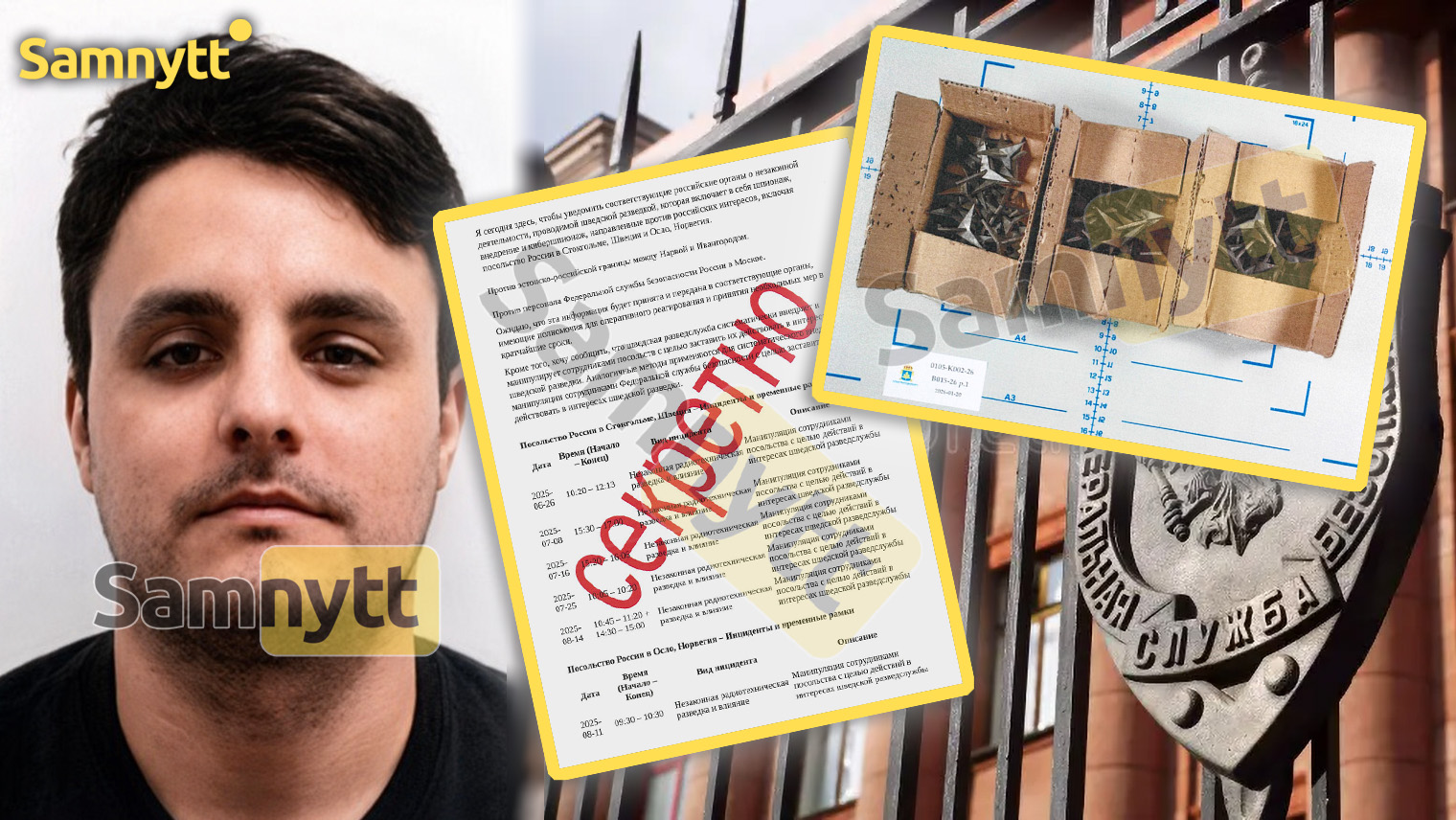
A former employee at the Swedish Armed Forces now faces trial in one of the most high-profile security cases in Sweden in recent years. At the same time, he is also under investigation for conspiracy to commit murder—plans he is alleged to have hatched while in Moscow.
According to the prosecutor, 34-year-old Ramin Tellebond, born in Sweden to an Iranian father and Swedish mother, traveled to Moscow in the autumn of 2025. There, he allegedly offered the Russian security service FSB and the military intelligence agency GRU information he had accessed during his time employed by Swedish defense.
According to the prosecutor, 34-year-old Ramin Tellebond, who was born in Sweden to an Iranian father and a Swedish mother, traveled to Moscow in the autumn of 2025 to offer the Russian security service FSB and the military intelligence agency GRU information he had accessed during his employment within Swedish defense.
At the same time, he is being investigated in a separate case, suspected of conspiracy to commit murder. According to the prosecutor, the planning of the intended crime is believed to have taken place partly from Moscow and was directed at a person in Sweden.
Tellebond denies all criminal suspicions.
Believed He Was Under Surveillance by Swedish Authorities
The story began long before his arrest in January this year. During 2024 and 2025, Ramin Tellebond developed a growing conviction that he himself was the subject of an extensive intelligence operation by Swedish authorities.
According to the Security Police investigation, he believed that the National Defence Radio Establishment (FRA) was surveilling him, that the Swedish Armed Forces were manipulating his digital accounts, and that authorities were collaborating to work against him.
READ MORE: Former Armed Forces Employee Detained on Suspicion of Espionage
These suspicions led to intense actions. He reported the Swedish Armed Forces to the police several times, contacted the Security Police hundreds of times, and even reached out to foreign authorities.
His suspicions were also documented in a vast collection of his own materials. Seized materials included diaries, notes, reports, and long documents where Tellebond described what he perceived as a systematic intelligence operation targeted at himself.
READ MORE: Suspected Spy Worked in the Armed Forces for Several Years
The documents claim, among other things, that the FRA for several years had conducted signals intelligence, cyber operations, and influence efforts against him. The material comprised hundreds of pages in Swedish, English, and Russian, and also included mappings of people, organizations, and authorities he believed to be involved.
Decided to Seek Protection from a Foreign Power
In several of his contacts, he stated that he felt so pressured he might be forced to seek protection from a foreign power.
For the Security Police, these contacts appeared to become an increasingly central part of the man’s everyday life. The investigation shows that during the autumn of 2025, he not only called the Security Police hundreds of times but also visited the authority’s offices on several occasions.
Tips and messages he sent repeatedly contained claims that the FRA was conducting illegal operations against him and that Swedish authorities had been infiltrated or manipulated.
The investigation also shows that he tried to get support from foreign actors. Among the seized documents is material addressed to the Finnish Security Intelligence Service SUPO as well as draft messages to foreign media in which he offered extensive documentation about what he considered to be illegal activities by Swedish authorities against him.
Chose Russia
During the summer of 2025, contacts with Russia began. According to the investigation, he repeatedly called the FSB’s official telephone number and began attempting to obtain visas, residence permits, and political asylum in Russia.
According to his own statements, Tellebond had previously explored several other possibilities to leave Sweden. In interviews, he says he tried to obtain an Iranian passport through contacts in Turkey and also sought opportunities to get protection or settle in the United States.
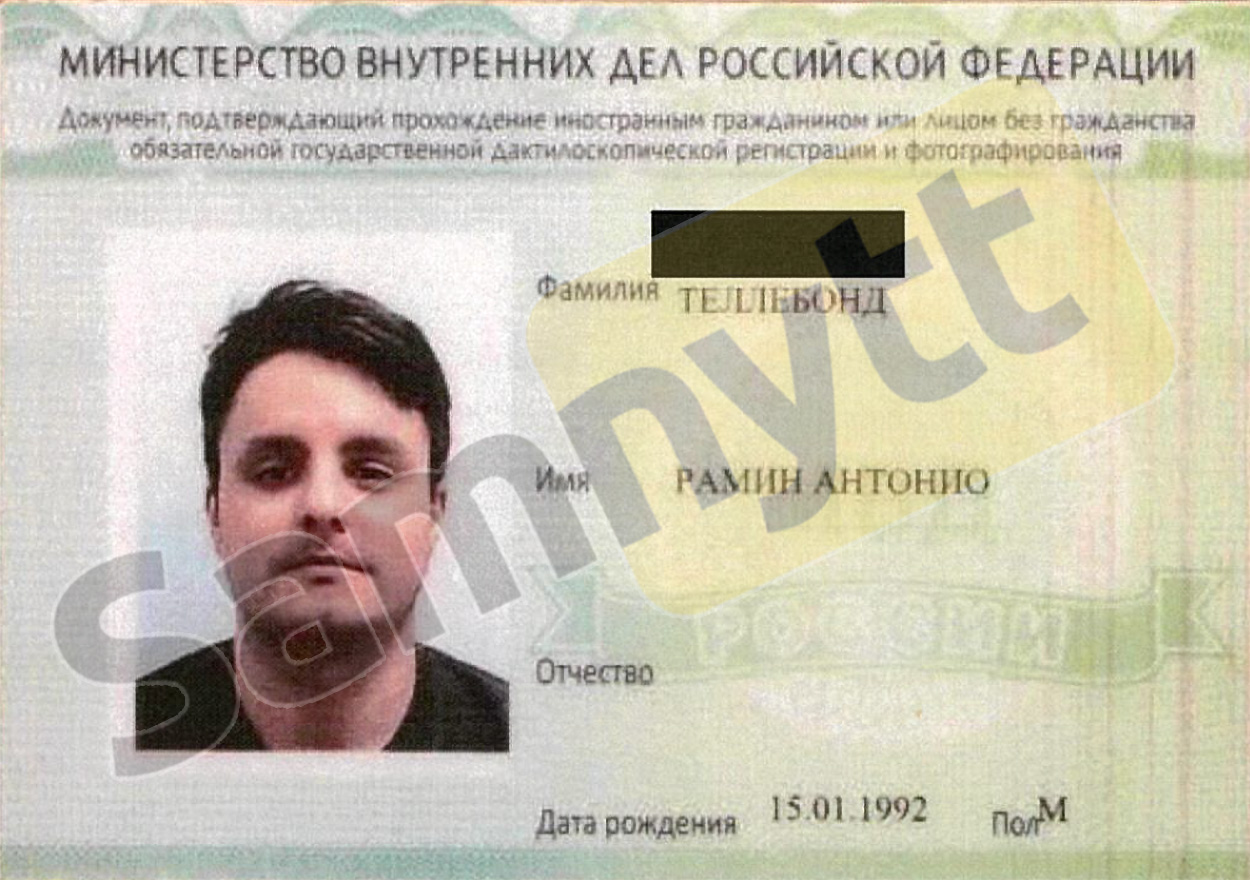
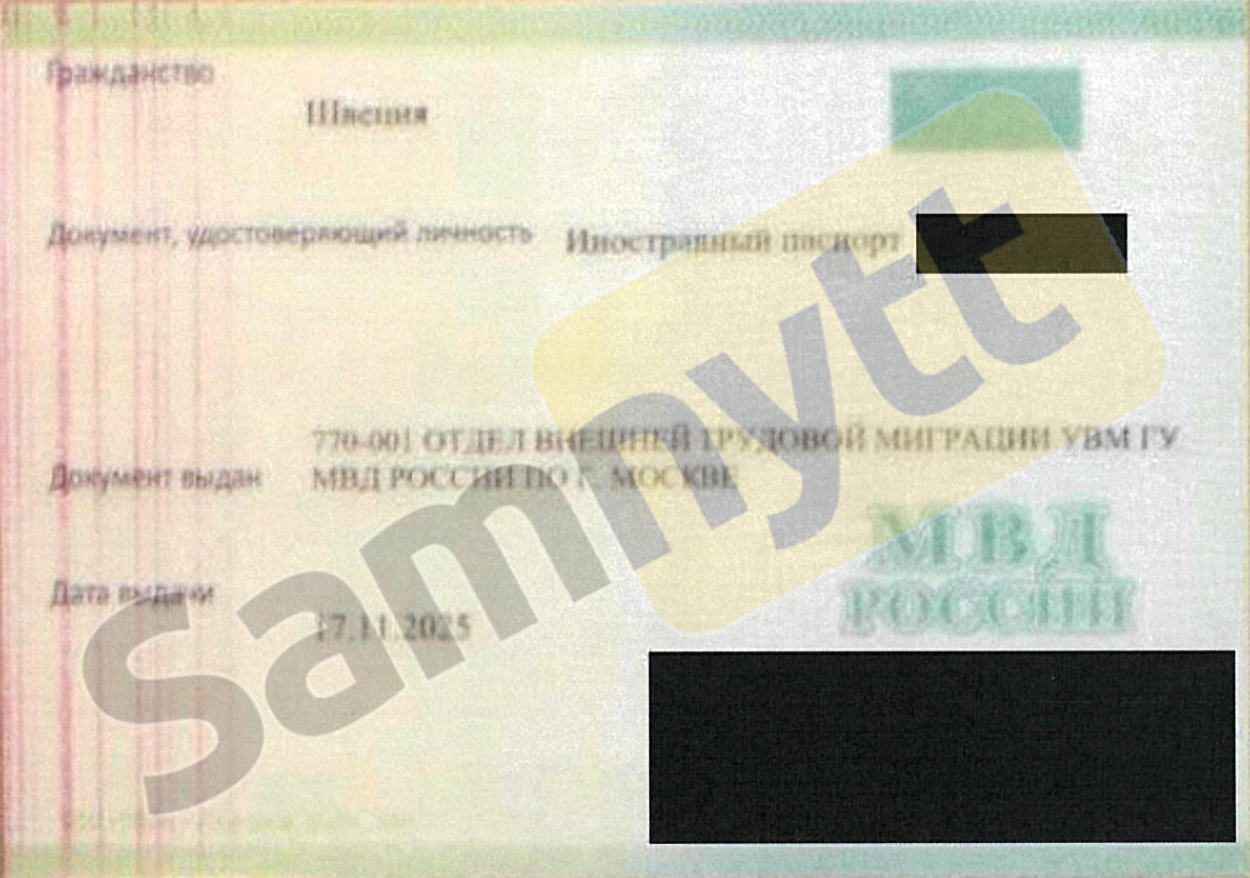
Only when these alternatives led nowhere did Russia emerge as a possible option. He has described the Moscow trip as an attempt to find a way out from the situation he felt he was in in Sweden.
When he later traveled to Moscow, he had already disclosed his military background in his visa applications. He received a business visa after an invitation from a Russian company and simultaneously applied for a residence permit in the country.
Restless Autumn with Foreign Trips
The trip to Moscow did not occur in a vacuum. The investigation shows that during 2025, Tellebond made a large number of foreign trips. He traveled, among other places, to Finland, Norway, Turkey, the Czech Republic, and the USA on several occasions.
In the United States, he visited Washington D.C., New York, and other locations. According to previous information in the investigation, he also visited the famous Spy Museum in Washington.
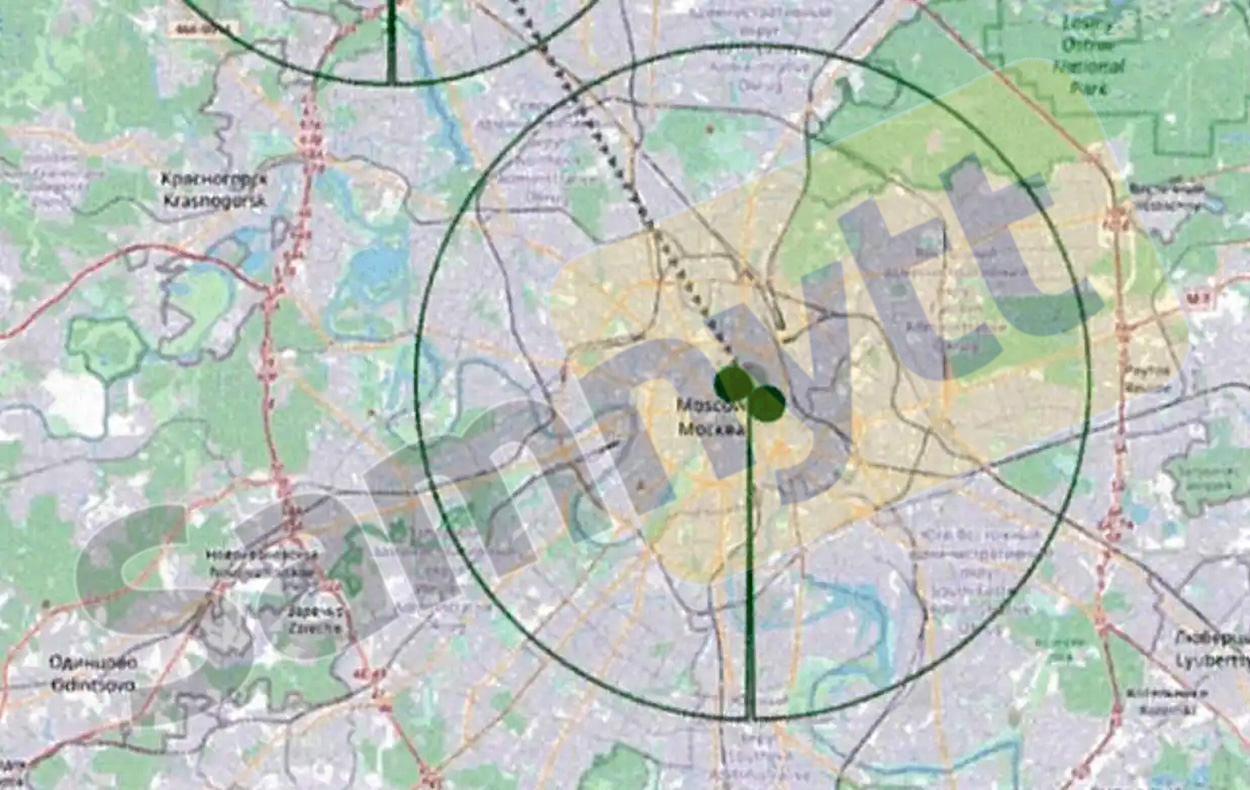
In November, the journey that would later become the focus of the espionage case began. Via Tallinn and Narva, he entered Russia, where he stayed at various hotels in Moscow for nearly three weeks before returning to Sweden via Finland.
The Security Police later mapped out the trip through hotel bookings, bank transactions, and geographic positioning.
Meetings with Russian Security Services
According to the indictment, contacts culminated in November and December 2025. The prosecutor claims that Tellebond, while in Moscow, tried to assist Russia by offering to hand over classified information he had obtained during his previous employment in the Swedish Armed Forces. In return, he allegedly sought protection from Swedish authorities and future Russian citizenship.
The investigation contains information about calls to the FSB before the trip, contacts with Russian representatives in Moscow, and location data that, according to the prosecutor, place him near the FSB headquarters at Lubyanka Square.
Unlike many other espionage cases, there is no uncertainty as to whether contacts with Russian security bodies took place. In police interviews, Tellebond himself has stated that he met individuals he believed to be representatives of the FSB during his stay in Moscow.
By his own account, the contacts concerned his situation in Sweden and his desire for protection from what he perceived as Swedish authorities’ actions against him. He describes that upon arrival in Russia, he made contact with people who asked about his background and the circumstances of his trip.
Sought Political Asylum and Military Protection
According to the indictment, preparations were not limited to the trip itself. The prosecutor also refers to documents related to applications for residence, requests for political asylum and military protection, a Russian tax account, and other administrative measures for a future in Russia.
The Security Police have also secured documents, notes, and digital searches that, according to the prosecutor, show he actively tried to establish contact with Russian intelligence agencies.
Among the documents later seized were texts in both English and Russian accusing Swedish intelligence and security services of infiltration, cyber operations, and influence activities directed against Russian interests.
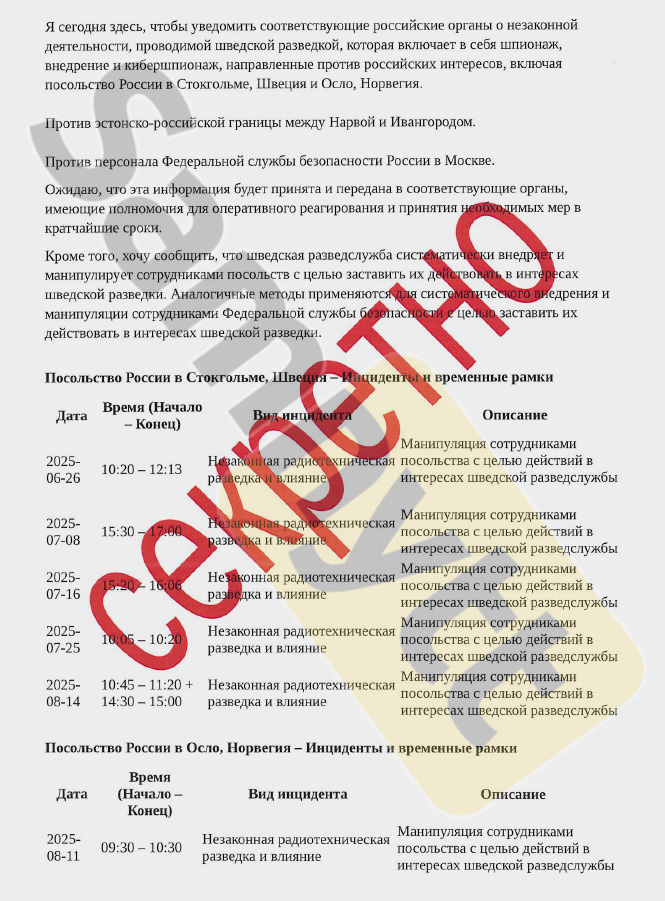
One of the documents was marked with the Russian watermark “секретно”, that is, “secret”. According to the investigation, Tellebond had also compiled various kinds of reports and letters intended for Russian authorities and security services.
Among the documents later secured by the Security Police were statements accusing Swedish authorities of espionage, infiltration, and cyber-espionage directed at Russian interests. Parts of the material appear to have been prepared for possible delivery to Russian authorities.
The evidence also includes material from the state-controlled Russian TV channel Russia Today, where Tellebond appeared in a segment. The segment claims that Tellebond had handed over some information to Russia.
Followed an FRA Employee
The suspicions against Tellebond took a concrete turn at the end of December 2025. An FRA-employed security guard noticed he was repeatedly being followed by the same car. According to the indictment, Tellebond first followed the man from his workplace to his home and then again a few days later on his way to work.
The prosecutor considers this to be a repeated violation of privacy and has therefore also brought charges for unlawful persecution. When police located the car on January 4, Tellebond was apprehended. In the car, police found, among other things, computer equipment, USB drives, and documents in Russian.
The police’s first measures marked the start of an extensive security investigation. When the car was searched, several mobile phones, electronic equipment, storage media, and documents written in Cyrillic script were found. Tellebond stated he had recently returned from Russia and that the trip was related to his present situation.
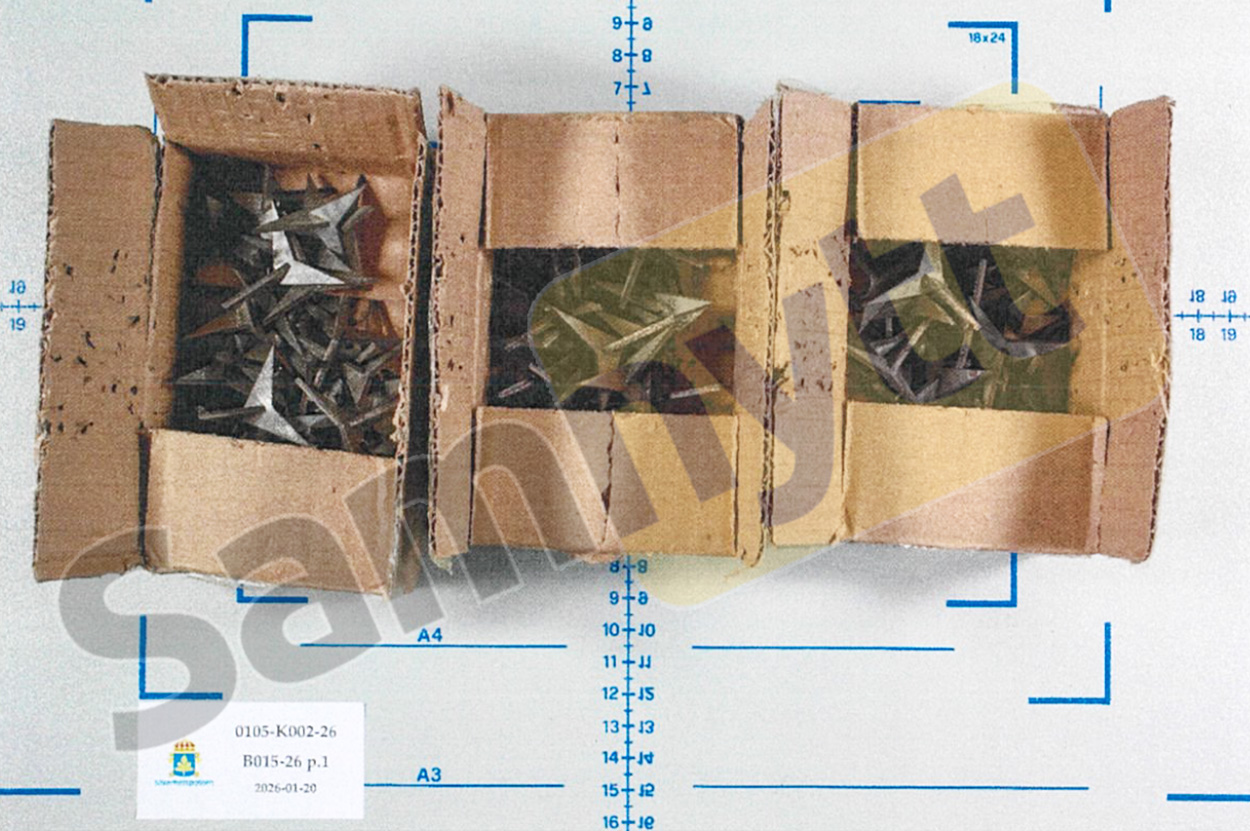
The house searches resulted in unusually extensive seizures. In addition to computers, phones, storage media, and documentation, a package addressed to Tellebond was found during his detention. The package contained about 90 “caltrops”—small metal objects meant to puncture car tires.
The Security Police have documented the find in the preliminary investigation, but no public explanation has been provided for why the items were ordered. The arrest led to the Security Police taking over the investigation.
Charged with Attempted Espionage
On June 10, the National Security Unit charged Tellebond. According to the indictment, he allegedly committed attempted espionage by trying to reveal information whose disclosure could harm Sweden’s security. Alternatively, the prosecutor calls for punishment for preparation of espionage.
The investigation at the same time paints the picture of someone with a longstanding interest in IT security, cybersecurity, and intelligence affairs. Over the years, Tellebond has registered for several courses in IT security, data communications, and programming. He has also worked in technical security environments and started his own company focused on cybersecurity.
The prosecutor argues that it was precisely this background that made him of interest to Russian intelligence operatives. Several witnesses from the Security Police and the Swedish Armed Forces have been called by the prosecution.
Central to the case is the question of what type of information Tellebond had access to during his employment and whether that information, if revealed, could harm Sweden’s security.
Tellebond denies the charges.
New Suspicion: Murder Plots from Moscow
At the same time as the espionage case nears trial, a new and serious criminal suspicion has emerged.
In May, it was revealed that Tellebond is also suspected of conspiracy to commit murder. The suspicion concerns events that, according to court documents, would have occurred in December 2025, i.e., the same period as the Moscow trip.
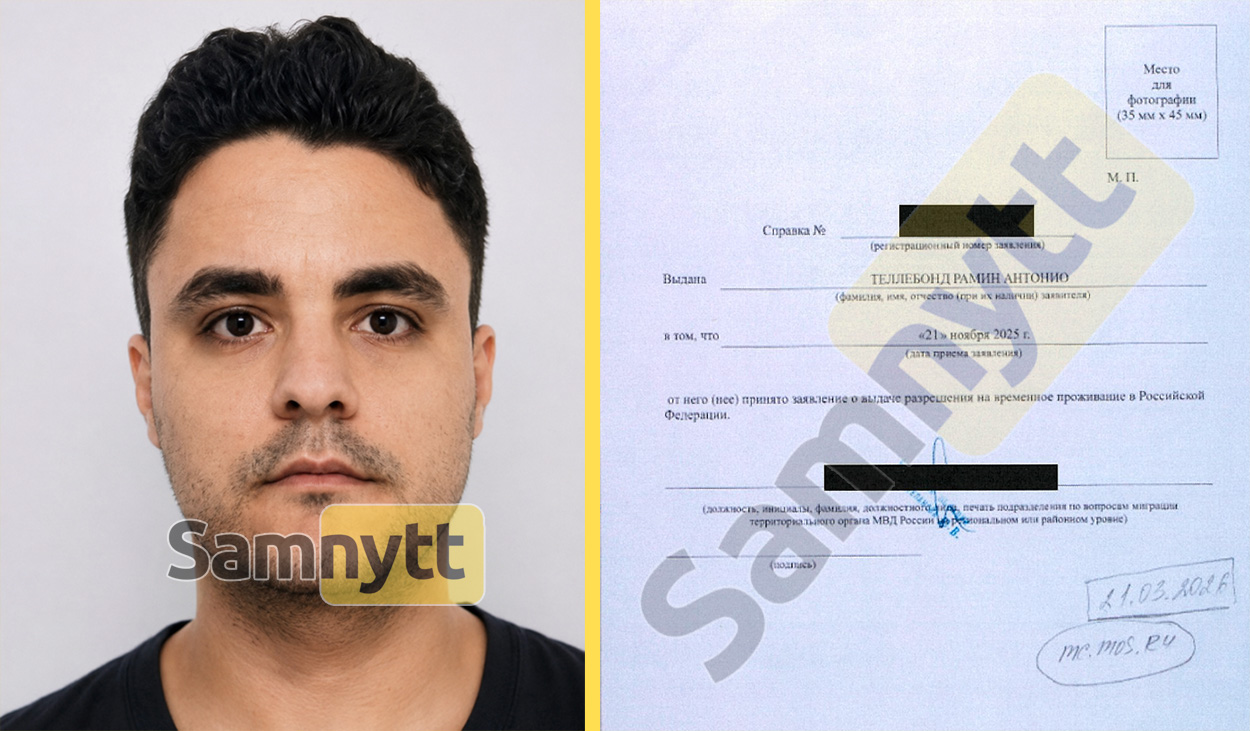
According to prosecutor Mats Ljungqvist, the planned crime was directed at a person in Sweden and was partially planned from Moscow. The details behind the suspicion have not yet been made public.
Detained on Probable Cause
Unlike the espionage case, where charges have now been filed, the murder investigation remains at the preliminary stage. The suspicion concerns conspiracy to commit murder, which means someone tried to incite another person to commit murder or otherwise planned and prepared the crime together with others.
So this does not concern an attempted murder in the literal sense, but rather a suspected planning. The Stockholm District Court has found the suspicions so strong that Tellebond has also been detained on probable cause for this crime while the investigation continues.
He denies this crime as well.
New Spy Scandal With Ties to Iran
The case has attracted attention also because it is reminiscent of the earlier “Iran affair” involving espionage for Russian military intelligence.
The Iranian brothers Peyman and Payam Kia were convicted for, over a long period, providing the Russian military intelligence service GRU with secret Swedish information. Peyman Kia had held high-level positions within both the Swedish Armed Forces and the Security Police and was later sentenced to life imprisonment for aggravated espionage.
READ MORE: The Armed Forces Ordered to “Increase Diversity” – Employed Iranians Who Spied for Russia
As in that case, the man now charged has an Iranian family background and was previously employed within Swedish defense operations.
Diversity Before Security
After the previous Iran affair in the Security Police and Armed Forces, critics have argued that security clearances for a period were not always prioritized as highly as the authorities’ ambitions to broaden recruitment and increase ethnic diversity.
Proponents of that position claim that risk assessments, in some cases, came to be overlooked. However, there is no evidence presented that this had any impact in Tellebond’s case.
ALSO READ: Iranian Spy Brothers Sentenced to Prison
Regardless of the outcome of the current case, the new spy scandal once again raises questions about how people with access to sensitive security information should be screened, followed up, and security cleared within Swedish authorities.
As the trial now begins in Stockholm District Court, the court is expected to rule on whether Ramin Tellebond actually tried to hand over Swedish secrets to Russia—or whether the Moscow trip had some other purpose than what the prosecutor claims.
Get 50% off today
123 083 33 50