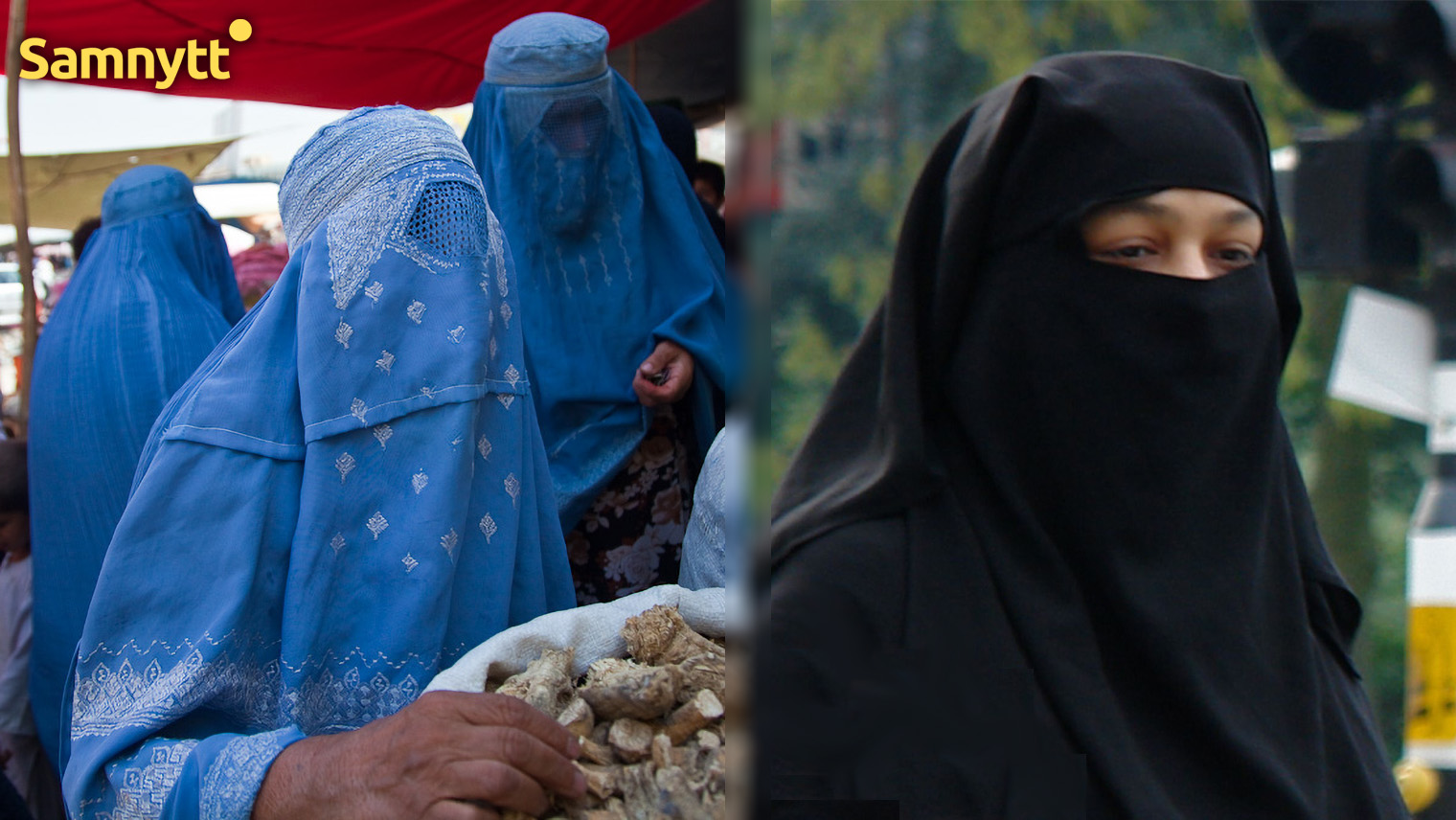
Portugal is banning clothing that conceals the face in public places—a law that in practice constitutes a ban on Muslim full-face veils such as the burka and niqab. Proponents highlight gender equality, freedom from religious and social coercion, and the importance of being able to identify people in public spaces. Portugal thus joins a number of European countries that have already introduced similar regulations.
The new Portuguese law prohibits garments designed to cover the face or otherwise prevent a person from being identified in public environments. In practice, this means that Muslim full-face veils such as the burka and niqab may no longer be worn in such places.
The niqab covers the face but leaves the eyes visible, while the burka also covers the eyes with a mesh or fabric panel. The law also includes provisions against forcing someone to cover their face due to, among other things, gender or religion.
“A central part of human identity”
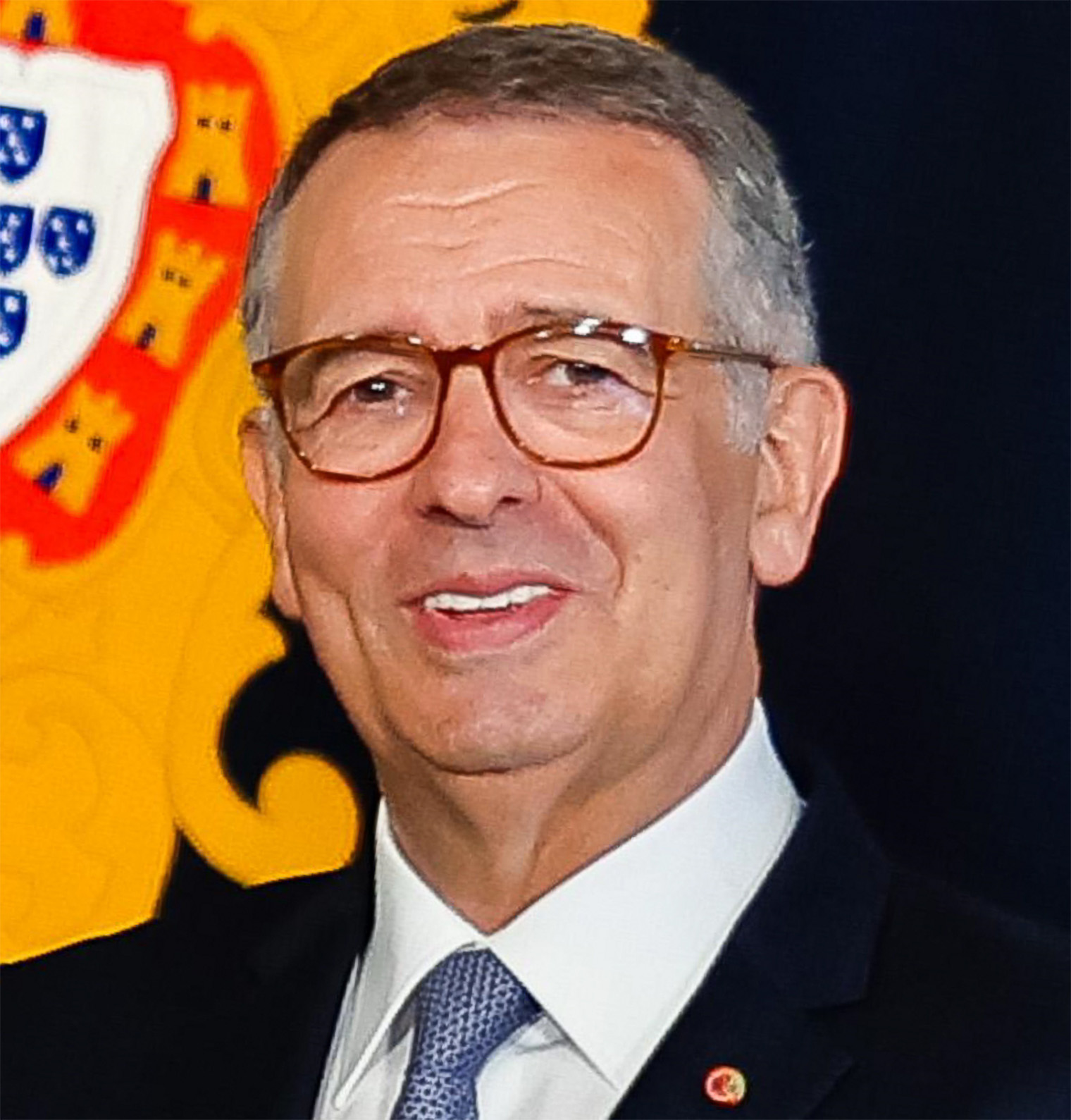
When the law was passed, both gender equality and the ability to meet others face-to-face were highlighted as arguments. President António José Seguro described the face as a central part of human identity and communication.
In the political debate, proponents of the ban have also highlighted the fundamental issue of women’s position in society. Full-face veils have long been debated in Europe, where critics view them as symbols of gender segregation and an outlook on women that is at odds with the principle of gender equality.
During parliamentary discussions, Andreia Neto from the governing Social Democratic Party put the argument explicitly in terms of equality.
– This is a debate about equality between men and women. No woman should be forced to cover her face, she said according to Reuters.
Fines for breaking the law
According to the final law, those who violate the ban risk fines between 150 and 3,000 euros. However, the ban is not absolute. Exceptions are made, for example, when the face must be covered for medical or professional reasons, due to weather conditions, or within artistic activities.
Exceptions also exist in places of worship, diplomatic missions, and aboard airplanes. The provisions are thus formulated as a general ban on concealing the face rather than an explicit prohibition targeting a particular religion.
SEE ALSO: Survey: Strong popular support for ban on full-face veils
Full-face Muslim veils are said to be relatively uncommon in Portugal. Nevertheless, the issue has gained symbolic importance in the debate about which norms should apply in public spaces and how society should relate to religious customs that may conflict with other values.
Several European countries have already introduced bans
Portugal is far from alone in Europe. Several countries have introduced national bans or restrictions on face-covering clothing over the past 15 years. In 2011, France became the first European country with a general ban in public spaces, and Belgium implemented a similar ban the same year.
Among European countries with national bans or restrictions are:
- France – general ban on face-covering clothing in public places since 2011.
- Belgium – face-covering clothing banned in public places since 2011.
- Bulgaria – introduced a ban on face-covering garments in 2016.
- Austria – requires since 2017 that faces be visible in public places.
- Denmark – banned clothing that covers the face in public places in 2018.
- Netherlands – has a more limited ban that covers, among other things, schools, hospitals, public buildings, and public transportation.
- Norway – has a ban on full-face veils in, among other places, the education system.
- Switzerland – after a referendum, introduced a national ban on covering the face in public spaces.
The extent of the rules thus varies significantly between countries. France, Belgium, Austria, and Denmark are among those with more far-reaching regulations, while the Netherlands, for example, limits the ban to certain environments.
A European issue of freedom and shared norms
The debate about the burka and niqab has been ongoing in Europe for decades. Supporters of bans have pointed to safety and the ability to identify people, but also to integration and gender equality.
Opponents argue that even a ban restricts women’s ability to choose their own clothing. The Portuguese law therefore also targets coercion itself: the regulations not only cover the use of face-covering clothing in public but also prohibit forcing someone to wear them.
With the new law, Portugal has chosen a model already used in several other European democracies: as a general rule, people should be able to meet each other with visible faces in public spaces, while special exceptions are made for practical, medical, or other legitimate reasons to cover the face.
Read all Samnytt articles about full-face veils.