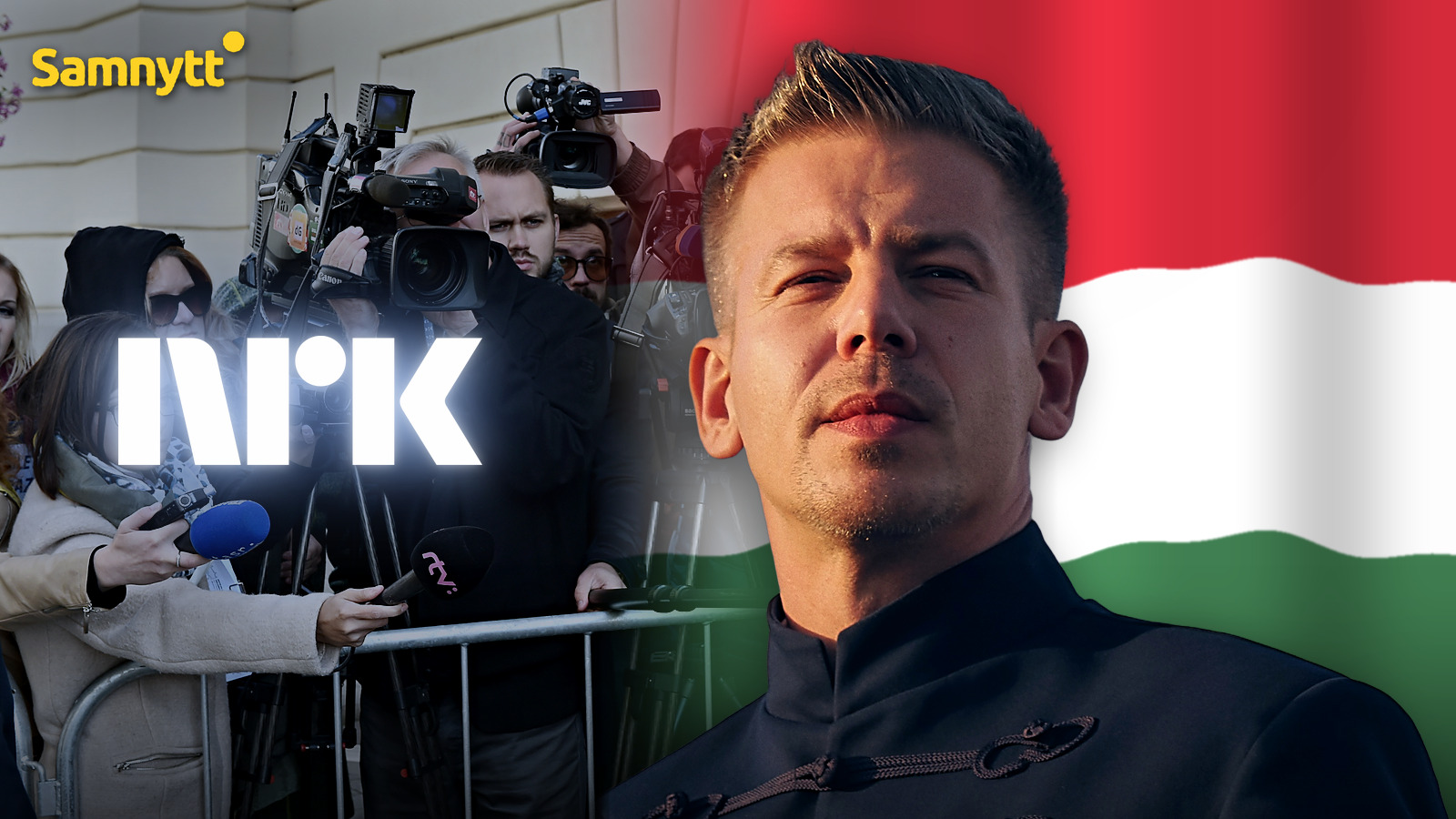
Péter Magyar promised to strengthen press freedom after Viktor Orbán’s years in power. But when the Norwegian public service broadcaster NRK reported on the difficulties in securing an interview with the new prime minister, he responded with sharp criticism. At the same time, a Hungarian media outlet was denied access to parliament.
When Péter Magyar took office as Hungary’s prime minister earlier this year, the change in power was portrayed as the beginning of a new political era. After the Orbán years, improvements were promised for both the rule of law and press freedom. Magyar himself had criticized the previous government for its treatment of journalists and pledged greater openness toward the media.
However, when NRK tried to arrange an interview with the new prime minister, their experience was different. Correspondent Zofia Paszkiewicz described how contact with Magyar’s staff initially seemed promising, but the situation changed when the journalism team traveled to Budapest at the end of July.
A planned interview opportunity was cancelled, and the prime minister’s staff could not guarantee that NRK would be able to ask questions at a later press conference. According to the broadcaster, a government official even warned that continued attempts to contact ministers might result in no interview ever taking place.
Accused NRK of Lying
Magyar is also said to have passed by the journalists without stopping for questions. NRK further reports that parliamentary guards demanded the team delete video material filmed outside the prime minister’s office.
READ ALSO: EU official states that Hungary is liberated: “Streets filled with joy and pride”
The prime minister dismissed the criticism and denied that the journalists had been mistreated. He also emphasized that no definitive agreement for an interview had ever existed, something which NRK’s correspondent later confirmed.
When Paszkiewicz once again requested an interview in a Facebook comment section, Magyar reacted even more harshly. He described her article as “full of lies” and made it clear that she could hardly expect an interview in the near future.
READ ALSO: Ekeroth: “When EU allies dismantle the rule of law, Swedish media suddenly fall silent”
The conflict has raised questions about how the prime minister views the media’s watchdog role, especially since he himself used press freedom as an argument against Orbán’s previous government.
Media Channel Denied Access
The same day, the Hungarian media channel Partizán was denied accreditation to parliament. The decision referred to new rules from June which, among other things, include requirements for the classification and news coverage of media outlets.
Magyar stated that he disagreed with the decision but emphasized at the same time that parliament is an independent branch of government.
READ ALSO: After three months in power: Magyar’s government undermines democracy
The incident received particular attention because Partizán played a decisive role in Magyar’s own political career. It was through an interview with the channel in 2024 that he had his major public breakthrough and began establishing himself as a challenger to Orbán.
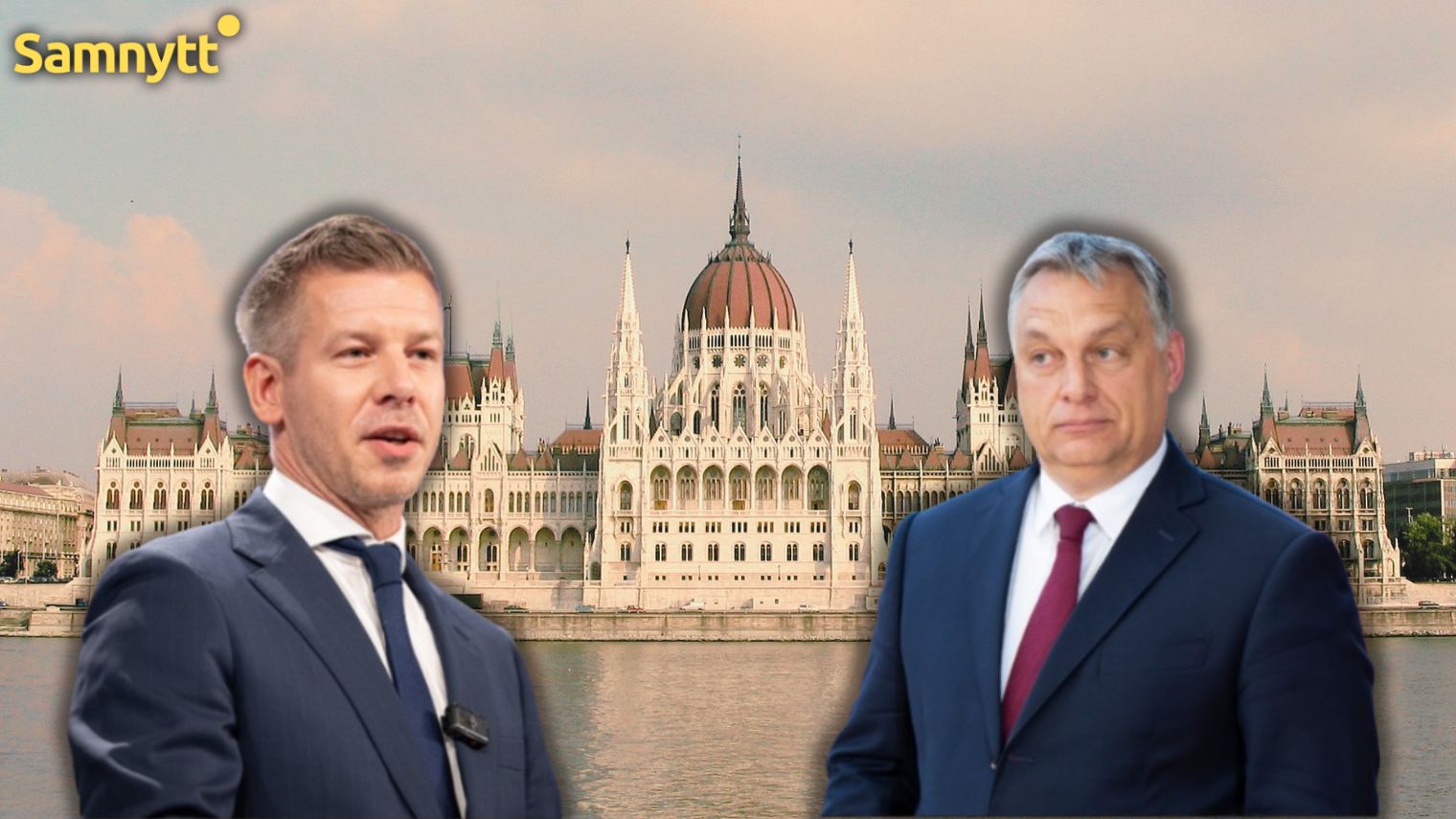
His statements have also attracted attention in other contexts. In August, he commented on two high-level appointments within public service media. Within a few hours, both were withdrawn.
READ ALSO: British newspaper: “Authoritarian liberalism on the rise in Hungary”
Magyar later denied having issued any directive. The incident nonetheless raised questions about the extent of the prime minister’s public statements’ influence over the country’s institutions.
READ ALSO: Hungary’s president resigns – warns of weakening rule of law under Magyar’s government