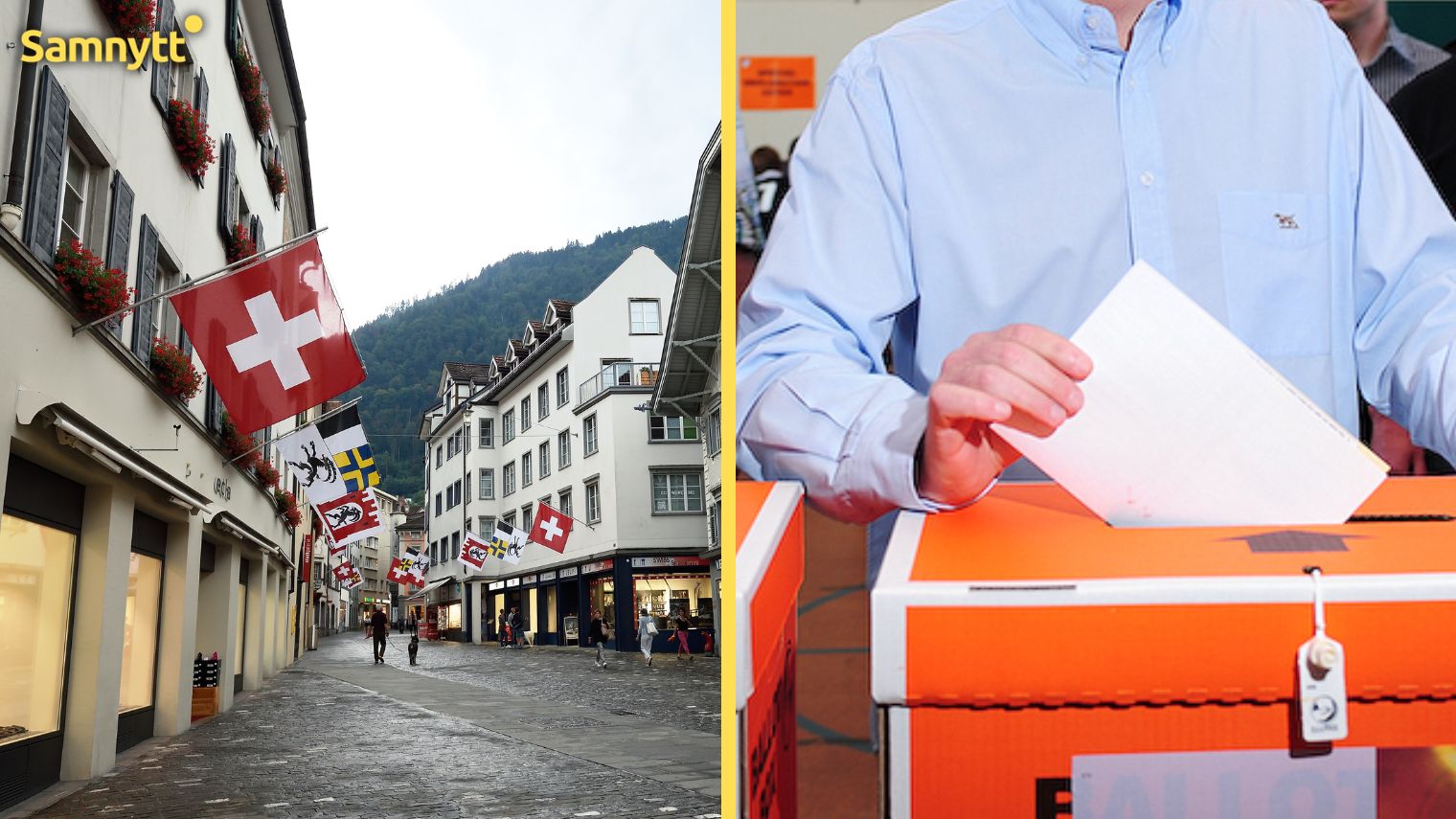
Swiss voters have rejected a proposal to limit the country’s population to a maximum of ten million inhabitants. In Sunday’s referendum, around 55 percent voted no while 45 percent voted yes to the initiative, which had been pushed by the anti-immigration and national conservative Swiss People’s Party (SVP). The result means that Switzerland will maintain its current migration policy and its agreements for free movement with the EU.
The proposal, titled “No to a Switzerland with Ten Million Inhabitants,” aimed to enshrine a population ceiling in the nation’s constitution. If the population were to reach 9.5 million, the government would be forced to implement stricter restrictions on immigration, family reunification, and asylum. If the population then exceeded ten million, Switzerland would have had to leave the free movement agreement with the EU according to the proposal.
The SVP had argued that rapid population growth is putting pressure on the housing market, infrastructure, welfare, and the environment. The party points out that Switzerland’s population has increased from about 7.3 million to just over 9.1 million inhabitants in 25 years, primarily due to immigration. Nearly 30 percent of the country’s residents are foreign citizens today.
READ ALSO: Conservative gains in Swiss election
Opponents of the proposal, including the government, business sector, and several major parties, warned that it could harm the economy. They claim that Switzerland is highly dependent on labor migration, especially in healthcare, research, industry, and construction sectors.
Critics also argued that terminating the free movement agreement could worsen relations with the EU, which is Switzerland’s most important trading partner.
High Interest
The referendum was closely watched outside Switzerland as well, since it touched on an issue that has become increasingly debated in Europe: how countries should handle continued immigration while housing shortages, infrastructure challenges, and skills provision remain high on the political agenda.
Despite the SVP’s defeat, the result shows that the issue engages a large part of the electorate and is expected to continue to play a central role in Swiss politics.