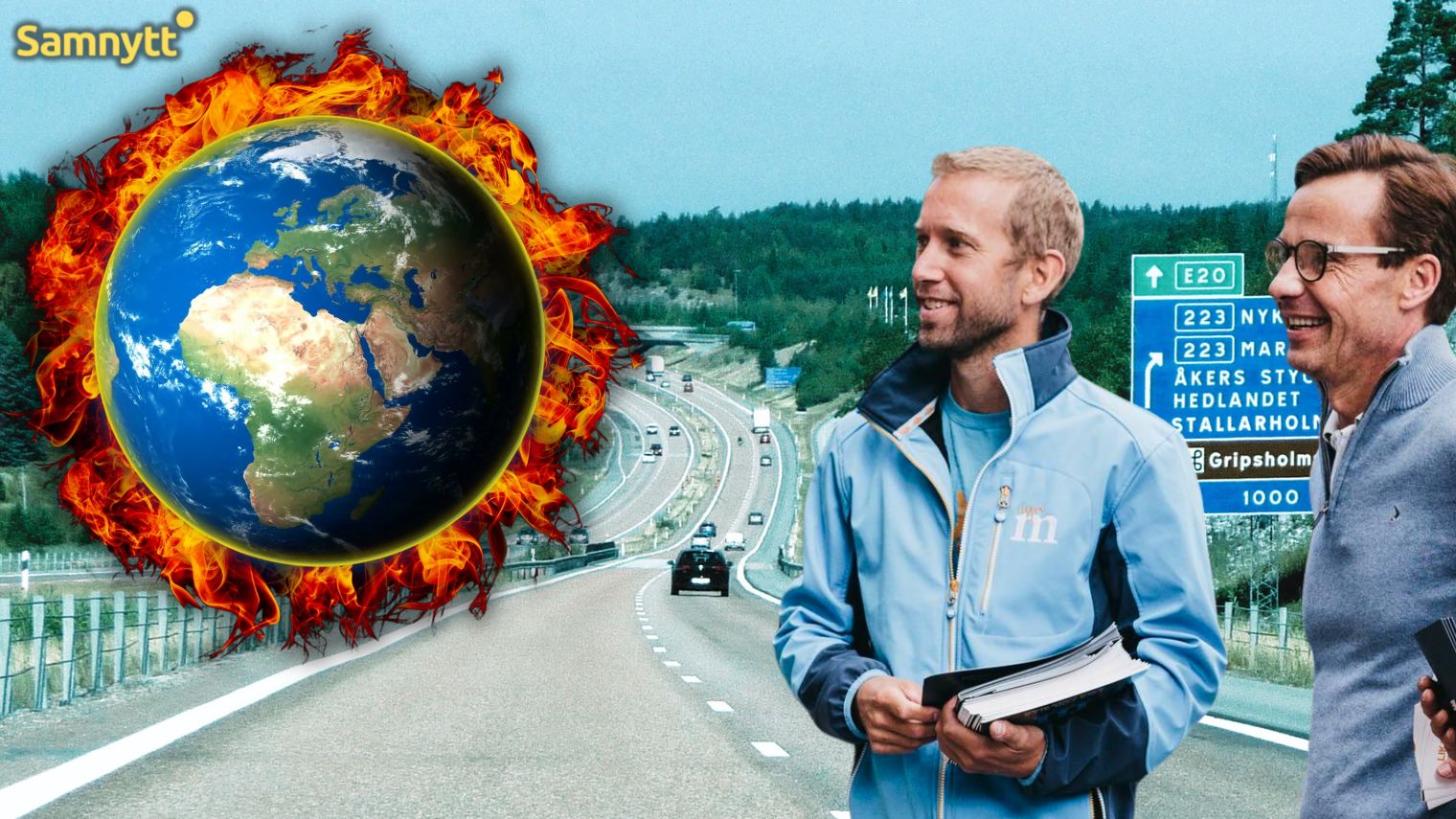
Prime Minister Ulf Kristersson’s (M) home municipality of Strängnäs has set the goal of becoming climate neutral by 2040. But the development is moving in the wrong direction. The latest figures show that emissions from transport increased in 2023, while traffic accounts for the largest share of the municipality’s climate impact. Now the M-led municipality is opening up to lowering the speed limit on the E20 motorway.
According to the municipality’s climate action plan, emissions from transport amounted to just over 66,000 tons of carbon dioxide in 2023—an increase of about ten percent compared to the previous year. The municipality attributes this development partly to the lowered blending mandate for biofuels, a slower electrification of the vehicle fleet than expected, and increased traffic.
In order to reach the set targets, a range of measures are now being discussed that stretch far beyond the municipality’s traditional areas of responsibility. Suggestions range from lower speeds on the E20 and subsidized biodiesel to environmental zones, express buses, and investments in carbon sinks.
Since road traffic has such a large impact on the municipality’s climate budget, several of the proposed measures focus precisely on transport. One of the most debated proposals is to lower the speed limit on the E20 through the municipality from 120 to 110 kilometers per hour.
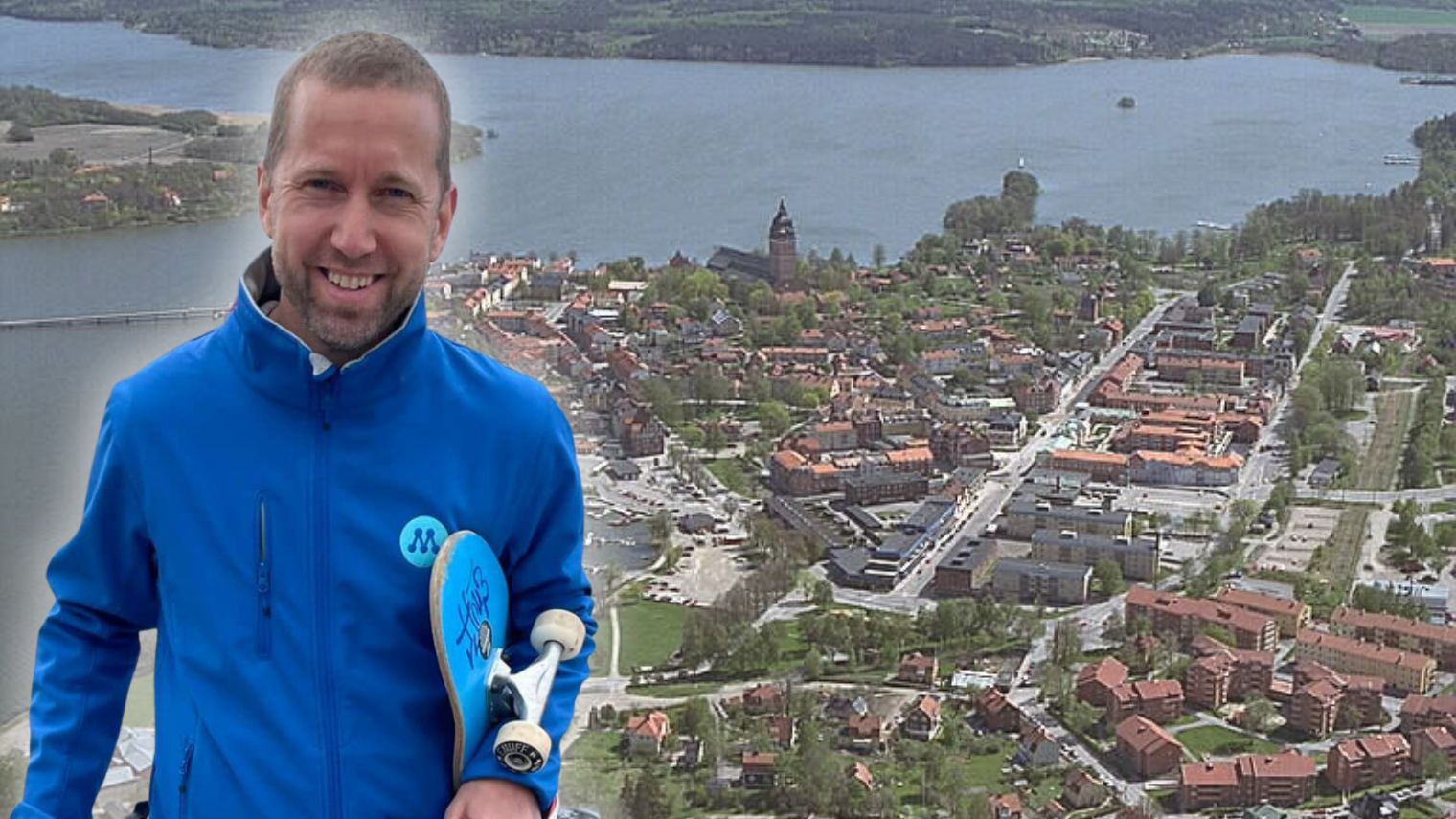
According to the municipal leadership, such a change could noticeably reduce emissions, as a very large number of vehicles pass through the area each day. Jacob Högfeldt (M) is chairman of the municipal executive committee, and he believes that the residents must help save the planet.
“We must take responsibility for what we pass on, but in order to do that, we also have to get the residents on board,” Högfeldt told Strengnäs Tidning.
However, no decision is pending at the moment. Municipal executive chairman Jacob Högfeldt (M) emphasizes that the proposal requires both political support and acceptance among residents. Furthermore, the formal decision-making authority rests with the Swedish Transport Administration.
Open to Restricting Traffic
Another proposal under discussion is for the municipality to help make the biodiesel HVO100 as inexpensive as regular diesel. The idea is to compensate for the increased emissions attributed to the lowered blending mandate for biofuels. At the same time, there are several questions regarding how such a model might work in practice, including the risk that motorists from other municipalities would come to Strängnäs to refuel with cheaper fuel.
In the longer term, there are also ideas to restrict car traffic in central parts of the municipality. One option mentioned is an environmental zone class 3, which in practice would mean that fossil-fueled private cars would no longer be allowed to travel in the area. However, the municipal leadership considers that the time is not yet ripe for such a move and instead sees greater opportunities to gradually create more car-free environments in the city center.
READ ALSO: County Administration: The Green Party will not get ban on petrol and diesel cars in Stockholm
At the same time, the municipality is working on measures to make it easier to choose public transport. One concrete proposal is express buses between Södertälje Syd and major workplaces like Scania and Astra Zeneca. The background is that many commuters today feel that public transit travel times are too long compared to driving.
In addition to the transport sector, the climate action plan also includes proposals to increase carbon uptake by preserving or planting forests and establishing wetlands. The municipality is currently analyzing which land areas could be used for such initiatives.
“Will Be Implemented”
Despite objections, the municipal leadership is convinced that major changes will be necessary in the coming years to reach climate goals. The question is not just what measures should be implemented, but also how much residents, businesses, and politicians are willing to change in order to reduce emissions.
“I believe that many of these efforts – or new proposals – will be implemented. Politically, I personally believe that it’s about being able to hand over a municipality to future generations in such a condition that they too have the possibility to make their own decisions,” the M-leader told the local newspaper.
READ ALSO: Red-Green initiative: Elderly and schoolchildren to help save the planet via their plates