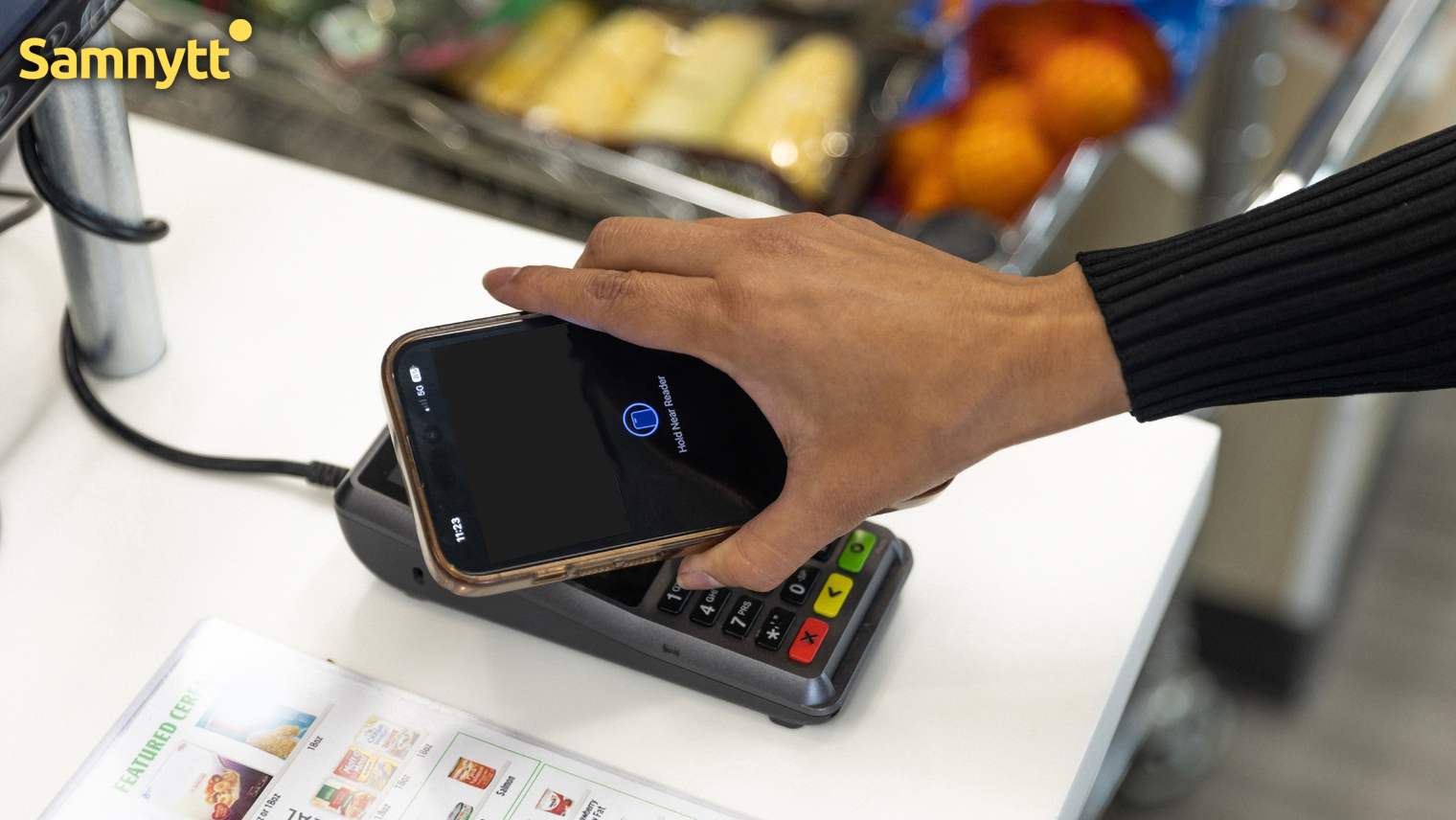
More and more Swedes are choosing to pay with their mobile phones in stores, but the traditional payment card still holds a strong position. A new survey shows that many see the physical card as an important backup, even though mobile payments are becoming increasingly common in everyday life.
The use of mobile phones as a payment tool continues to rise in Sweden. A recent survey from Svensk Handel shows that 54 percent of the population have linked their bank card to their mobile device and can thus make card payments directly via their phone.
For many, this has become a natural part of daily life. Among those who have activated the function, a majority use it regularly. Three out of ten pay with their mobile daily, while a further four out of ten do so weekly.
– The fact that more than half of Swedes already have their card in their phone shows how quickly payment habits are changing. At the same time, we see that many still carry the plastic card as a security in their back pocket, says Bengt Nilervall, policy expert at Svensk Handel.
Younger Generations Drive the Change
The differences between age groups are significant. Among people aged 18–24, around 80 percent have activated mobile payments with their bank card. In the oldest age groups, the corresponding share is much lower, at around 30 percent.
READ ALSO: BankID forces seniors to buy new mobile phones
The survey also shows that the mobile has become the primary payment option for many users of the service. Nearly two-thirds, 63 percent, say they prefer to pay with their phone, while 37 percent still choose the physical card as their first choice.
The Card Seen as a Security Solution
Despite the growth of mobile payments, the plastic card is far from disappearing. Around two-thirds of those who have their bank cards on their mobile report that they still always carry the physical card with them.
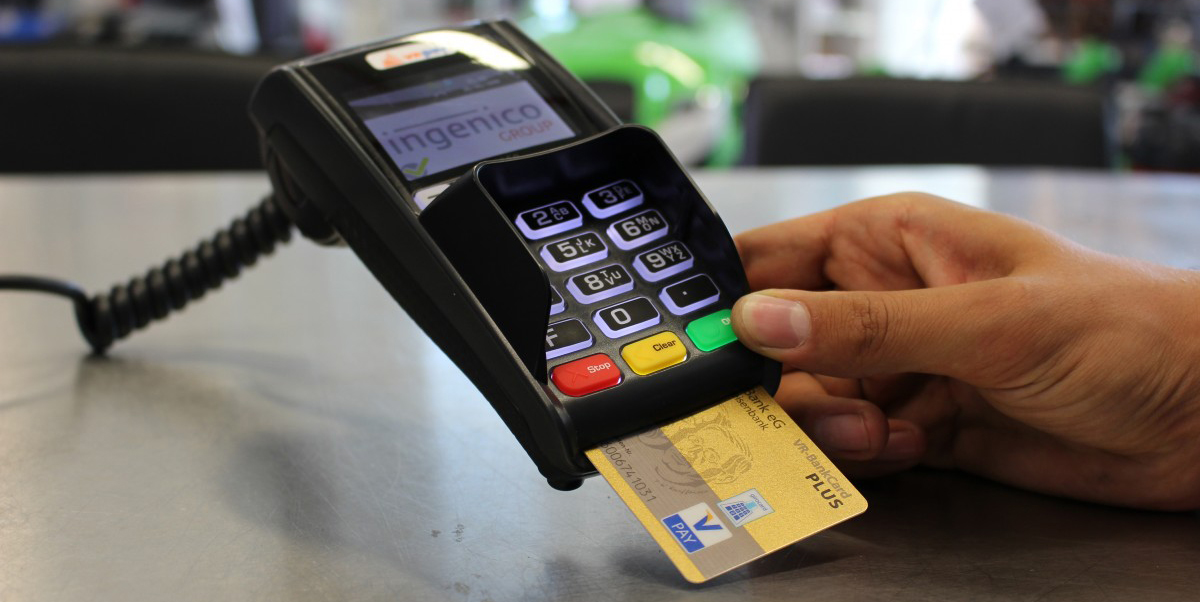
This suggests that many consumers still want to have an alternative payment option at hand if technology fails or if the mobile phone cannot be used.
Focus on Robust Payment Solutions
The growing use of digital payments at the same time places higher demands on the systems to function even when connectivity is affected. Svensk Handel is therefore participating together with banks and other players to strengthen the ability to carry out card payments even when data communication is disrupted or down.
– There are strong indications that even more people will leave their plastic cards at home and pay directly with their phones in the future. That makes it even more important that digital payments work even during disruptions, says Bengt Nilervall.