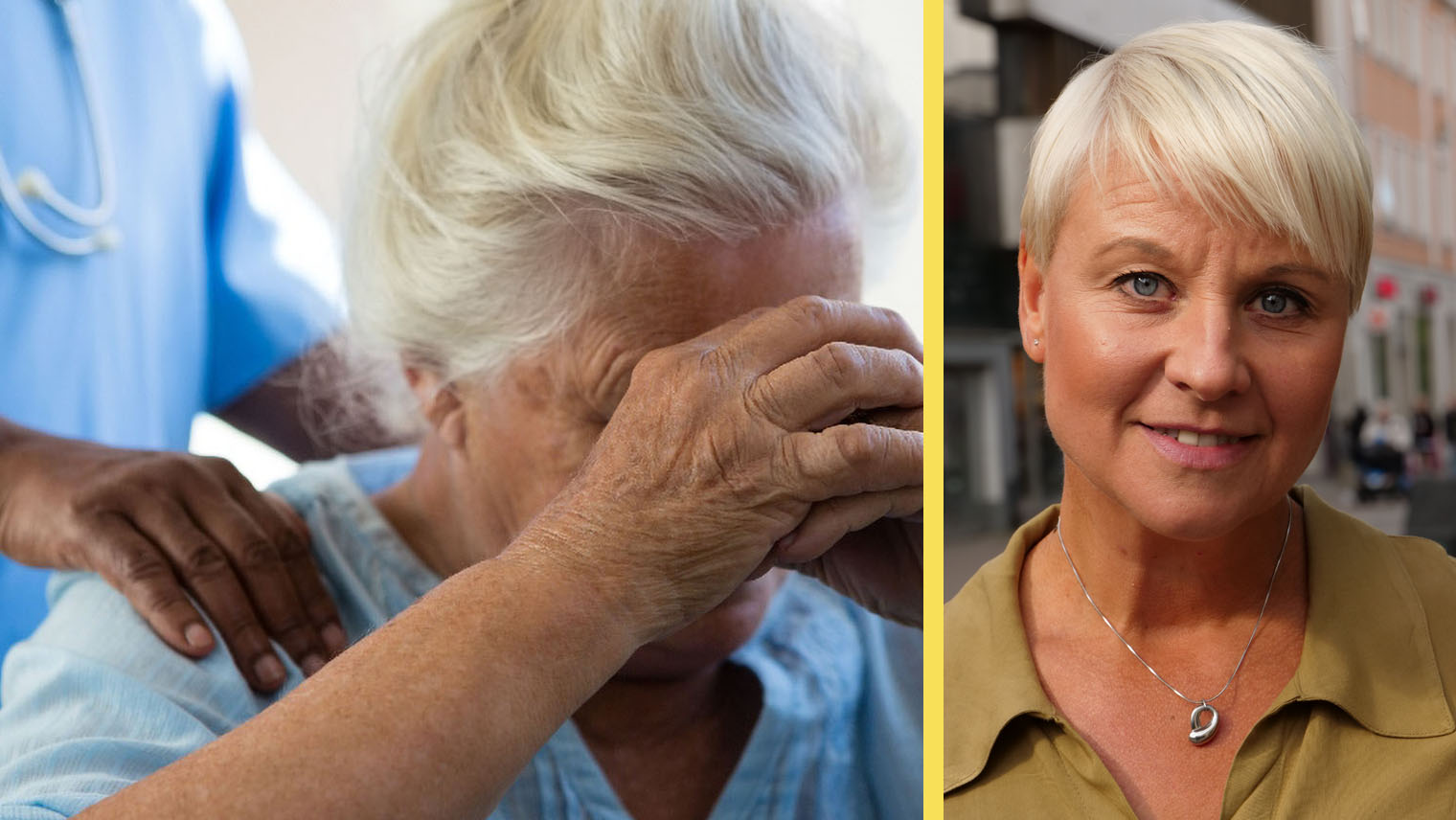
From July 1, a new language requirement will take effect in elderly care. The aim is to raise the quality of care, strengthen patient safety, and make it easier for the elderly to communicate with the staff. But not all municipalities are on board.
The new legislation means that employers in elderly care must ensure that staff have sufficient knowledge of Swedish to perform their work. The target level is B2 according to the Common European Framework of Reference for Languages (CEFR), which roughly corresponds to Swedish 2 at the upper secondary school level.
– Elderly people need to be able to understand and make themselves understood. A language requirement in elderly care is therefore highly anticipated. We are doing this to strengthen quality and patient safety, increase security, and enhance the participation of the elderly. Step by step, we are raising the requirements for working in elderly care, says Minister for Elderly and Social Insurance, Anna Tenje (Moderate Party – M).
READ ALSO: Ambulance nurse sounded alarm about language chaos in dementia residence – now it has been closed
To facilitate the introduction of the language requirement, the government is allocating SEK 90 million to municipalities in 2026. This will be followed by SEK 165 million in 2027 and SEK 150 million annually from 2028 onwards.
Social Democrat and Left Party-Led Municipality Opts Out
While several municipalities have chosen to introduce language tests to ensure staff meet the requirement, the Social Democrat and Left Party-led municipality of Vännäs is taking a different approach.
Instead of testing, the municipality is investing in training so-called language ambassadors who will support their colleagues in developing their Swedish skills and encourage them to ask for help when they do not understand.
– Our job is not to test all our staff, says social services chief Ulrica Westerlund to public television.
The municipality also offers an app-based language course for employees who need to improve their language skills. According to the social services chief, those who complete the training should reach the B2 level required by law.
READ ALSO: Tougher language requirements welcomed in elderly care: “They confuse shampoo and hand sanitizer”