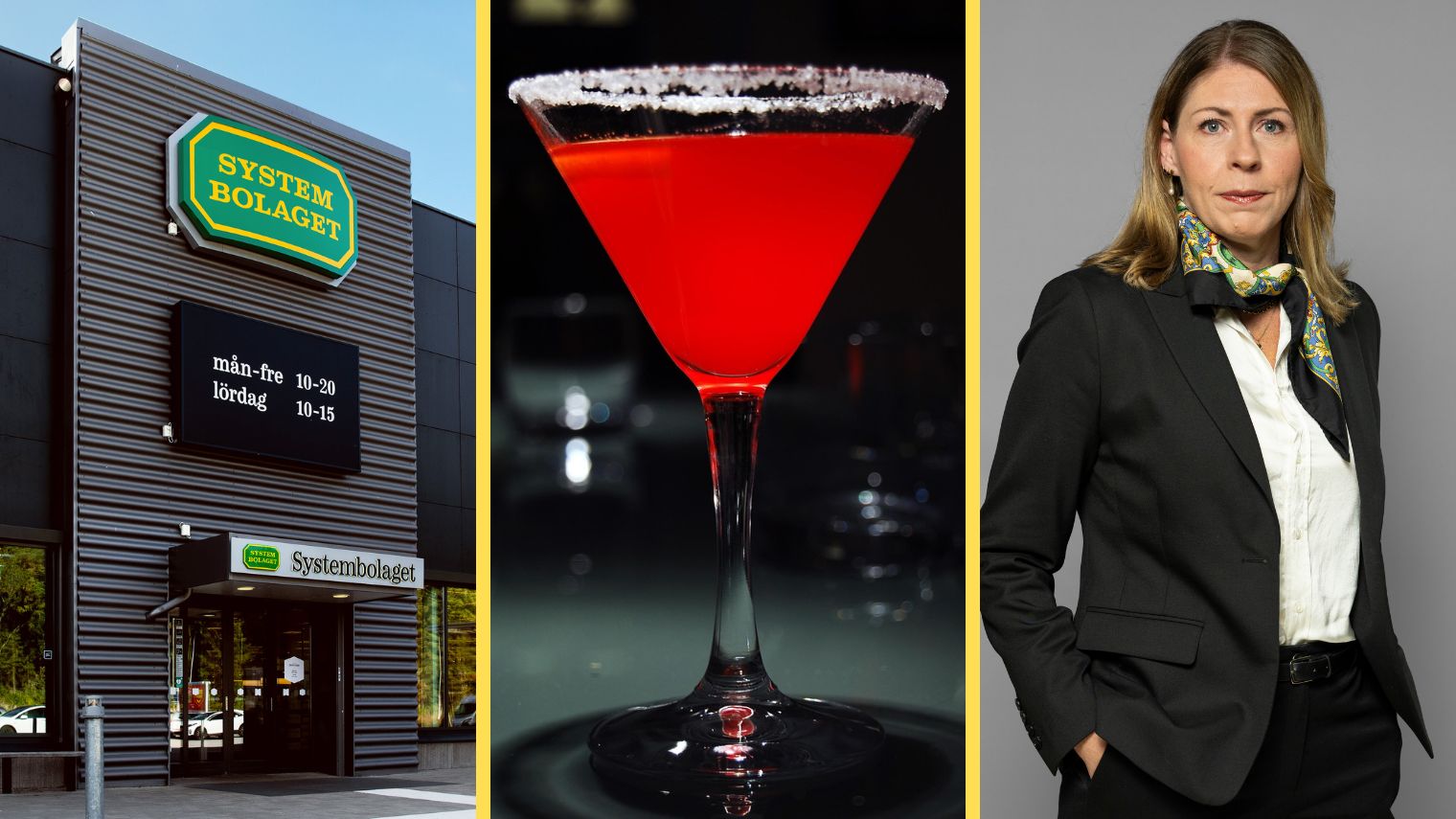
Systembolaget works well and, together with alcohol taxes, are effective policy tools for reducing alcohol consumption. That is the assessment in an evaluation of the monopoly.
A year ago, the government appointed Agneta Karlsson as an investigator on public health policy issues, and part of her assignment was to evaluate measures aimed at reducing the harms caused by alcohol.
When Karlsson recently presented her report, she stated that the current system with the monopoly and alcohol taxes functions well and efficiently. Together, they are said to limit alcohol consumption and reduce both alcohol-related harm and societal costs.
READ ALSO: Survey: This Professional Group Drinks the Most Alcohol
– The effects of alcohol on health and healthcare are well known, but the knowledge of how alcohol policies such as Systembolaget and alcohol taxation actually work is less known. Now, an inquiry has evaluated whether the state’s policy tools reduce the harmful effects of alcohol, says Minister for Health Care Elisabet Lann (KD).
While alcohol consumption has decreased overall, there is no clear reduction of harmful use or dependency among elderly people and women—in the former group, consumption has even increased. Thus, it is assessed that “there may be a need to supplement general measures with targeted actions to reduce harmful use in these groups.”
Health Economics Secretariat
The inquiry proposes that the Public Health Agency should be given overall responsibility for developing a new health economics framework. The agency is also proposed to receive an expanded research mandate to strengthen competence in health economic methods.
Another proposal is the establishment of a new Health Economics Secretariat to provide unified guidelines for economic analyses within public health.
READ ALSO: Government: Do You Drink Four Glasses of Beer or Wine? Seek Help