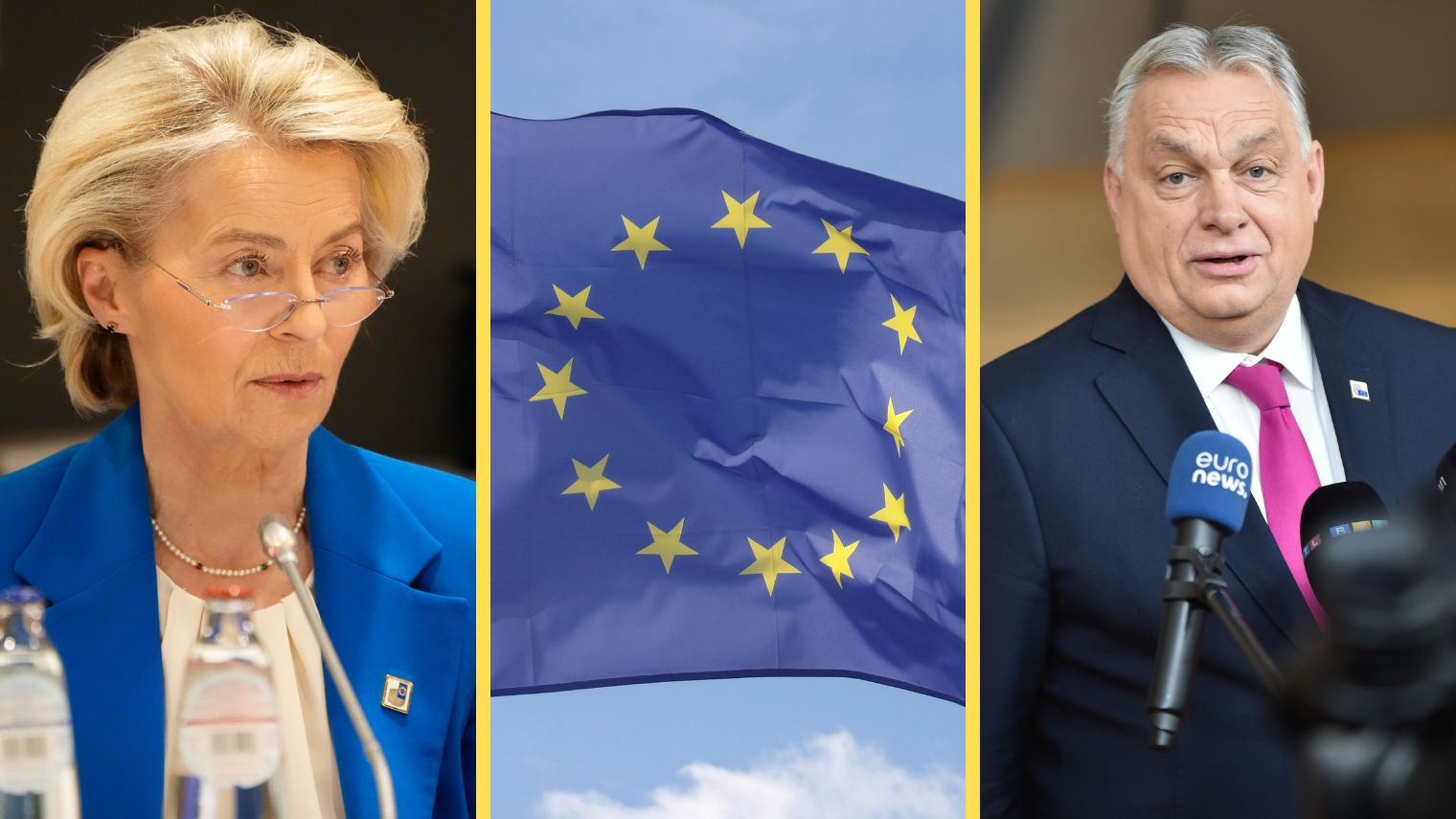
In a few weeks, elections will be held in Hungary and Prime Minister Viktor Orban is hoping for renewed confidence. He is facing not only the domestic opposition but also the entire Western left-liberal establishment, with the EU at the forefront. Within the EU, contingency plans are now being discussed in case Orban wins the election.
As Orban refuses to fall in line, and among other things refuses to flood his country with migrants from every corner of the world, he is considered a troublemaker who stands in the way of the EU leaders’ ambitions.
Ahead of the April election, discussions are now taking place on how to relate to the Hungarian Prime Minister, and other “problematic leaders,” if he wins again. Options on the table include changing how votes are cast, withholding more funding, and even exclusion.
“Respect for the rule of law is crucial for access to EU funds,” says Michael McGrath, EU Commissioner for Democracy, Justice, Rule of Law, and Consumer Protection, to Politico.
READ ALSO: Trump supports Orban ahead of the election: “Powerful leader”
Orban has long been a thorn in the EU’s side and most recently blocked a loan to Ukraine. For many EU leaders, that meant he had crossed the line.
“No one can blackmail the European Council, no one can blackmail the European institutions. What Hungary is doing is completely unacceptable,” said European Council President António Costa.
The Gloves Come Off
If Orban wins again, “the gloves will come off,” claims a high-ranking EU diplomat who wishes to remain anonymous.
READ ALSO: Meta accused of ‘shadowbanning’ Orbán ahead of the election
“Let’s just say there will be renewed and revived discussions on how to handle Orban, which will trigger a more candid discussion on how to deal with him—and perhaps more creative ways,” says another diplomat.

Five Alternatives
There are five different options on the table for handling Orban if he wins. The first is to broaden the use of qualified majority voting. Normally, this requires 55 percent of member states representing 65 percent of the EU’s total population to vote in favor. The ambition is to make this apply even to sensitive areas that currently require unanimity, such as foreign policy or parts of the EU’s long-term budget.
The second option is increased use of flexible formats, from informal coalitions of the willing to increased cooperation between smaller groups of countries. EU Commission President Ursula von der Leyen has highlighted the increased use of enhanced cooperation between willing member states as a way to bypass unanimity on areas like competitiveness.
The third option is to withhold EU funds, and the fourth is the suspension of voting rights. In 2018, the European Parliament activated Article 7 of the EU Treaties, which allows for the suspension of a member state’s voting rights if it violates the “bloc’s values.”
The most dramatic, and at the same time unrealistic, of the alternatives is expulsion. No country has ever been expelled from the EU, and the topic remains taboo.
READ ALSO: Soros journalist suspected of helping foreign intelligence bug Hungarian minister – to oust Orbán