The Dutch government has launched a new national information campaign called “Nieuwe Energie” (New Energy). The campaign was presented on July 20 by the country’s Ministry of Economic Affairs and Climate Policy and aims to encourage the Dutch people to use less energy and use it more efficiently. According to the government, the initiative will contribute to an “affordable, sustainable, and resilient energy system” while also helping to reduce household energy costs.
In the campaign, the government highlights simple measures such as taking shorter showers, improving home insulation, and generally being more mindful of energy consumption. The government also emphasizes that reduced energy usage eases the load on the electricity grid and makes the Netherlands less dependent on imported energy.
The initiative is part of the government’s action package introduced earlier this year in response to concerns about future energy crises and geopolitical disruptions.
The new campaign is also a development of the government’s previous effort launched during the energy crisis, which was later expanded to also address the growing capacity shortage in the Dutch electricity grid.
READ ALSO: Merz: Mistake to shut down nuclear power
The campaign advised, among other things, that households avoid using energy-intensive appliances between 4 pm and 9 pm when the demand on the grid is at its peak. The background is that the rapidly increasing electrification has led to shortages in grid capacity, while infrastructure expansion takes many years.
The problems have grown as more electric cars, heat pumps, and solar installations have been connected to the grid. In several parts of the country, companies have had to wait for new electricity connections or increased capacity, even as grid operators are investing billions to strengthen electricity networks. The government has therefore combined infrastructure initiatives with campaigns aimed at influencing household energy use.
Opposition: Expand the electricity grid instead
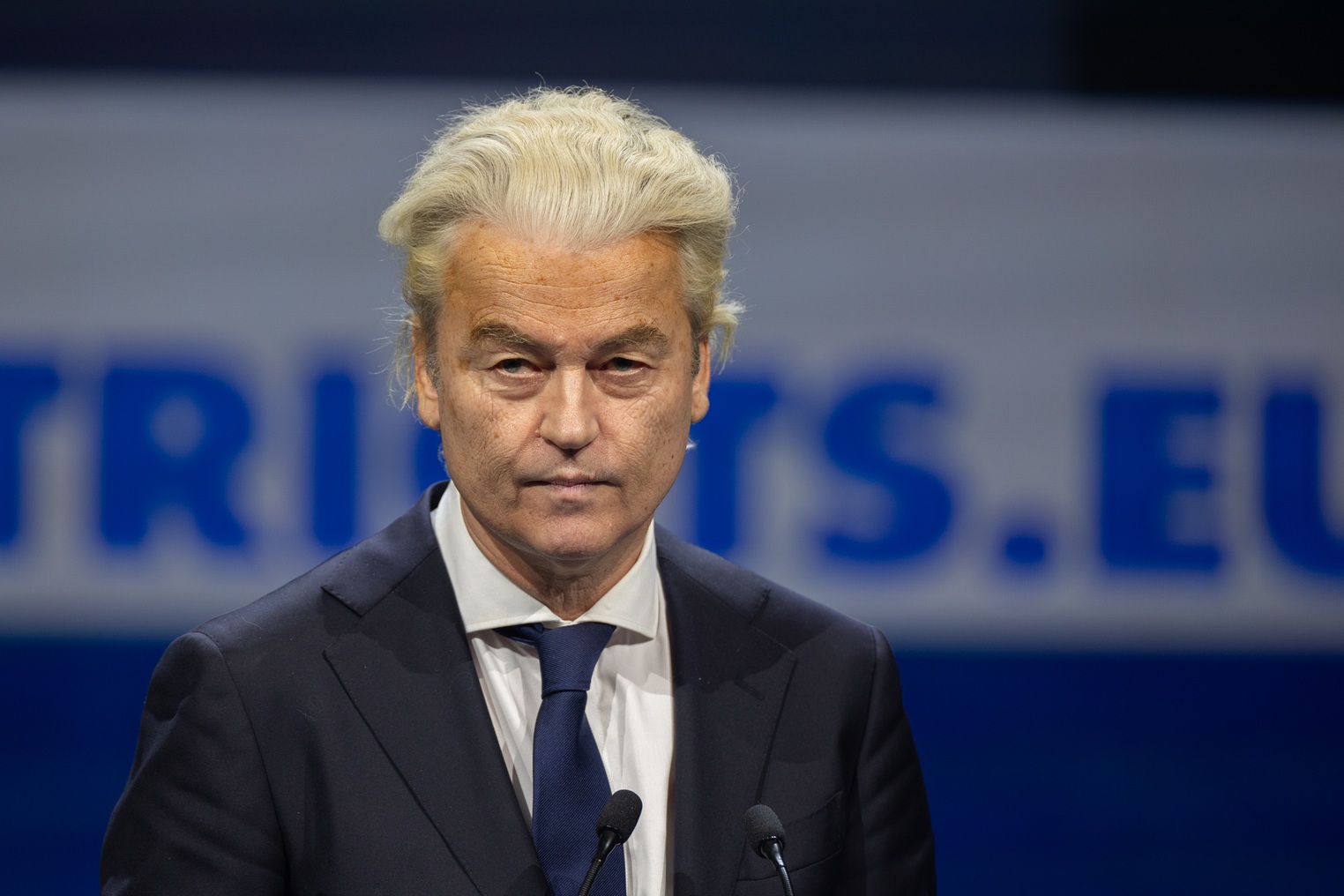
The government’s information campaigns have at the same time become subjects of political criticism. Opposition parties, including Geert Wilders’ PVV, have on several occasions argued that the government should prioritize a faster expansion of the electricity grid and energy infrastructure instead of urging households to change their habits.
Critics argue that the capacity problems are the result of political decisions where electrification has advanced faster than investment in the grid. The government, for its part, has pointed out that the campaigns are voluntary information efforts and should be seen as a supplement to the substantial investments already being made in the electricity grid and energy system.
Parallels to Germany
Developments in the Netherlands are taking place at a time when energy issues are high on the political agenda in several European countries. In Germany, the long-term phase-out of nuclear power has been followed by an extensive debate about the competitiveness of industry.
Especially after the 2022 energy crisis, many energy-intensive companies have warned of high electricity prices and reduced international competitiveness, even as the German state is investing heavily in expanding the grid and new electricity production.
Swedish Energy Debate
In Sweden, too, energy policy has been one of the most debated issues in recent years. After the sharp rises in electricity prices in 2021 and 2022, critics have pointed out that the shutdown of several nuclear reactors in southern Sweden contributed to a more strained electricity system and higher electricity prices, as Europe was simultaneously hit by an energy crisis.
Other observers have argued that the sharp price increases were primarily driven by record-high European gas prices after Russia’s full-scale invasion of Ukraine.
READ ALSO: Green Party: No new nuclear power with us in government