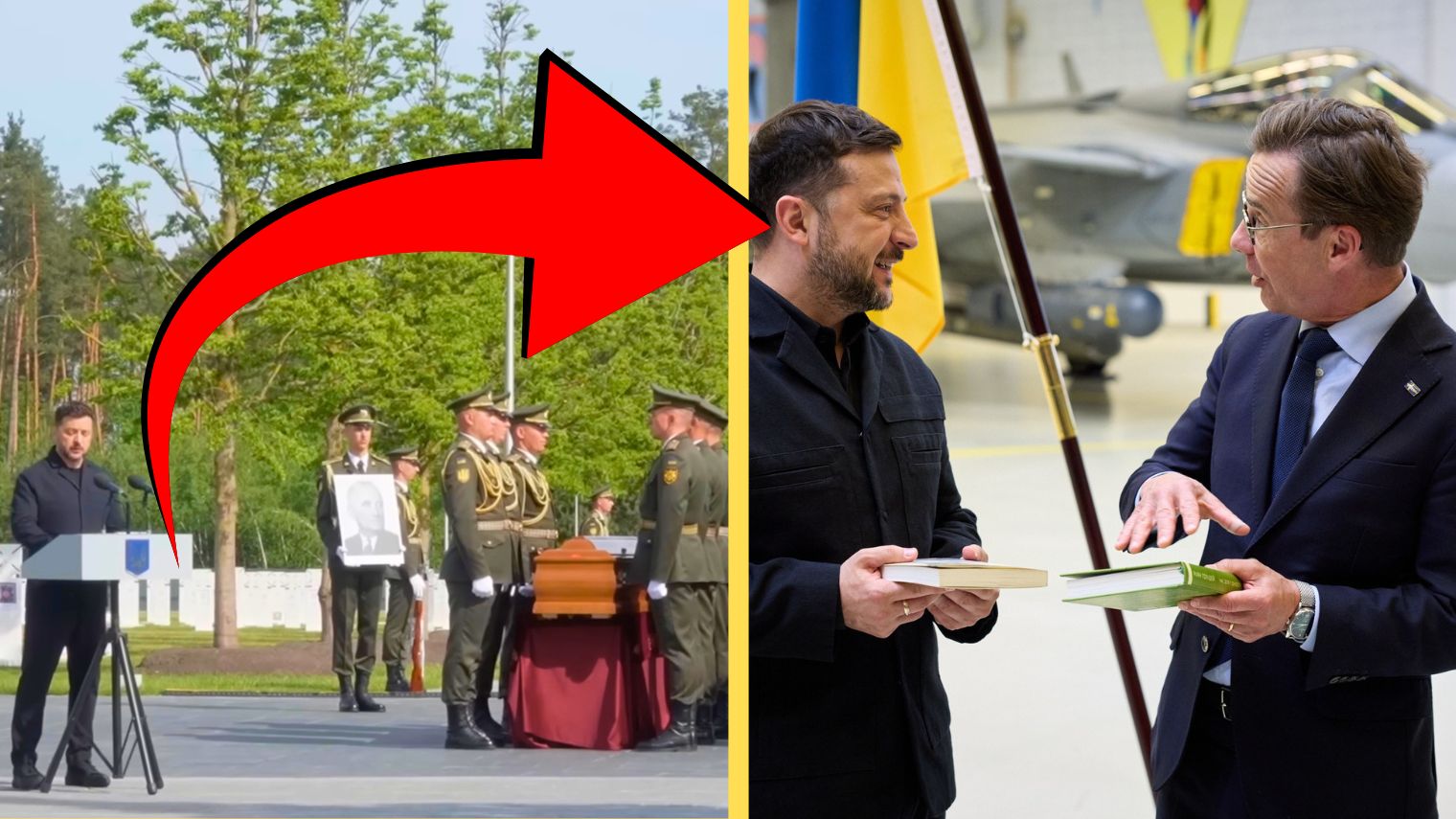
Just shortly before Ukraine’s president Volodymyr Zelensky arrived in Sweden for the ceremony where Prime Minister Ulf Kristersson donated 16 JAS Gripen fighter jets, he participated in another ceremony connected to a person described as a Nazi collaborator. At the same time, Zelensky has decided to honor special forces with ties to the same rebel army that collaborated with Nazi Germany during World War II and carried out ethnic cleansing of Poles. The decisions regarding the state funeral and the new naming of the special forces have stirred strong reactions in Poland as well as in Israel. Poland’s president, Karol Nawrocki, now wants to revoke the country’s highest distinction previously awarded to Zelensky.
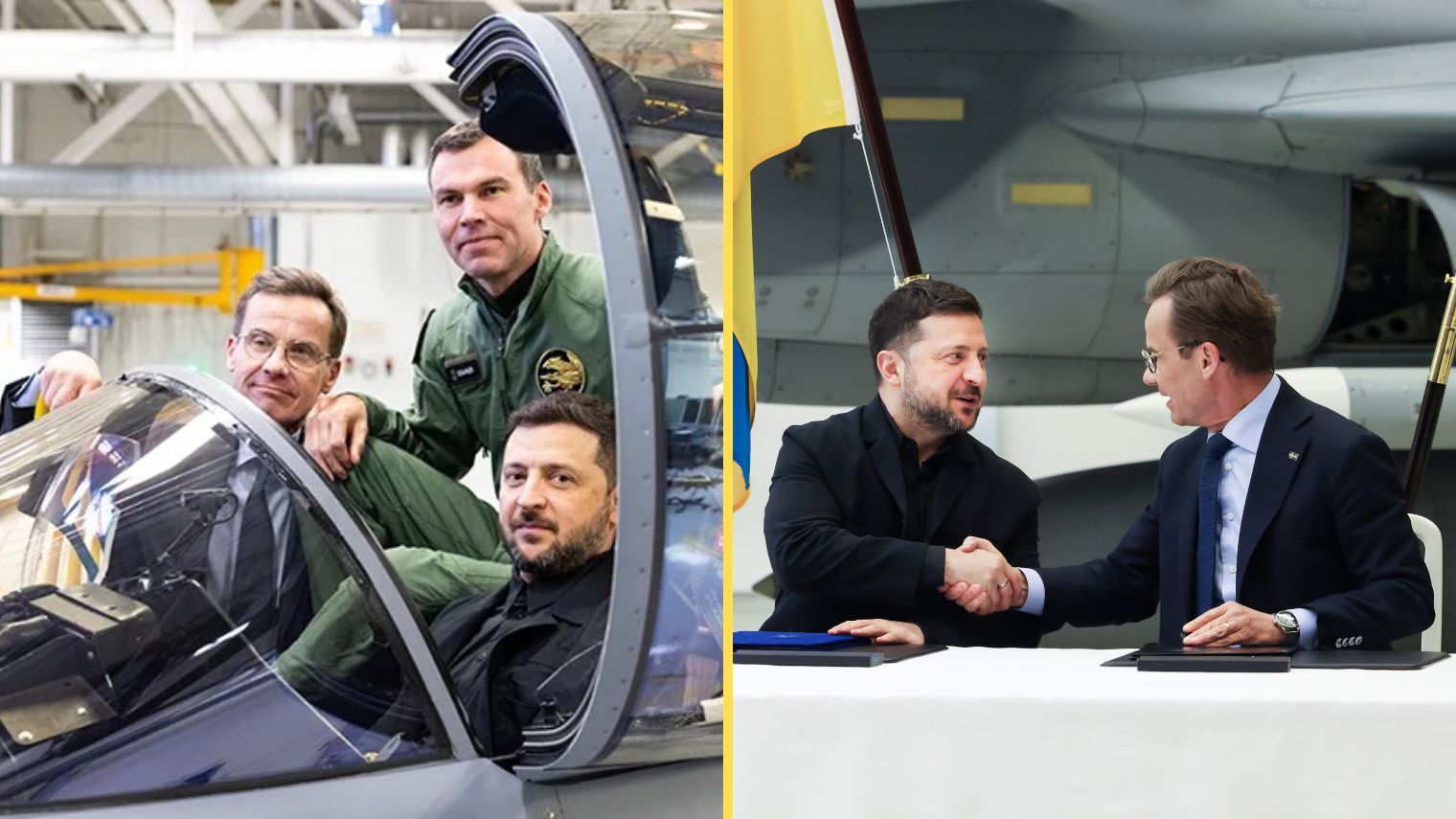
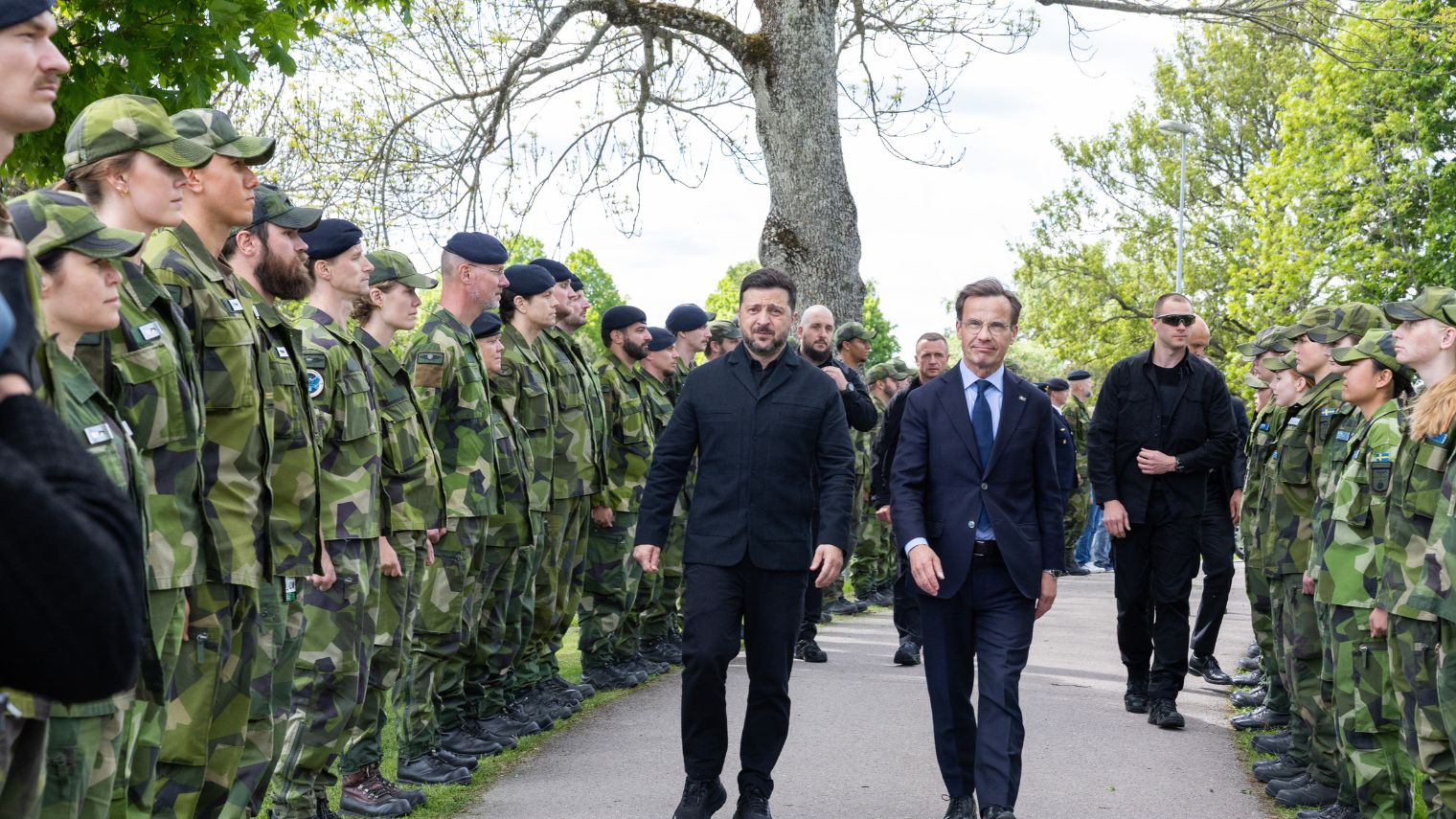
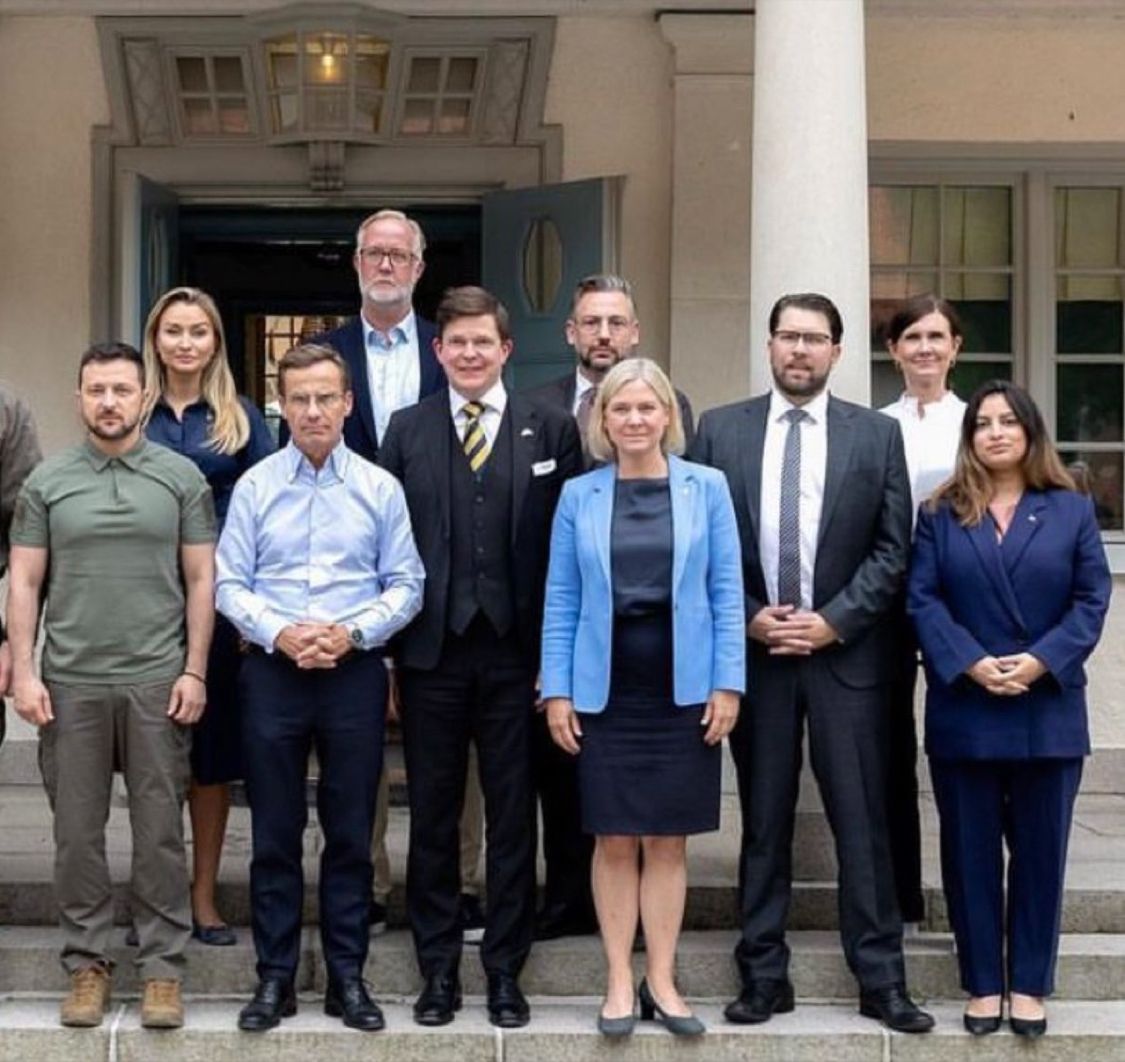
Earlier this week it was reported that Ukraine’s president Volodymyr Zelensky had traveled to Sweden ahead of a news announcement to be presented together with the government. It turned out that Prime Minister Ulf Kristersson (M) decided that Sweden will transfer up to 16 JAS Gripen C/D fighter aircraft to Ukraine for use in the ongoing war.
READ ALSO: Sweden Donates Jas Gripen to Ukraine
At the same time, Ukraine announced its intention to procure 20 JAS Gripen E/F, the more modern version of the Saab fighter jet. Financing is linked to extensive international economic aid and loan structures, including from the EU, making larger defense purchases possible despite Ukraine’s strained public finances.
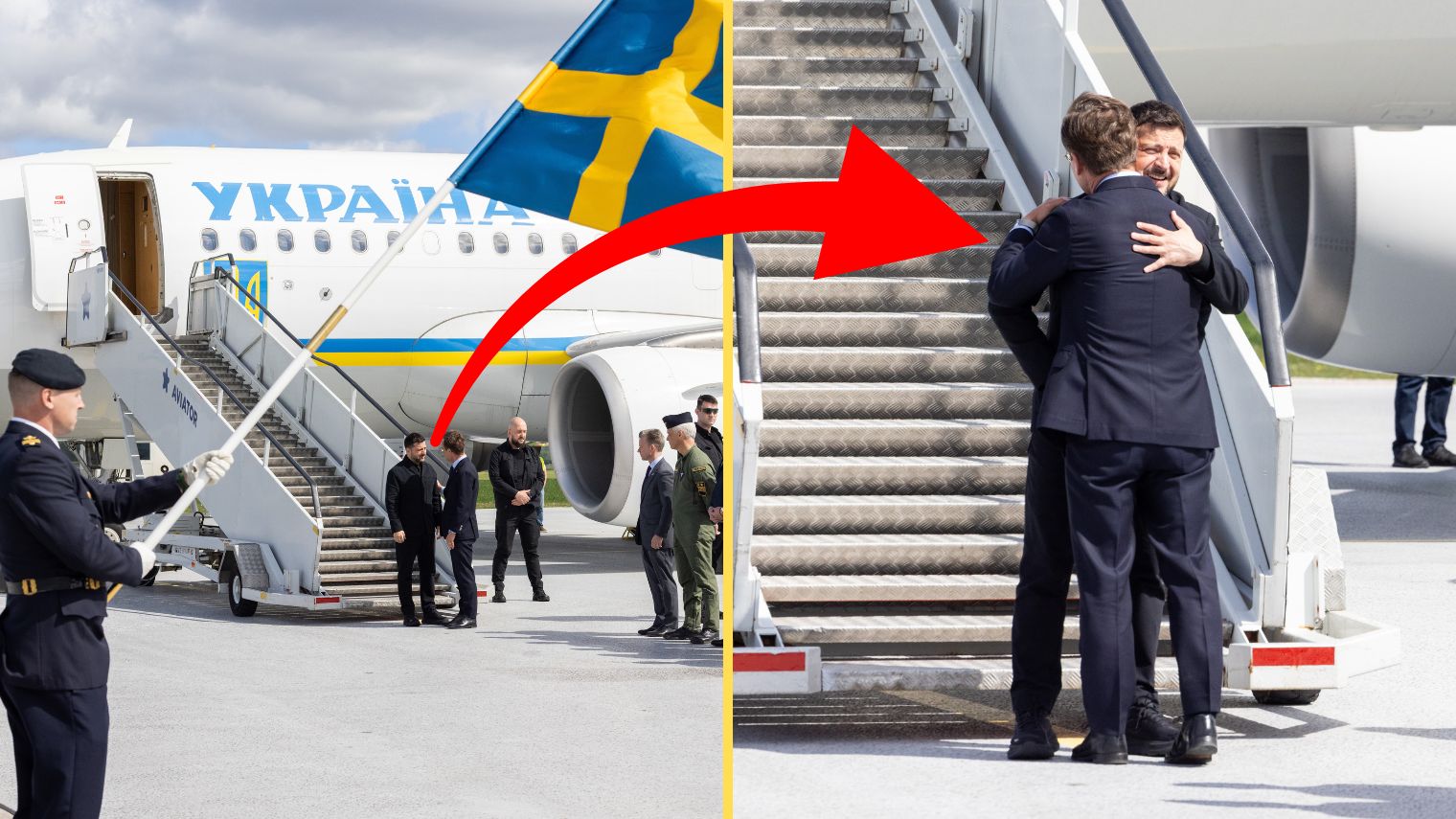
The arrangement has, however, largely been known for a while, as both the Ukrainian government showed interest in the JAS Gripen system and the Swedish government has signaled a readiness to provide fighter aircraft in the ongoing war against Russia. The announcements can therefore be seen as confirmation of a process that has been ongoing for a longer time.
READ ALSO: Wallenberg: We Are Not Prepared for Peace in Ukraine
Zelensky: “Hero”
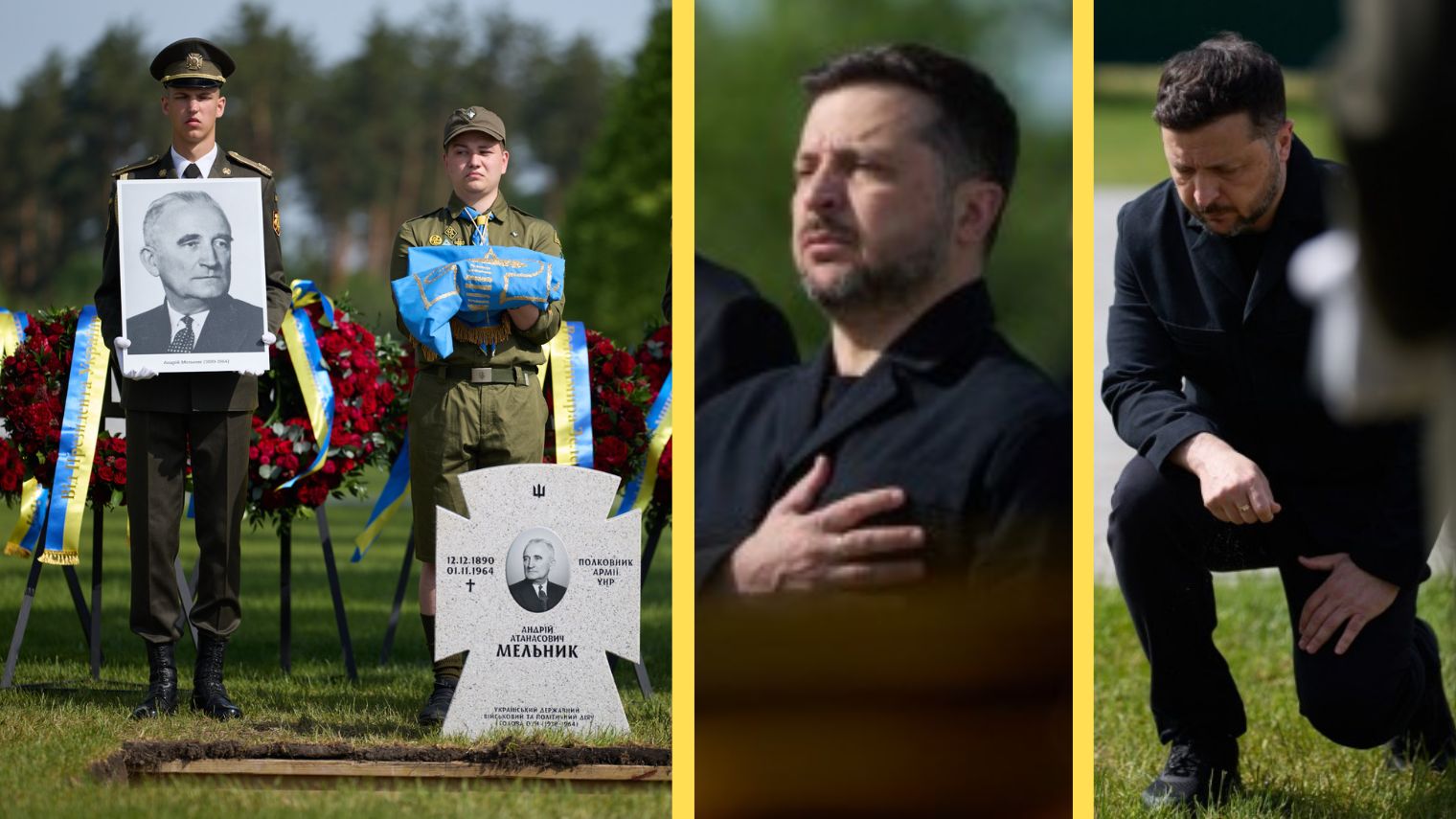
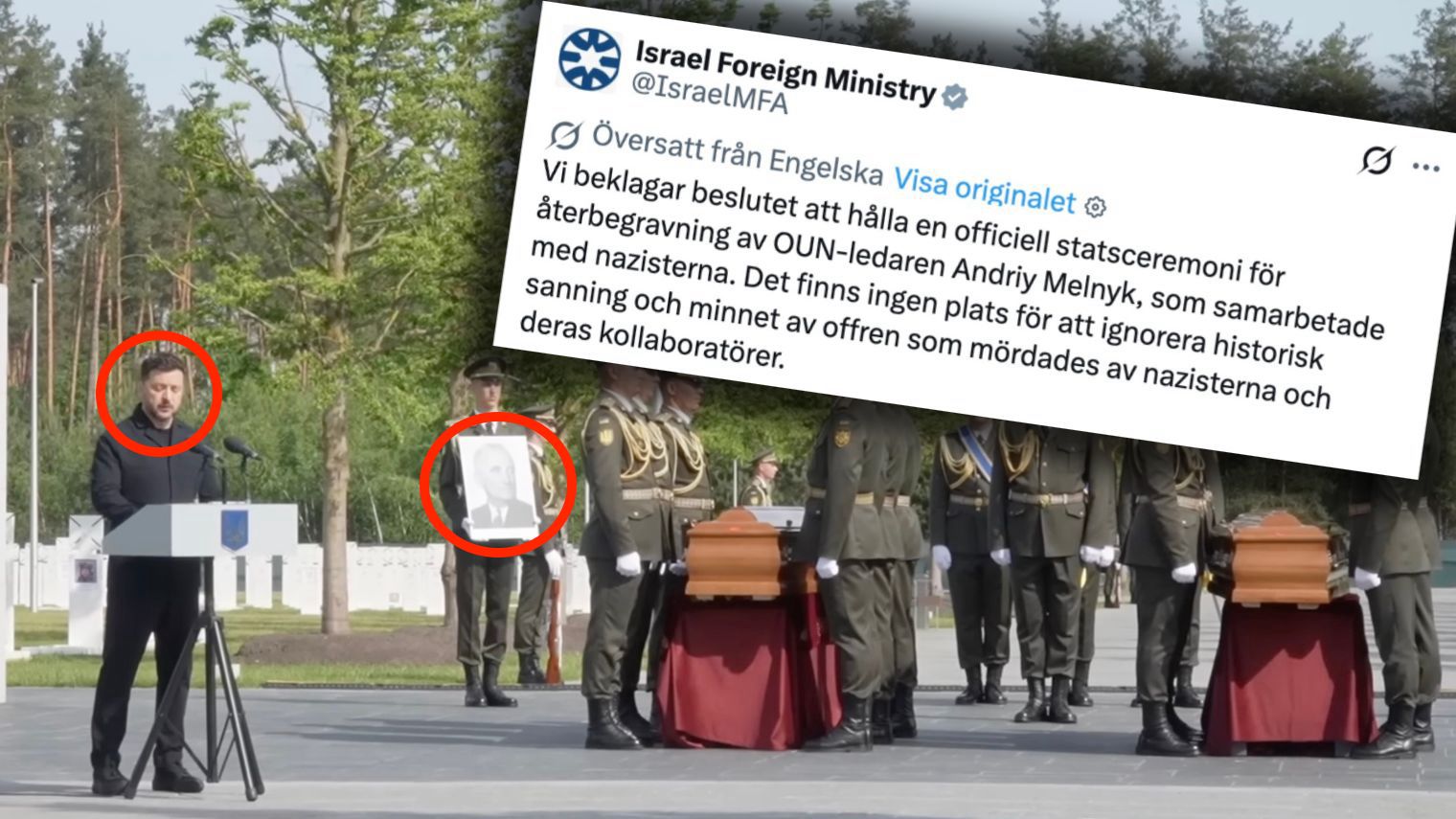
What has not been highlighted in Swedish media, but which has been reported by international outlets, is that Ukraine’s president Volodymyr Zelensky arrived at the ceremony regarding Sweden’s extensive support package of fighter jets to Ukraine directly from a funeral ceremony at home. There, the nationalist leader Andriy Melnyk was reburied in an official state honor ceremony.
After more than 60 years in exile, the remains of the Ukrainian nationalist leader Andriy Melnyk, who collaborated with Nazi Germany during World War II, have now been returned to Ukraine.
The former Nazi collaborator died in 1964 and was buried in Luxembourg, where his remains rested until now. But earlier this week, both his and his wife’s remains were exhumed to be brought back to Ukraine.
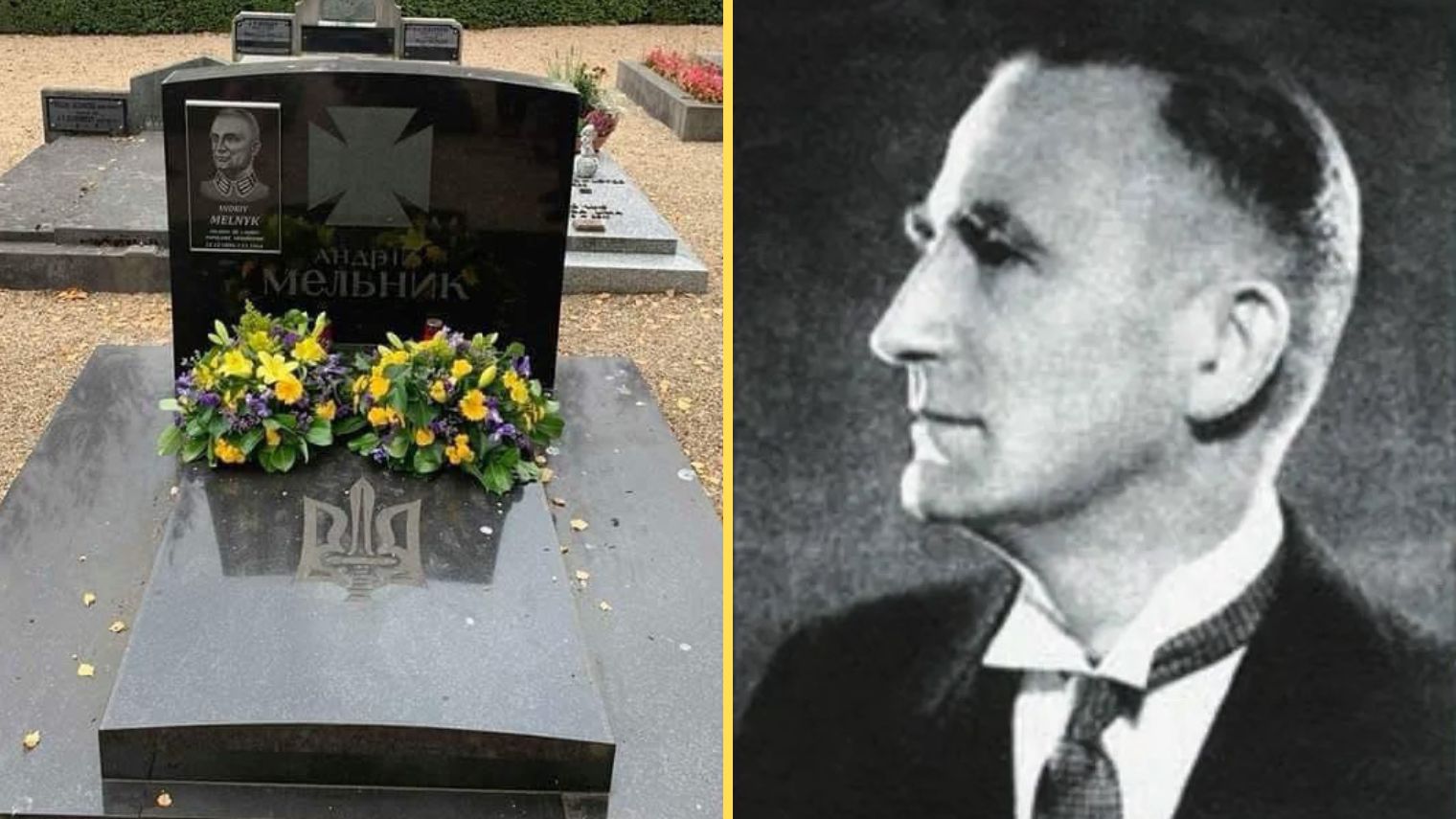
He has since been honored by the Ukrainian government and reburied at the national military cemetery in Kyiv. President Volodymyr Zelensky has also described the former Nazi collaborator as “iconic” and a “hero.”
Zelensky also participated in the ceremony and delivered a speech.
– Now, as we are on Ukrainian soil, under our Ukrainian flag, to the sound of our Ukrainian national anthem, and as we honor our Ukrainian heroes, we feel in our hearts all that Ukrainians have been forced to go through, all that our people have had to endure, Zelensky said.
Melnyk was a controversial historical figure and leader of his own faction from the Organization of Ukrainian Nationalists (OUN), which during World War II collaborated with Nazi Germany.
Melnyk was one of the most prominent figures in the Ukrainian independence movement during the 20th century. The OUN fought alongside Nazi Germany and collaborated closely at times against both Polish and Soviet rule.
Initiative from Zelensky’s New Colleague
Kyrylo Budanov is best known from Ukraine’s military intelligence and is said to have now taken over as head of the presidential administration after several corruption scandals. He is described as one of the driving forces behind returning Andriy Melnyk’s remains to Ukraine.
READ ALSO: Zelensky’s Closest Man Prosecuted in Corruption Scandal
– Together with Kyrylo Budanov and the team in the Presidetial Office, the Ministry of Foreign Affairs, Ukraine’s government and all involved, we are now giving real substance to a word often used and which must bear its full weight – the word respect, respect for Ukrainian heroes, Zelensky said.
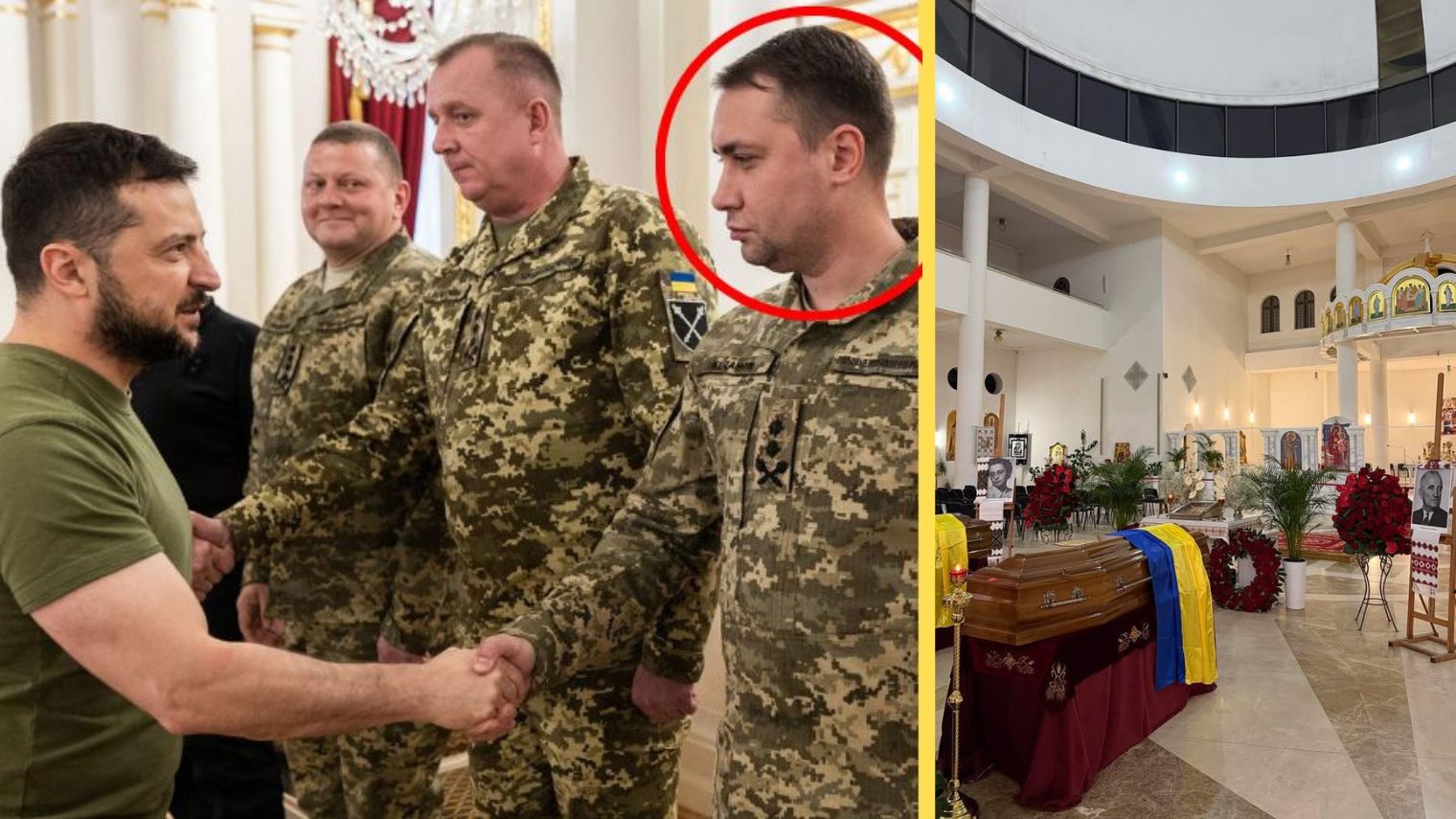
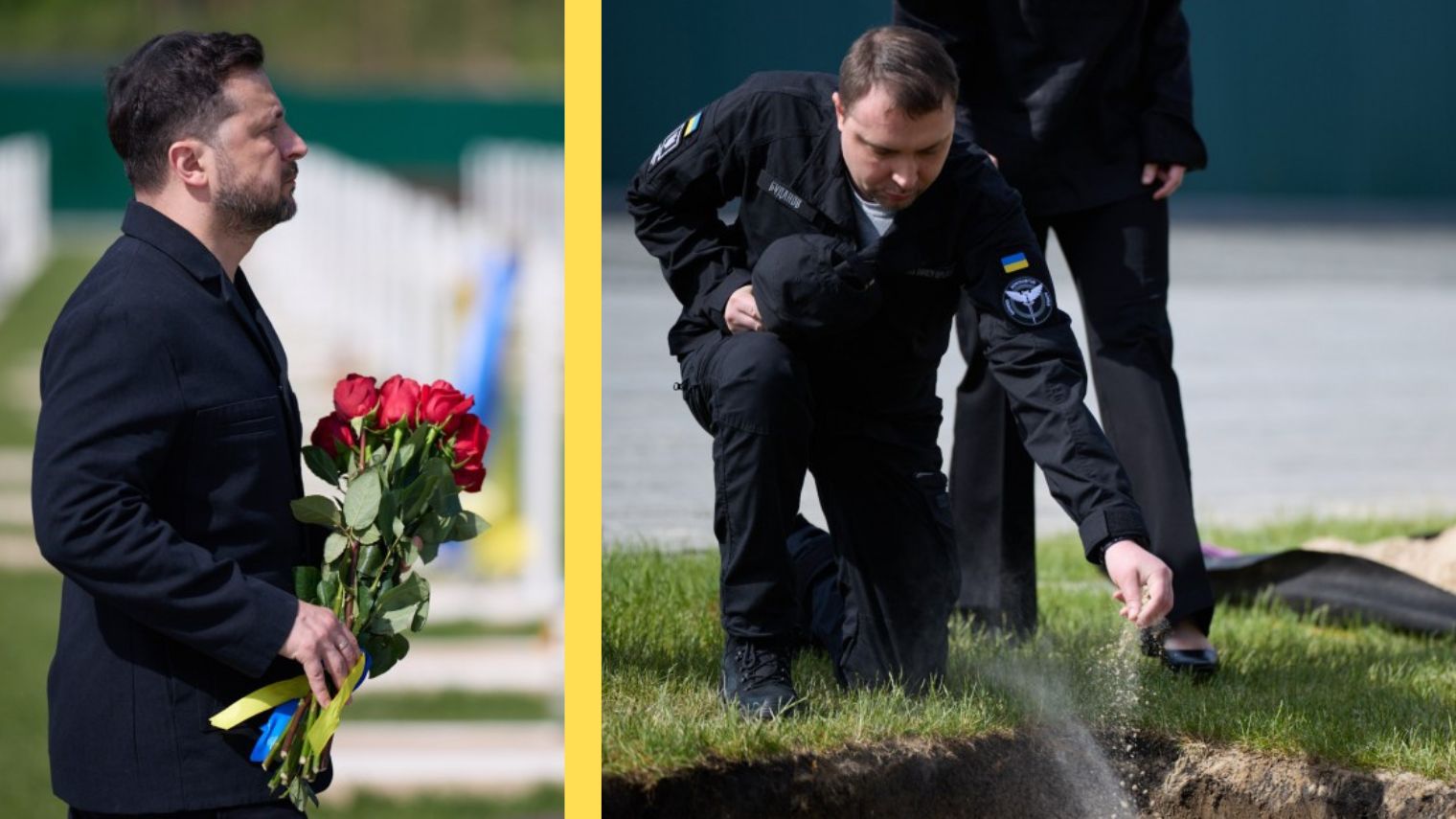
Zelensky mentioned Kyrylo Budanov by name at the funeral. In Ukrainian media, the chief of the presidential office has also thanked President Volodymyr Zelensky for supporting the project. Much indicates that Budanov has been one of the driving forces behind highlighting Melnyk as a national hero.
– Ukraine brings back its heroes, its historical memory, and its national history. Bringing home the remains of Colonel Andriy Melnyk, one of the leaders of the 20th-century fight for freedom, is a historic act to restore justice, Budanov recently said according to Ukrainian media.
Kyrylo Budanov is described as one of the more influential figures in the national security apparatus. He has a background in military special forces and has played a central role in Ukraine’s intelligence and security efforts during the war.
In Russian and international contexts he has often been associated with Ukraine’s more offensive intelligence operations inside Russia – including car bombs and drone attacks.
He has on multiple occasions been pointed out as the architect behind some of Ukraine’s most high-profile operations deep inside Russian territory.
According to Budanov, the reburial of Nazi collaborator Melnyk is an important step in restoring Ukraine’s historical memory. He also describes the process as the start of a national memorial project for individuals considered significant for Ukraine.
Ethnic Cleansing – 100,000 Poles
After Organization of Ukrainian Nationalists (OUN) founder Yevhen Konovalets was murdered in 1938, the movement split into two factions – one led by Andriy Melnyk (OUN-M) and the other by Stepan Bandera (OUN-B).
Both factions remain controversial due to their actions during World War II and their relationships to Nazi Germany. Melnyk’s faction was more focused on political and organizational work and collaboration with German authorities, while Bandera’s faction was more militant and developed close ties to the armed resistance movement UPA.
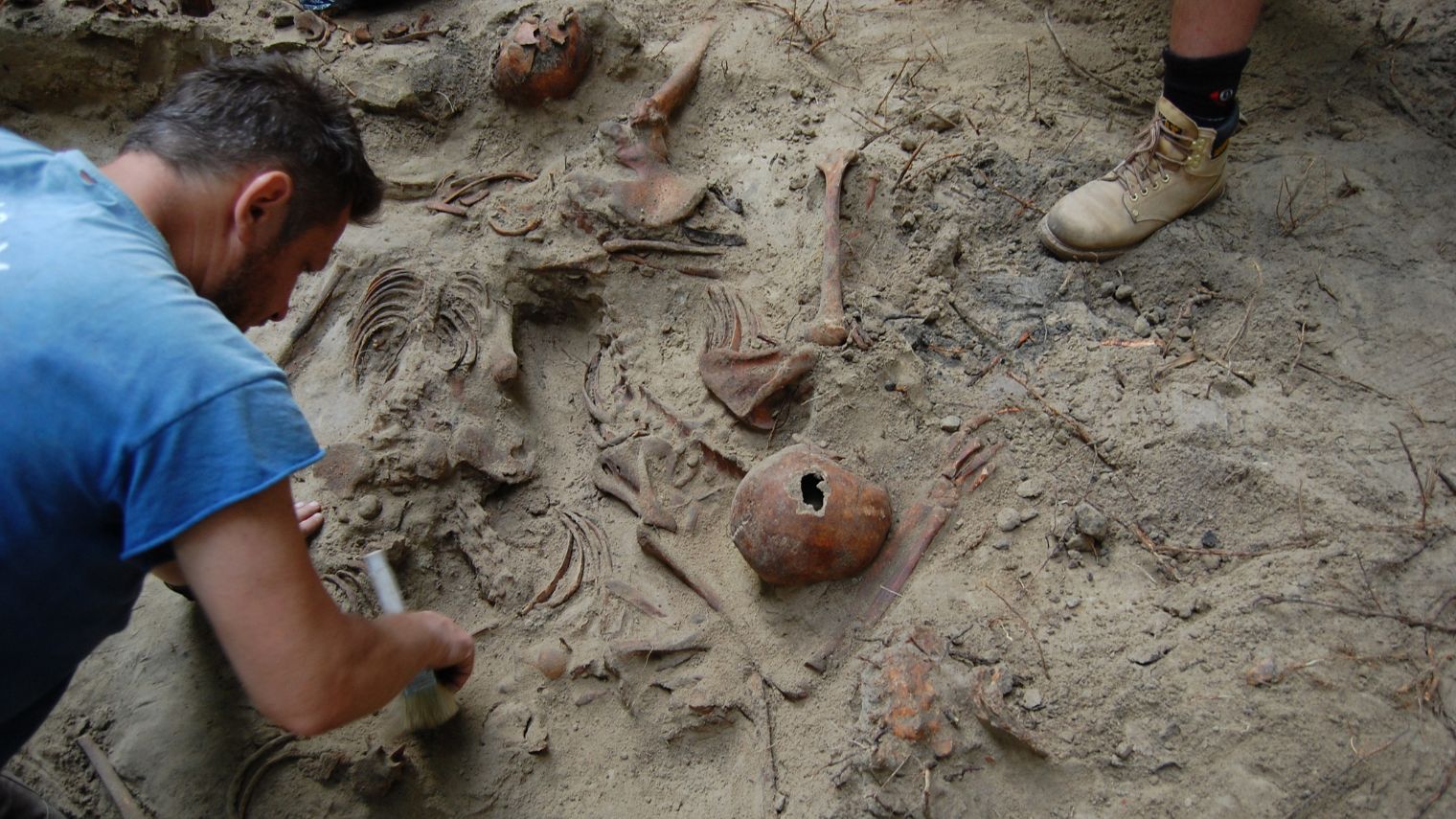
Both factions within OUN are still the subject of historical debate and have been linked to atrocities against civilians during World War II. Particularly contentious are the massacres of the Polish civilian population in Volhynia and eastern Galicia in 1943–1944, where historians estimate that between 80,000 and 100,000 Poles were killed.
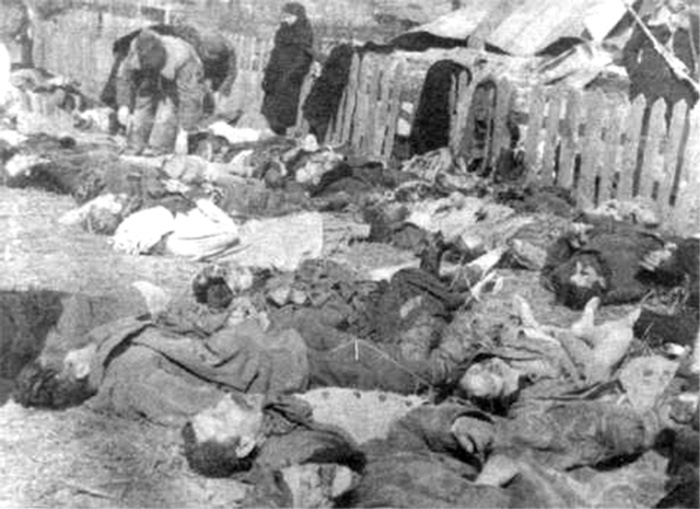
The massacres were mainly carried out by UPA and local nationalist formations closely tied to OUN-B, while the respective responsibilities of the OUN factions continue to be debated by scholars.
The mass killings and ethnic cleansing were directed at the Polish civilian population in territories Ukrainian nationalists sought to make ethnically Ukrainian.
These events are well documented in Poland and continue to create long-lasting tensions between the countries.
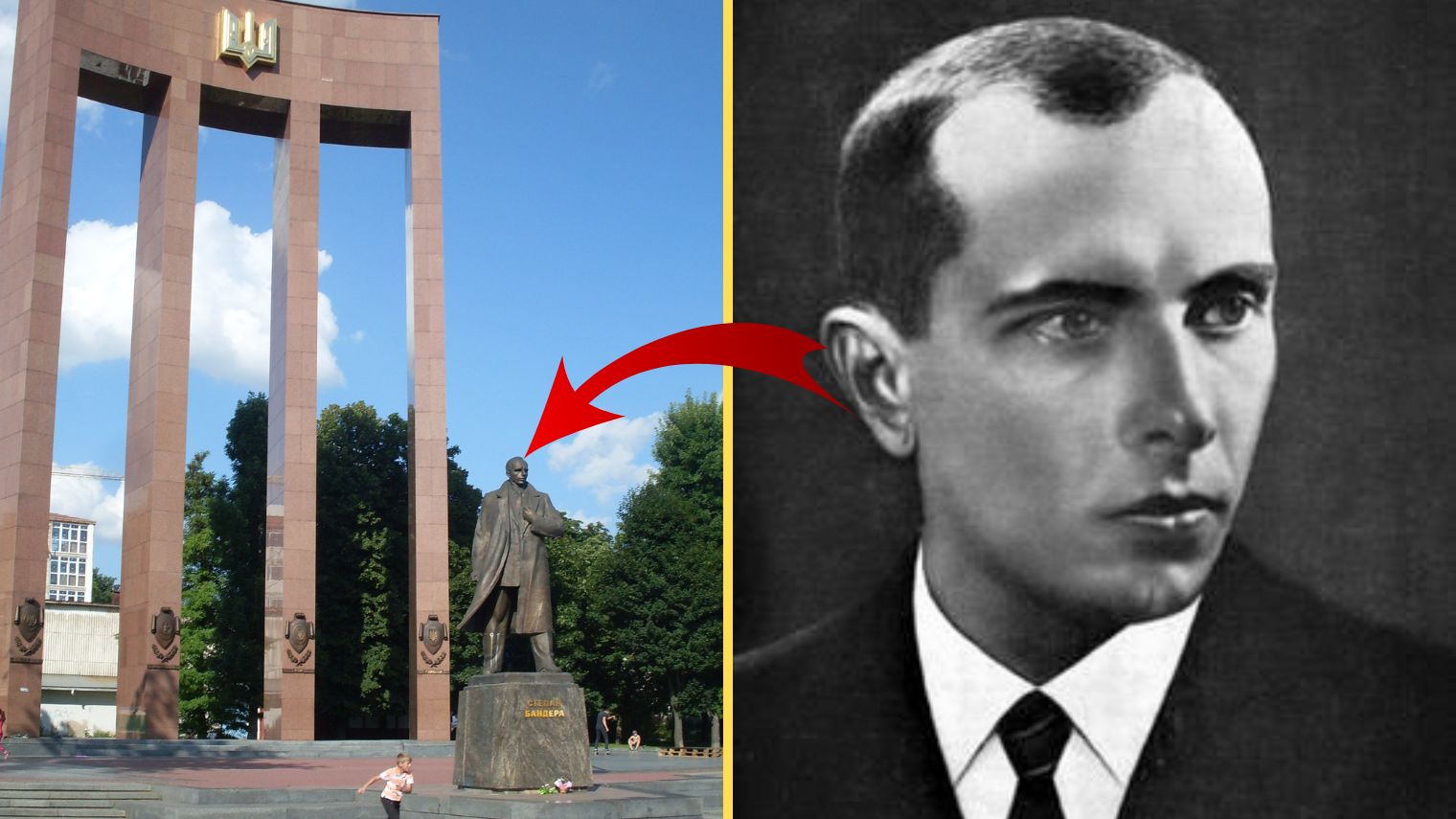
Despite this, both Melnyk and Bandera are still celebrated today by many in Ukraine as national heroes. Bandera has statues in cities like Lviv, and his face appears on paintings in restaurants and public locations around the country.
Later Arrested by Nazi Germany
While the Ukrainian groups collaborated with Nazi Germany, the Germans never accepted the idea of an independent Ukraine as Melnyk advocated. The relationship between the Germans and the Ukrainian nationalists later deteriorated significantly.
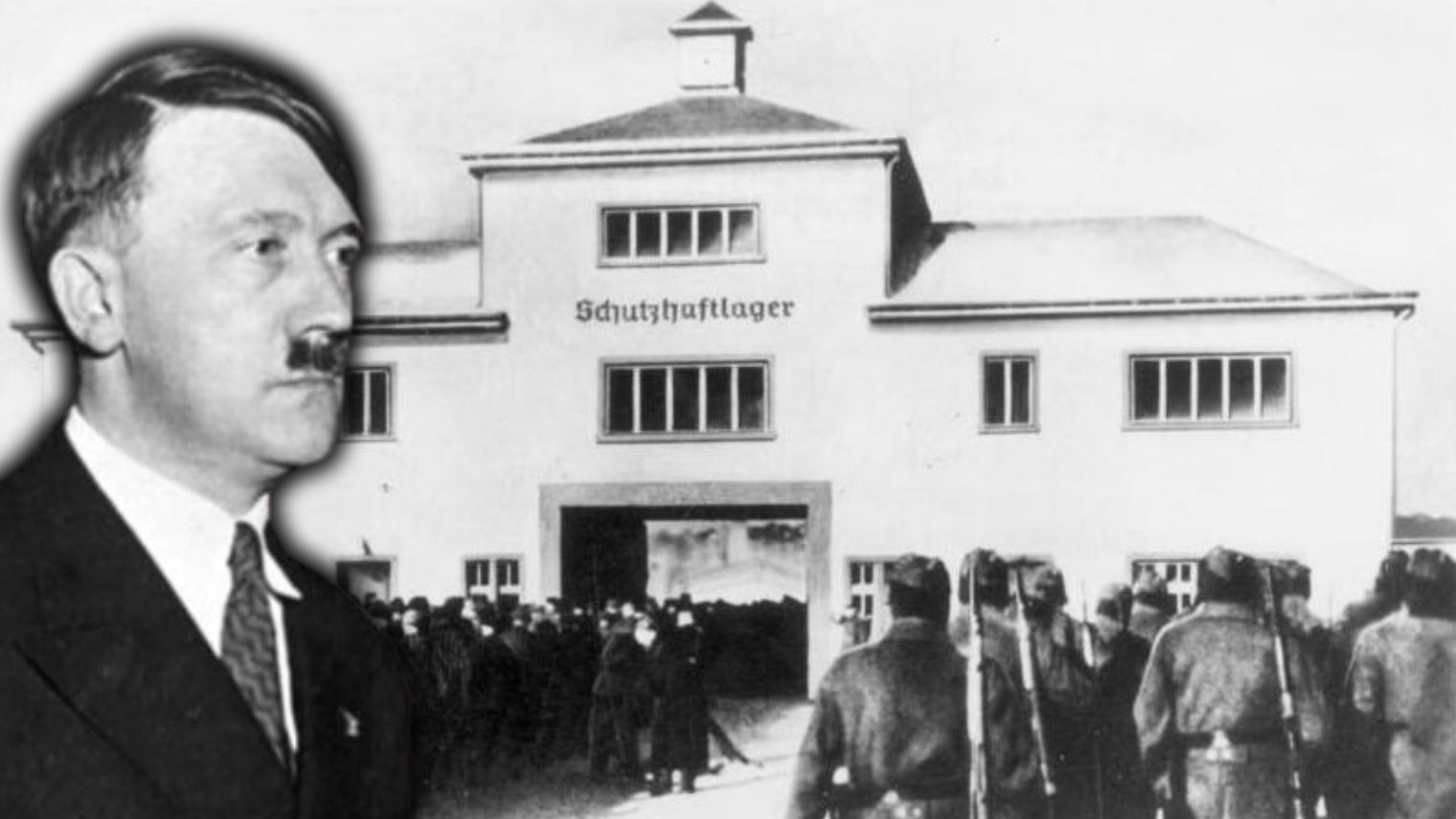
Melnyk was eventually placed under house arrest by the Nazis and later transferred to the Sachsenhausen concentration camp. After the war, he lived in exile in West Germany and Luxembourg, where he reportedly continued to work for an independent Ukraine and tried to unite the Ukrainian diaspora around the world.
In his last years, he remained active in the exile-based nationalist movement and worked to strengthen cooperation between Ukrainian organizations outside the Soviet Union. Melnyk died in 1964 in Luxembourg and was buried there until his remains were, more than 60 years later, returned to Ukraine for an official reburial ceremony attended by President Volodymyr Zelensky.
Israel Criticizes Zelensky
One country that has criticized Ukraine’s state funeral for the Nazi collaborator is Israel, which clarified his ties in a post on platform X.
“We regret the decision to hold an official state ceremony for the reburial of OUN leader Andriy Melnyk, who collaborated with the Nazis. There is no room to ignore historical truth and the memory of the victims who were murdered by the Nazis and their collaborators,” wrote the Israeli Ministry of Foreign Affairs.
But within the EU, reactions have been few, if any. Nor has the Swedish Tidö government under Prime Minister Ulf Kristersson (M), which is otherwise quick to respond to issues regarding Nazism and antisemitism, commented on Zelensky’s statements about the former Nazi collaborator.
The event instead seems largely to have passed unnoticed, while once again highlighting the issue of nationalist and historically controversial currents that still have influence in parts of Ukraine’s political and military sphere.
SEE VIDEO: Ukrainian “SS Soldiers” Harass 74-Year-Old Russian Grandfather
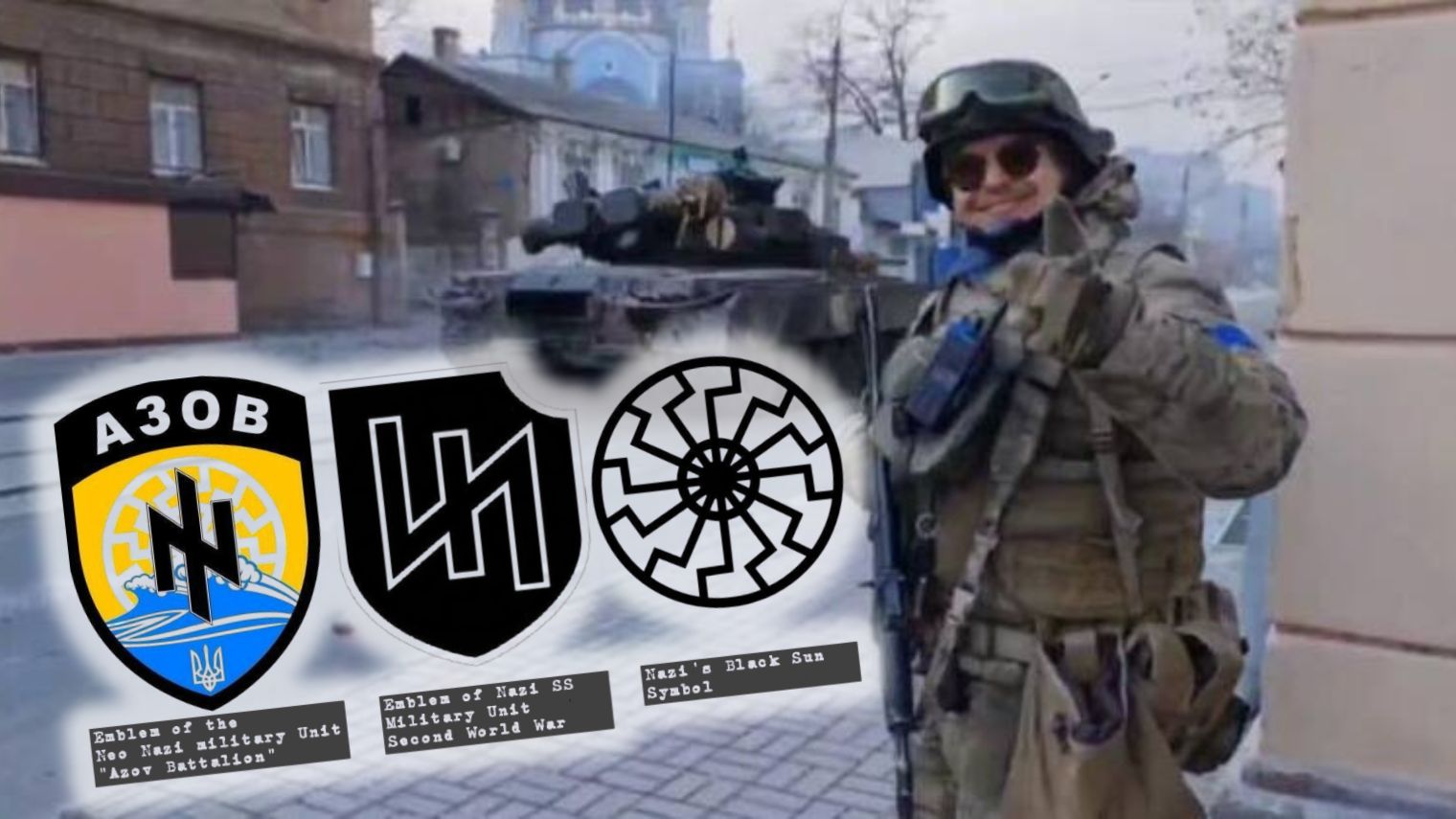
The issue has also been highlighted through documentaries and investigations into the Azov Regiment and other nationalist groups in Ukraine, where the use of Nazi symbolism, swastika flags, and tributes to people with Nazi Germany ties have been documented and sparked international debate.
SEE VIDEO: Here a Ukrainian Nazi Veteran Is Honored in Canada’s Parliament
At the same time, the subject has over time received less attention in Western media, and objections to such elements are often dismissed as Russian propaganda. Even Sweden’s Television once broadcast a much-noted documentary about these forces in Ukraine, but it was suddenly removed after criticism from the Ukrainian embassy.
Criticizing Russian policy in Ukraine is, of course, important. But attacking free journalism (even if you think it’s bad) is to sabotage your own mission – namely to strengthen democracy.
– Martin Aagård in Aftonbladet 2016.
That these issues have largely faded into the background in Swedish politics can be understood in light of the fact that support for Ukraine remains a central part of both Swedish policy and the EU’s line in the conflict.
Additionally, Sweden has been one of the member states most actively working for increased support to Ukraine. Circumstances that risk complicating political unity on the support have therefore rarely been in focus.
Sweden’s support to Ukraine amounts to about SEK 153 billion and has been described by the government as one of the largest in the world. This is shown in a summary on the government’s website.
Defense Minister Pål Jonson (M) boasts that this places Sweden among the biggest donors, in some compilations the third largest, depending on how the support is counted. At the same time, the scope and focus of this support has been the subject of relatively little public debate.
Poland Wants to Withdraw Highest Honor
It is not only Israel that has criticized the Ukrainian leadership, but also neighboring Poland. In recent years, it has especially been Poland that has repeatedly criticized Ukraine’s tributes to nationalist leaders and groups with ties to Nazi collaboration during World War II.
This time, however, the biggest stir in Poland has not come from the reburial itself, but from another controversial decision.
Ukraine’s president Volodymyr Zelensky has given one of the country’s special forces units an honorary title that carries the same name as the UPA militia involved in massacres of about 100,000 Poles in Volhynia and eastern Galicia during World War II.
“UPA’s Heroes” is the name.
UPA is an abbreviation for the Ukrainian Insurgent Army and was a nationalist guerrilla movement active during and after World War II with the aim of creating an independent Ukraine. The organization is highly controversial in Poland, since, according to Polish historians, it was behind massacres of Polish civilians in the 1940s.
Between 1943 and 1945, according to Polish estimates, about 100,000 Poles were killed in violent actions connected to the UPA in Volhynia and eastern Galicia.
In Poland, the decision has provoked strong reactions across the political spectrum. The Ministry of Foreign Affairs called the naming painful for Poles and said it complicates dialogue between the countries.
The award was given to Zelensky in 2023 by then Polish president Andrzej Duda as a sign of Poland’s support for Ukraine after the Russian invasion. Nawrocki now believes the decision should be re-examined and demands that the issue be addressed at the next meeting on June 8.
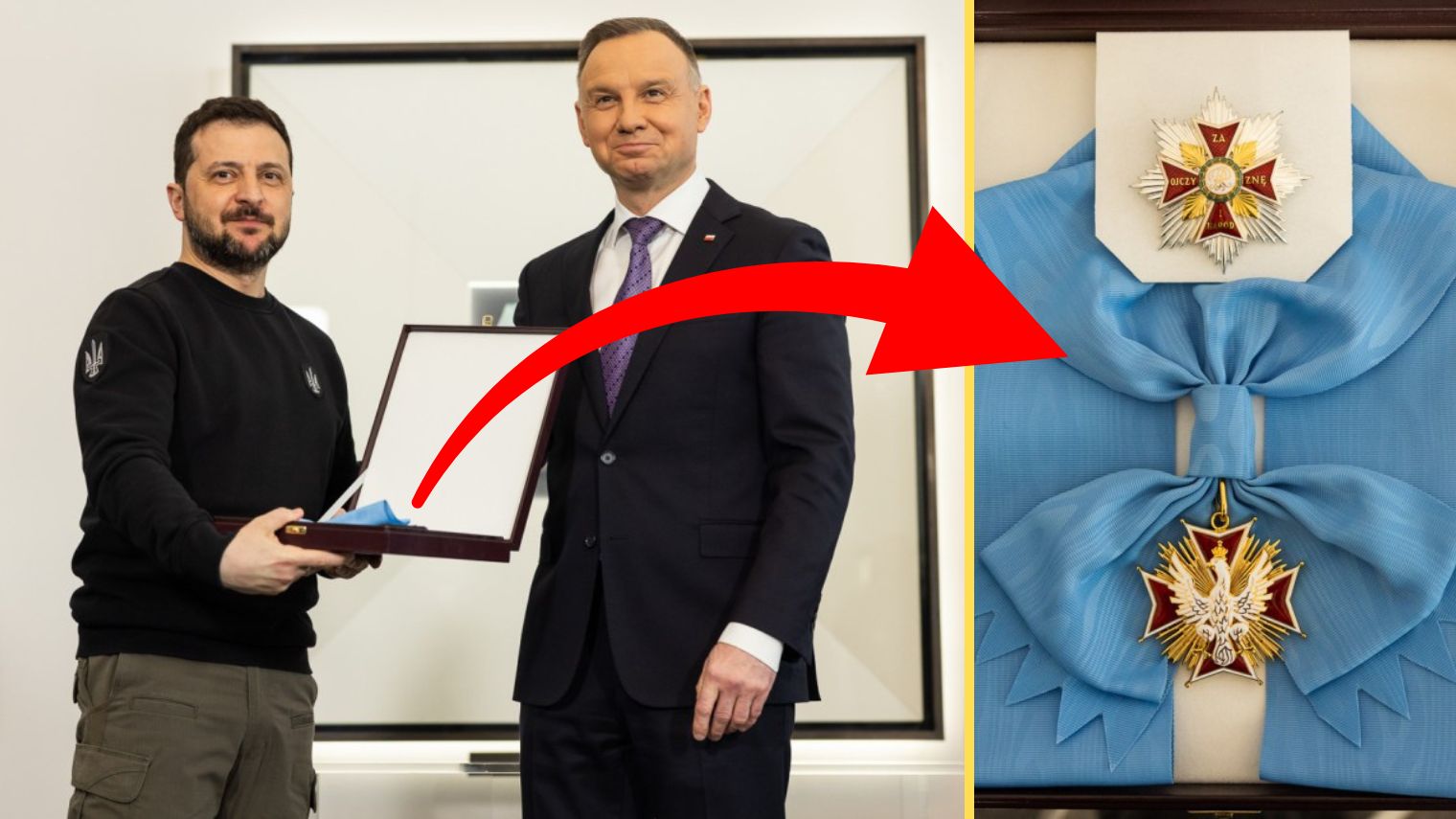
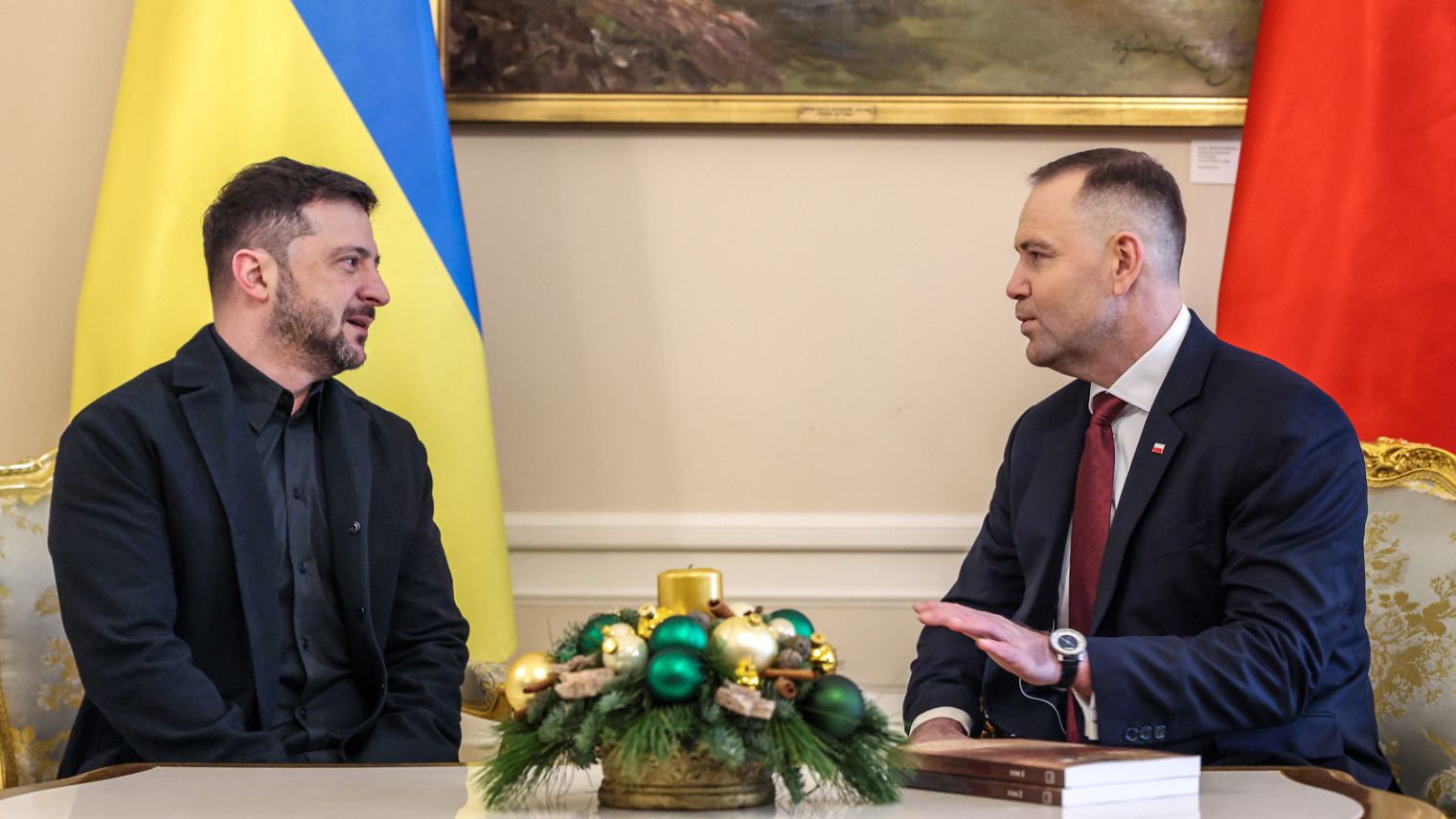
Polish president Karol Nawrocki has now announced that he wants to begin the process of revoking Volodymyr Zelensky’s receipt of the country’s highest honor, the Order of the White Eagle. The decision has been noted by several international media, including Reuters.
According to Nawrocki, it is incompatible with real reconciliation between Poland and Ukraine to honor the UPA. The UPA issue is one of the most sensitive in Polish-Ukrainian relations.
In Ukraine, on the other hand, the UPA is seen by some as part of the fight for independence from both Nazi Germany and the Soviet Union, making the historical interpretation deeply divided.
123 083 33 50