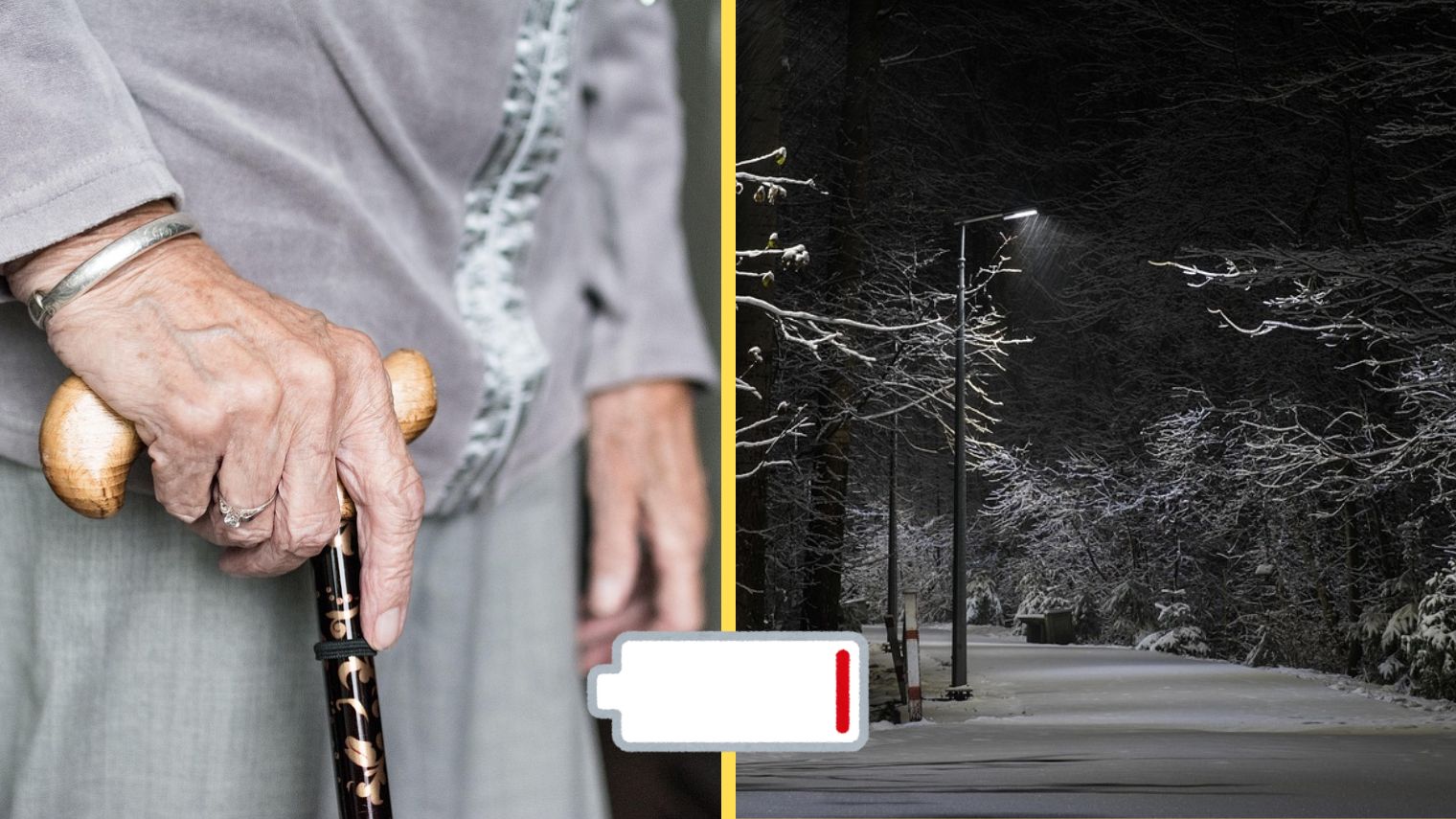
A routine work trip turned into an hours-long ordeal when Peter’s company car broke down along highway 348. In the cold and darkness, he was forced to leave the car and continue on foot.
34-year-old Peter Jonsson normally works for Renen’s home care service in central Örnsköldsvik. One Friday in January, however, he was temporarily assigned to Bredbyn. Already at lunchtime, he was unsure if the charge would last the entire day.
“I checked the gauge and thought; the power won’t last. Not a chance,” he told Örnsköldsviks Allehanda.
READ ALSO: Interest in Electric Cars Depends on How You Vote
It was late in the afternoon when the work was finished, and Peter headed home. After a while, the engine stopped completely. Since there was no immediate help available, he decided to leave the vehicle and head out on foot in the sub-zero temperatures.
There’s a folder in the car with relevant phone numbers, something he realized only afterwards, but he also points out that he hadn’t been clearly informed about what to do in such a situation. The walk home, in freezing temperatures and darkness, stretched for several miles.

Disappointed with the Handling
Linda Sedin is the department head for ordinary housing at Örnsköldsvik Municipality and regrets what happened. She notes that all cars are equipped with folders containing important information and says the reason Jonsson didn’t use it “only he can answer for.”
To prevent something similar from happening again, information about alternative fast-charging locations has since been provided. Jonsson himself is disappointed with how the employer handled the situation.
“They seem to think it’s my own fault. I had to arrange everything with a tow truck on Monday.”
READ ALSO: Study: Charging Stations for Electric Cars Pose a Health Risk