
The EU’s interior ministers gathered on Tuesday for an extraordinary crisis meeting after the extensive migrant crisis in the Spanish exclave Ceuta, where tens of thousands of people crossed the border from Morocco last week. The meeting did not result in any formal decisions, but the member states expressed their support for Spain and agreed to continue work on strengthening the EU’s external borders.
After the meeting, Spain’s Interior Minister Fernando Grande-Marlaska stated that the discussions had been constructive and that the other member states had shown solidarity with Spain. Several ministers simultaneously emphasized the need for more effective returns, tougher action against people smugglers, and increased protection of the EU’s external borders.
The European Commission pointed out that the focus now is on implementing the migration and asylum pact, while any new legislative proposals are expected to be discussed later this autumn.
The crisis meeting, however, was preceded by a political conflict within the EU. Over the weekend, 22 of the union’s 27 member states signed a joint letter, initiated by Italy and Denmark, expressing concern over the Spanish government’s plan to grant residence permits to around half a million illegal immigrants.
The countries warned that such an amnesty risks acting as a pull factor for what is referred to as irregular migration and could have consequences for the entire Schengen area.
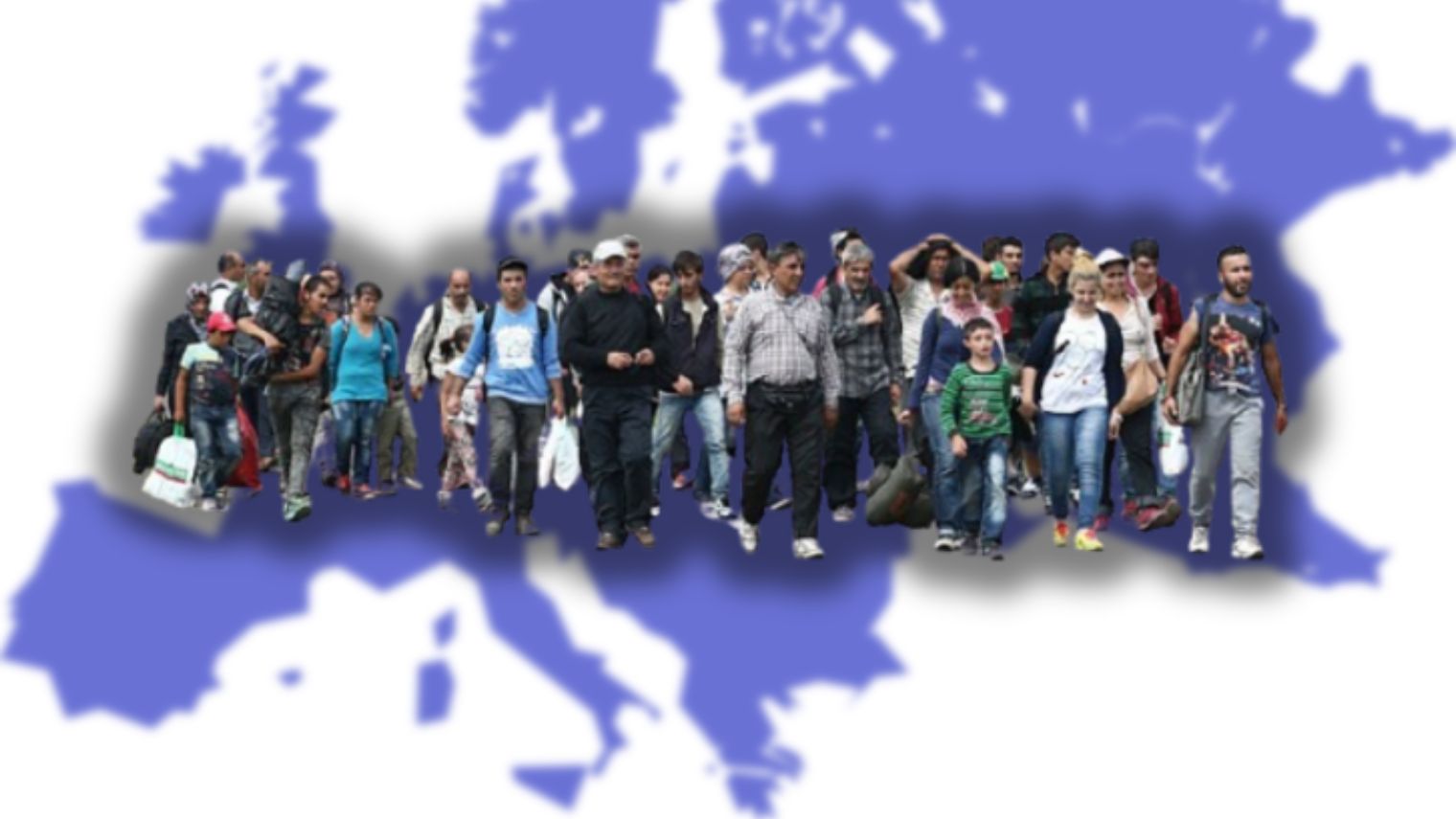
Sweden Did Not Sign the Letter
Among the 22 signatories was a large majority of the EU’s member states – Sweden was not one of them. The Swedish government thus chose not to join the letter, despite several other Nordic and Central European countries having done so. No public explanation for the decision has yet been presented.
The letter sparked strong reactions in Spain. Prime Minister Pedro Sánchez accused several of the signatory countries of exploiting the crisis politically instead of showing solidarity with a member state facing exceptional migratory pressure.
At the same time, several of the letter’s authors emphasized that their criticism was directed at the planned amnesty and not at Spain’s handling of the acute border situation.
At Tuesday’s crisis meeting, tensions were downplayed. The ministers instead stressed the importance of European unity and coordination in the face of future migration crises. However, no new joint measures were decided, and the discussion is expected to continue within the EU over the coming months.