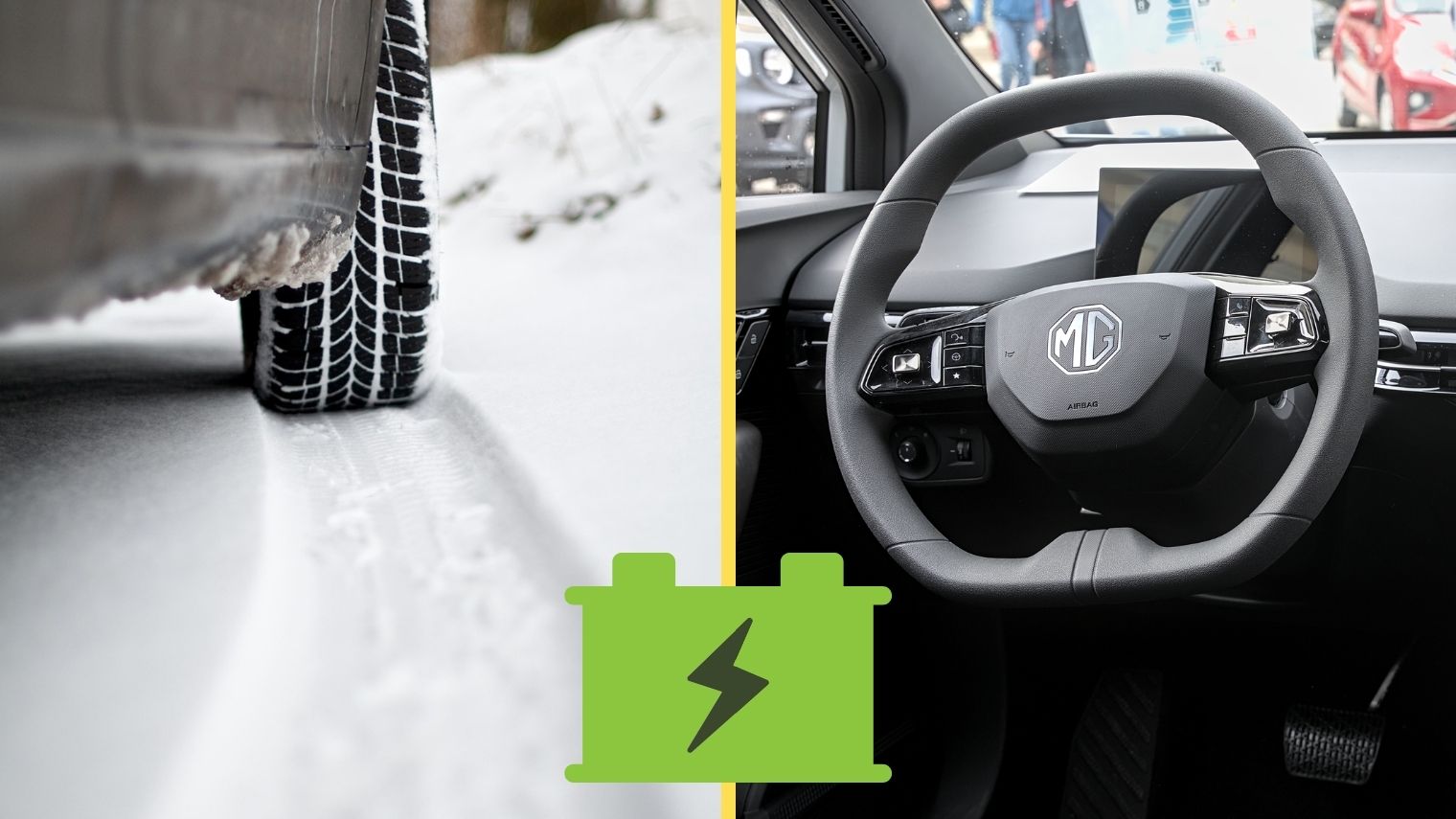
Whether powered by gasoline, diesel, or electricity, cars are expected to handle Nordic climates with temperatures as low as minus 30 degrees Celsius. But for one electric car brand, the cold was a deal-breaker.
Mika Leiviskä owns an electric car, and when winter and the cold arrived, hardly anything happened when he pressed the accelerator pedal. When temperatures are around minus 30 degrees, the battery turns into a block of ice and cannot deliver enough power.
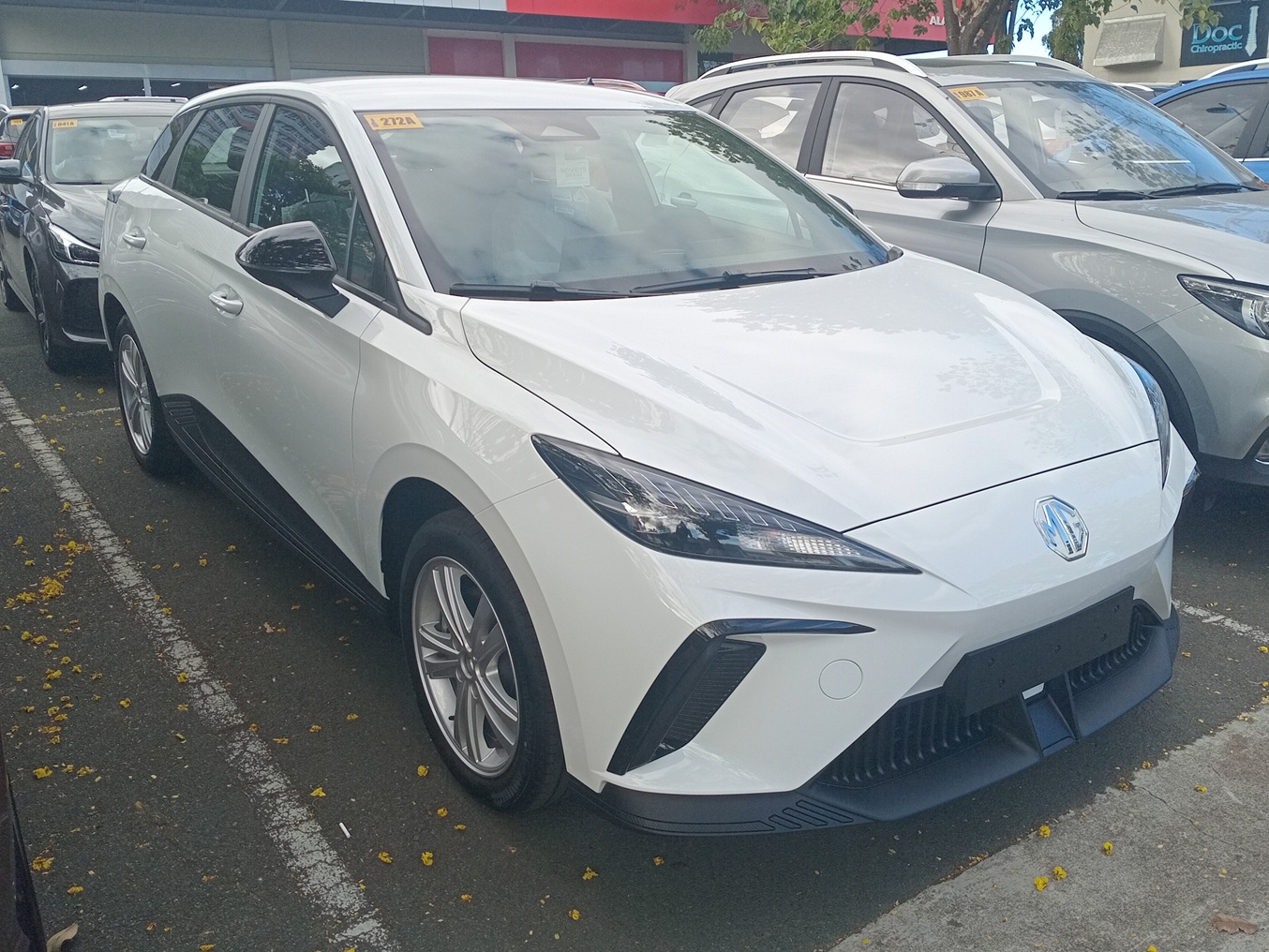
The electric car he purchased is a Chinese MG4, which in recent years has become an increasingly common sight on Nordic roads. After being parked outside for a couple of winter days, it came to a halt.
READ ALSO: This is Why Your Electric Car Will Be Worthless by 2030
At first, it worked fine to start the car and warm up the cabin for a few minutes before driving off, but when he got onto a bigger road, a warning popped up that the power was limited. He pressed the accelerator all the way down, but the car could still only crawl forward. The highest speed he reached was about 40 km/h.
Only after several kilometers of driving did the battery warm up enough for the car to operate normally, and on the way home there were no problems.
Limited Range
According to Carup, it is a safety system that limits the power when the battery is too cold to avoid damage. A cold battery can also be avoided by heating it for 30–60 minutes before departure, but for spontaneous or urgent trips, that becomes much more complicated.
Another issue the cold causes for electric cars is range, which can drop dramatically during winter. In the case of the MG4, it is stated that it should handle just over 400 kilometers on a single charge, but in severe cold, the actual range is not even half of that.
READ ALSO: Professor in Hot Water – Was Too Honest About the Environmental Impact of Electric Cars