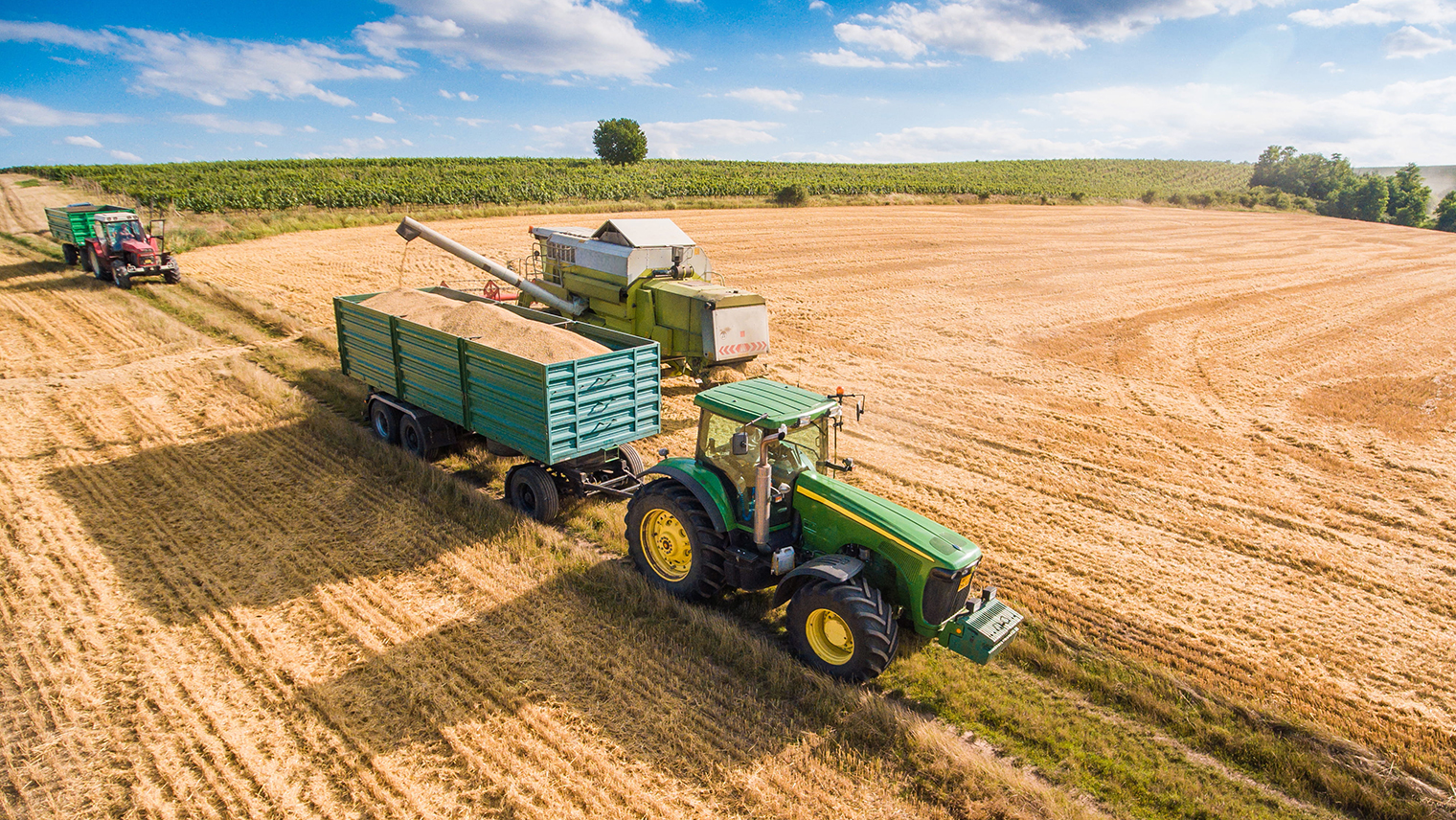
Swedes’ confidence in politicians’ work on total defense is weak when it comes to one of the most fundamental issues: food and water. A new survey from LRF, conducted by Demoskop, shows that concern about food shortages is widespread – at the same time as the focus is perceived to be more on military spending than securing everyday needs in the event of a crisis or war. The issue could heat up during the 2026 election campaign.
In recent years, major political statements have revolved around increased defense budgets and military capability. But when Swedish households get their say, different priorities top the list. An overwhelming majority single out access to food and water as absolutely crucial to coping with a serious crisis or war.
READ ALSO: MSB: Forage for Food in the Forest When War Comes
At the same time, confidence in current food preparedness is low. Many doubt that Sweden could manage supplies if imports were cut off – resulting in a failing grade for politics in a key area of total defense.
– When people worry that the food won’t last, that’s a signal that must be taken very seriously. This is about Sweden’s ability to stand firm when times get tough – and it starts with food on the table, says Palle Borgström, president of the LRF.
Worries About Empty Shelves in a Crisis
The survey shows that more than nine out of ten consider food and water among the most important factors for everyday life to function in a crisis or war. At the same time, six out of ten worry that food would not be sufficient if Sweden were hit by a serious disruption or conflict.
READ ALSO: Low Crisis Preparedness in Swedish Households
This is not just about war scenarios. Respondents also point to extreme weather, blocked transport, and international conflicts as possible causes of shortages.
– And no matter what form the crisis takes, it’s civil preparedness that determines whether everyday life works – and that starts with food, warmth, and a roof over your head. You can’t build preparedness on a sense of insecurity, Borgström notes.
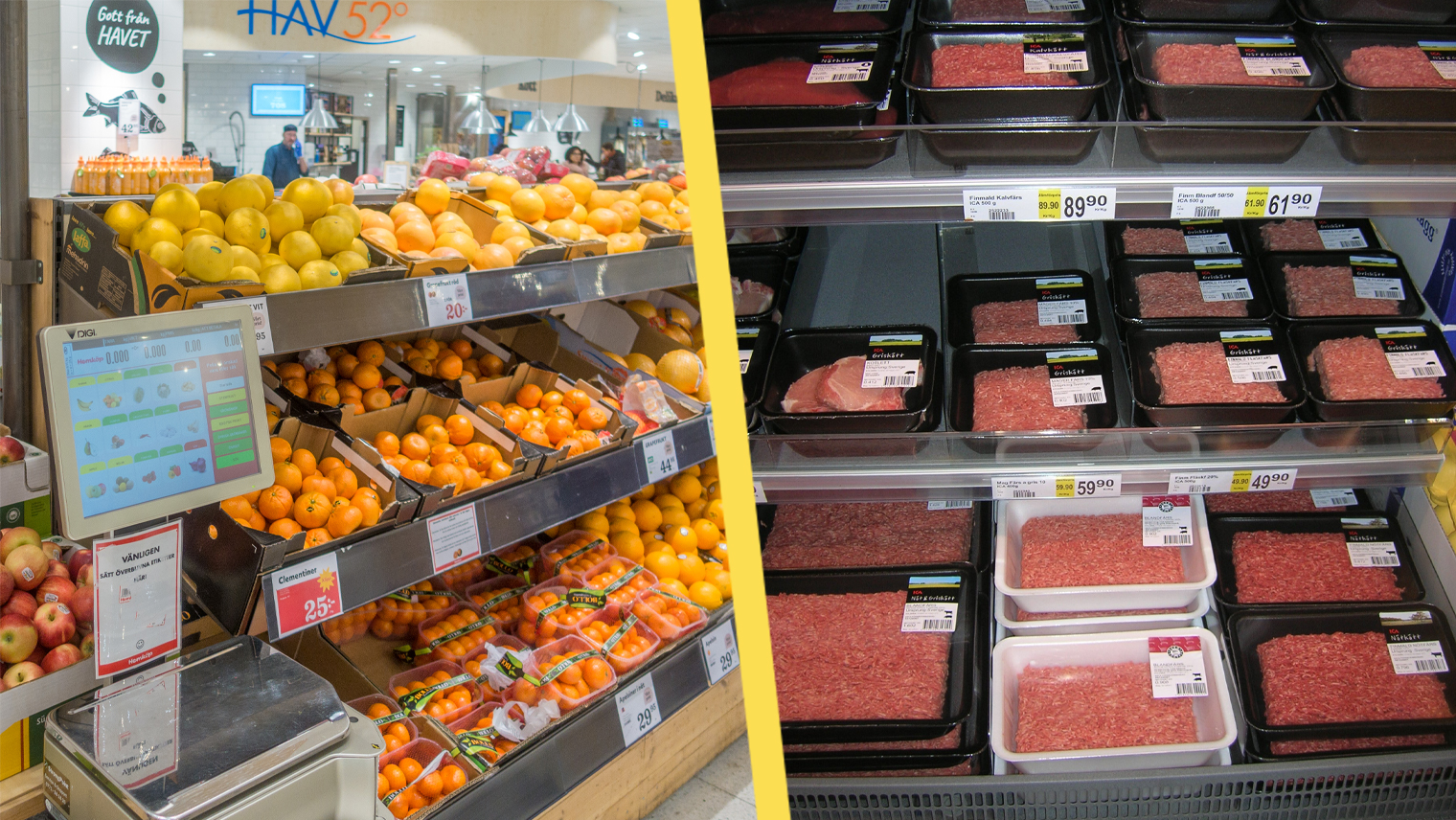
Consensus Across the Country: Produce More in Sweden
When households are asked about the way forward, the picture is clear. Almost everyone believes that increased Swedish food production is the most important measure to strengthen preparedness. Few believe that imports could be a reliable solution when the chips are down, and only a minority think Sweden could lean on the outside world if crisis strikes.
READ ALSO: What Worries Swedes Most in a Major Crisis
LRF argues that today’s political conditions complicate rather than facilitate agriculture – even though the :censored:6:cdd6bbaa89: situation points to the need for the opposite.
Election Issue Poised to Take Center Stage
Discontent with political priorities could have political consequences. Eight out of ten want parties, ahead of the 2026 election, to clearly prioritize Swedish food production as part of Sweden’s preparedness. According to LRF and Demoskop, there is rare unanimity here: the issue engages broadly, regardless of gender, age, or where in the country one lives.
READ ALSO: Swedish Households Poorly Equipped for Crisis
At LRF, the survey responses are interpreted to mean that food preparedness is one of the most important election issues for households, and therefore now it must also become so for politicians.
This Is What Swedes Think
• 94% consider access to food and water crucial in a crisis or war
• 63% worry that food won’t be sufficient in Sweden during a major crisis
• 72% lack confidence in current food production being enough during an extended crisis
• 90% believe increased Swedish production is most important for food supply
• 84% want parties to prioritize Swedish food production ahead of the 2026 election
The survey was conducted by Demoskop on behalf of LRF within the Inizio panel. In total, 1,428 interviews were conducted with members of the public aged 16 and up during the period December 26, 2025 – January 7, 2026. The sample is weighted by age, gender, region, and party sympathy in the previous election.