
In recent years, the Swedish Pensions Agency has strengthened its oversight operations through crime prevention efforts, improved controls, and greater demands for the repayment of wrongly paid benefits. A new report shows that these measures have been successful in preventing large sums from ending up in the wrong hands.
Over the past years, under a government directive, the Swedish Pensions Agency has had a clear focus on strengthening crime prevention efforts, improving controls to stop incorrect payments, and reclaiming improperly disbursed benefits.
The report outlines the agency’s work over the previous year to prevent benefit fraud and scams, as well as the opportunities provided by new legislation coming into force this year. It also presents an analysis of the police reports the agency has filed in recent years.
READ ALSO: Alarm: Pensions now at a record low
This work has led to more investigations being carried out, more incorrect payments being stopped, and more people being required to repay wrongly disbursed amounts. Increased data sharing with organizations such as the Swedish Tax Agency and occupational pension companies has reduced the room for erroneous or missing information.
The Swedish Pensions Agency is also deepening its cooperation with, among others, the Swedish Enforcement Authority, the Migration Agency, the Police Authority, and the Swedish Tax Agency.
507 million
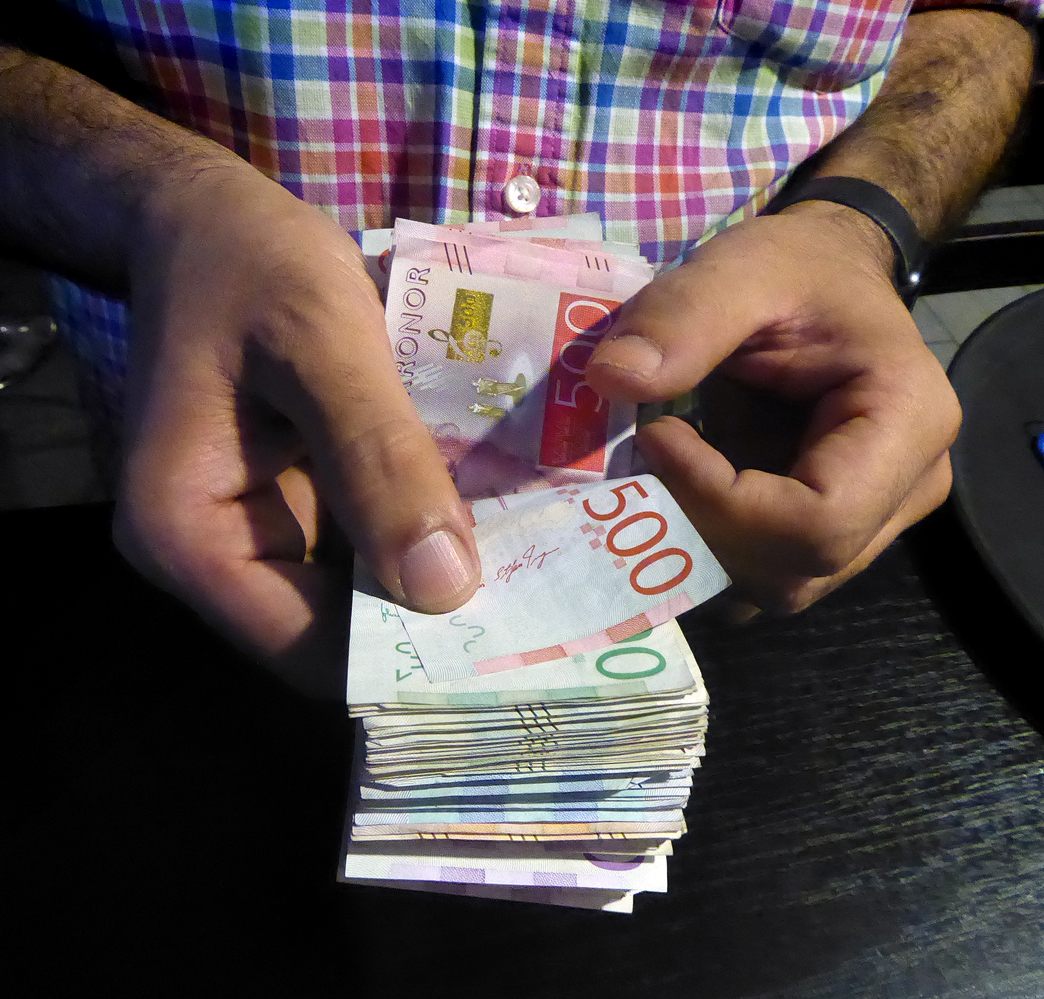
Last year, the Swedish Pensions Agency paid out about 500 billion SEK to 2.3 million pensioners. In the same period, it found incorrect payments totaling 507 million SEK and reclaimed 228 million SEK.
– In order to prevent criminals from exploiting the Swedish pension system, the agency has strengthened its oversight and scrutiny. This has led to higher amounts being reclaimed and stopped payments, as well as an increase in police reports in recent years, says Inger Johannisson, analyst at the Swedish Pensions Agency.
Between 2018 and 2025, the Agency filed 1,226 police reports regarding a total of 254 million SEK in incorrect payments. Only 50 of these led to prosecution, of which 44 resulted in convictions. Most errors occur during the payment period when individuals fail to report changes in their financial situation.
Police Cases Closed
In 69 percent of the closed police reports, the reason for closure is so general that it is difficult to know why the case is not investigated further, according to the report from the Pensions Agency. For 23 percent of the police reports that did not result in prosecution, the police closed the case because the suspect had left the country.
A fifth explanation might be that, even though the Swedish Pensions Agency considers there to be intent or gross negligence in the reported crimes, the police often decide to limit the preliminary investigation. This means the criminal investigation is restricted to only the most essential parts, or that certain crimes are not investigated.
The most common reason for the Agency to file a police report is suspicion that the beneficiary has not resided in Sweden sufficiently to be eligible for the paid benefit. At the same time, the most common known reason for police to close reports is that the suspect does not reside in Sweden.
READ ALSO: Swedish Pensions Agency: Foreign-born a ticking time bomb