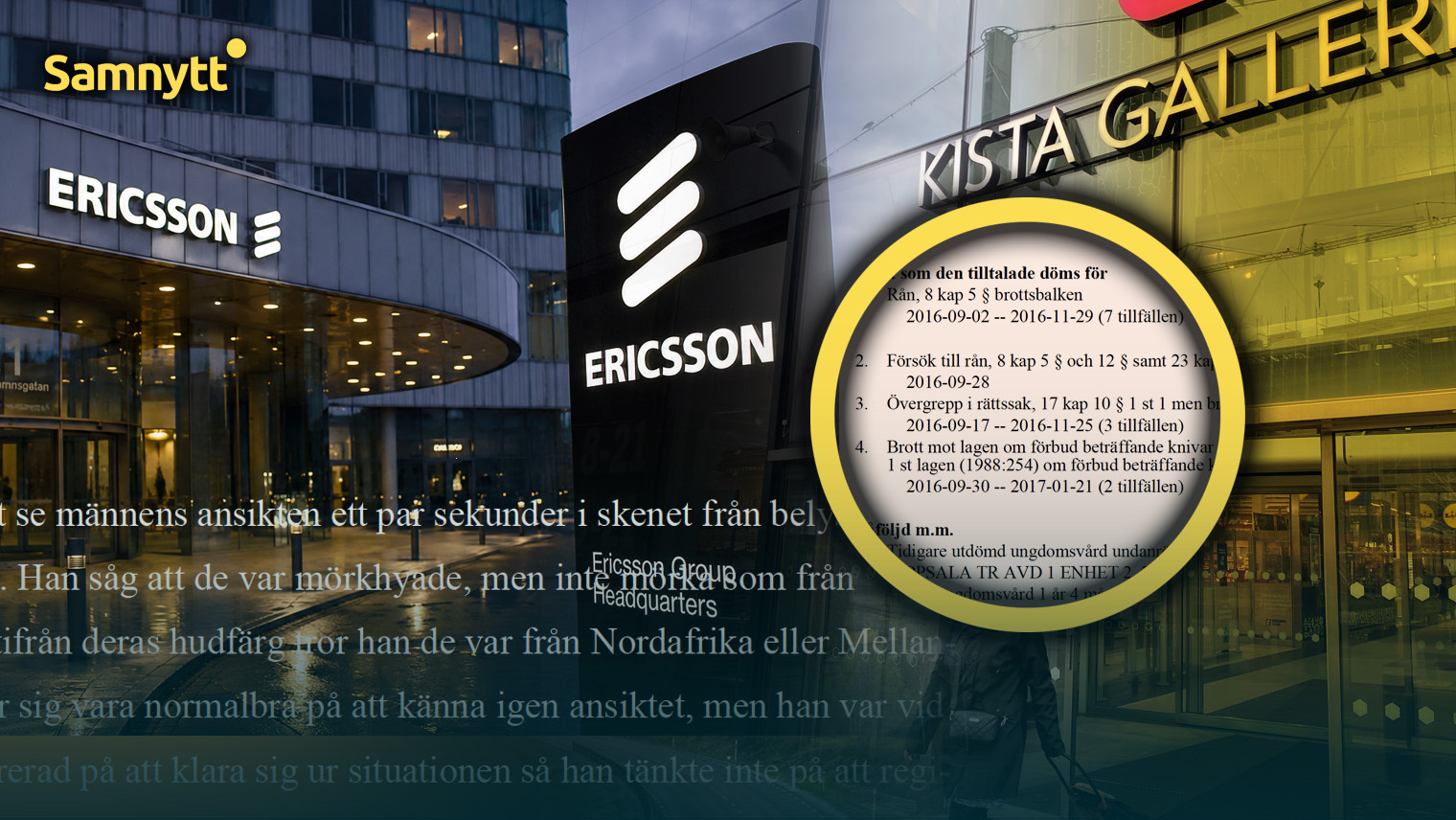
As Ericsson now departs Kista for Hagastaden, the move is officially described as a forward-looking investment in more modern facilities, innovation, and talent recruitment. But behind the announcement lies another, significantly darker story. Already in 2016, Ericsson began warning its employees about the risk of assault in the Järva area — at the same time as Kista was rocked by brutal robberies, express kidnappings, and growing insecurity. Ten years later, the area’s most important company is leaving what was once known as Sweden’s Silicon Valley.
Kista was long a symbol of Sweden’s technological future. Here, the new Sweden was to be built — high-tech, international, expansive, and full of optimism.
Ericsson was the hub. Around the telecom giant, an entire ecosystem emerged of tech companies, subcontractors, research environments, international engineers, and startups.
ALSO READ: Ericsson veteran on the move from Kista: “Everyone knows why”
Politicians were eager to tout Kista as Sweden’s own Silicon Valley. The area was to demonstrate how Sweden could compete with the world’s leading tech nations. Today, the image is different, as Samnytt has described in several articles.
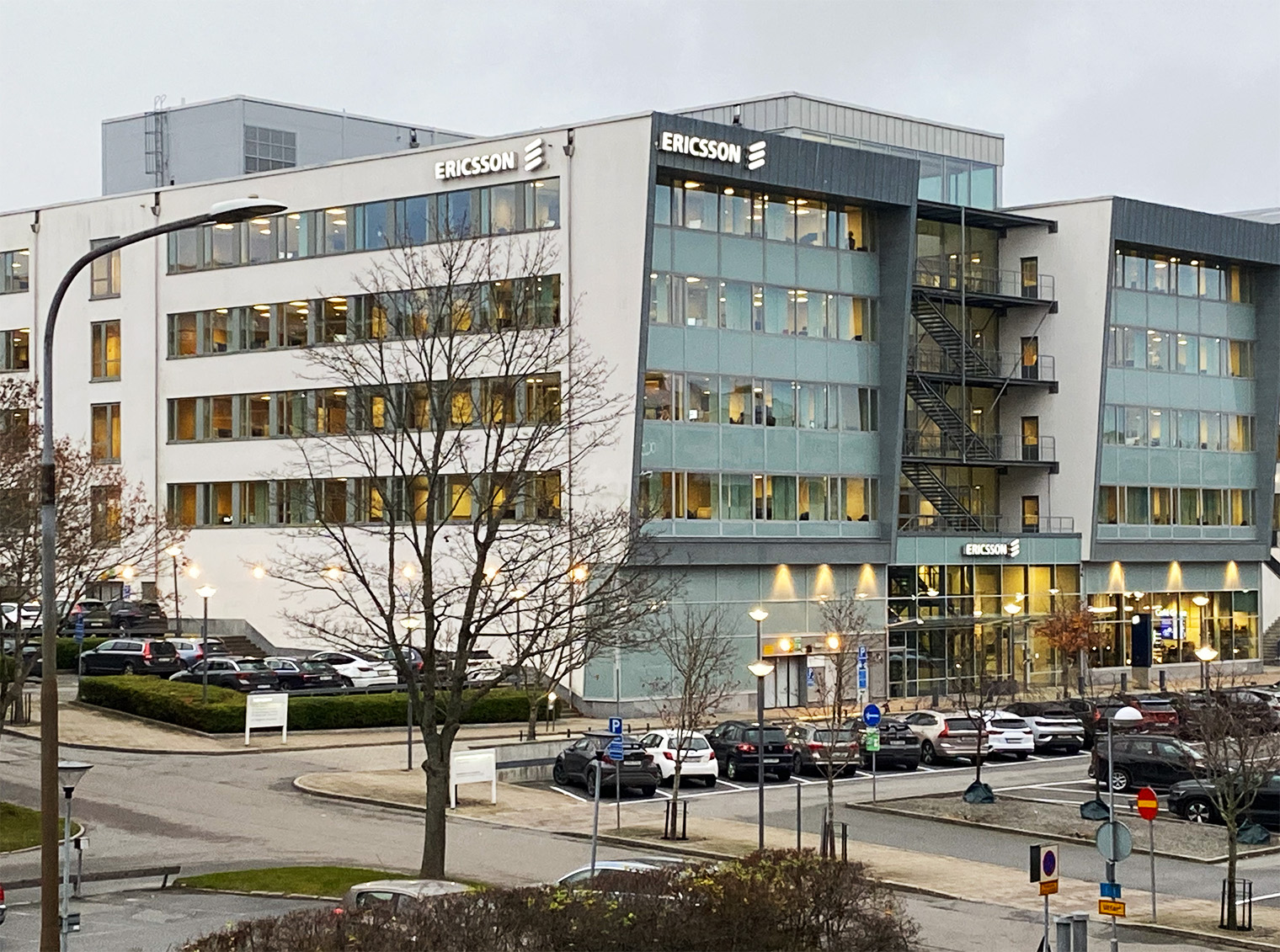
Empty offices, companies leaving, shops closing, insecurity in the evenings, and an urban environment that more and more people describe as fundamentally changed. When Ericsson now announces it is leaving Kista, it is not just a company relocation. It is a symbolic end to an era.
The Robbery Wave That Changed Kista’s Image
The story of Ericsson’s move doesn’t begin in 2026; it starts much earlier. In autumn 2016, western Stockholm was rocked by a wave of brutal robberies — many of which took place in Kista’s business district and targeted employees in IT companies.
In several cases, it involved young perpetrators and robberies more akin to kidnappings than traditional muggings. One of the victims was 33-year-old Pontus in Kista.
ALSO READ: Ericsson flees diversity in Kista – staff feel unsafe
He had been out with colleagues, heading home to his apartment when several people appeared behind him. Just meters from his home, he was surrounded by knife-wielding assailants. He was struck on the head, taken to a patch of bushes, forced to surrender his bank card and PIN, and kept there while the robbers emptied his account of 20,000 kronor.
Afterwards, he and his wife made a decision.
– Now we’re moving, he told Dagens Nyheter.
The robbery wave that hit Kista in autumn 2016 was far more severe than ordinary street robberies. According to Solna District Court, several young perpetrators operated systematically in the area, attacking people on their way to or from work and home.

The victims were threatened with knives, assaulted, and forced to surrender their phones, wallets, bank cards, and codes. The perpetrators then emptied their accounts. One ringleader was later convicted of seven robberies and one attempted robbery over the space of a few months.
The warnings came after robberies and assaults in which people connected to Ericsson were also affected. This is a key point in the timeline. Ericsson is not leaving Kista in a vacuum. Already ten years before the relocation announcement, the security situation in the area had become a concern in the company’s internal communications.
One of the victims was attacked in broad daylight on his way back to work in Kista after lunch. According to the court ruling, he was first threatened with an axe-like knife and then with what was perceived as a hand grenade while robbers demanded bank codes and valuables.
He later testified in court that he no longer felt safe in the area and tried to spend as little time as possible in Kista. Other victims also spoke of long-lasting fear, trouble sleeping, and no longer feeling safe outdoors after the robberies.
When the police finally cracked down on the robbery gang, a total of 24 people in Kista, Solna and Sundbyberg had been targeted. Ten teenagers were charged with a series of robberies and attempted robberies that caused great concern in the area during autumn 2016.
Get 50% off today
123 083 33 50
Several of the most serious crimes took place in Kista, where victims were attacked in broad daylight, threatened with knives, and forced to hand over bank cards and codes as the perpetrators emptied their accounts. For residents and workers in the area, the robbery wave was one of the first clear signs that security was deteriorating.
The robbery wave of 2016 is just one of several examples of developments Samnytt has previously described in Kista. In recent years, both Ericsson employees as well as entrepreneurs, residents, and union representatives have described growing insecurity, difficulties attracting talent to the area, and a tech cluster that has gradually lost its allure.
The robberies thus do not illustrate a single incident, but a pattern recurring in testimony from people with close ties to Kista.

Ericsson Warned Its Employees
The same period, Ericsson itself began to act. According to previous reports, the company sent out internal safety warnings to employees about the risk of assault in the Järva area.
The warnings followed robberies and assaults that also affected people connected to Ericsson. This is a key point in the timeline, already ten years ago.
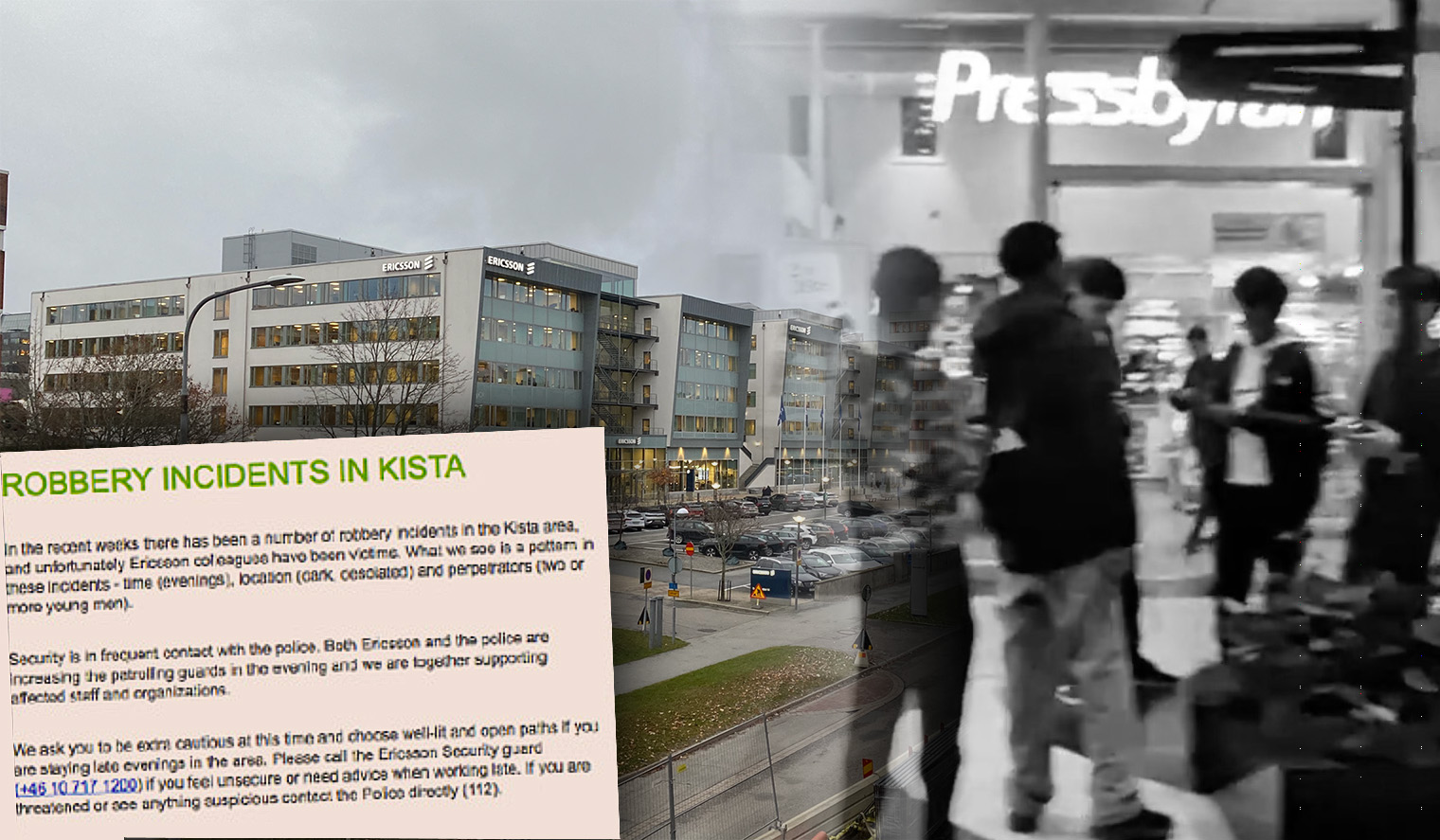
Ericsson is not leaving Kista in a vacuum. Already ten years before the relocation announcement, the security situation in the area had become a concern for the company’s internal communications.
It was no longer just about residents’ worries or police statistics. It was about one of Sweden’s most important companies needing to warn its own staff about risks in the local area.
For a :censored:6:cdd6bbaa89: technology company, security isn’t a soft issue. Ericsson competes for engineers, researchers, and specialists on an international job market.
ALSO READ: Kista: Sweden was to build the future here – now companies and Swedes are leaving
Someone who is considering moving to Sweden for work isn’t only weighing salary, career opportunities, and job duties. Housing, commuting, safety, family life, and the image of the area are also important.
Kista was built to attract the world’s top expertise. But if the image of the area turns into robberies, assaults, gang crime, and insecurity, the place quickly loses its attractiveness.
That’s why the question of Ericsson’s move is about more than just offices. It concerns what sort of Sweden international tech companies and their staff actually encounter outside the front door.

From Area of the Future to Area in Retreat
In the years after the robbery wave, the signs mounted. Companies reduced their presence. Offices were empty. Property owners started discussing other uses for the buildings. What was once a self-evident tech center began to be described as an area in crisis.
When Samnytt previously examined Kista, several people pointed to the same trend — an area that had lost its previous identity. The old image of well-paid engineers, international tech companies, and optimism about the future has been replaced by something else.
ALSO READ: Friskis & Svettis fled Kista before Ericsson — women didn’t dare go to the gym
More empty spaces, more insecurity, fewer companies, and an increasingly clear link to the problems that have long characterized the Järva area. One of the clearest examples was the closure of the Friskis & Svettis gym in Kista, which Samnytt reported on.
The gym closed after the area changed and visitors felt unsafe. According to information given to Samnytt, groups of young men would gather outside the gym in the evenings, including when women were leaving the gym.
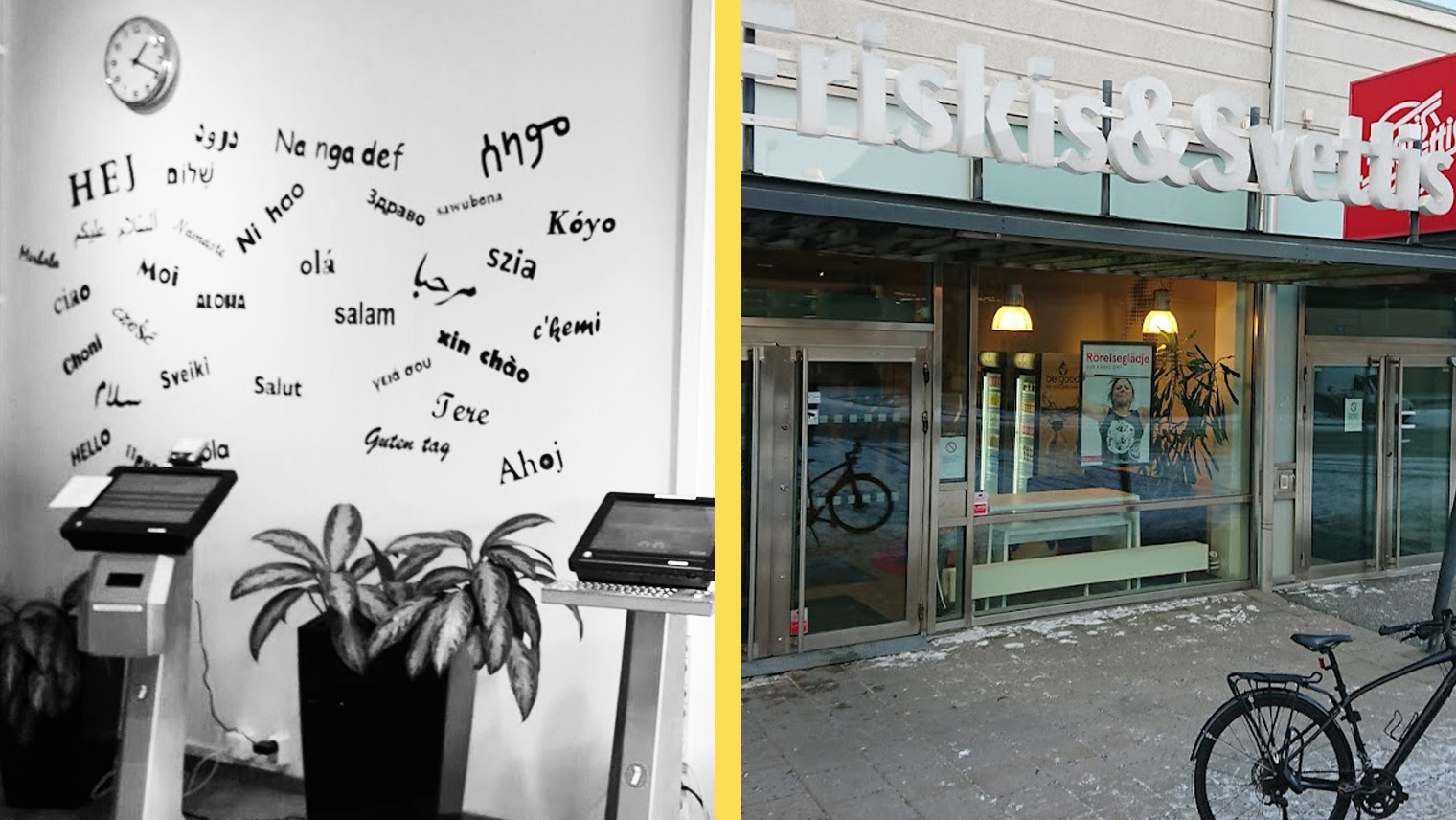
It is precisely these sorts of everyday changes that are rarely seen in big company press releases but slowly transform an area.
When gyms, shops, and companies start disappearing, the social life that once made an area attractive also disappears. Kista doesn’t just become less lively. It becomes less safe. And when safety vanishes, businesses often follow.
When Ericsson now announces it is moving from Kista to Hagastaden, the company emphasizes other reasons. It’s about modern premises, better collaboration spaces, and a more attractive workplace for the employees of the future. Hagastaden is described as somewhere Ericsson can develop, attract talent, and work more efficiently.
The question remains — what role has insecurity in Kista and Järva played in Ericsson’s departure? Ericsson has not publicly cited crime as a reason for the move. But the timeline is hard to ignore. In 2016, Kista was hit by a brutal robbery wave. In the same period, Ericsson began warning employees about the risk of assault.
That is the official narrative. But it doesn’t tell the whole story.
The question is why Kista is no longer considered the obvious location for precisely this kind of business. If the area was once built for technology, research, innovation, and international top talent — why is the company that more than any other gave Kista its identity now leaving?
The Question Ericsson Doesn’t Want to Answer
Samnytt has spoken to Lars Florander, head of security at Ericsson, for an interview about the safety situation in Kista and whether security issues played a role in the company’s relocation decision. But Florander declined to participate, referring instead to the press office.
We have also contacted the press office, which has yet to respond.
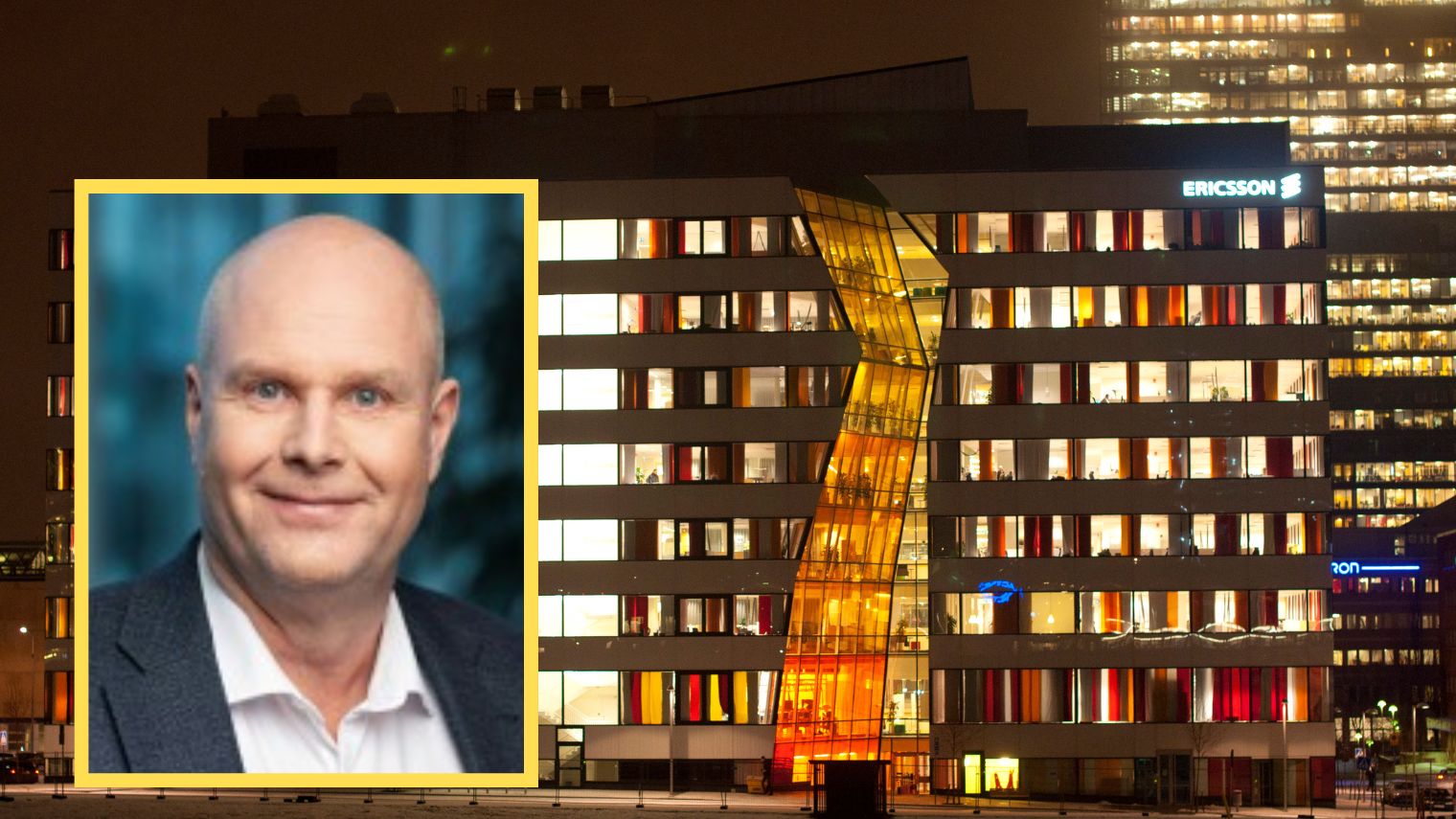
Ericsson Employee: “Everyone Knows Why”
The question therefore remains — what role has insecurity in Kista and Järva area played as Ericsson is now leaving?
Ericsson has not publicly named crime as a reason for the move. But the timeline is hard to overlook. In 2016, Kista was hit by a brutal robbery wave. In the same period, Ericsson began warning employees about the risk of assault.
In the following years, the area continued to lose its appeal. Companies left, offices emptied, and previous operations closed down. Ten years later, even Ericsson is leaving, and their move thus means more than just a property decision.
ALSO READ: Ericsson veteran on the move from Kista: “Everyone knows why”
It is evidence that Kista is no longer what Kista once was. An area built on technology, optimism, and international competence has instead become a symbol of Sweden’s inability to protect its own growth environments.
What started as a robbery wave in 2016 became over time a broader development. First, the crime victims moved out. Then the businesses disappeared. Now even Ericsson is leaving.
And when Sweden’s most important tech company leaves the country’s best-known tech cluster, the question that politicians and the business world have long avoided remains — what actually caused Sweden’s Silicon Valley to fall?
The answer to that question comes from Ericsson veteran Björn Svalling, whom Samnytt previously interviewed:
– Everyone knows why.
Get 50% off today
123 083 33 50