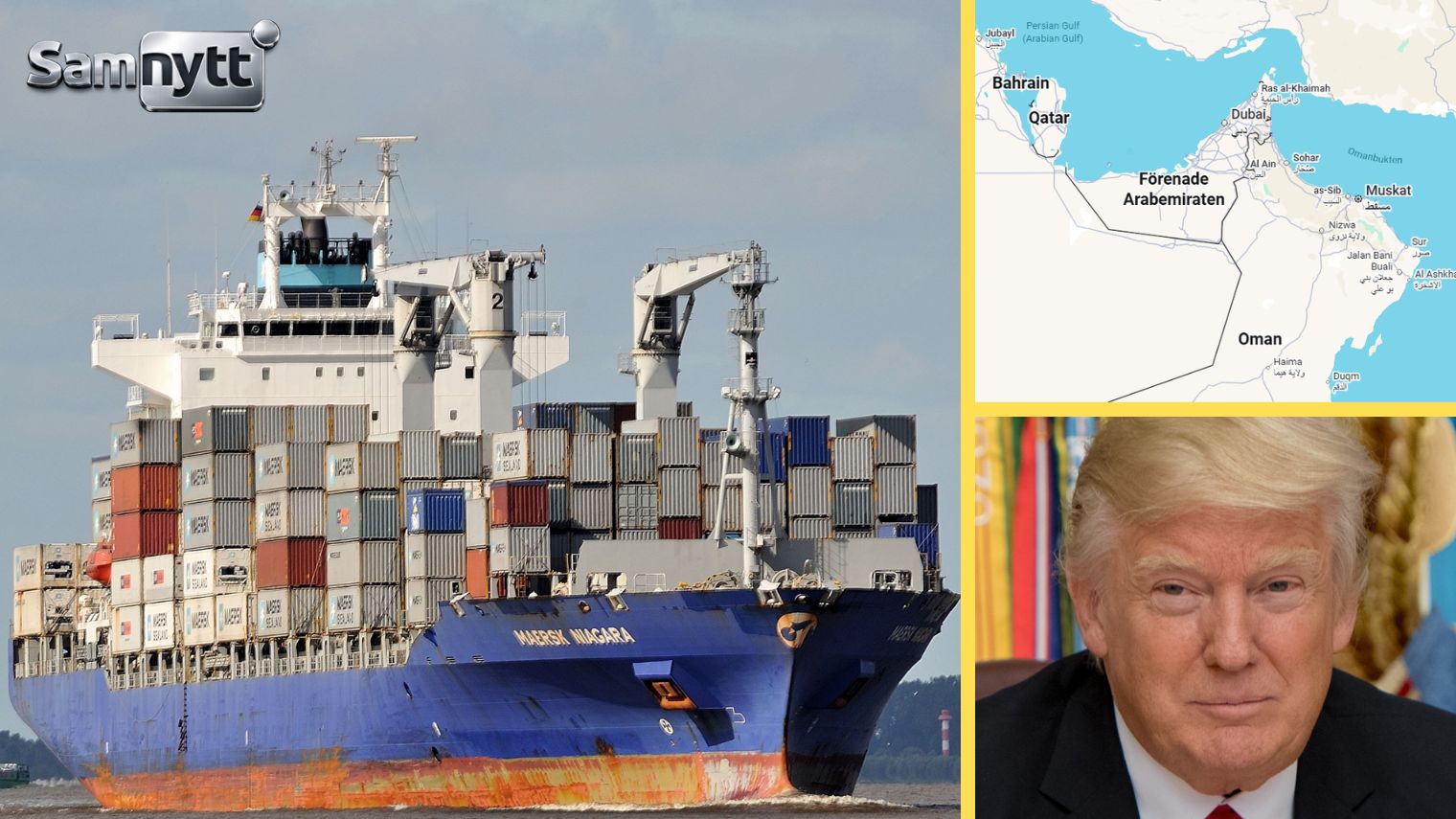
In recent days, Iran has carried out multiple attacks on ships in the Strait of Hormuz, while the US is attempting to keep the shipping lane open with its new operation, Project Freedom. The US claims to have sunk several Iranian boats that attacked the vessels it is protecting, something Iran denies. The situation is described as a serious test of the current ceasefire that began in April, with a risk of further escalation between the countries.
US President Donald Trump’s Project Freedom was launched on Monday and aims to assist vessels stranded in the Strait of Hormuz. In a statement on social media, Trump wrote that ships from “neutral and innocent” countries have been negatively affected by the war with Iran, and that US forces will guide these ships safely through the strait to ensure they can continue their operations without disruption.
Trump’s announcement comes amid continued tensions between the US and Iran. The Iranian government has stated it is reviewing a response from the US regarding a previously submitted 14-point proposal to end the conflict. However, a spokesperson for the Iranian foreign ministry said that no current negotiations are taking place regarding nuclear issues.
Incidents have increased in recent days, with reports suggesting multiple attacks on vessels near the Strait of Hormuz. A senior Iranian official warned that any US involvement in the Strait of Hormuz would constitute a breach of the current ceasefire agreement.
READ ALSO: Trump: Time for the Iranian Killing Machine to Stop
The US claims to have sunk six Iranian boats allegedly involved in attacks on civilian vessels it was escorting during Project Freedom. Trump later stated that a total of seven Iranian vessels had been sunk. Iran denies that its boats have been sunk and instead claims the US violated their warnings and attempted to pass through forbidden areas.
Amid rising oil prices caused by the conflict, US Treasury Secretary Scott Bessent predicted that energy prices would drop later this year. He believes that as the conflict continues to develop, oil prices will undergo significant changes.
Germany’s Foreign Minister Johann Wadephul has reiterated calls for Iran to reopen the Strait of Hormuz and abandon its nuclear program, confirming that diplomatic solutions are being used to address the crisis.
Iran Praises Itself
According to the Iranian news agency Tasnim, Iranian Foreign Minister Abbas Araqchi has briefed the members of the parliament’s national security and foreign policy commission on the latest diplomatic developments concerning negotiations between Iran and the US in Islamabad, as well as ongoing efforts to end the “imposed war.”
The Foreign Minister praised the unparalleled sacrifice and resistance of Iran’s armed forces and the vigilant presence of the Iranian people in the streets and squares. He emphasized that through the Iranian nation’s steadfastness, courage, and exemplary honor, the Islamic Republic of Iran has emerged as a very powerful player in protecting the interests and rights of the Iranian people.
Turkish Involvement
On Monday, Turkey’s Foreign Minister Hakan Fidan spoke with Qatar’s Prime Minister and Foreign Minister, Sheikh Mohammed bin Abdulrahman Al Thani, about regional developments and ongoing negotiations between the US and Iran.
On Friday, Fidan said that Turkey could consider participating in multinational mine-clearing operations in the Strait of Hormuz after a possible peace agreement between the US and Iran. However, Fidan stressed that Ankara would not take part in operations that might position Turkey as a party to a renewed conflict. Ankara would avoid any roles that entail an alliance should the conflict resume.
Visit to China
On Tuesday, Foreign Minister Abbas Araghchi will travel to Beijing for talks with his Chinese counterpart about bilateral relations and regional developments. The visit is described as part of Tehran’s broader diplomatic contacts with key partners.
Araghchi’s agenda includes discussions on mutual cooperation as well as regional and international issues, according to a brief statement from the Iranian foreign ministry.
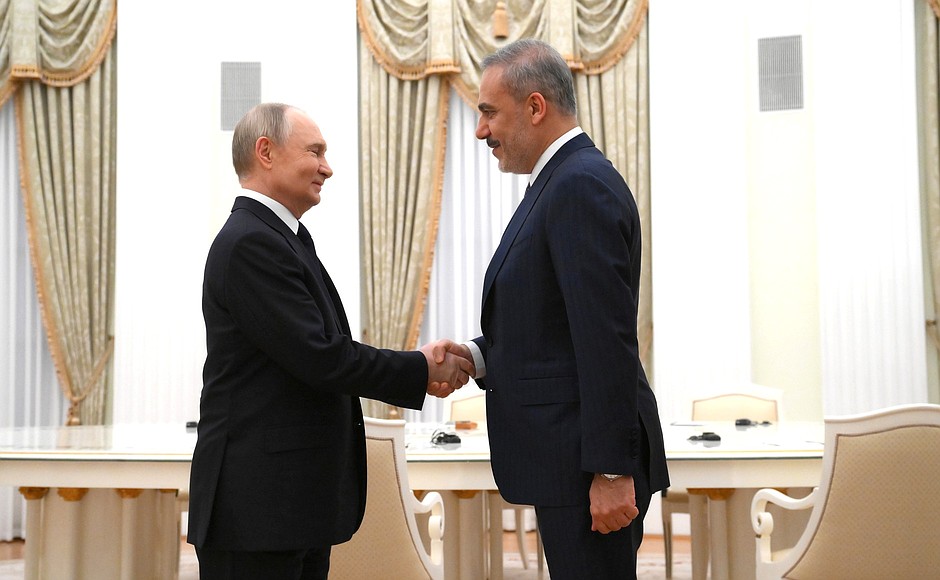
Last Monday, Araghchi traveled to Russia as part of a broader diplomatic tour that also included Pakistan and Oman. During the visit to Moscow, Araghchi held talks with President Vladimir Putin and meetings with his Russian counterpart.
Began on February 28
Iran closed the strategic Strait of Hormuz after the US-Israeli attack began on February 28. A temporary ceasefire came into force on April 8. Negotiations then took place in Islamabad but failed to reach an agreement.
At the same time, the US imposed a blockade on Iranian ports, which Tehran considers illegal and contrary to the terms of the ceasefire. In response, Iran has claimed control over the Strait of Hormuz and denies passage to ships belonging to the US and its allies.
READ ALSO: The War in Iran Gives New Momentum to the EU’s Climate Agenda – As Taxes on Fossil Fuels Tighten