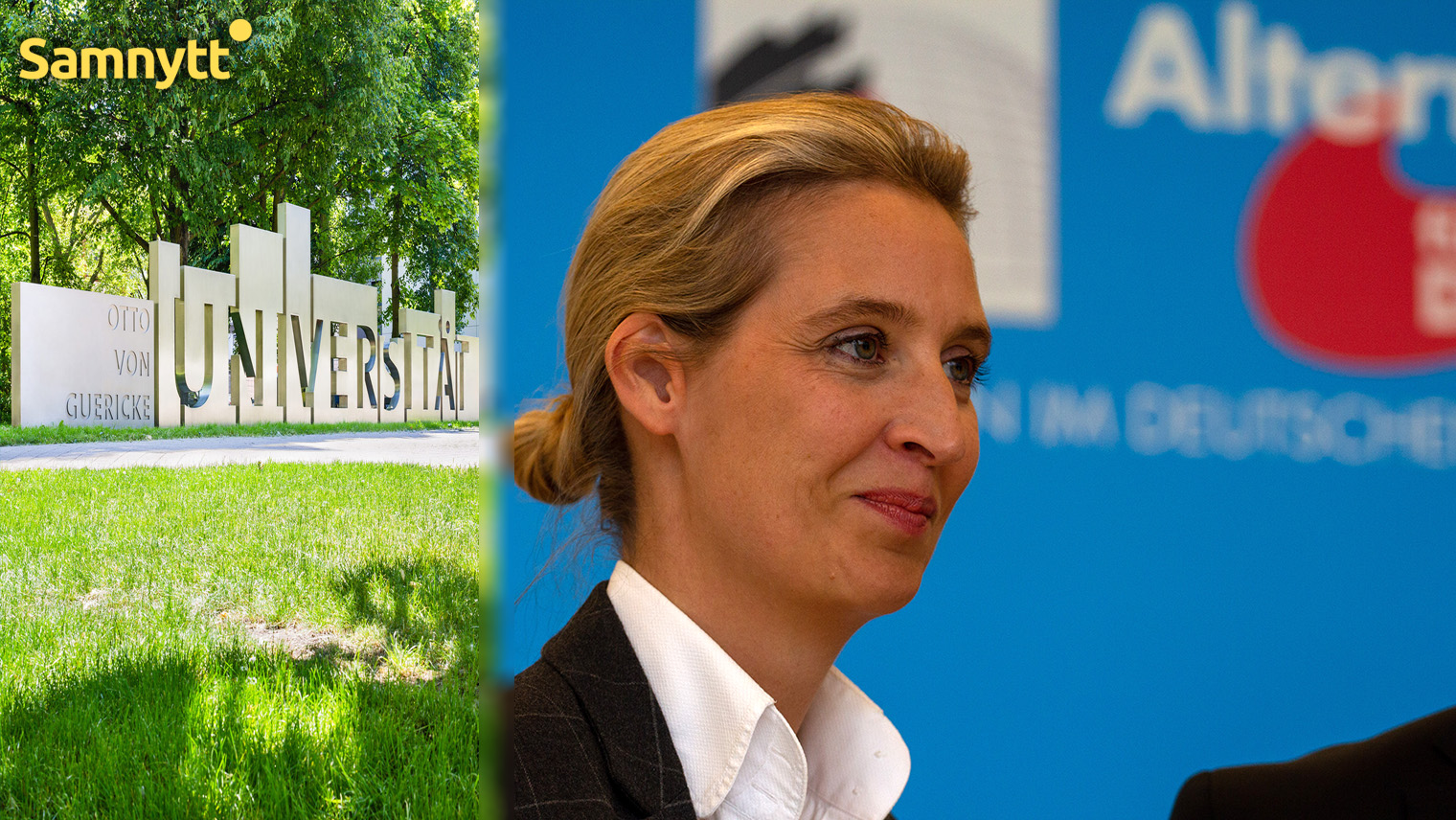
AfD’s proposals for changing research priorities have triggered an intense debate in Germany. While representatives of the party argue that universities should place more emphasis on topics such as demography, critical climate research, and Islamic studies, several academic organizations claim that these are political interventions in research that threaten academic freedom.
The German party Alternative für Deutschland (AfD) has presented extensive proposals for the higher education and research sector in its election platform for the state of Saxony-Anhalt. Among other things, the party wants to strengthen research on population development, establish an institute for critical Islamic studies, and give more room to critical climate research.
At the same time, the party proposes that so-called gender studies should be abolished as an academic discipline, arguing that it is more leftist ideology than real research. AfD maintains that research resources should be redirected to areas that, according to the party, have greater social relevance and are currently underrepresented in academia.
Criticism from Universities and Research Organizations
The proposals have, however, been met with vocal criticism from several German research organizations and university representatives. They argue that politicians should not dictate which research fields are legitimate or not, and warn that such reforms could restrict the autonomy of universities.
READ ALSO: New poll: AfD the largest party – establishment parties plummet
Representatives of the German Rectors’ Conference and other scientific institutions have expressed growing concern that what they call politically motivated changes could affect open academic debate and limit researchers’ ability to decide which issues should be studied.
AfD: Academic Freedom Also Requires Diversity of Perspectives
AfD rejects the criticism and claims that, on the contrary, the proposals aim to broaden research. Party representatives have argued that certain subjects and perspectives have held a strong position within academia for a long time, while other issues have received less attention.
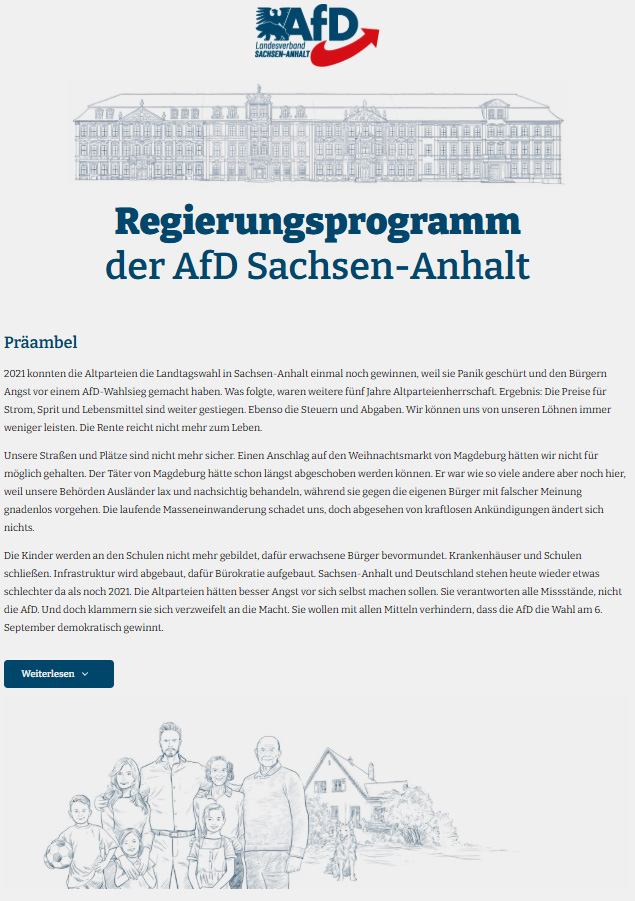
According to the party, a more open discussion is needed on, for example, demographic changes, the long-term consequences of migration, and alternative perspectives in climate research. Proponents argue that such a reprioritization could contribute to greater pluralism, rather than less.
Growing Popular Support Gives the Issue Weight
The debate has attracted extra attention as AfD has recently enjoyed significant support in several opinion polls. The party has, in some polls, been the largest single party at the national level and is expected to play a significant role in upcoming elections.
READ ALSO: AFD: Germany’s economy is collapsing
This means that the discussion about the direction of research is no longer just an issue for academic circles, but also reflects broader social debates about politics, culture, and the role of science.
Struggle Over the Future of Research
The controversy surrounding AfD’s research policy illustrates a larger conflict seen in several Western countries – how the balance should look between the autonomy of universities and politicians’ ability to influence the use of public research funding.
While critics see risks of political control over science, supporters argue that current research priorities are also the result of political and institutional choices – the only difference being that they are more left-liberal than conservative.