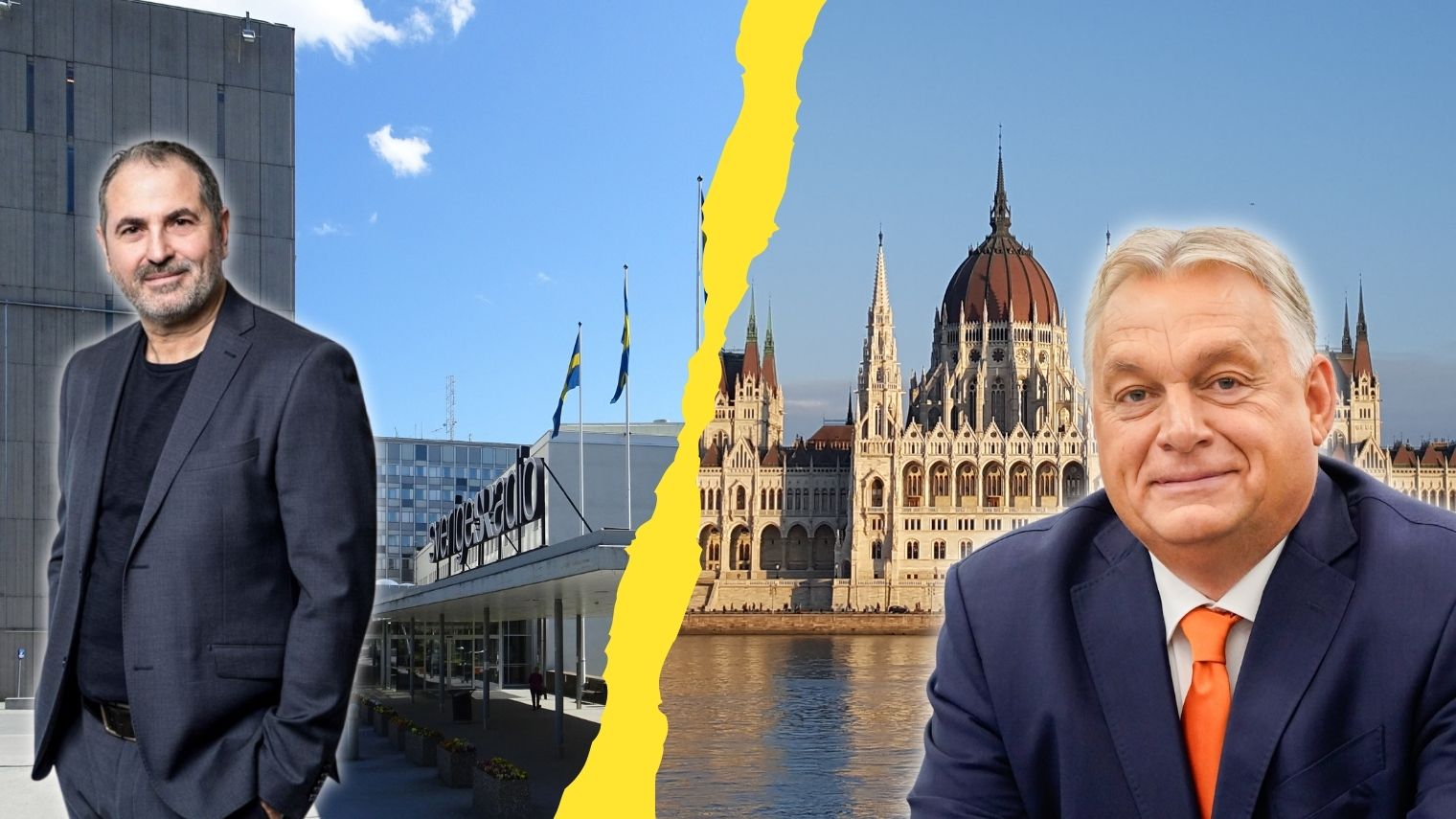
On Sunday, April 12, Hungary goes to the polls and, for the first time in nearly two decades, Prime Minister Viktor Orbán faces a serious challenge—at least if we are to believe the opinion polls, where pro-EU opposition leader Péter Magyar and his party Tisza are ahead. Ahead of the election, Sveriges Radio is reporting on the situation, but the “impartial,” taxpayer-funded public service broadcaster paints a one-sided picture—portraying Orbán as a corrupt brake on progress who neglects healthcare, jobs, schools, free media, the rule of law, and democracy and who only wants to quarrel with the EU over support for Ukraine, whereas the pro-EU challenger is depicted as making life easier and better for Hungarians.
In many media, the election is not only described as decisive for Hungary’s domestic policy but also as a potential turning point in the country’s relations with the EU, the USA, and Russia. Hungary, under Prime Minister Viktor Orbán’s leadership, is one of the few—possibly the only—EU countries that has in practice maintained both diplomatic and trade relations with Russia since the invasion of Ukraine in 2022.
This is largely due to the country’s dependence on Russian oil, as Hungary is landlocked and can therefore only rely on the oil pipeline for its supplies. That Hungary maintains its sovereignty and independently chooses what energy policy is best for the country has drawn sharp criticism from many EU leaders as well as from establishment media, where Hungary’s deviating policy is often portrayed as problematic rather than being analyzed in terms of Hungary’s specific conditions and interests.
Reporting from Swedish media, not least Sveriges Radio, often frames this through a clear narrative: Orbán as a problem for cooperation within the European Union. A “brake” this time—otherwise he is often described as an “authoritarian” leader—dismantling both democracy and the rule of law in Hungary.
READ ALSO: US Vice President JD Vance: The EU and Ukraine Are Trying to Influence Hungary’s Election
Sveriges Radio’s Eastern Europe correspondent Milan Djelevic takes a somber line regarding Orbán’s politics when delivering his expert opinions to the Swedish public ahead of the weekend’s election. He states, for example, that a continued “Orbán era”—using that term for the democratically elected prime minister’s rule—likely means Hungary will “continue to hold back or complicate EU decisions.”
Whereas a change of government would make the EU peaceful again.
– This affects the EU’s cohesion, because if Orbán remains in office, it is likely that Hungary will continue to block or make joint EU decisions more difficult. What we have seen up until now is support for Ukraine, where EU leaders as recently as March still failed to get Budapest to lift its veto, says the SR correspondent to listeners, and continues:
– And the election also affects perceptions of democracy and the rule of law in Europe, so a new Orbán era would probably prolong the conflict with the EU over judicial independence and free media, while a change of power could bring Hungary closer again.
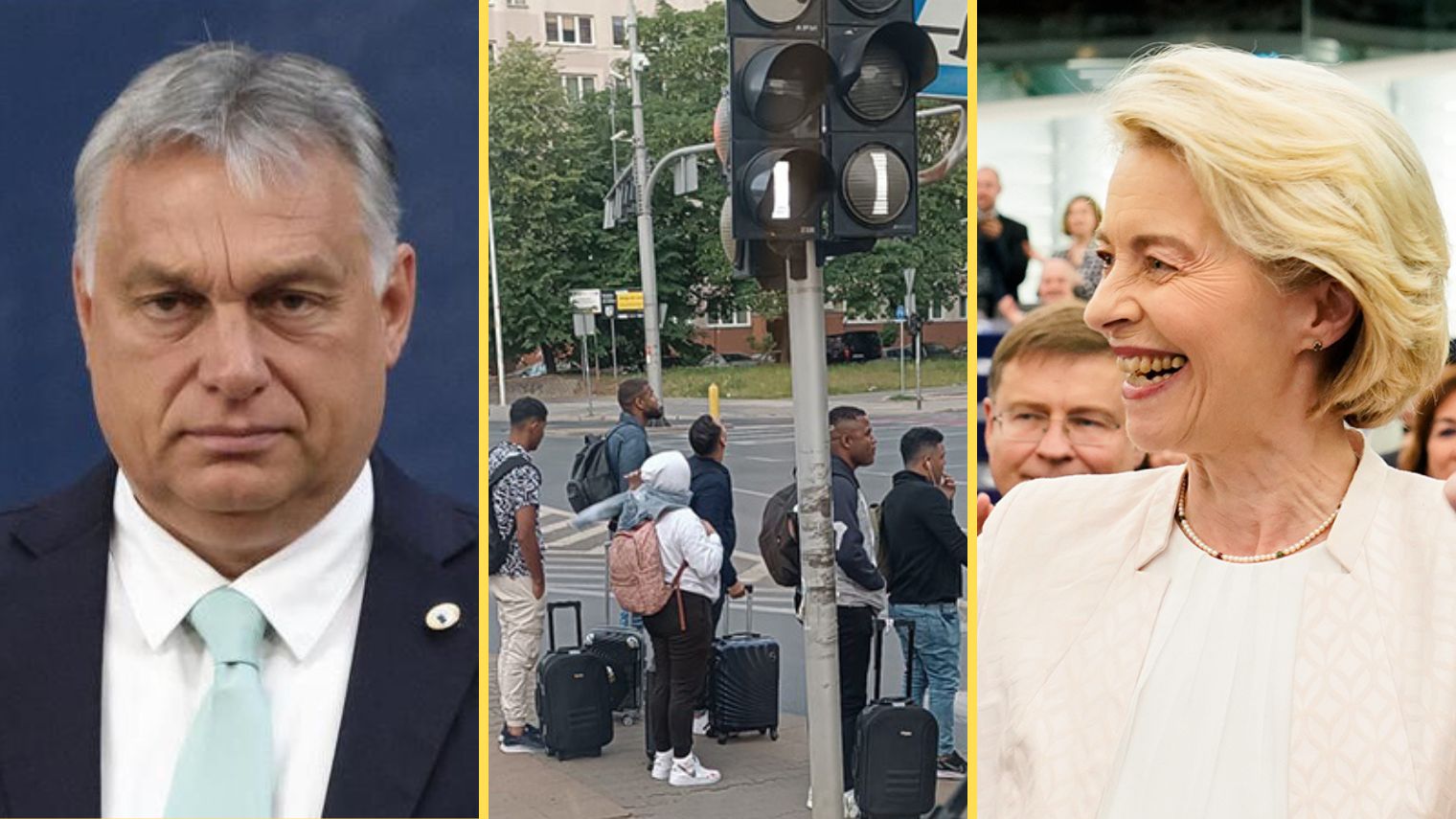
The correspondent’s phrasing omits relevant information about the conflict between Hungary and the EU this spring regarding support for Ukraine. In this context, Sveriges Radio, however, omits the fact that Orbán actually approved the massive support package—a loan of nearly 1,000 billion SEK—to Ukraine in December, but his stance changed during the spring after the oil flow via the Russian pipeline through Ukraine was halted.
For Hungary, which is highly dependent on this energy supply, the stoppage had direct economic consequences and poses ongoing risks to households and businesses in the country. Before the interruption, it accounted for about 86–92 percent of Hungary’s oil imports.
READ ALSO: Zelensky: Will Send Military Against Orbán if He Blocks the EU Grant
Orbán has himself clearly stated that the decision to block the comprehensive support package worth nearly 1,000 billion SEK to Ukraine is closely linked to this development, and that Hungary is not prepared to give its approval until energy flows are restored or alternative solutions are in place. He has emphasized that Hungary will not accept outside parties interfering in its sovereign interests.
In that light, Orbán’s actions are not merely political obstructionism as depicted by Sveriges Radio and other establishment media—but also an expression of national interests connected to energy security and economic stability.
READ ALSO: Centre Party Politician Henrik Dresses as Woman: We Must Hold the Line Against Poland and Hungary
What is described as “holding back” in this context can just as easily be interpreted as exerting national influence within the EU decision-making process. After all, the EU is a union of sovereign member states, where unanimity in certain issues requires every country’s voice to be heard.
When Hungary opposes certain decisions—for example regarding sanctions, extensive support for non-EU countries, or Brussels’ migration policy—it is not necessarily a deviation from democracy, but rather a part of it, where the will of the Hungarian people is expressed.
It should be noted at the same time that Orbán’s policies have significant support within Hungary and have had so for the last four elections, despite repeated criticism from the EU and international media. Reducing his role to merely a disruptive element in European cooperation risks overlooking the democratic dimension of his mandate in Hungary.
Pro-EU Opposition Portrayed as Saviors
But the supposedly impartial reporting by the taxpayer-funded public service broadcaster does not end there. SR correspondent Milan Djelevic portrays Orbán’s pro-EU challenger Péter Magyar as a kind of hero set to restore democracy, with promises to eradicate corruption and improve schools and healthcare.
READ ALSO: Moderates’ Election Interference in Hungary: “Corrupt Trojan Horse for Putin”
– Magyar mainly focuses on domestic policy. It’s mostly about reforms, fighting corruption, and he has stuck to that. Schools, healthcare, jobs—making life easier and better for Hungarians, and he also wants to restore relations with the EU, he says, and continues:
– There are billions of euros for Hungary to claim here, which the EU has withheld, but which could be paid out if the country’s policies change. What the EU wants is for Hungary to live up to the rule of law’s principles, an independent judiciary, a free press, and other democratic values that member states are required to uphold.
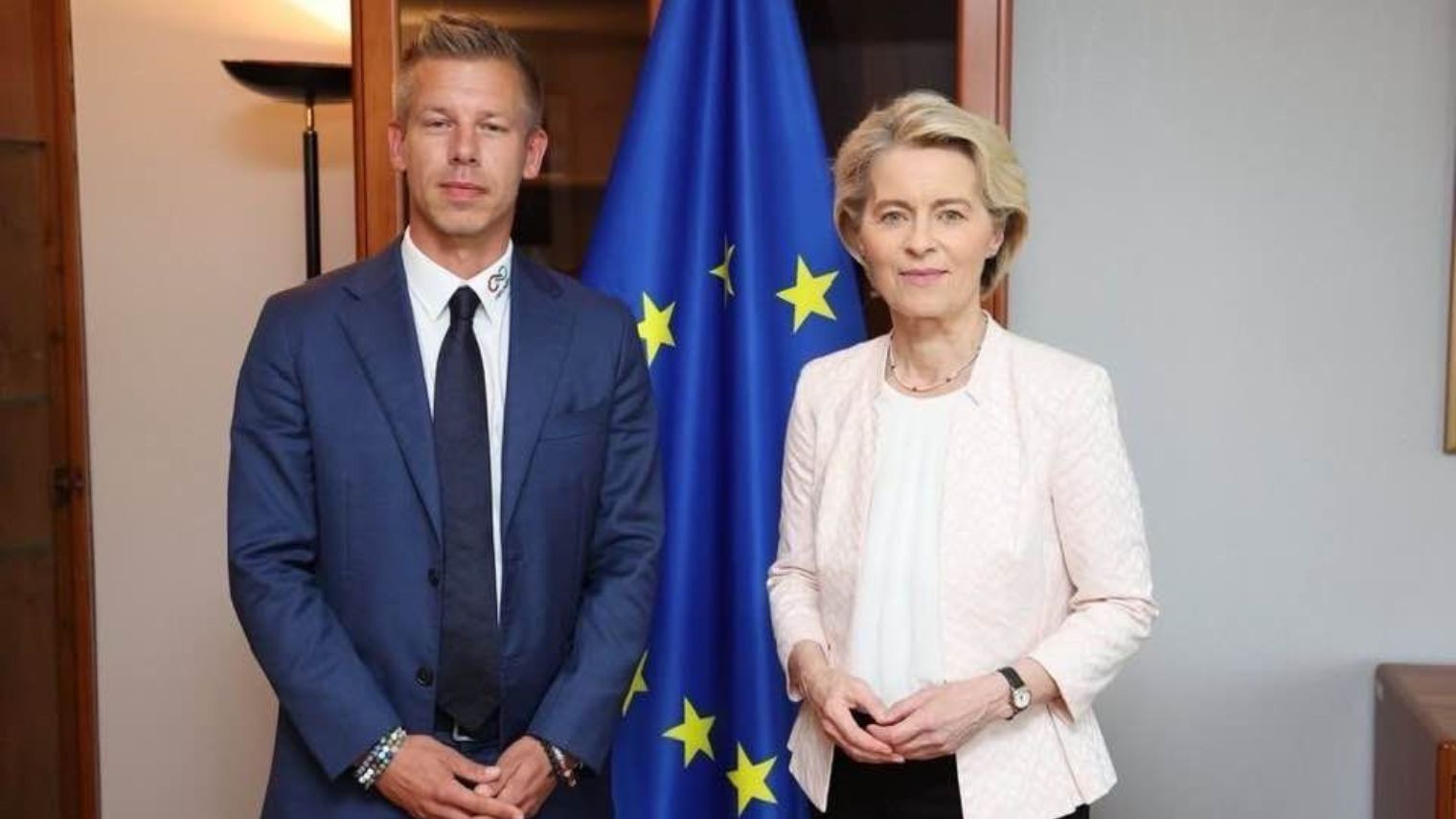
At the same time, there is no corresponding description of Orbán’s political platform and domestic policy, which in the coverage is mainly reduced to being described as a threat to democracy and a brake within the EU. Taken together, this creates an imbalance in the narrative, where the Swedish public does not receive as nuanced and comprehensive a picture of the different political options.
Furthermore, Sweden Radio’s correspondent suggests that Hungary’s strong diplomatic and trade relations with Russia are intended to simply use Orbán to “create division in the West.” What is often omitted, however, is that Hungary has, since the 1960s, bought Soviet and Russian oil at favorable prices and built up its energy infrastructure around this dependency. The country lacks proper coastal routes and can therefore only rely on the pipeline to secure needed deliveries.