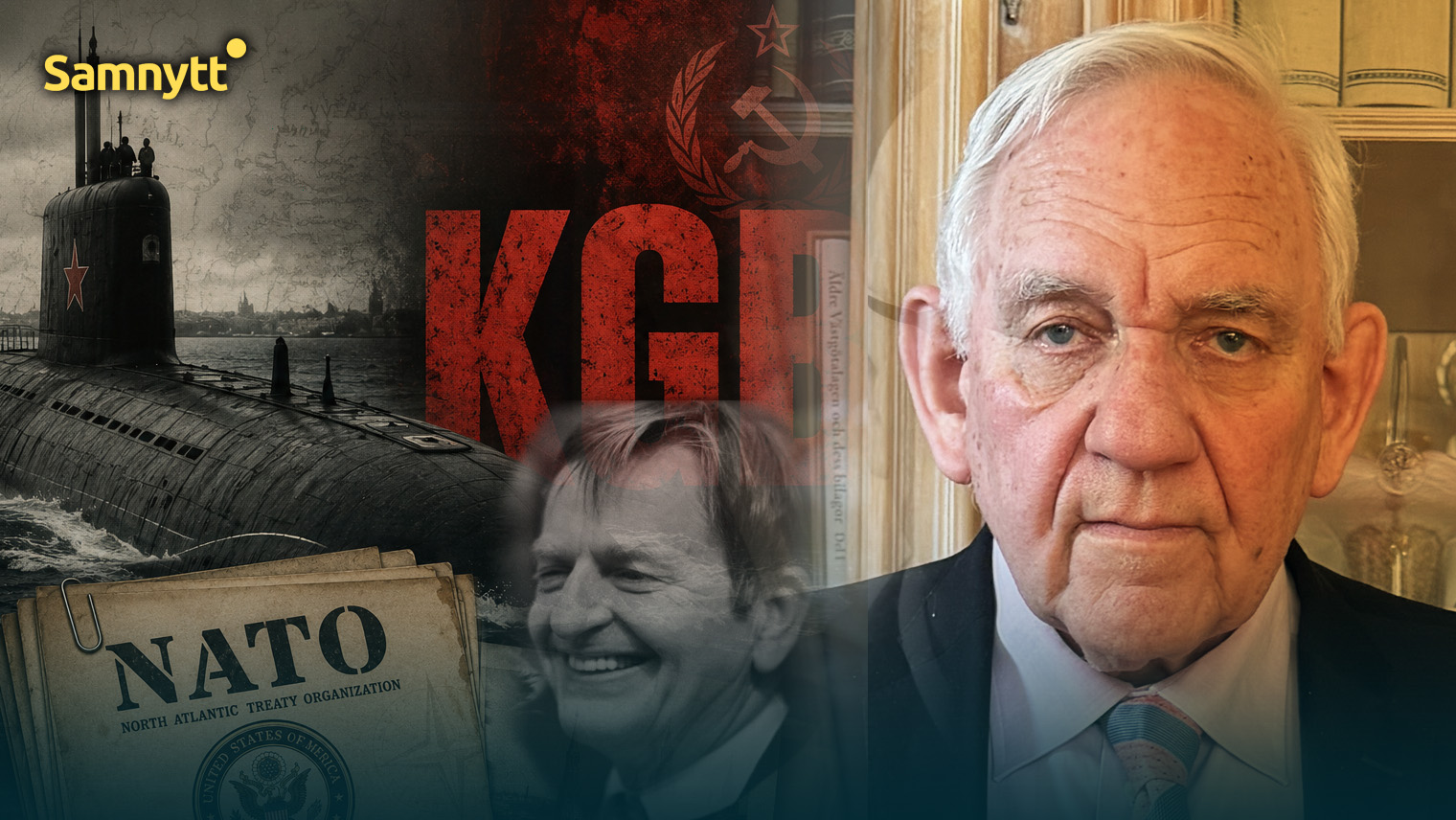
KGB agents, influence operations, peace movements, and secret NATO contacts. Professor of international law Bo Theutenberg spent decades in the innermost circles of the Swedish foreign service and claims today that Sweden was subjected to extensive Soviet infiltration that affected the media, authorities, and politics. In a long interview, he talks about the Mitrokhin Archive, Olof Palme, the IB affair, and why he believes many still have not understood what really happened during the Cold War.
Theutenberg repeatedly returns to a theme that he says characterized large parts of his professional life—infiltration. According to him, a state does not necessarily need to be conquered with tanks and soldiers.
– There are two ways to conquer a country. One is militarily and the other is through infiltration.
He describes how, during his years in the foreign service, he came to see influence as a central part of the great powers’ work.
Theutenberg believes that the Soviet Union for decades worked methodically to influence public opinion in the West. He describes how Moscow, according to him, used not only traditional spies but also built networks of people who could influence public debate, cultural life, the media, and politics.
READ ALSO: Interview with diplomat Bo Theutenberg: Islamism is changing Europe and “the UN is in practice dead”
The Mitrokhin Archive and KGB’s Networks
To support his arguments, Bo Theutenberg also refers to the so-called Mitrokhin Archive—an extensive KGB archive that became known after the fall of the Soviet Union.
The archive is based on material that former KGB archivist Vasili Mitrokhin secretly copied over many years before he defected to the West.
Theutenberg recounts that he himself, together with former IB employee Svante Winquist, studied parts of the material and found information about Soviet agents, influence operations, and contact networks in the Western world.
According to him, the documents confirmed much of what for a long time during the Cold War had been dismissed as rumors about Soviet influence on political movements, peace organizations, and opinion leaders in Europe. He also cites the archive as an important source in his own writing about the Swedish history of the Cold War.
– When I went through the Mitrokhin Archive together with a former IB agent, I found quite a lot of interesting evidence.
He believes the archive contains information about people who for a long time were suspected of working for Soviet interests.
– Many of the people rumored to be KGB-bought, I actually found evidence for in the archive, he tells Samnytt.
According to Theutenberg, the Soviet embassy in Stockholm functioned as a hub for extensive influence activities.
– The resident at the embassy, meaning the KGB chief, built up networks of people, especially young people.
READ ALSO: We Must Tell About This Too – Embracing the KGB
He believes the purpose was to influence opinion against NATO, Western defense cooperation, and U.S. influence.
– Everyone involved in any form of peace work was in practice under the resident’s influence.
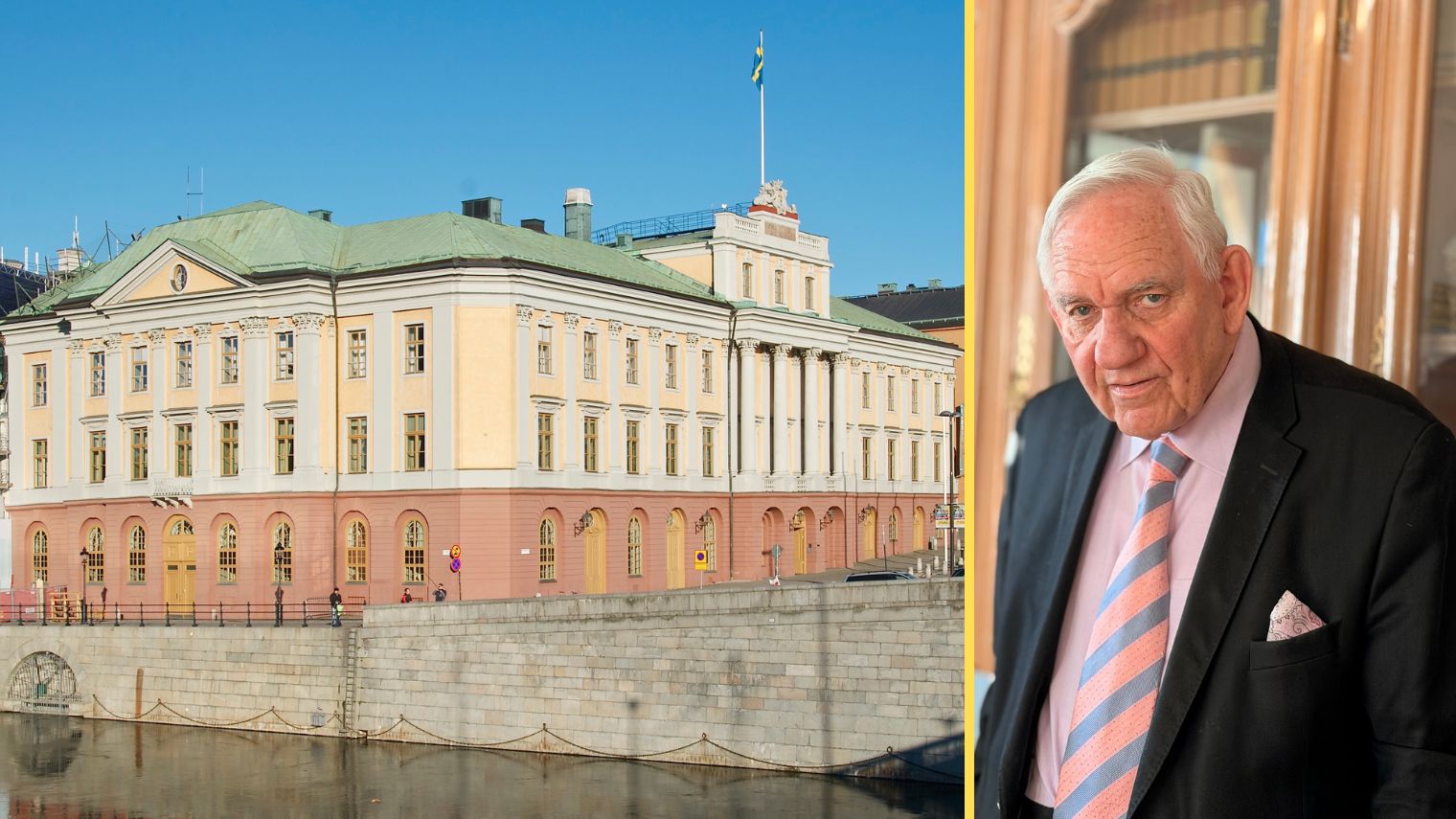
When the conversation moves on to the fall of the Berlin Wall, Bo Theutenberg maintains that the image of Mikhail Gorbachev differs depending on who you ask. In the West, he is often praised as the leader who contributed to the end of the Cold War and opened the way for the liberation of Eastern Europe.
But within the Soviet power apparatus, many saw him differently. According to Theutenberg, Gorbachev’s reforms were regarded by large sections of the military, KGB, and the Communist Party elite as a direct threat to the Soviet Union’s status as a superpower.
When the empire fell, Moscow lost control over Eastern Europe and the Baltic states, which according to him created dissatisfaction that later shaped the political environment from which Vladimir Putin emerged.
Theutenberg also claims that the image of Olof Palme in Moscow was much more complicated than has later been portrayed in Swedish historiography.
Originally, there was one large, radical labor movement, from the end of the 19th century. Then two factions formed and the party split happened in 1917, the same year as the Russian Revolution and Lenin goes over and seizes power. Then we got a right wing and a left wing. The right wing is today’s Social Democrats – and the left wing, that’s VPK, the Communists. Nooshi Dadgostar leads that side today.
Foreign Ministry official and professor of international law Bo Theutenberg
Despite his recurring criticism of the USA, Palme was, according to him, not regarded as a reliable friend of the Soviet Union.
On the contrary, Theutenberg believes the KGB viewed him as fundamentally pro-West, a politician who maintained Sweden’s close but secret ties to NATO and the USA.
In his interpretation, considerable dissatisfaction thus emerged within parts of the Soviet power structure, where Palme was seen more as a problem than an asset for Moscow, which he returns to later in the interview.
Jan Guillou, the IB Affair, and Lenin
A central event in modern Swedish history is the IB affair in 1973. IB, the Information Bureau, was a secret intelligence organization that mapped extremist groups and communist circles.
When the operation was exposed by journalists Jan Guillou and Peter Bratt, it became one of Sweden’s biggest political scandals. He believes that the operation must be understood against the background of Sweden’s secret cooperation with the Western powers.
You find agents, whom you gradually lock into certain jobs, positions, and reciprocal services—we can call them influence agents. You buy into or bribe your way into the press corps primarily.
Foreign Ministry official and professor of international law Bo Theutenberg
– Sweden needed American technology and therefore signed rules to prevent high technology from falling into the hands of communist countries.
Birger Elmér was the Swedish intelligence officer who built up and led the secret IB organization during the Cold War. The organization mapped, among other things, communists and others deemed security risks, and became nationally known when the IB affair was exposed in 1973.
The diplomat also returns to Jan Guillou during the interview.
– He was convicted of espionage and has himself admitted contacts with the KGB.
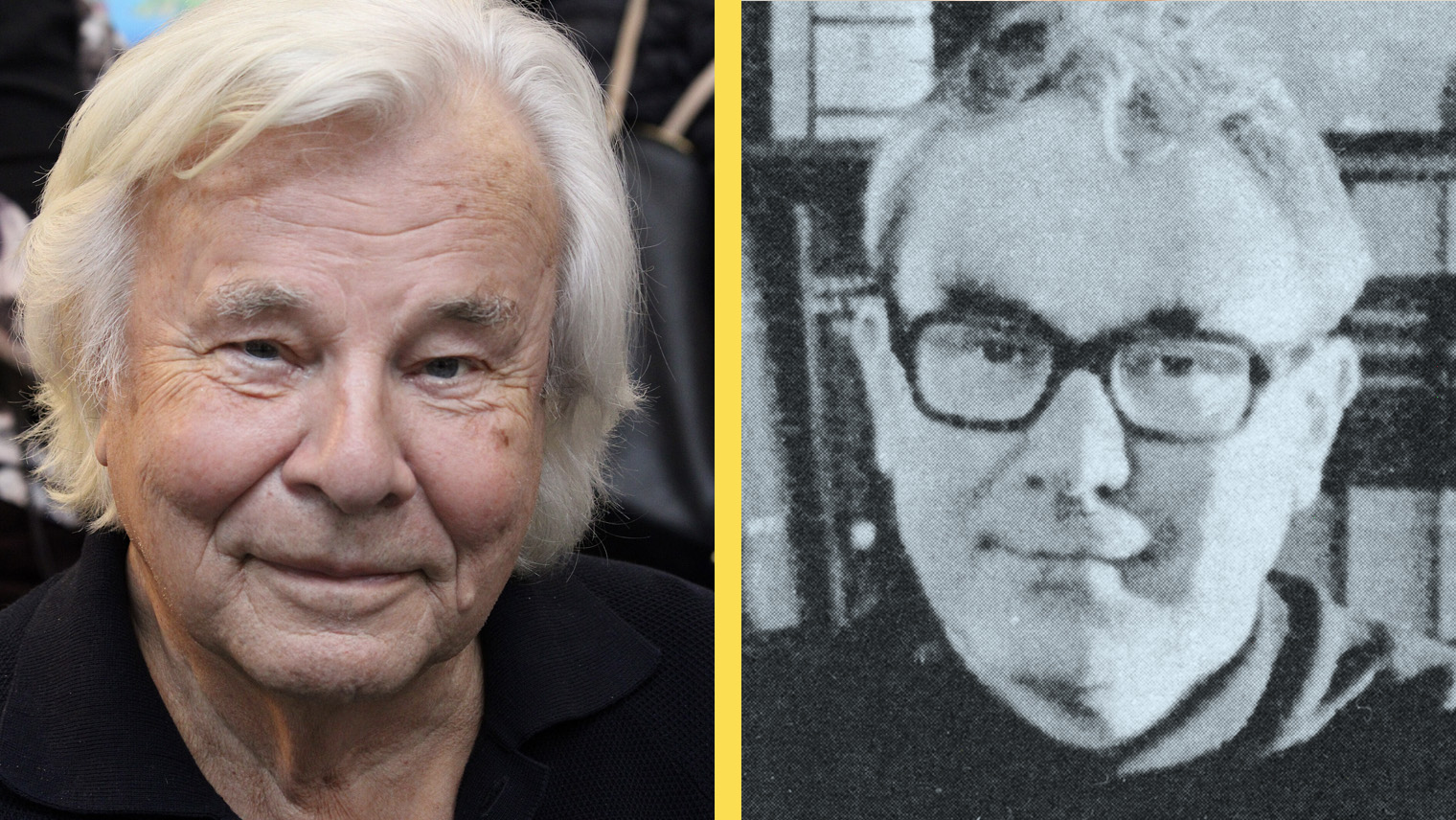
Theutenberg asserts that influence against Sweden did not primarily occur through traditional espionage but via long-term establishment of what he calls influence agents.
According to him, the strategy involves identifying people who over time can obtain influential positions within vital social institutions. He specifically points to the media as a central target for such influence.
– You find agents, whom you gradually lock into certain jobs, positions, and reciprocal services—we can call them influence agents. You buy into or bribe your way into the press corps primarily, he says.
123 083 33 50
Regarding the background to the IB affair, Theutenberg also touches on the so-called party split, when the left-socialist faction broke away from the Social Democrats and later became Sweden’s Communist Party, and then VPK.
Can you tell us more about this event and its origins?
– There are really two factors here: first are these conquest doctrines, primarily from the Marxist-Leninist background. Sweden had an early close relationship with Lenin. He continues:
– Lenin passed through Sweden and Stockholm in a sealed railway car and was released here. There is a classic photo of Lenin when he was buying clothes at the PUB department store. He was greeted here by left-wing radicals in the Social Democratic Party. The diplomat continues:
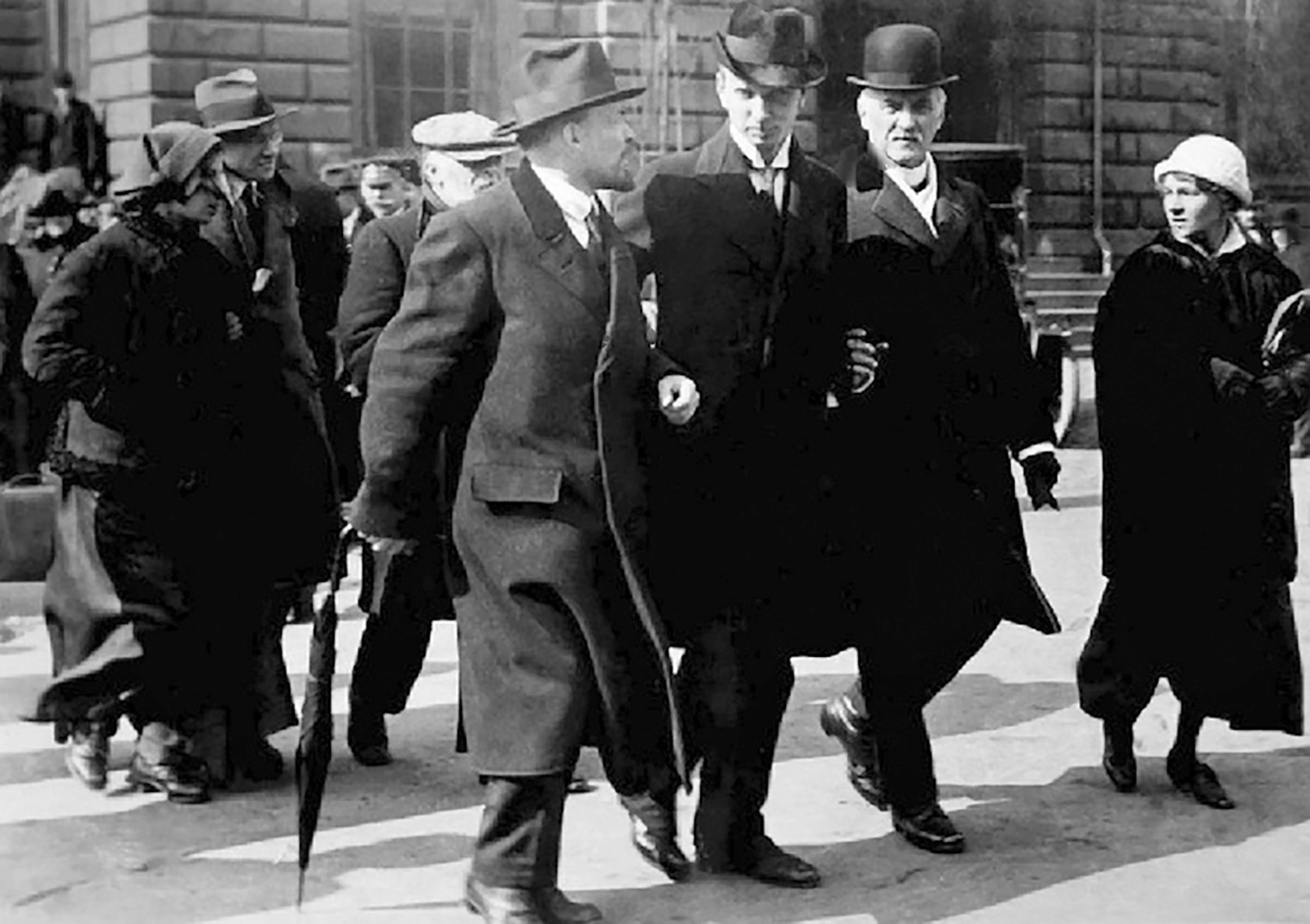
– Originally, it was one big radical labor movement, from the end of the 19th century. Then two factions formed and the party split happened in 1917, the same year as the Russian Revolution and Lenin goes over and seizes power. He elaborates:
– Then we got a right wing and a left wing. The right wing is today’s Social Democrats – and the left wing, that’s VPK, the Communists. Nooshi Dadgostar leads that side today.
What can we say about today’s relationship between these two parts of the former labor movement?
– The appalling thing is that if now, in a future government formation, Magdalena Andersson as representative for the Social Democrats and Nooshi Dadgostar as representative for the old radical left join in one government, then the old split from 1917 has ceased. He continues:
– And then we would have communists in government, for the first time.
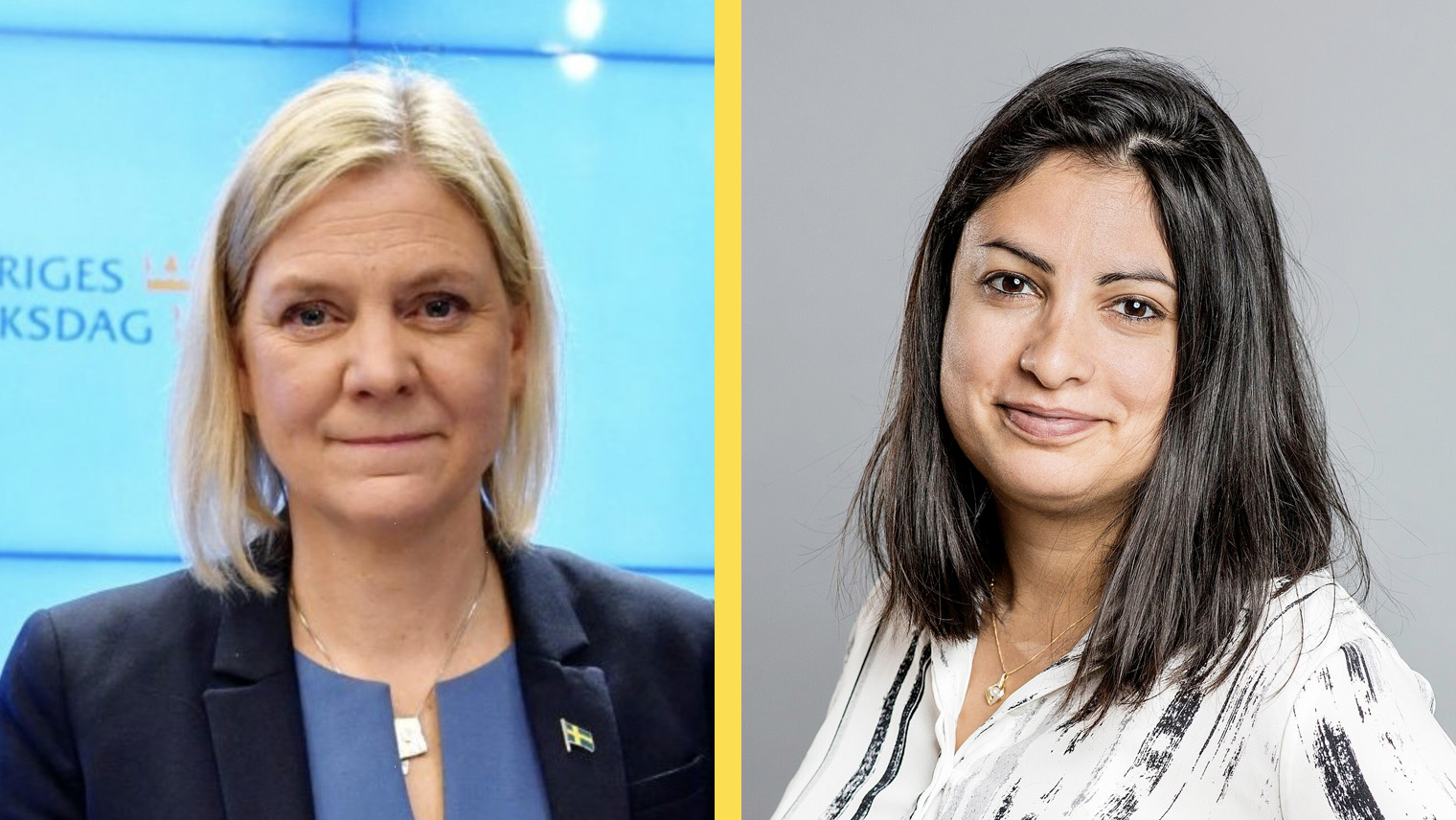
Has Magdalena Andersson opened up for that, as you see it?
– Yes. The outlook is not very bright. And if we get a left-wing government this time, it’s back to infiltration.
Sweden Was a Secret NATO Ally
One of Theutenberg’s most far-reaching conclusions concerns Sweden’s relationship with NATO. According to him, the neutrality policy was, to a large extent, a public facade. Behind the scenes, extensive cooperation with the USA and NATO was underway.
Yes, then we would have stood defenseless. According to the pact established between Finland and the Soviet Union after World War II, Stalin could actually have sent Russian troops to Åland and Norrbotten. We could basically have had Russian troops directly at our borders.
Foreign Ministry official and professor of international law Bo Theutenberg
– As early as the 1950s, cooperation with the Americans was established.
Theutenberg states this cooperation was crucial to Sweden’s security throughout the Cold War. He particularly highlights President John F. Kennedy’s so-called nuclear weapons doctrine.
– From Kennedy’s time, there is the unilateral declaration that Sweden was under the American nuclear shield.
According to him, this was the real security guarantee behind Swedish neutrality.
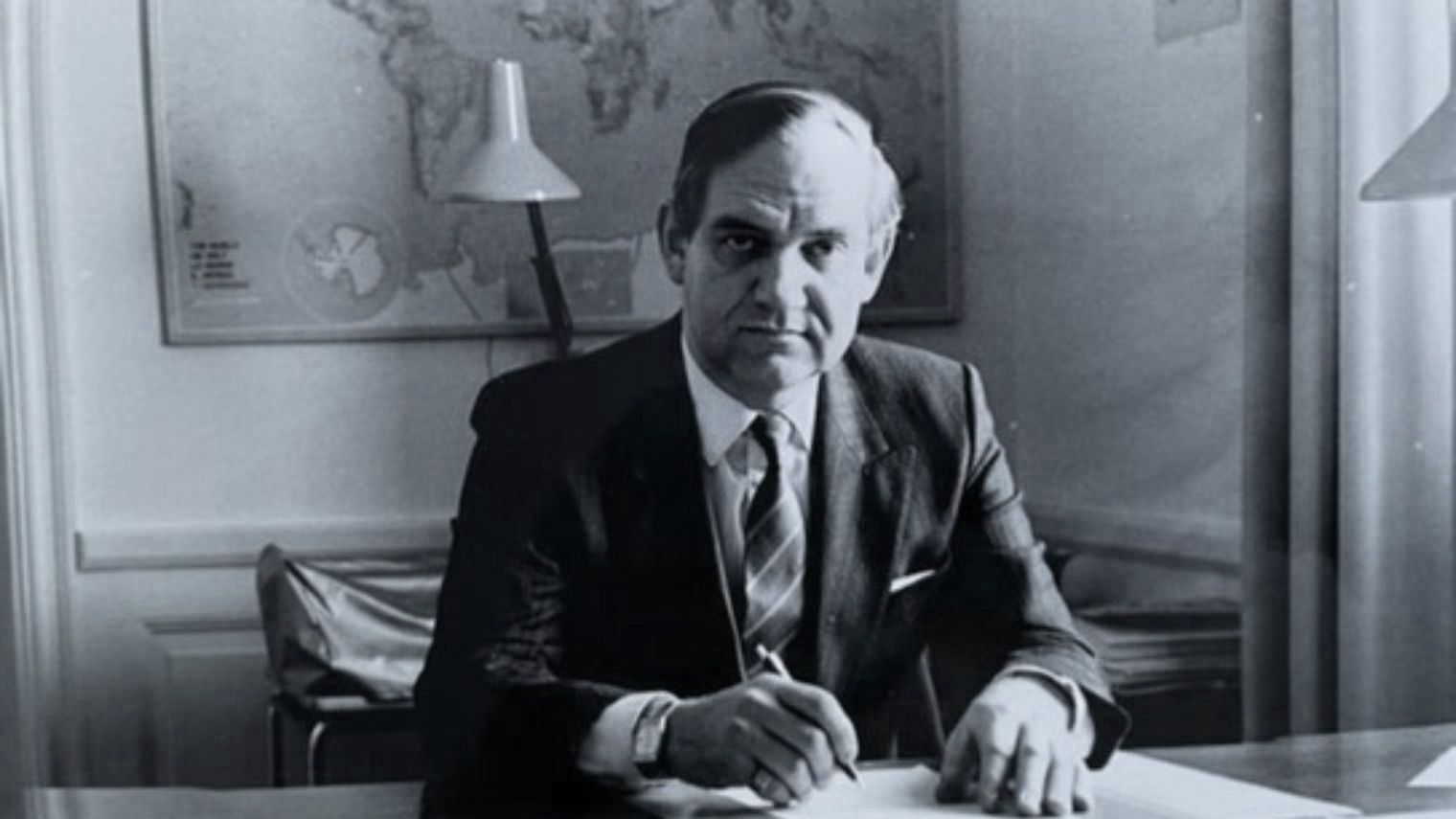
– That was what protected us during most of the Cold War. I have always realized that we would never have managed without NATO.
But it was a hidden involvement?
– Yes, it was hidden. But we had it thanks to Tage Erlander and his secret dealings, with President Truman and to some extent with Palme as insider.
And the Russians knew about this?
– Yes, they knew. The master spy Wennerström, or ‘The Eagle’ as he was called in KGB jargon, had of course told the Russians. Everything that happened in Sweden must be seen in connection with what he did. He was sentenced to life imprisonment in 1964.
If we hadn’t had this secret arrangement with the USA and NATO…?
– Yes, then we would have stood defenseless. According to the postwar pact between Finland and the Soviet Union, Stalin could actually have sent Russian troops to Åland and Norrbotten. He continues:
– We could basically have had Russian troops right next to our borders.
According to Theutenberg, Sweden should have joined NATO already in the late 1940s. He argues the country could never have defended itself alone against the Soviet Union and that the official neutrality policy hid a close collaboration with the USA and NATO.
He says Sweden was considered a key player in Western defense planning by both Eisenhower and Kennedy, not least because of its geographic location and its importance for intelligence gathering against the Soviet Union.
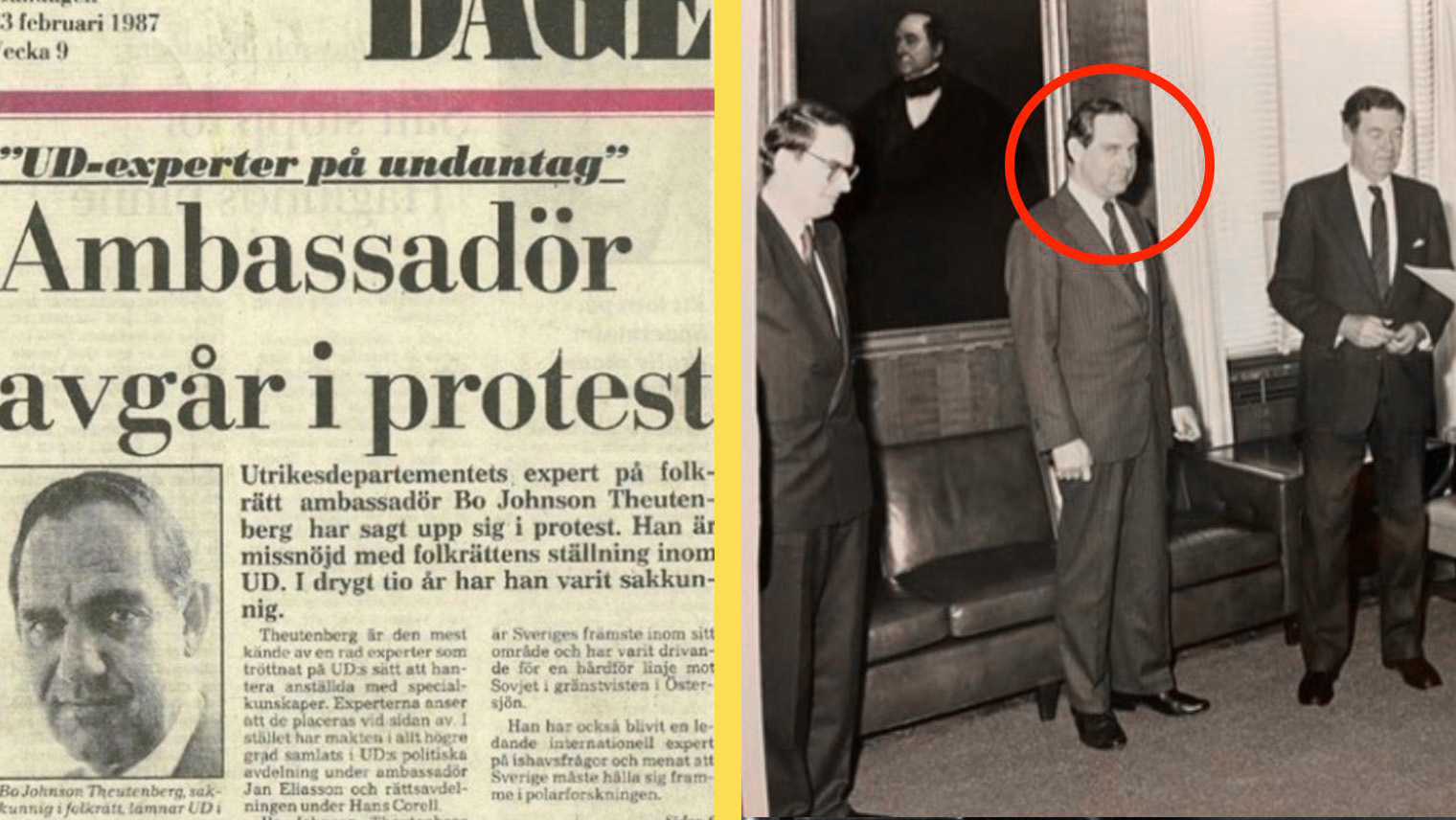
If Sweden had joined NATO from the beginning, he argues, the uncertainty surrounding the country’s security policy status would have been significantly reduced during the entire Cold War.
The submarine question reappears several times during the conversation. Bo Theutenberg recounts that during the 1970s and 80s, he had a unique position, alternating between the Foreign Ministry and the Defence Staff.
According to his own account, this gave him insight into both diplomatic and military assessments during the high-profile submarine incidents. He says the Soviet intrusions into Swedish waters were real and that for a long time, there was much stronger evidence than later came out in public debate.
They wanted at any cost to disarm, especially nuclear weapons. But it was the Western nuclear weapons that were to be disarmed. The nuclear weapons that, among others, protected Sweden would be gone. But the Russians would then be able to keep their nuclear weapons, on the Kola Peninsula or behind the Ural Mountains. The Swedish politicians at this point were prepared to sentence us to doom.
Foreign Ministry official and professor of international law Bo Theutenberg
He especially highlights the events at Hårsfjärden in 1982. According to Theutenberg, technical evidence pointed to Soviet presence, including interception material analyzed with the help of French experts.
He states that several key people in the Swedish leadership were convinced the Soviet Union was behind the incursions and sees the submarine violations as part of the broader Soviet influence and intelligence work he claims targeted Sweden during the Cold War.
Olof Palme – Double-Dealer or Strategist?
When the conversation turns to Olof Palme, the picture is much more complex than that often presented in public debate. Theutenberg argues that the image of Olof Palme as strictly anti-American and neutralist is misleading.
According to him, Palme ran a dual track, publicly criticizing the USA, the Vietnam War, and the Western powers, while behind the scenes ensuring that Sweden’s military and intelligence contacts with the USA and NATO remained intact.
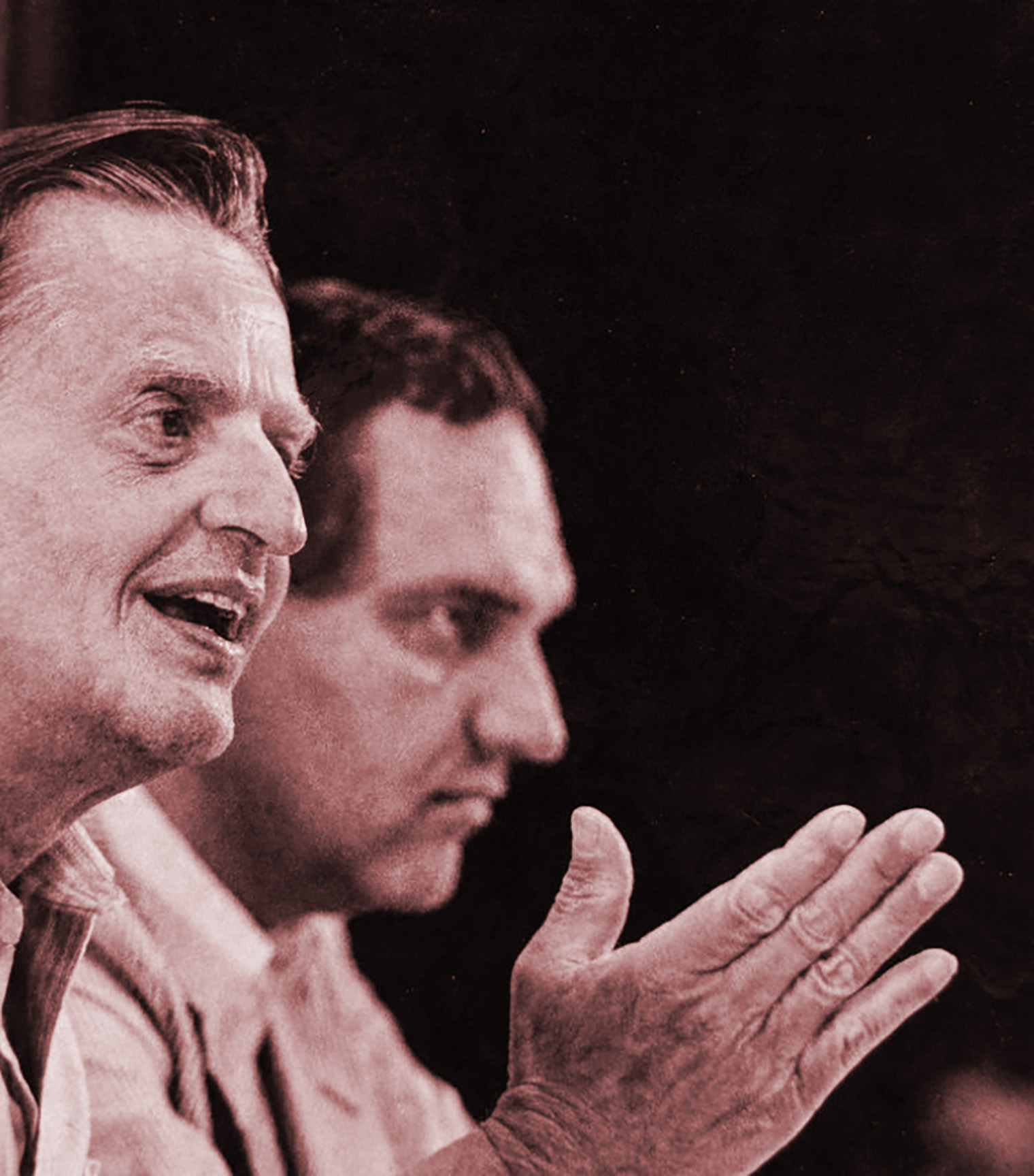
He claims Palmes gave clear instructions to commanders that military channels to the West must, under no circumstances, be disturbed by public rhetoric.
The result, according to Theutenberg, was that Sweden, even under Palme, in practice lay under the U.S. security and nuclear umbrella, while outwardly maintaining an image of strict non-alignment.
– While he criticized the USA, he ensured that military channels to NATO remained open.
He believes this creates a completely different image of the former prime minister. Theutenberg has himself written the book Palme Reassessed? where he discusses this question.
– You could say he was really a Western agent or an Eastern agent. In any case, he certainly played both sides.
“The Left Clique Took Over the Foreign Ministry”
Another recurring criticism Theutenberg directs at the development within the Foreign Ministry from the early 1970s.
He claims a new generation of diplomats fundamentally altered the agency.
– We hadn’t had this kind of political infiltration before, but we got it with the left clique from the early 1970s.
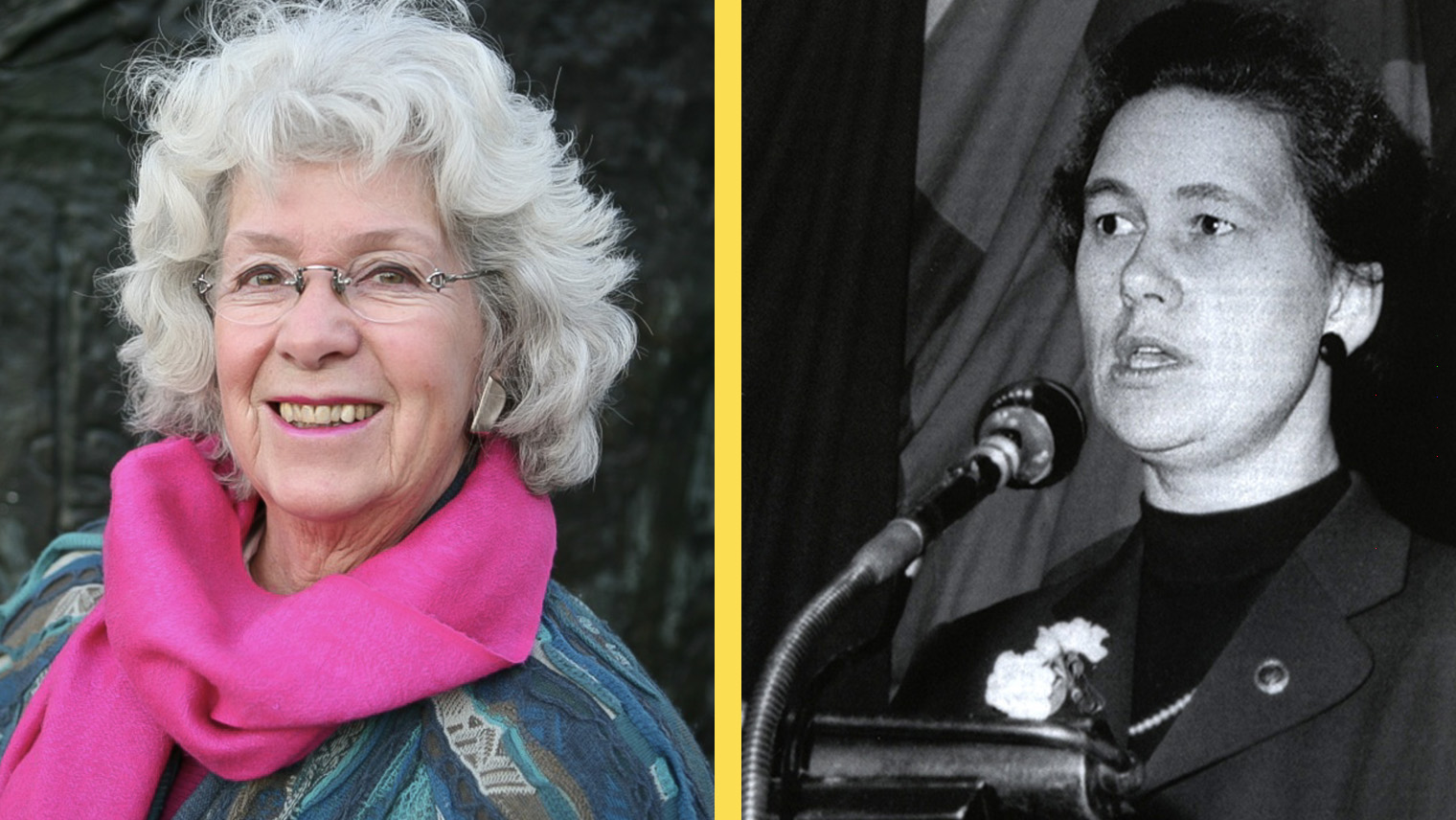
He names several diplomats, “the disarmers in the Foreign Ministry,” who, according to him, came to dominate foreign policy for a long time, including Pierre Schori and what he calls “the disarmament ladies” and the women’s movement, with Inga Thorsson, Maj Britt Theorin, and others.
In what way did these people affect Sweden and its balance?
– They wanted at any cost to disarm, especially nuclear weapons. But it was the Western nuclear weapons that were to be disarmed. The nuclear weapons that, among others, protected Sweden would be gone. He goes on:
– But the Russians then could keep their nuclear weapons, on the Kola Peninsula or behind the Ural Mountains. The Swedish politicians at this point were prepared to sentence us to doom. Theutenberg continues:
– What I did as an independent legal expert was that I constantly blocked the formation of nuclear-weapon-free zones, since I knew this initiative came via the KGB.
People think all this is over. It’s not. You have to understand how it worked. Otherwise you won’t understand what’s happening today either.
Foreign Ministry official and professor of international law Bo Theutenberg
Theutenberg even describes what he calls an attempted coup within the Foreign Ministry in 1973. According to him, tensions grew so great that several senior officials reacted strongly.
– It went so far that Sverker Åström, in my view, had to speak out.
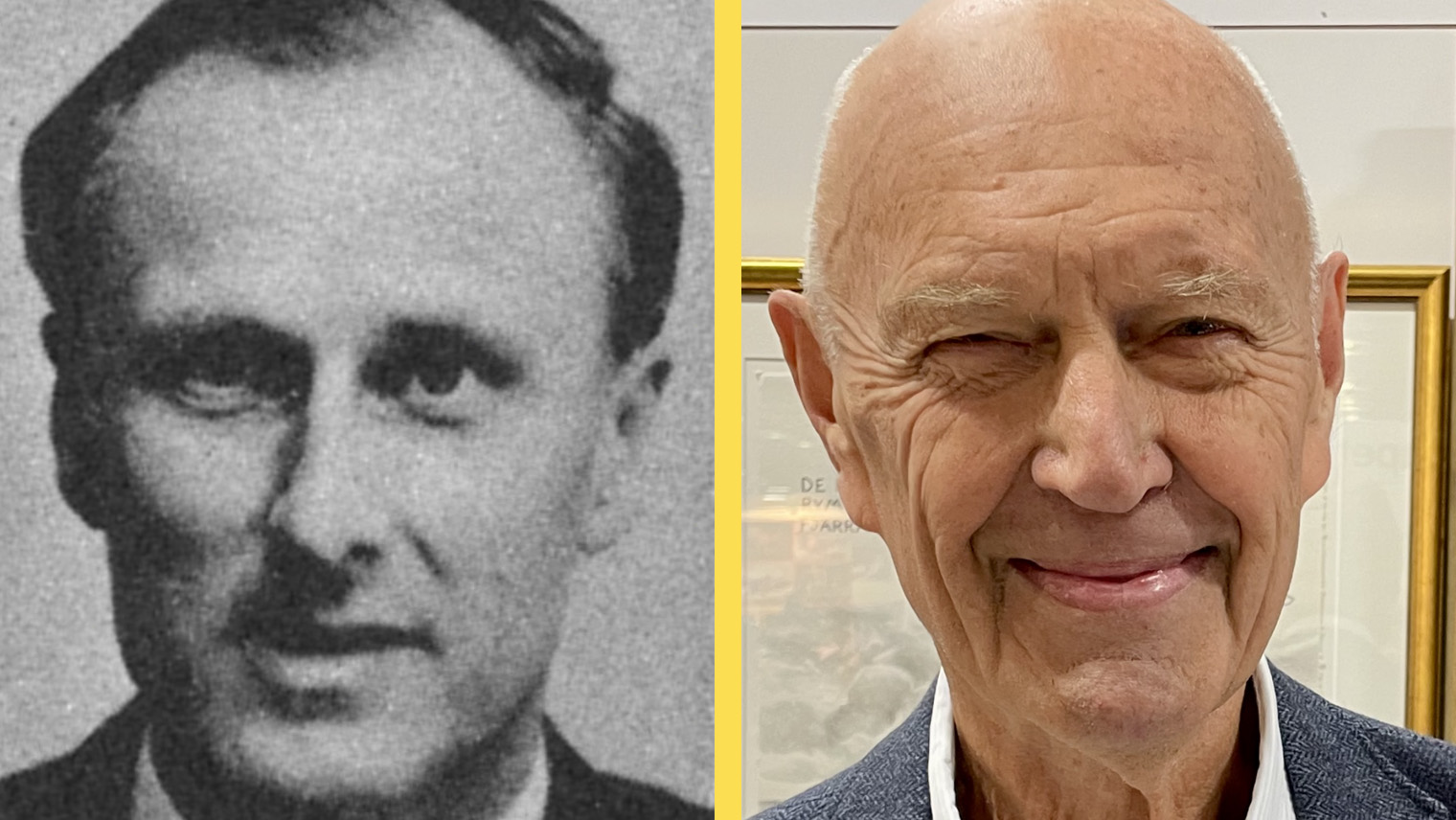
Sverker Åström was one of Sweden’s most influential diplomats after the war. He served, among other positions, as State Secretary, UN ambassador, and ambassador in Paris.
For decades, he was close to the center of Swedish foreign policy power and played a major role in shaping Sweden’s neutrality and security policy during the Cold War.
In Bo Theutenberg’s account, Åström emerges as a central power figure within the Foreign Ministry, but also as a person who ended up in the middle of internal struggles over the growing influence of left-wing groups within Swedish foreign policy administration during the 1970s.
Pierre Schori belonged for decades to the most left-oriented wing of the Social Democratic foreign policy elite. As a close associate of Olof Palme, he became a powerful advocate for revolutionary movements in Africa, Asia, and Latin America and was closely associated with Sweden’s substantial support for various liberation movements during the Cold War.
For his critics, including Theutenberg, Schori came to symbolize a foreign policy that often showed more understanding for socialist revolutions than for Western security interests.
History That Still Shapes Sweden
For Bo Theutenberg, the Cold War is not just history. He believes many of the conflicts that define present-day Sweden ultimately involve the same issues that dominated the second half of the 20th century—sovereignty, ideology, influence, and superpower interests.
– People think all this is over. It’s not.
He contends that understanding today’s political conflicts requires knowledge of the structures built during the Cold War.
– You have to understand how it worked. Otherwise you won’t understand what’s happening today either.
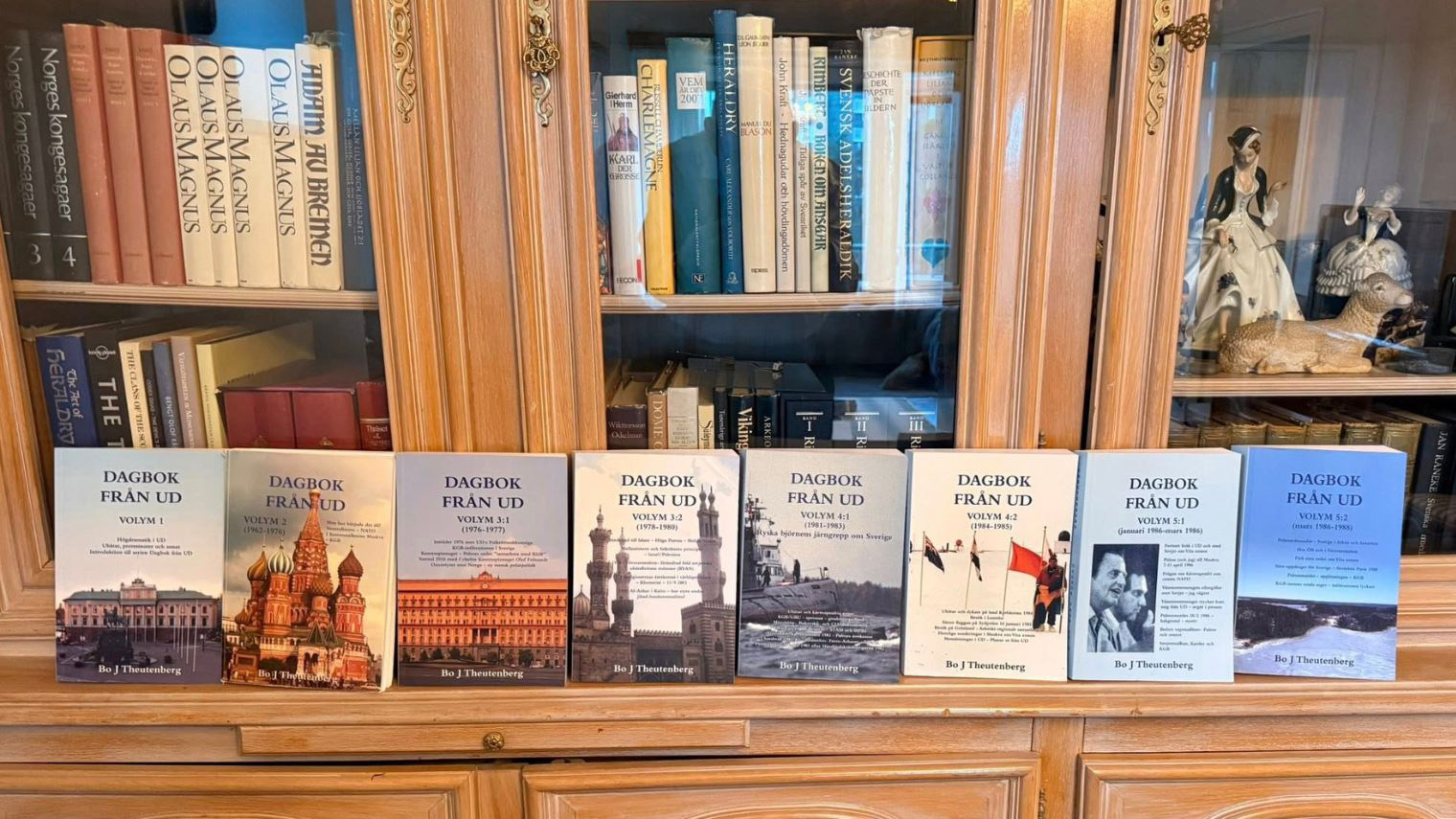
Many of these experiences, documents, and analyses Theutenberg has gathered in the extensive book series Dagbok från UD, in which he chronicles decades of Swedish foreign policy, intelligence work, and international power games from a perspective few others have had access to.
READ ALSO: Interview with diplomat Bo Theutenberg: Islamism is changing Europe and “the UN is in practice dead”
123 083 33 50