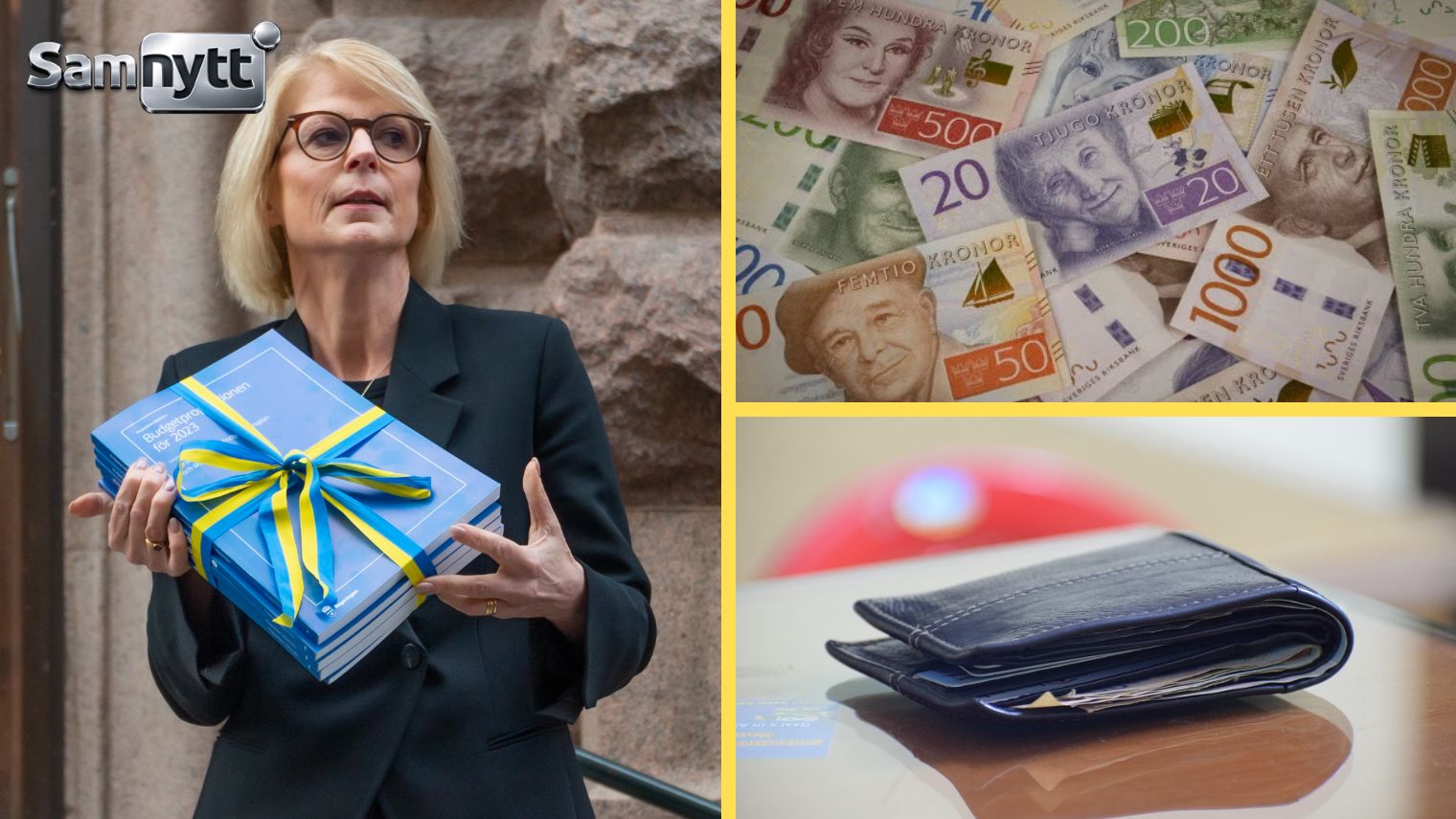
With only half a year left until the election, many are starting to look back and reflect on what the Tidö government has accomplished during its almost four years in power. In addition to a long series of tightenings on immigration, it has also implemented several economic reforms that have given large parts of the population more money in their pockets.
With Elisabeth Svantesson (Moderate Party) as finance minister, the earned income tax credit has been reinforced three times, and the VAT on food was recently halved. Tax on ISK savings for amounts up to 300,000 kronor has been abolished, and the basic deduction for pensions has been raised.
Households have also received higher housing allowances, reduced preschool fees, lower taxes on fuel, and a new electricity subsidy is coming this summer.
READ ALSO: Tidö government halves food VAT – introduces food price commission
Other measures implemented include the removal of the interest deduction for unsecured loans and an increased unemployment benefit ceiling, although the compensation now phases out more quickly.
Several Thousand More
Madelén Falkenhäll, financial health economist at Swedbank, points to the three earned income tax credits as the biggest contributors to household wallets. This is partly due to the income threshold for state income tax being raised and the phasing out of the earned income tax credit for higher incomes being removed.
Her calculations show that a nurse has received 2,700 kronor more in their pocket since 2022, while a private sector employee has gotten about 8,000 kronor more per month.
At the same time, the costs of many other things are rising, especially in 2022 and 2023 with high food and energy prices and housing costs, which means the money from the reduced income tax still disappears. Only now are households beginning to catch up, according to Swedbank.

A New Wallet Election
According to Stefan Westerberg, private economist at Länsförsäkringar, an average Swedish family now has the same purchasing power as in 2021, before inflation and interest rates began to rise.
– We have gone back to square one, but you can also turn it around and say that we have lost four years of purchasing power, he says to SvD.
He believes that almost everyone has benefited from the government’s budgets, just to varying degrees. At the same time, there is a group that has had a tougher time – the unemployed. Westerberg predicts that we are heading towards what he calls a new wallet election.
READ ALSO: Tidö government lowers fuel taxes and strengthens electricity support