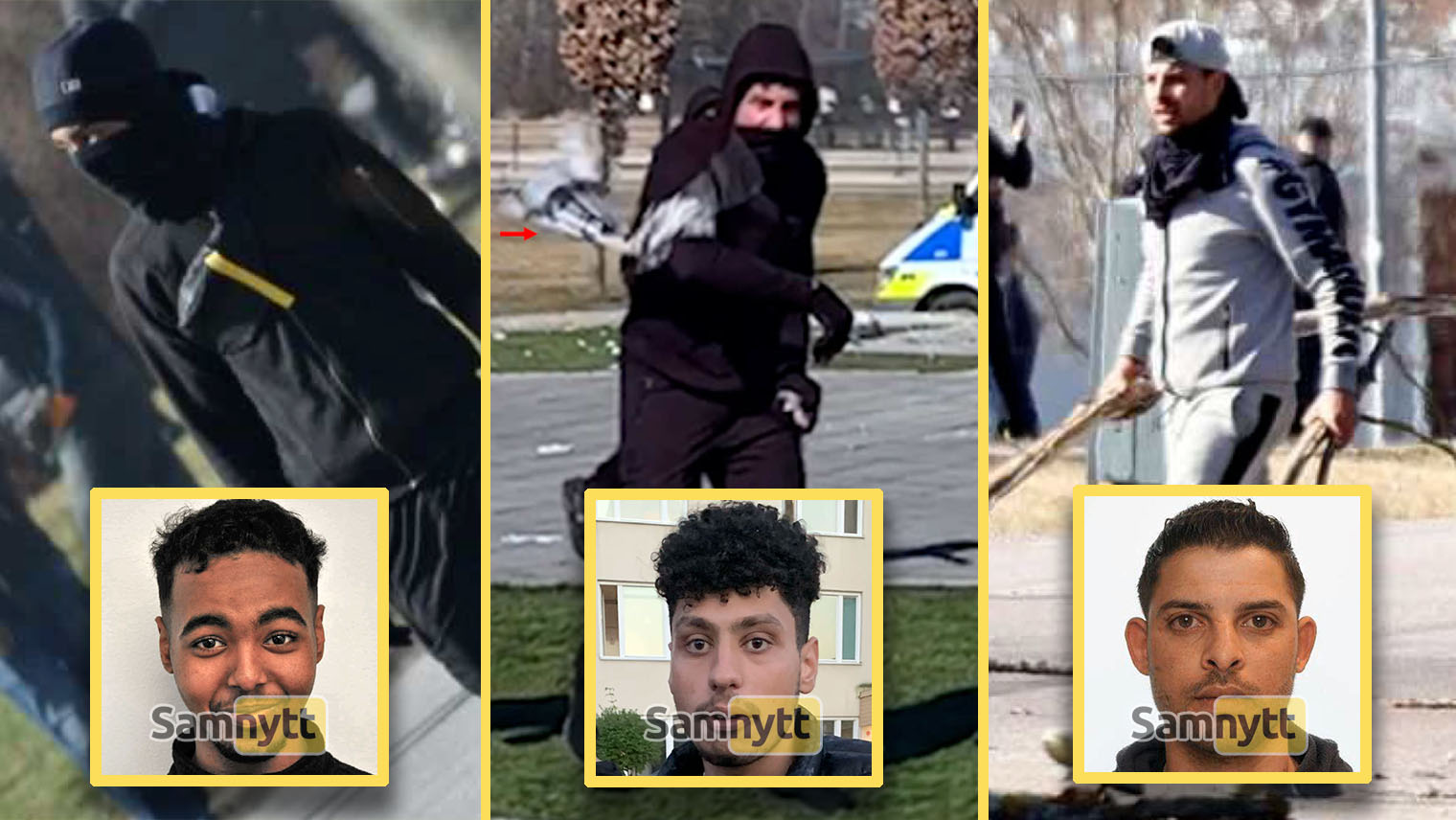
Nearly four years after the violent Quran riots during Easter 2022, the legal proceedings continue. Three more men have now been indicted for aggravated sabotage against emergency services following the riots in Navestad, Norrköping—events that were part of the nationwide unrest that shook Sweden, injured hundreds of police officers, and ruined the Easter holiday for many Swedes.
Easter 2022 was marked by widespread violence in connection with Danish-Swedish Islam critic Rasmus Paludan’s planned Quran burnings at several locations in the country. Multiple Swedish cities were affected, including Linköping, Örebro, Rinkeby, Malmö, and Landskrona.
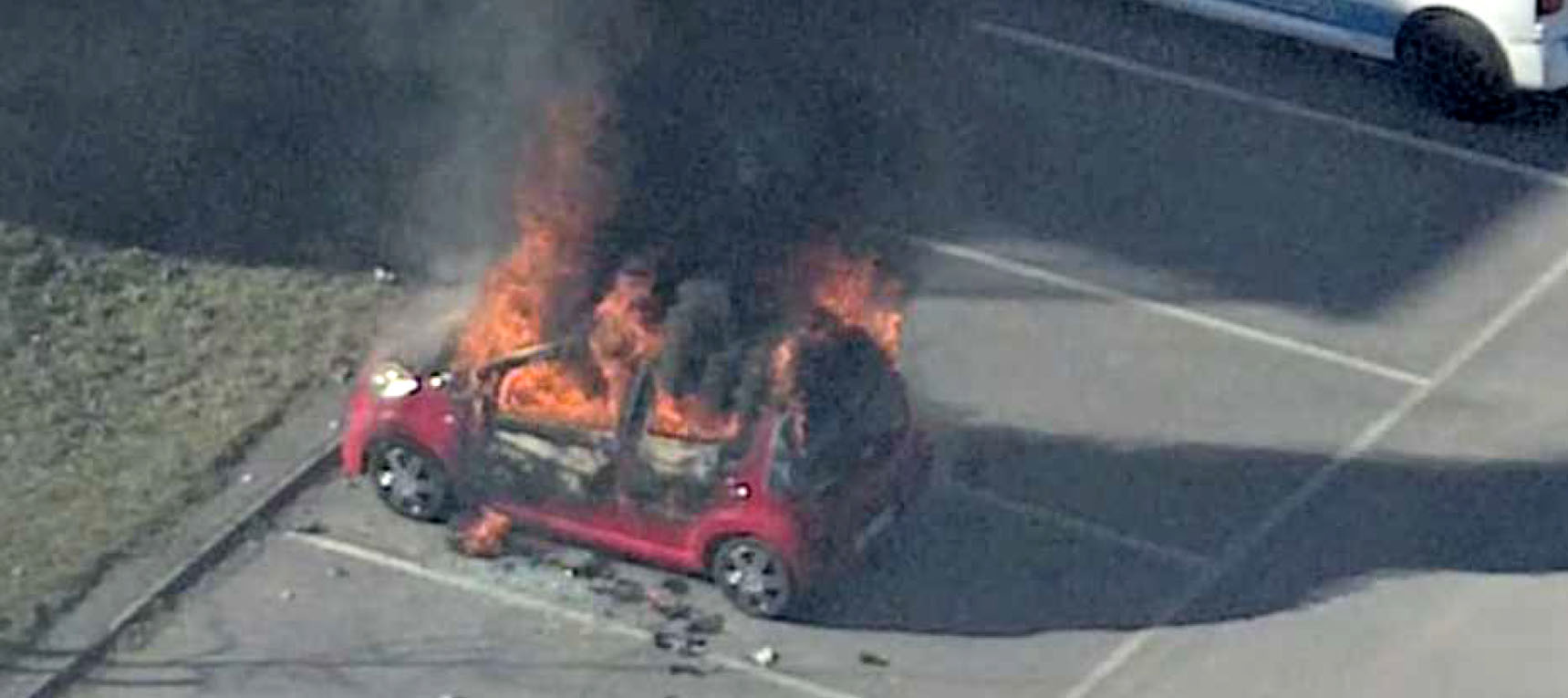
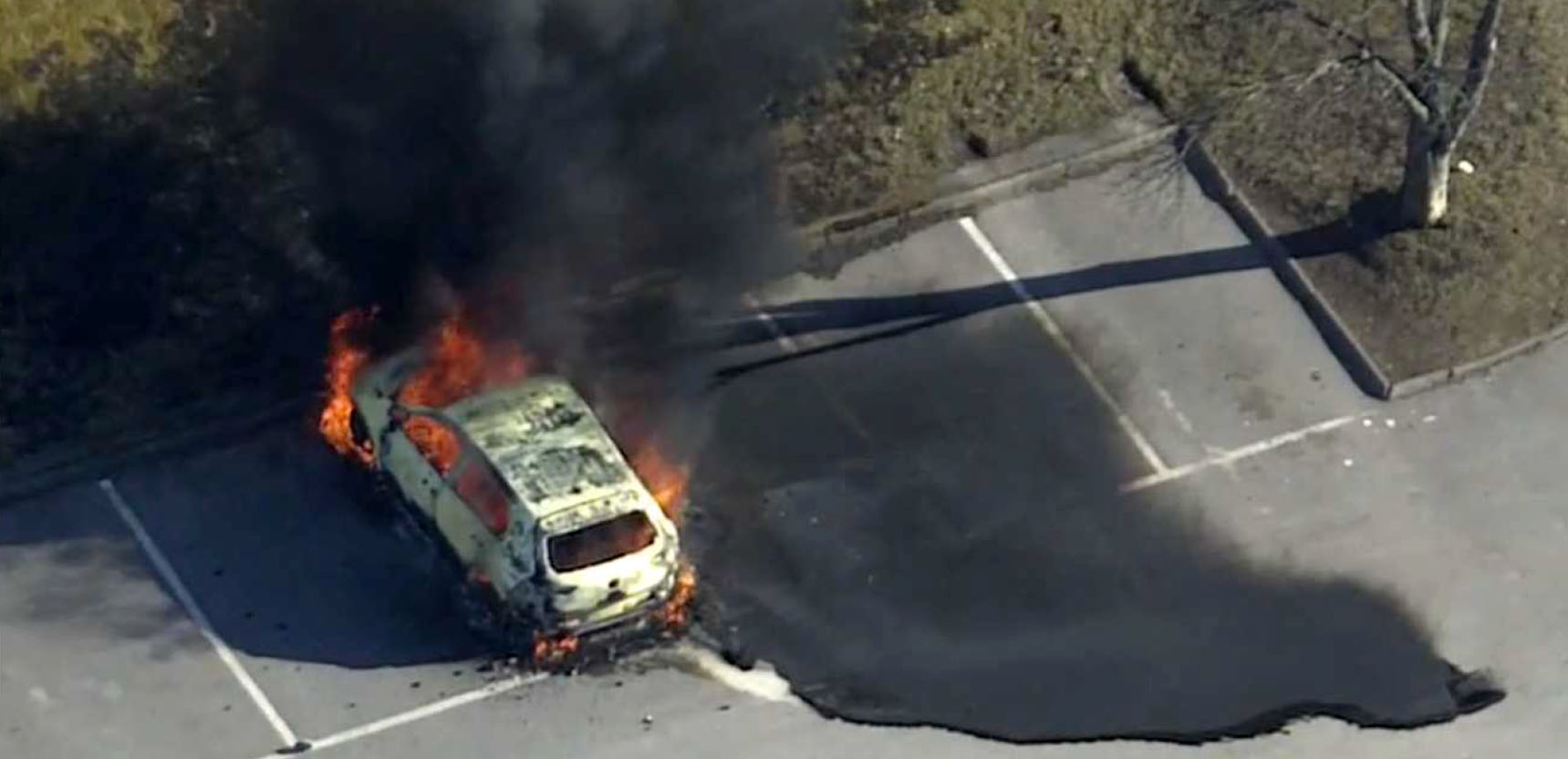
Instead of planned gatherings, the situation in several locations developed into outright riots. Police cars were hijacked and set on fire, rocks and Molotov cocktails were thrown at police and emergency services, and over 100 police officers were injured—many of them seriously. In total, more than 300 people have been convicted nationally for their involvement in the riots, mainly for aggravated sabotage against emergency services.
Navestad – Two Days of Violence
In Navestad, Norrköping, the Islamist violence broke out both on Maundy Thursday and Easter Sunday. The police’s attempts to maintain order were met with organized resistance, including stone-throwing, barricades, and arson around the Ringdansen center.
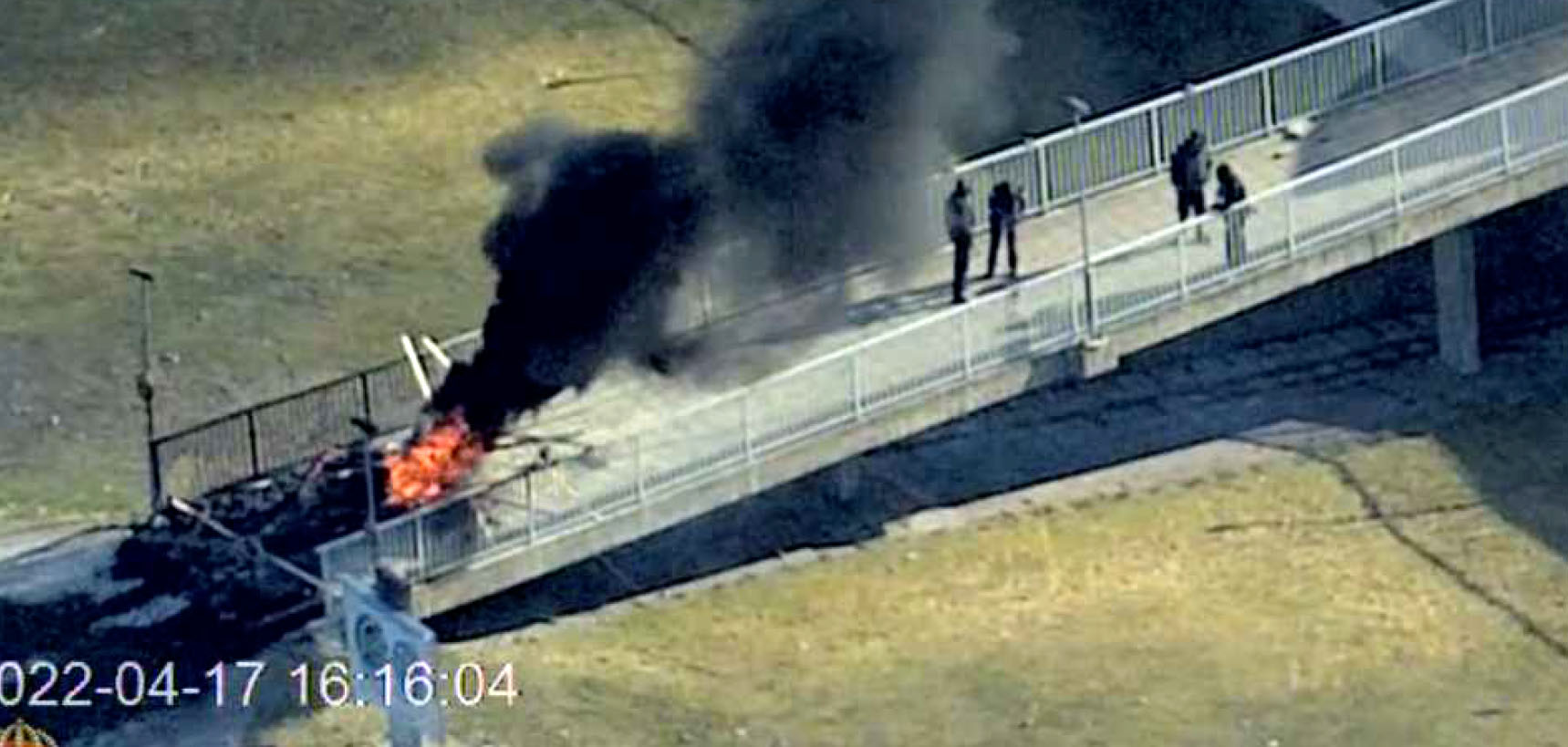
On Easter Sunday, at least 23 police officers were physically injured. Three people were also hit by police gunfire during the operations. The events in Navestad came to be among the most serious during the entire intifada-like wave of riots.
Three New Indictments – After Several Years’ Pause
After a lengthy pause in legal proceedings, prosecutors have now brought charges against three more men for their alleged roles in the Navestad riots. The men were 18, 19, and 27 years old at the time of the riots and are now 22, 23, and 31. They are Ismail Mustafe Ahmed Ahmed, born 2003-05-21, Mohammad Taks, born 2002-08-22, a Swedish citizen but still requiring an interpreter in Arabic, and Ibrahim A H Albayyouk, born 1994-11-07, a citizen of the Palestinian territories, also needing an interpreter in Arabic.
The accused are suspected of aggravated sabotage against emergency services, or alternatively violent rioting. According to the indictment, they allegedly masked themselves, threw stones at police and police cars, and built barricades. One of them is also accused of kicking a police officer who had fallen to the ground in the turmoil.
The Acts in Detail According to the Indictment:

Ismail Mustafe Ahmed Ahmed masked himself, armed himself with stones, ran toward police officers and police vehicles, participated in building barricades, hit police vehicles, and kicked a named police officer. His presence and actions are described as actively inciting other participants.
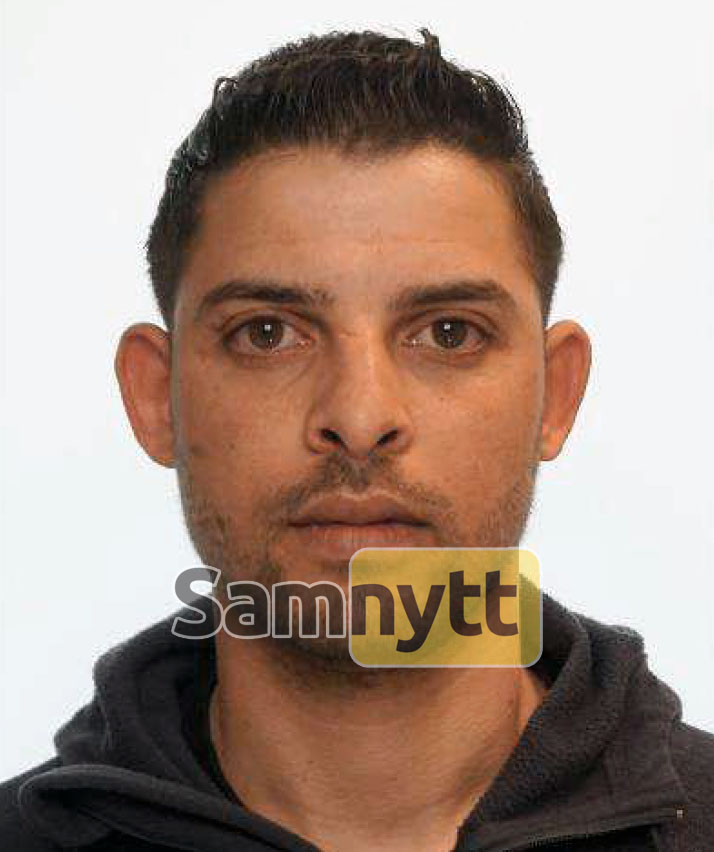
Ibrahim A H Albayyouk masked himself, ran at police officers and police vehicles, threw multiple stones, and helped construct barricades. His actions are also said to have contributed to maintaining and strengthening the collective violence.

Mohammad Taks masked himself, acted offensively against the police, and threw several stones at both police officers and vehicles, thereby taking an active part in the overall attack.
Prosecutor: Coordinated Attack
The prosecutor emphasizes that the violence was not spontaneous but rather a coordinated attack, using several simultaneous methods to neutralize the police response.
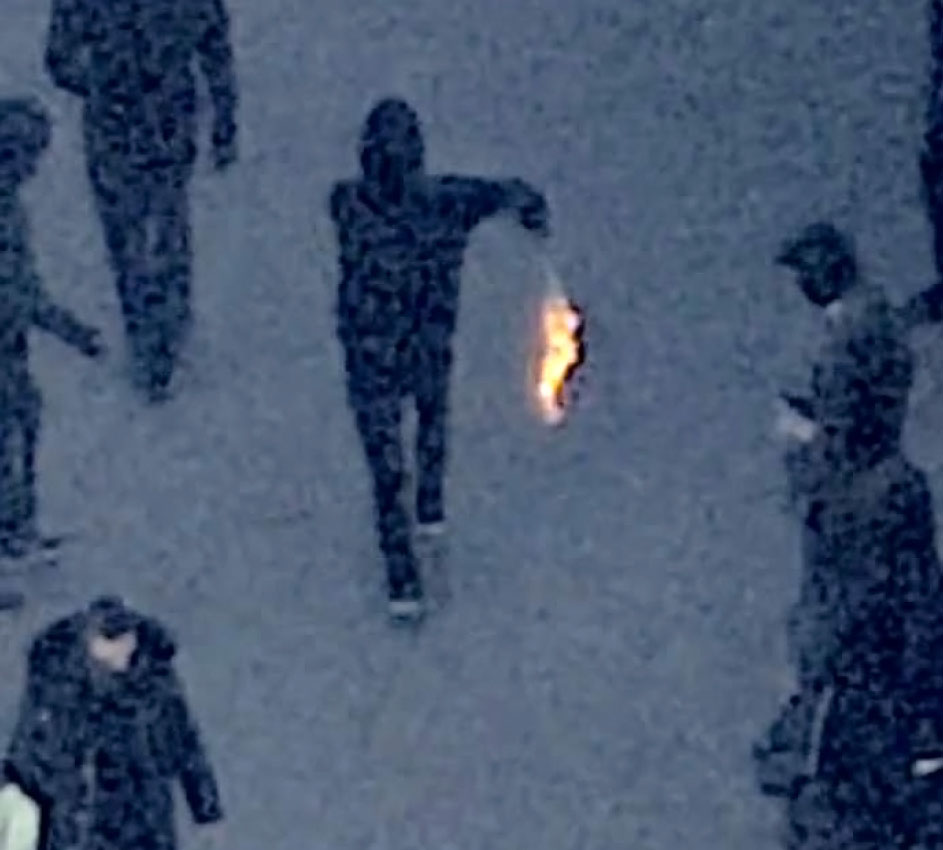
The acts are deemed aggravated, among other reasons, because they continued for a long time, were well organized, involved particularly extensive violence targeting police operations, required reinforcements from several parts of the country, and still resulted in the police temporarily losing control of the situation.
These are the central reasons put forward by the prosecutor for seeking the charges of aggravated sabotage against emergency services.
Extensive Evidence—Film, Injuries, and Molotov Cocktails
The bill of indictment presents extensive evidence. Among other things, the prosecution submits compiled overview videos of the events, detailed timelines of the violence, documented injuries to police officers and vehicles, confiscations and technical reports showing Molotov cocktails were manufactured and available, several identification reports—including material from the TV program TV3 Efterlyst—and connectivity and mobile analysis linked to the accused.
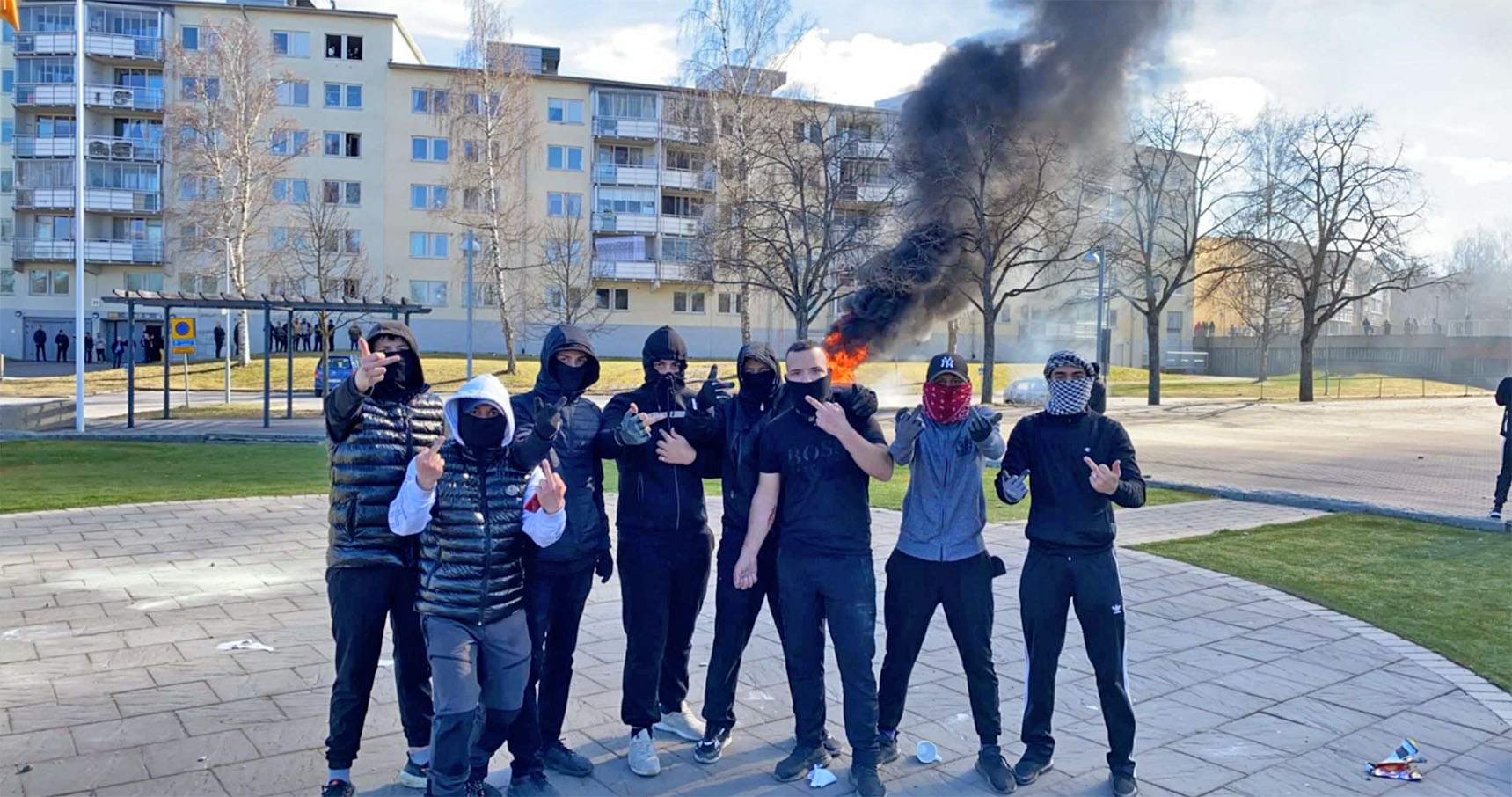
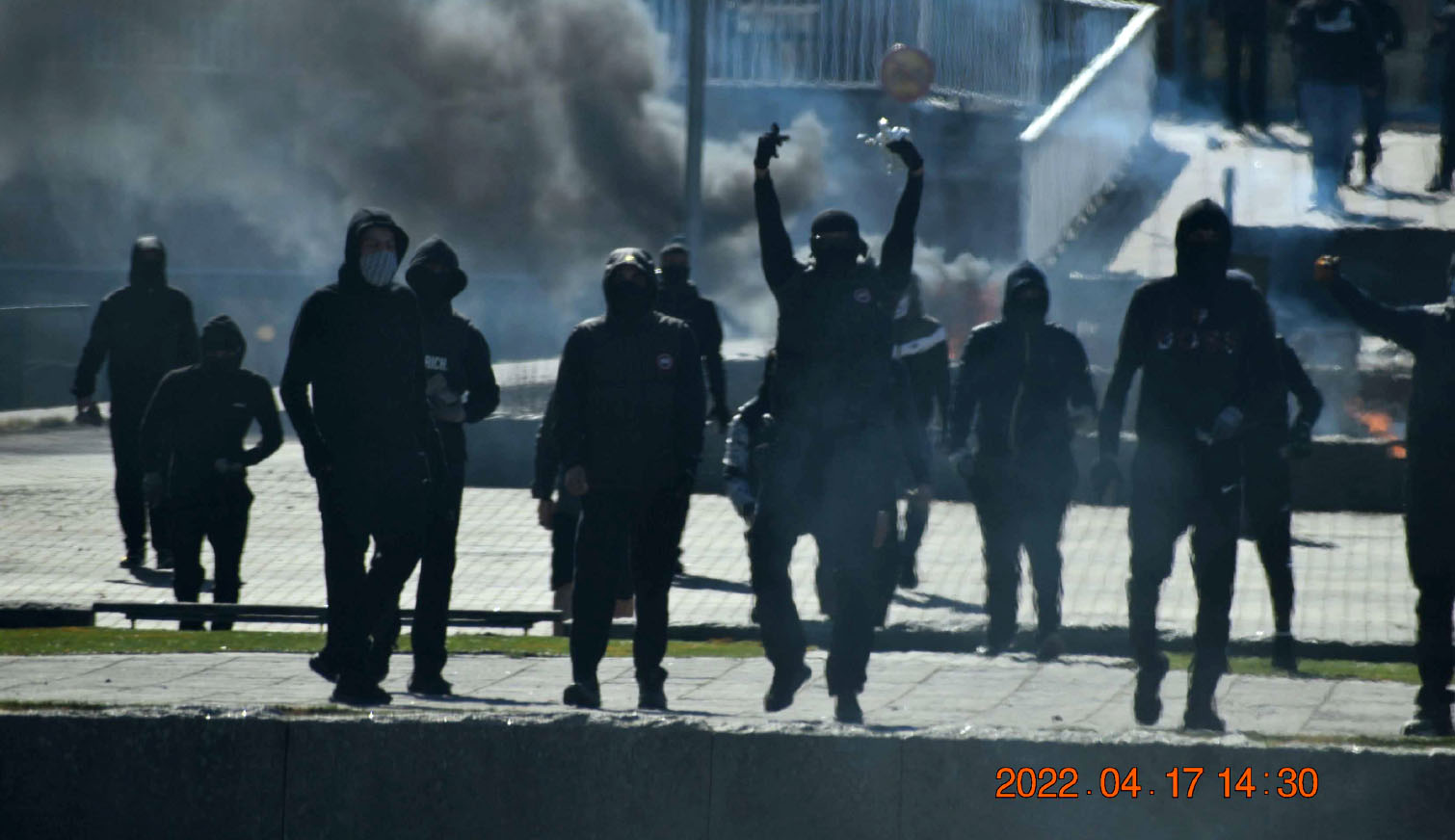
The prosecutor has called a large number of police officers as plaintiffs and witnesses, including members of the national task forces and Delta units that were called in from Stockholm.
Defendant: “I’m Shocked”
The three men gave different explanations during police interrogations. The youngest completely denies any crime and claims he was in the area to play football. The two older men, after being confronted with video evidence, admitted to participating in the violence.
One quote from the interrogations has been repeated in several reports:
“I’m shocked, shocked, shocked, shocked. I’m surprised that I’ve done all this.”
When the interrogator asks if he recognizes himself in the video, the man replies:
“Yes, yes, absolutely. I can’t deny that it’s me. I’m shocked. I don’t remember having done anything like this.”
Only One Can Be Deported
The prosecutor has requested lifetime deportation for the oldest of the accused, who is not a Swedish citizen. Similar requests have previously been made in several Navestad cases, with mixed outcomes in court.
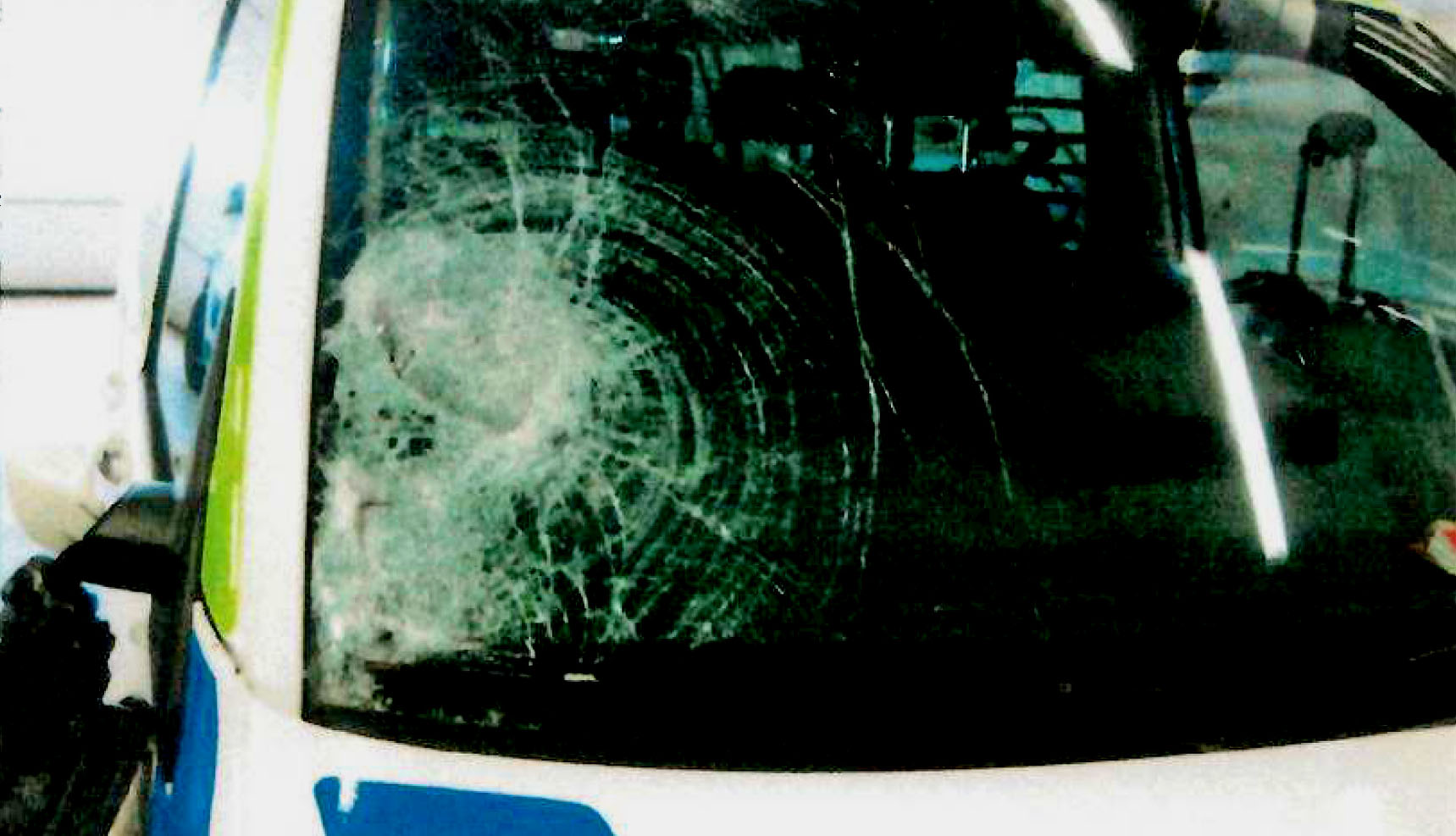
So far, 29 people have been convicted for the riots in Navestad. The majority have been convicted of aggravated sabotage against emergency services, while others have been found guilty, for example, of violence against officials or assault. Sentences have ranged from youth care to prison terms of up to six years. More than half of those convicted were teenagers at the time of the crimes, but several were over 30.
Time May Be Decisive
Despite nearly four years having passed since the incidents, the prosecutor argues that there has formally been no rush—as long as the crimes are classified as aggravated sabotage against emergency services. Following a legal change, this crime carries the penalty of life imprisonment and thus has no statute of limitations.
However, if the court were to settle on a lesser charge, such as ordinary sabotage against emergency services, the situation changes. In that case, the statute of limitations is only five years—which means time is running short for further prosecution.
According to the prosecutor, this is currently the last indictment tied to the Navestad riots, although he emphasizes that nothing can be entirely ruled out.