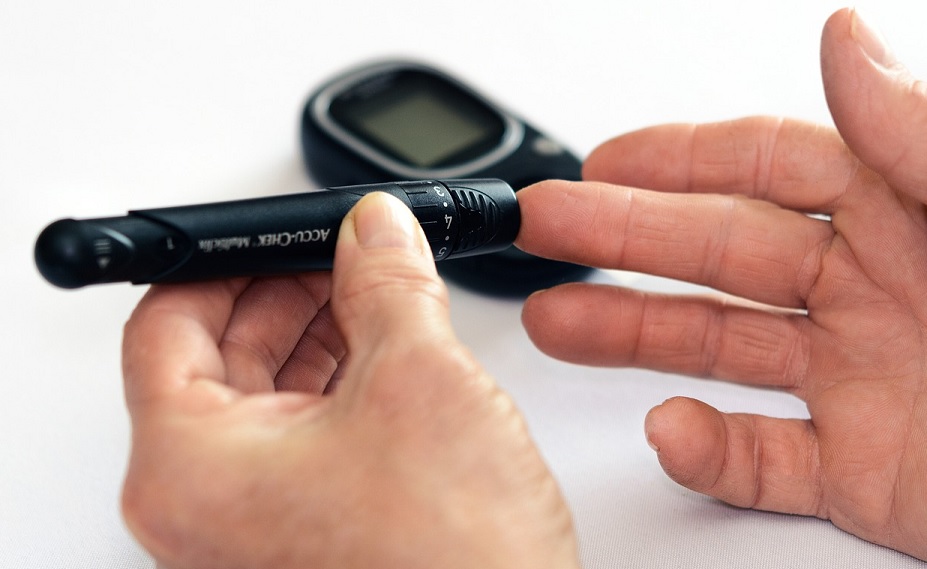
A patient with type 1 diabetes has for the first time received transplanted genetically modified cells capable of producing insulin, without also needing to take immunosuppressive drugs.
Type 1 diabetes is an autoimmune disease in which the body’s own immune system destroys the insulin-producing cells in the pancreas. The disease requires lifelong treatment and affects tens of thousands of Swedes.
This new breakthrough differs from previous treatment attempts because the patient does not need to take immunosuppressive drugs in connection with the cell transplantation. In earlier cell transplantations, such medication was required to prevent the body’s immune system from rejecting the new cells.
“Transplantation of cells that produce insulin has been carried out for just over 20 years in Sweden. But until now, it has mainly been done for patients who also need a new kidney, since they need immunosuppressive drugs,” says Per-Ola Carlsson, the study lead, to TT.
This treatment concretely offers hope that the disease could be cured in the future. The genetically modified cells are designed to produce insulin while avoiding attacks by the patient’s immune system.