Swedish Taxpayers to Fund Wigs and Prosthetics for Trans People
Sweden's National Board of Health and Welfare wants regional health services to hand out wigs, breast forms, binders and prosthetics to people with gender dysphoria - even before any diagnosis. The recommendation is based on 'proven experience', not scientific studies.

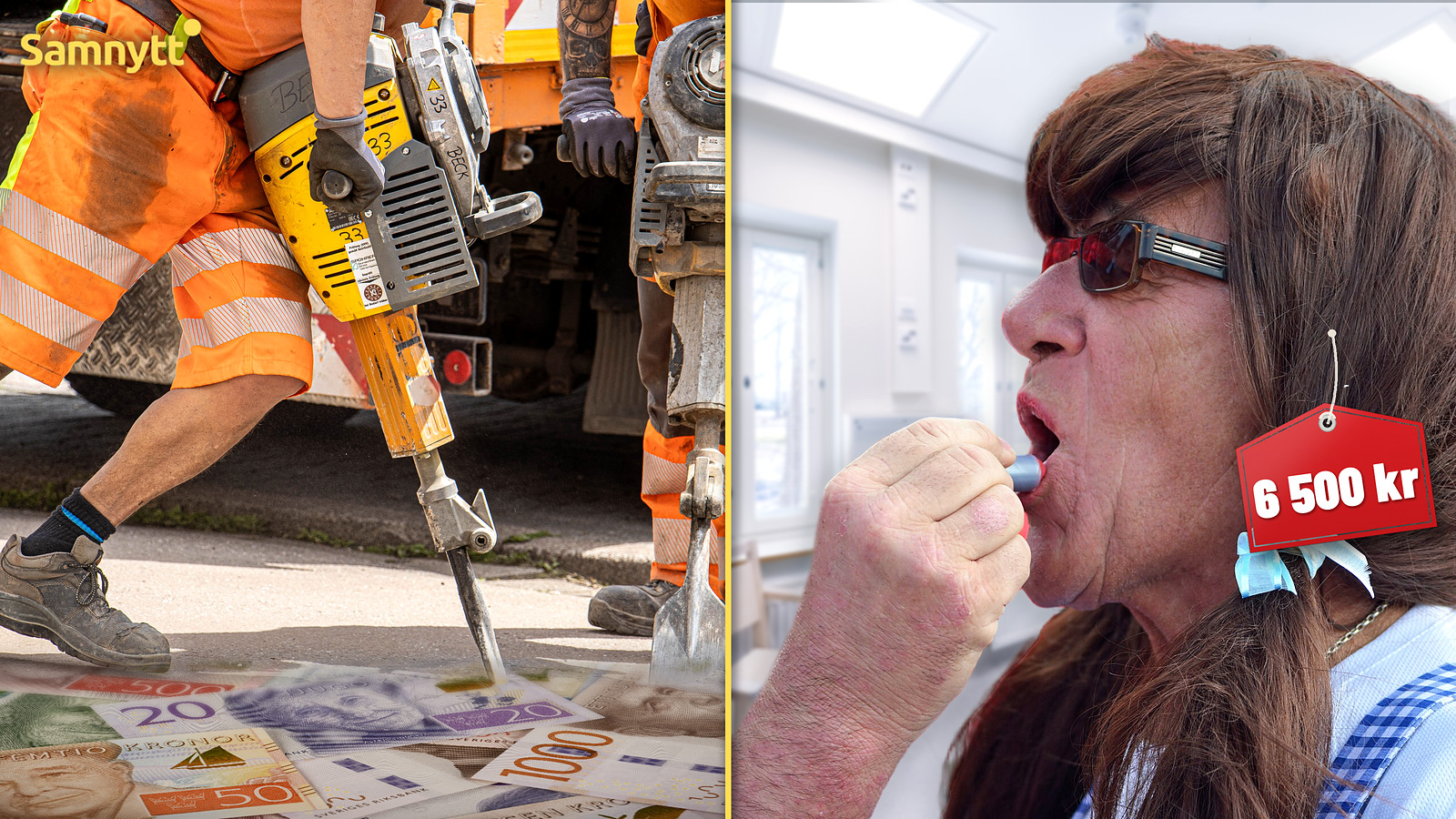
STOCKHOLM - Swedish regions should offer wigs, breast forms and prosthetic genitals to people with gender dysphoria, the National Board of Health and Welfare recommends in its new guidelines. The aids can be handed out before any diagnosis has been made.
The updated guidelines were published on Monday. What is new since the first version in February is precisely the recommendation on aids.
The list covers wigs, binders, breast forms, so-called packers and tuckers. A binder is a compression garment that flattens the chest, a packer is a prosthetic worn to simulate male anatomy, and a tucker is a garment that conceals it.
The recommendation applies to adults and has been given priority 2 on a ten-point scale, where 1 is the highest.
Even before diagnosis
Under the guidelines, aids can be offered before diagnosis if needed. Today patients usually receive them only once a diagnosis is confirmed.
The agency also writes that some people use the aids as part of exploring their gender identity - and that they can therefore be used to help reach a diagnosis.
All the aids can also be relevant for those who regret their transition and want to go back. A wig, according to the agency, may be needed for life.
25,000 kronor per prosthesis
In an annex, the agency has calculated the cost. A packer prosthesis is estimated at 25,000 kronor and to last three years. A wig costs 6,500 kronor and a breast form 4,000 kronor, each lasting a year.
The agency expects 35 percent of those registered female at birth who receive the diagnosis to need a prosthesis - around 200 people a year. Those prostheses alone would cost almost 1.7 million kronor a year.
In total, the example calculation comes to just over 4 million kronor a year for the products alone. Doctor's visits, fittings and follow-ups come on top.
It is the regions - and therefore taxpayers - who foot the bill. The agency admits the recommendation will cost more in the short term, but believes it could save money in the long run if the need for psychiatric care or surgery falls.
Based on experience, not studies
The high priority does not rest on scientific studies. The aids reduce gender dysphoria according to "proven experience", the agency writes. The recommendations largely come from a consensus process involving just over 100 professionals in the field.
The agency also warns that binders can cause harm if used incorrectly, including pain, skin damage and breathing problems. An emergency visit costs 5,175 kronor, it notes.
Around 1,000 people in Sweden are diagnosed with gender dysphoria each year. In some regions the wait for assessment and treatment can be six to seven years.
The LGBT organisation RFSL now wants the aids offered nationwide. "Access differs across the country today. It's very unfortunate. It shouldn't matter where you live," vice-chair Elias Fjellander told Swedish Radio.
The guidelines are a recommendation to the regions, not law. Wigs are already prescribed in the regions the agency has examined.
Mats Dagerlind · Senior Political Columnist
Mats Dagerlind is Senior Political Columnist at Samnytt and Samnytt News. A veteran Swedish political commentator and essayist, he covers Swedish domestic politics, free speech, cultural identity, and media accountability.
Follow @SamnyttNews on 𝕏 ↗