Swedish Patient Lost Prostate and Bladder After Wrong Cancer Diagnosis
A pathologist misread a Swedish patient's tissue samples as prostate cancer, and surgeons removed his prostate and bladder. Seven months later, new tests showed he had a different type of cancer. The lab has now reported itself to the national health inspectorate.

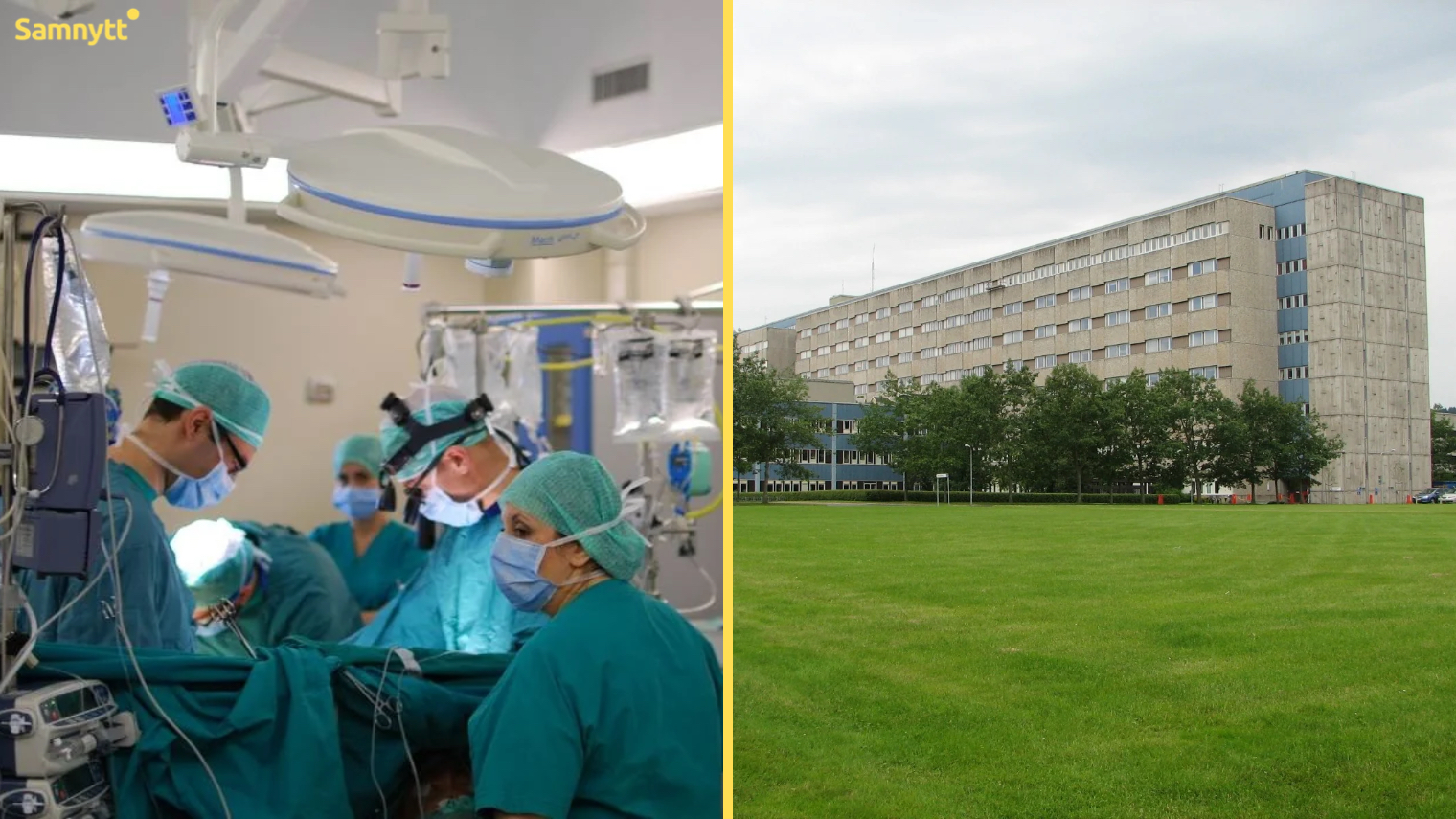
SKÖVDE - A patient at Skaraborg Hospital in Skövde had his genitals, prostate and bladder surgically removed in 2023 after being given the wrong cancer diagnosis. A pathologist had read his tissue samples as prostate cancer. Seven months after the operation, new tests showed it was in fact squamous cell carcinoma, a different type of cancer altogether.
This autumn, the laboratory company Unilabs reported the case to the Health and Social Care Inspectorate under Sweden's Lex Maria rules, which require care providers to report serious patient harm.
The decision to operate was based on the first analysis of the samples. By the time the correct cancer type was established, treatment had already been delayed, according to the report Unilabs sent to the inspectorate. The case was first reported by Swedish public radio.
"It is unclear which treatment would have been considered if the diagnosis had been made at an earlier stage," the care provider writes in the report.
In other words, it has not been established that the drastic surgery could have been avoided had the right diagnosis been made from the start. The patient did have cancer, just not the kind he was first told he had. Nothing in the public reporting suggests the samples were mixed up. What is described is a pathologist who misread them.
Unilabs says it has run laboratory services at Skaraborg Hospital since 1994, including pathology. It is the company, not the hospital, that filed the report after the wrong diagnosis.
The lab reported itself
Under Sweden's Patient Safety Act, a care provider must report without delay any incident that has caused, or could have caused, serious harm to a patient. The Health and Social Care Inspectorate then checks that the provider has investigated properly and taken the steps needed.
No decision from the inspectorate in this case has been published. Nor has any named manager at Skaraborg Hospital or the Västra Götaland Region commented in the coverage by Swedish public radio, Dagens Nyheter and other outlets. The patient's name has not been made public.
Who is ultimately responsible?
The operation itself was carried out at Skaraborg Hospital, based on the diagnosis the laboratory delivered. The report comes from Unilabs, which has concluded that the wrong diagnosis delayed treatment. Whether the inspectorate will criticise the laboratory, the hospital or both remains unclear.
A Lex Maria report does not mean anyone has been found at fault. The patient can also turn to the regional patients' advisory committee and to the national patient insurance scheme, but the public record does not show whether he has done so.
Samnytt News Desk · Stockholm Newsroom
The Samnytt Newsroom in Stockholm reports on Swedish courts, migration, energy policy, and Nordic affairs under Responsible Publisher Simon Kristoffersson, Senior Columnist Mats Dagerlind, and Executive Director Kent Ekeroth.
Follow @SamnyttNews on 𝕏 ↗