Finland Screens Asylum Holders - One in Twenty Has Serious Criminal Record
Finland has screened about 20,000 people with asylum protection and found a serious criminal background in one in twenty. Their protection can now be withdrawn, and parliament has extended the law allowing asylum seekers to be turned away at the border until 2028.

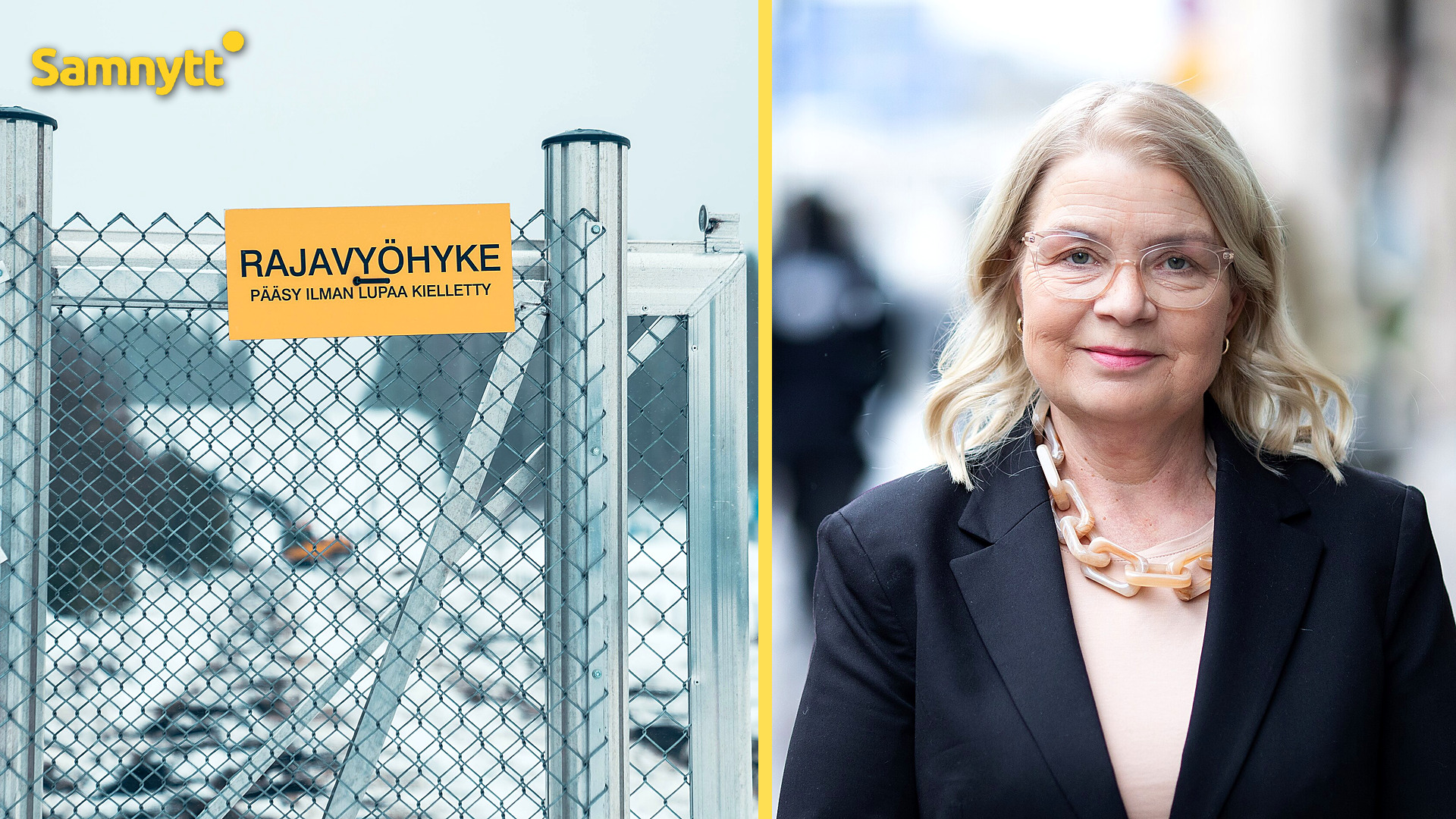
HELSINKI - Finland has screened around 20,000 people granted asylum or subsidiary protection. One in twenty turned out to have a serious criminal background. Now their protection can be withdrawn - and on Wednesday, Finland's parliament extended the law that lets the country turn away asylum seekers at the border until 2028.
The Finnish Immigration Service and the National Bureau of Investigation went through the records of roughly 20,000 people with international protection. Around 1,000 of them had a serious criminal background, according to a press release.
Three in four of those flagged are citizens of Iraq, Afghanistan or Syria. The most common offences among the most serious cases were violent and sexual crimes - aggravated assault, rape, child rape and robbery - along with drug crimes. The material also includes homicide, economic crime and terrorism-related offences.
The review began after the EU's new migration and asylum pact changed the rules in June, widening the cases in which authorities must revoke protection from someone convicted of a particularly serious crime who poses a danger to society.
Protection revoked - but not everyone leaves
Next, those concerned will be heard in person before decisions are made. For those who have committed particularly serious crimes, protection is to be withdrawn and a deportation order issued, unless the ban on returning people to danger stands in the way.
The first deportation orders have already been sent to police stations. But removal is not automatic. The non-refoulement principle in Finland's constitution and the European Convention on Human Rights is absolute: no one may be sent to a country where they risk the death penalty, torture, persecution or other inhuman treatment.
If protection is withdrawn but the person cannot be removed, they stay in Finland on a temporary one-year permit with no right to work, study or bring over family. The permit is reviewed regularly and revoked once deportation becomes possible.
"The figure is appalling"
Justice Minister Leena Meri of the Finns Party told the newspaper Iltalehti in a written reply that the figure is appalling.
"The figure is appalling. It is not a big surprise in itself, but it now shows clearly that people have come to our country to commit crimes, even though we gave them protection they do not value."
"It is absolutely right that these people are removed, and hopefully they will also get a permanent entry ban for the whole EU."
Interior Minister Mari Rantanen, also of the Finns Party, wants information-sharing between agencies to happen automatically, so a special project is not needed every time. The review covered people with international protection, but she wants checks to cover all residence permits, including work permits and family reunification.
"It's a large number if one in twenty has committed a serious crime. It tells me follow-up is needed, so that protection can be taken away and a deportation order issued," she told Iltalehti. "This should continue so that the search is automatic and also covers all other residence permits."
READ MORE: Teen Held Over Helsinki Terror Plot - Police Won't Name the Religion
Parliament says yes to 2028
On Wednesday, Finland's parliament voted 170 to 19 to extend the temporary border security act until 31 December 2028. Ten members were absent.
The law allows the government and parliament to decide that asylum applications will not be accepted at the border. In practice, border guards can then turn back asylum seekers that a foreign power - in practice Russia - sends towards Finland, if national security is seriously threatened.
It is an emergency law, not a general halt to asylum. It took effect in July 2024 and was extended last year to the end of 2026, so this is the second extension. Finland's land border crossings with Russia have also been closed by a separate government decision.
Prime Minister Petteri Orpo of the National Coalition Party said after the vote that the extension was absolutely necessary.
"The border security situation gives no impression whatsoever that things have eased. That is why it is absolutely necessary to renew and extend the border security act," he said.
The Left Alliance and the Greens voted against, as did Eva Biaudet of the Swedish People's Party, which sits in government. The Social Democrats voted in favour, though three of their MPs did not take part.
And in Sweden?
In Sweden, refugee status can be revoked and a court can consider deportation over a crime if it is particularly serious and the person is judged a grave danger to public order and security.
But no comparable, completed review of everyone with asylum protection has been presented in Sweden. Nor does Sweden have any equivalent of Finland's emergency border law.
READ MORE: Sweden Votes to Strip Citizenship From Fraudsters and Terrorists
Samnytt News Desk · Stockholm Newsroom
The Samnytt Newsroom in Stockholm reports on Swedish courts, migration, energy policy, and Nordic affairs under Responsible Publisher Simon Kristoffersson, Senior Columnist Mats Dagerlind, and Executive Director Kent Ekeroth.
Follow @SamnyttNews on 𝕏 ↗