The Second AP Fund is increasing its financial commitment to the troubled steel company Stegra. The investment comes at a time when the company faces growing criticism from economists and other observers, and despite the fact that the AP Funds’ previous high-risk investment in Northvolt cost pension savers nearly six billion SEK.
The Second AP Fund (AP2) is investing an additional approximately 330 million SEK in Stegra, formerly H2 Green Steel. Together with previous investments, AP2’s direct exposure to the company amounts to nearly one billion SEK. In addition, the fund has invested another 250 million SEK in the Just Climate fund, which is also a part-owner in Stegra.
This investment is part of a new financing round in which Stegra has secured a total of around 15 billion SEK from both new and existing investors. According to AP2’s Head of Communications Åsa Norman, the investment has undergone the same scrutiny as other investments.
“We are aware that this is a challenging project with a high risk level. At the same time, we believe the plan they’ve developed is credible, that Stegra has good prospects of success, and that the investment can provide a healthy return,” she told Svenska Dagbladet.
Refers to Risk Yielding Higher Returns
The announcement comes just months after the First to Fourth AP Fund had to acknowledge losses of nearly six billion SEK following Northvolt’s bankruptcy – one of the largest capital losses in the history of the AP Funds.
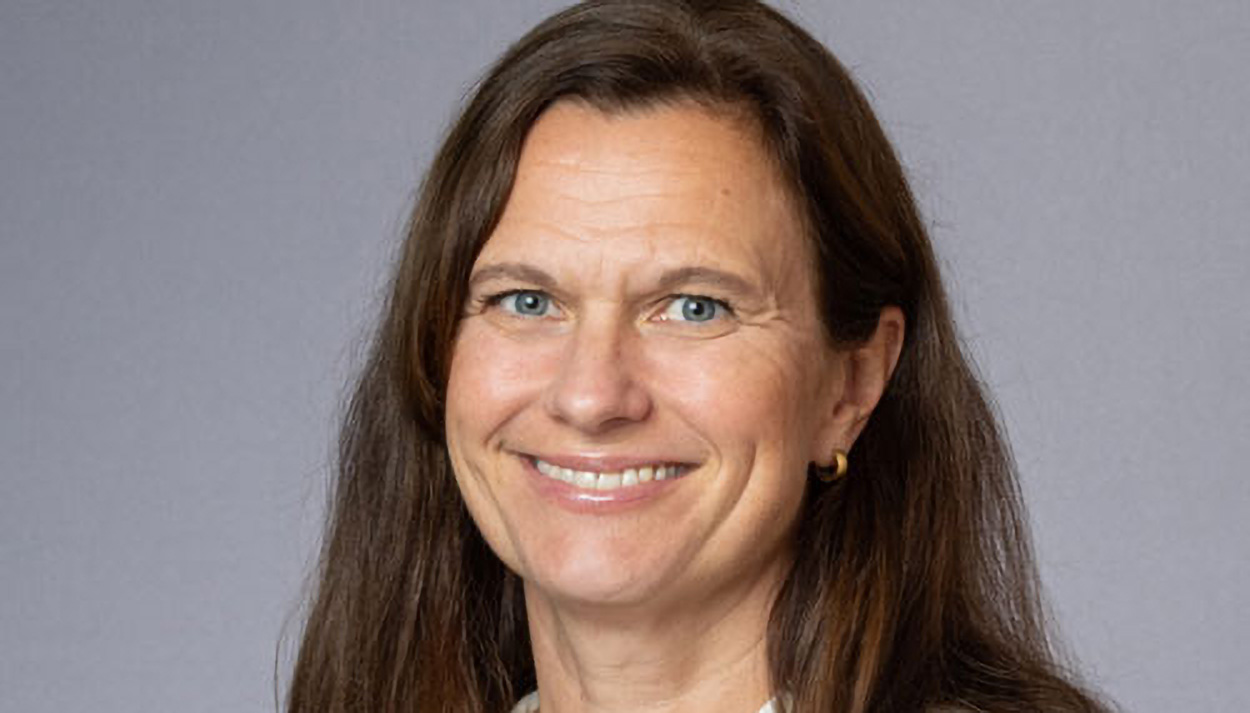
When asked whether Northvolt has affected the fund’s view on risk, Åsa Norman replied that while experiences are certainly considered, taking risks is essential for achieving high returns.
“If we didn’t take risks, we wouldn’t earn as much as we have. It’s through risk that we generate returns for the pension system,” she told SvD.
At the same time, AP2 emphasizes that the Stegra investment only accounts for about half a per mille of the fund’s total assets under management.
Growing Criticism of Stegra’s Finances
Meanwhile, criticism of Stegra’s business model continues to grow. Professor Bengt Kriström at the Swedish University of Agricultural Sciences has recently sharply criticized a socioeconomic report commissioned by Stegra and produced by Sweco. According to him, it’s an overly optimistic calculation, where the report suffers from methodological errors, exaggerates benefits, and at the same time underestimates the project’s costs.
Kriström argues, among other things, that the report confuses increased economic activity with socioeconomic profitability and that the climate benefits are overestimated since the EU emissions trading system sets a cap for total emissions.
ALSO READ: New criticism of Stegra – professor completely dismisses economic report
Other experts have also warned about the project’s financial risks. Economists Magnus Henrekson and David Sundén have previously pointed to significant technical and financial uncertainties surrounding the venture, while Svenska Dagbladet columnist Peter Wennblad has described Stegra as an “extremely high-risk project” where critical scrutiny has been lacking.
Stegra has also faced questions regarding the company’s high capital consumption, extensive need for continued external financing, and lack of transparency concerning cash flow and future revenues. Much has been kept in the dark, and media have criticized that this lack of transparency makes critical examination impossible.
Change in Law Opened the Door for Northvolt Investments
The AP Funds’ previous investments in Northvolt became possible after the Swedish parliament in 2020 changed the regulations for the AP Funds’ investment activities. Prior to that, investments in unlisted companies were prohibited.
ALSO READ: Politicians changed the law – invested pension money in Northvolt
After the change in the law, the AP Funds were able to invest in such companies, although not directly. To carry out the Northvolt investment, the First to Fourth AP Funds therefore created a shell company structure, the joint investment company 4 to 1 Investments KB, through which nearly 5.8 billion SEK was placed in the battery manufacturer.
When Northvolt later went bankrupt, the entire investment was wiped out in practice. Despite the major loss, the AP Funds are now continuing to invest in large, unlisted industrial projects within the so-called green transition – with Stegra being one of the most capital-intensive and high-risk examples.
READ all articles on Samnytt about Stegra HERE.